
早上七点,广州人已经喝了两轮茶 | Morning Tea in Guangzhou: A Ritual Before the Rest of China Wakes Up
早上七点,广州人已经喝了两轮茶 | Morning Tea in Guangzhou: A Ritual Before the Rest of China Wakes Up
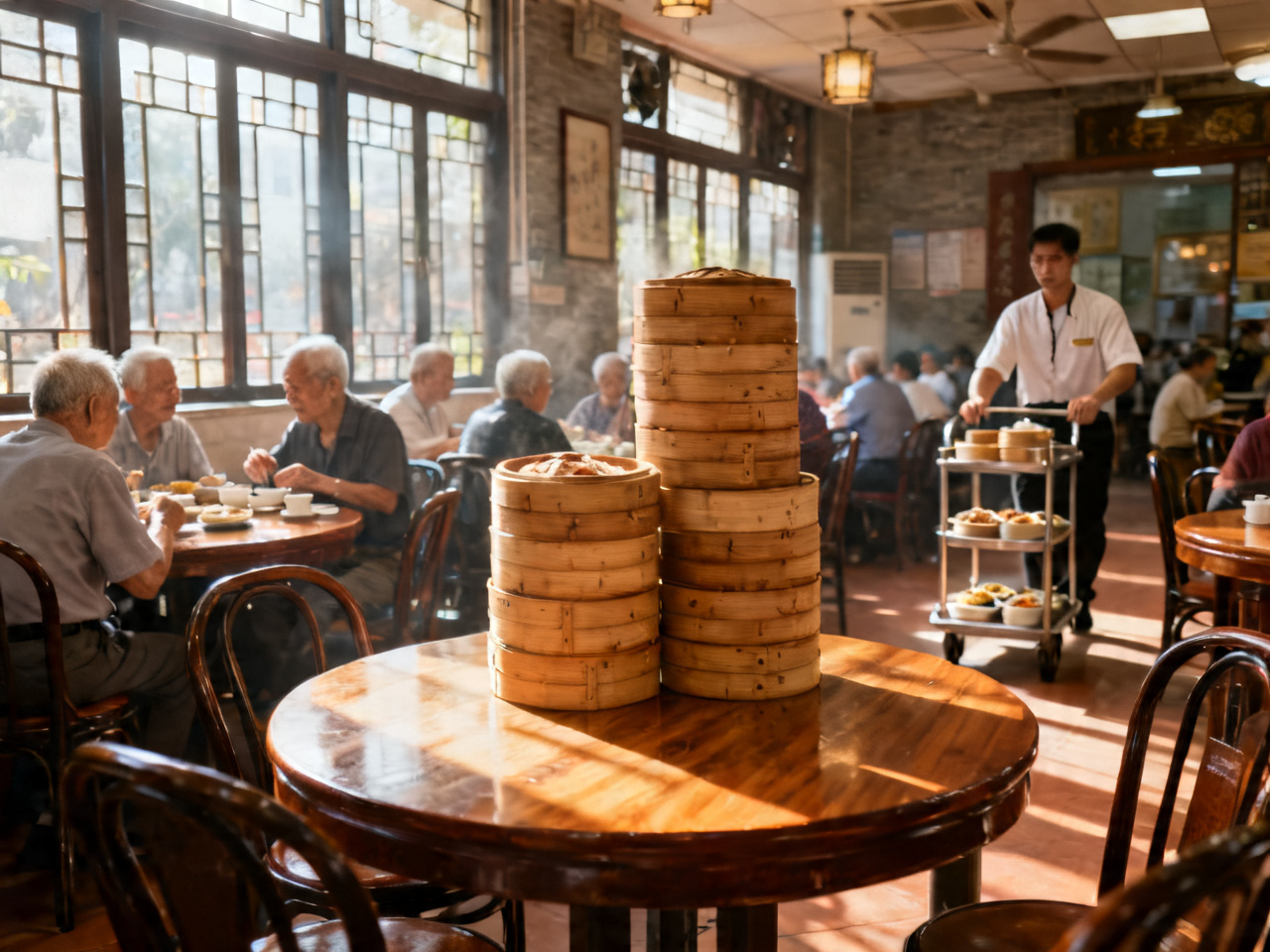
早上七点,广州荔湾区的莲香楼已经坐满了人。老人们占据靠窗的位置,把报纸摊在桌上,茶壶里的普洱还冒着热气。服务员推着点心车穿行其间,虾饺、肠粉、叉烧包在蒸笼里叠得老高。这不是周末的特别安排,这是广州人普通工作日的早晨。
At 7 AM, Lianxiang Lou in Guangzhou's Liwan District is already packed. Elderly regulars claim the window seats, newspapers spread across the table, Pu'er tea still steaming in the pot. Servers weave through the crowd pushing dim sum carts stacked high with har gow, cheung fun, and char siu bao. This isn't a weekend treat — this is an ordinary weekday morning in Guangzhou.
"饮茶"这个词在粤语里的意思远不止喝茶。它是一种社交仪式,一种时间结构,一种身份认同。广州人说"叹早茶",那个"叹"字用得妙——享受、舒展、不慌不忙。一盅两件,可以坐上两三个小时,谈生意、聊家常、或者什么都不说,只是坐着。
"Yum cha" — drinking tea — means far more than the words suggest. It's a social ritual, a way of structuring time, a marker of identity. Cantonese speakers say "tan" morning tea, a word that implies savoring, stretching out, taking your time. One pot of tea, two pieces of dim sum, and you might sit for two or three hours — talking business, catching up with family, or simply sitting in comfortable silence.
点心的逻辑
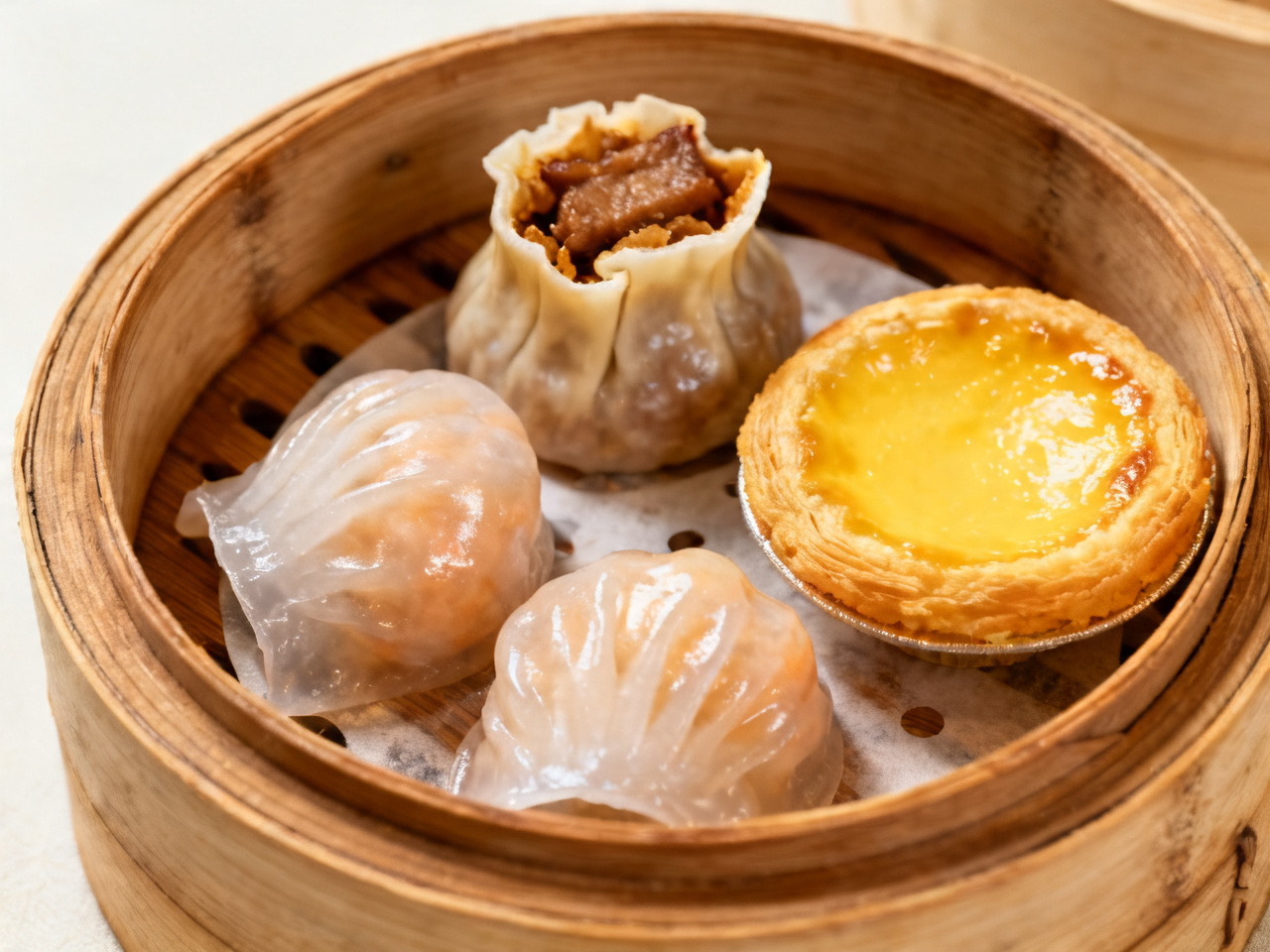
粤式点心的种类超过两百种,但真正构成早茶骨架的,是那几样经典:虾饺要皮薄透明,能隐约看见里面的虾仁;肠粉要滑,酱油要淋得恰到好处;萝卜糕要煎得两面金黄,外脆内软。这些标准广州人心里清楚,不需要说出来,吃一口就知道这家做得好不好。
Cantonese dim sum spans over two hundred varieties, but the backbone of any proper morning tea session comes down to a few classics: har gow wrappers must be thin enough to see the shrimp through; cheung fun must be silky, the soy sauce drizzled just right; turnip cake must be pan-fried to golden on both sides, crisp outside and soft within. Guangzhou locals carry these standards internally — no need to articulate them. One bite tells you everything about whether a kitchen knows what it's doing.
深圳的情况有些不同。这座城市里有大量来自全国各地的移民,粤菜馆开了很多,但真正懂早茶的食客比例并不高。周末上午十点,福田区某家茶楼里,一桌年轻人对着菜单发愁,不知道"凤爪"是什么,也不确定"马拉糕"算甜点还是主食。旁边的阿姨忍不住探过头来:"凤爪就是鸡脚,软的,好吃。马拉糕是甜的,最后吃。"这一幕在深圳的茶楼里每天都在上演。
Shenzhen tells a different story. The city's massive migrant population has filled it with Cantonese restaurants, but the proportion of diners who truly understand morning tea culture is lower. On a weekend morning around 10 AM in a Futian teahouse, a table of young people stares at the menu in confusion — unsure what "phoenix claws" are, uncertain whether "Malaysian sponge cake" counts as dessert or a main. The auntie at the next table leans over: "Phoenix claws are chicken feet, soft, delicious. The sponge cake is sweet — save it for last." This scene plays out in Shenzhen teahouses every single day.
广州吃什么,深圳吃什么
在广州,早茶的地理分布有明显的层次。荔湾、越秀的老字号茶楼代表传统正宗,天河的新式茶餐厅则在保留经典的同时加入了更多创意点心。陶陶居、莲香楼、广州酒家,这些名字对广州人来说不只是餐厅,是城市记忆的一部分。
In Guangzhou, morning tea venues follow a clear geography. The old-school teahouses of Liwan and Yuexiu represent tradition and authenticity; the newer tea restaurants of Tianhe preserve the classics while introducing creative variations. Taotao Ju, Lianxiang Lou, Guangzhou Restaurant — these names aren't just eateries to locals. They're pieces of the city's memory.
除了早茶,广州的粤菜版图还包括几个不能错过的维度。白切鸡是检验粤菜厨师水准的试金石——鸡要选清远鸡,皮要滑,肉要嫩,骨髓带血丝才算火候到位。清蒸鱼讲究鱼的新鲜,广州人去海鲜酒家,第一件事是去鱼缸边上挑鱼,活的,现杀现蒸。煲仔饭在秋冬季节尤其受欢迎,腊肠腊肉铺在米饭上,锅底结出一层焦香的锅巴,这一口是广州冬天的味道。
Beyond morning tea, Cantonese cuisine in Guangzhou spans several unmissable dimensions. White-cut chicken is the benchmark test for any Cantonese kitchen — the bird should be Qingyuan breed, skin silky, meat tender, with a faint blush of pink near the bone to signal perfect timing. Steamed fish demands absolute freshness; at a Guangzhou seafood restaurant, the first thing diners do is walk to the tank and choose their fish — alive, killed to order, steamed immediately. Clay pot rice is especially beloved in autumn and winter: lap cheong and cured pork laid over rice, a layer of crispy crust forming at the bottom of the pot. That bite is the taste of Guangzhou in winter.
深圳因为地理位置,海鲜资源比广州更直接。南山区的海鲜市场,凌晨四点就有渔船靠岸卸货,当天的生蚝、濑尿虾、花蟹直接进入周边餐厅的厨房。如果你在深圳,不要错过这种"今天的海"。
Shenzhen, by geography, has even more direct access to seafood than Guangzhou. At the seafood markets in Nanshan District, fishing boats dock to unload as early as 4 AM — oysters, mantis shrimp, and flower crabs caught that morning go straight into nearby restaurant kitchens. If you're in Shenzhen, don't miss the chance to eat "today's ocean."
一些实用的事
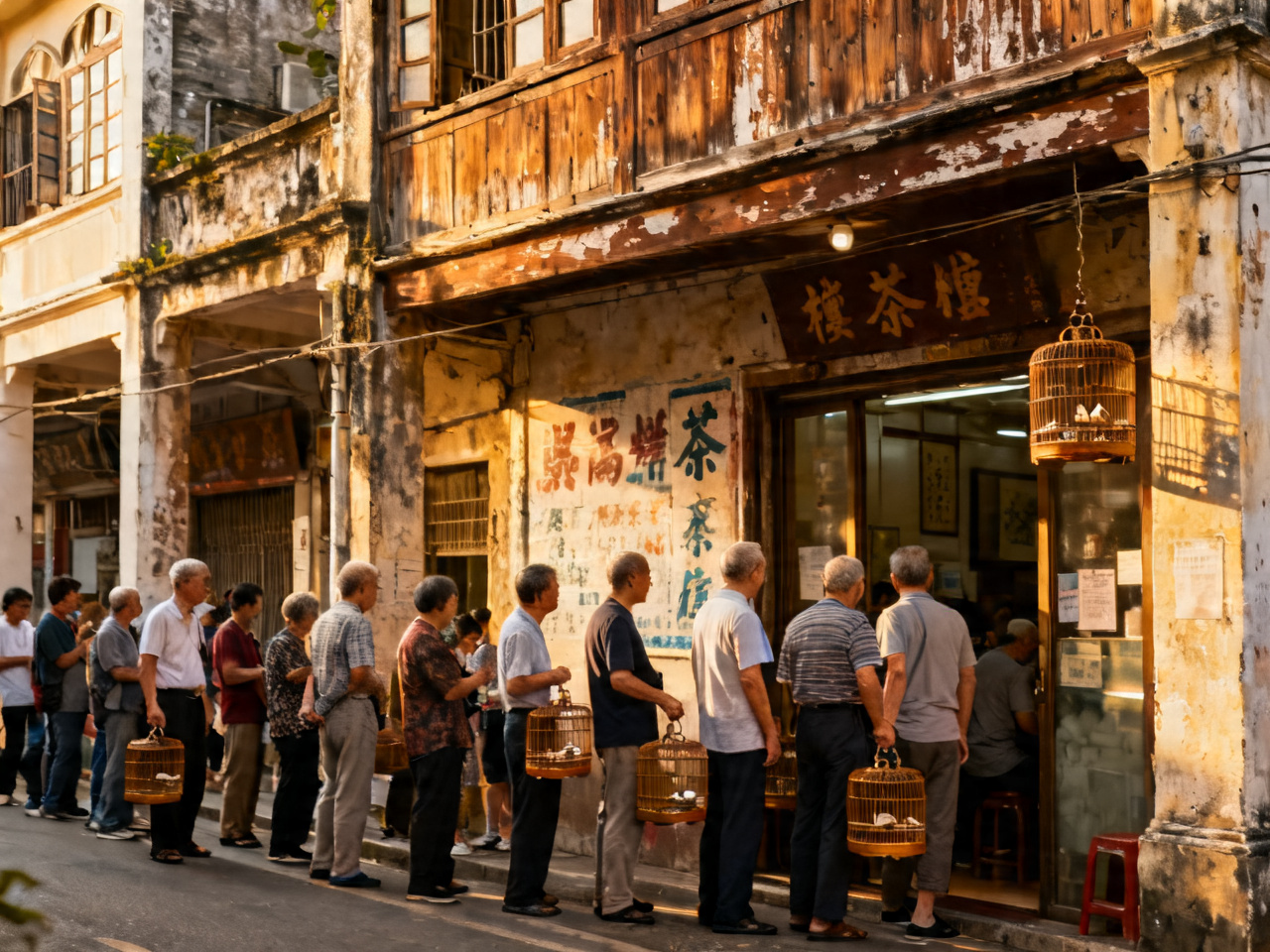
广州的老茶楼高峰期在周末早上八点到十点,不提前排号基本没有座位。很多茶楼现在可以微信预约,但老一辈的食客更喜欢直接去排队,因为排队本身也是早茶文化的一部分——在门口遇到熟人,聊几句,等位的时间就过去了。
Guangzhou's old teahouses hit peak capacity between 8 and 10 AM on weekends — without a reservation or queue number, you won't get a seat. Many now accept WeChat bookings, but older regulars prefer to queue in person, because waiting is part of the ritual — you run into neighbors at the door, exchange a few words, and the wait disappears.
点单时,如果不确定,跟着旁边桌点是最稳妥的策略。广州人对外地人在茶楼里的困惑通常很有耐心,主动问一句"这个好不好吃",往往能换来一段热情的推荐。
When ordering, if you're unsure, mirroring the table next to you is the safest strategy. Guangzhou locals are generally patient with out-of-towners confused in teahouses — ask "is this one good?" and you'll usually get an enthusiastic recommendation in return.
最后一件事:茶壶空了,把壶盖侧放或者掀开,服务员看到就会来续水。这个无声的信号,是早茶文化里最小也最优雅的一个细节。
One last thing: when the teapot runs dry, tilt the lid to one side or lift it open. The server will see it and come to refill. This silent signal is the smallest, most elegant detail in the whole morning tea ritual.
延伸阅读 / Related Reads
- 中国八大菜系全览 | The 8 Great Cuisines of China
- 第一口就着了魔:一个外乡人在成都的麻辣沉沦 | Spellbound at First Bite: A Stranger's Descent into Chengdu's Heat
- 街头那碗热气,才是中国城市的真实体温 | Street Steam: The Real Pulse of Chinese Cities
- 花椒档案:一个植物学者眼中的四川味觉地图 | The Peppercorn Dossier: Sichuan's Flavor Map Through a Botanist's Eyes
- 华东五城10日经典环线 | 10-Day East China Five-City Loop

- 川藏线进藏路线拆解与海拔应对 | Sichuan-Tibet Highway: Route Breakdown & Altitude Tips
- 七月在杭州安安静静避雨,我终于不再把下雨当行程损失 | My First Rainy July Plan in Hangzhou Taught Me to Stop Treating Rain as Lost Travel Time
- 夜市烧烤摊的烟火气,教我别只找网红餐厅 | Smoke from a Night Grill Taught Me Not to Only Chase Viral Restaurants
- 桂林和阳朔真正迷人的,不只是像画,而是那种愿意把人脚步放慢的山水节奏 | What Truly Charms Guilin and Yangshuo Is Not Only Their Painterly Beauty but the Way the Landscape Slows Your Pace
- 7天经典华东行程:上海-杭州-苏州 | 7-Day East China Itinerary: Shanghai-Hangzhou-Suzhou
- 西藏拉萨朝圣之旅:布达拉宫与大昭寺 | Lhasa Pilgrimage: Potala Palace & Jokhang Temple
- 外国人在中国买东西被拒收现金怎么办? | What To Do When a Chinese Shop Refuses Your Cash
- 从武夷山下来,在茶桌上理解岩韵 | Understanding Rock Rhyme at a Wuyi Tea Table
- 在中国吃素这件事,比你想象的难,也比你想象的容易 | Eating Vegetarian in China: Harder Than You Think, Easier Than You Fear
- 读一面敦煌壁画的次序:从洞窟入口开始 | How to Read a Dunhuang Mural: Begin at the Cave Entrance
Comments (0)