
别扫那个码!外国游客在中国最容易中招的6种支付骗局 | Don't Scan That QR Code! 6 Payment Scams That Target Foreign Tourists in China
别扫那个码!外国游客在中国最容易中招的6种支付骗局 | Don't Scan That QR Code! 6 Payment Scams That Target Foreign Tourists in China
在深圳华强北,一个澳大利亚背包客被人拦住:"帮我扫一下这个码,我手机没电了。"他扫了,页面跳转到一个看起来像微信的授权页面,点了确认。三分钟后,他的微信钱包被转走了1200元。
At Huaqiangbei in Shenzhen, an Australian backpacker was stopped by a stranger: "Can you scan this code for me? My phone's dead." He scanned it. The page looked like a WeChat authorization screen. He tapped confirm. Three minutes later, ¥1,200 was gone from his WeChat wallet.
这不是都市传说——是2025年深圳警方通报的真实案例之一。中国的移动支付生态全球领先,但正因为二维码无处不在,骗子也跟着进化了。作为外国游客,你比本地人更容易成为目标,因为你对中文界面不够熟悉,对"扫码文化"的边界感还没建立起来。
This isn't an urban legend — it's one of the real cases reported by Shenzhen police in 2025. China's mobile payment ecosystem leads the world, but precisely because QR codes are everywhere, scammers have evolved with them. As a foreign tourist, you're a softer target than locals: you're less familiar with Chinese-language interfaces and haven't yet developed a sense of where "scan culture" boundaries lie.
骗局一:假二维码覆盖 / Scam #1: QR Code Overlay
怎么操作的:骗子在共享单车、自动售货机、甚至餐厅桌上的点餐码上面,贴一层自己的二维码。你以为在付款给商家,实际上钱进了骗子的账户。
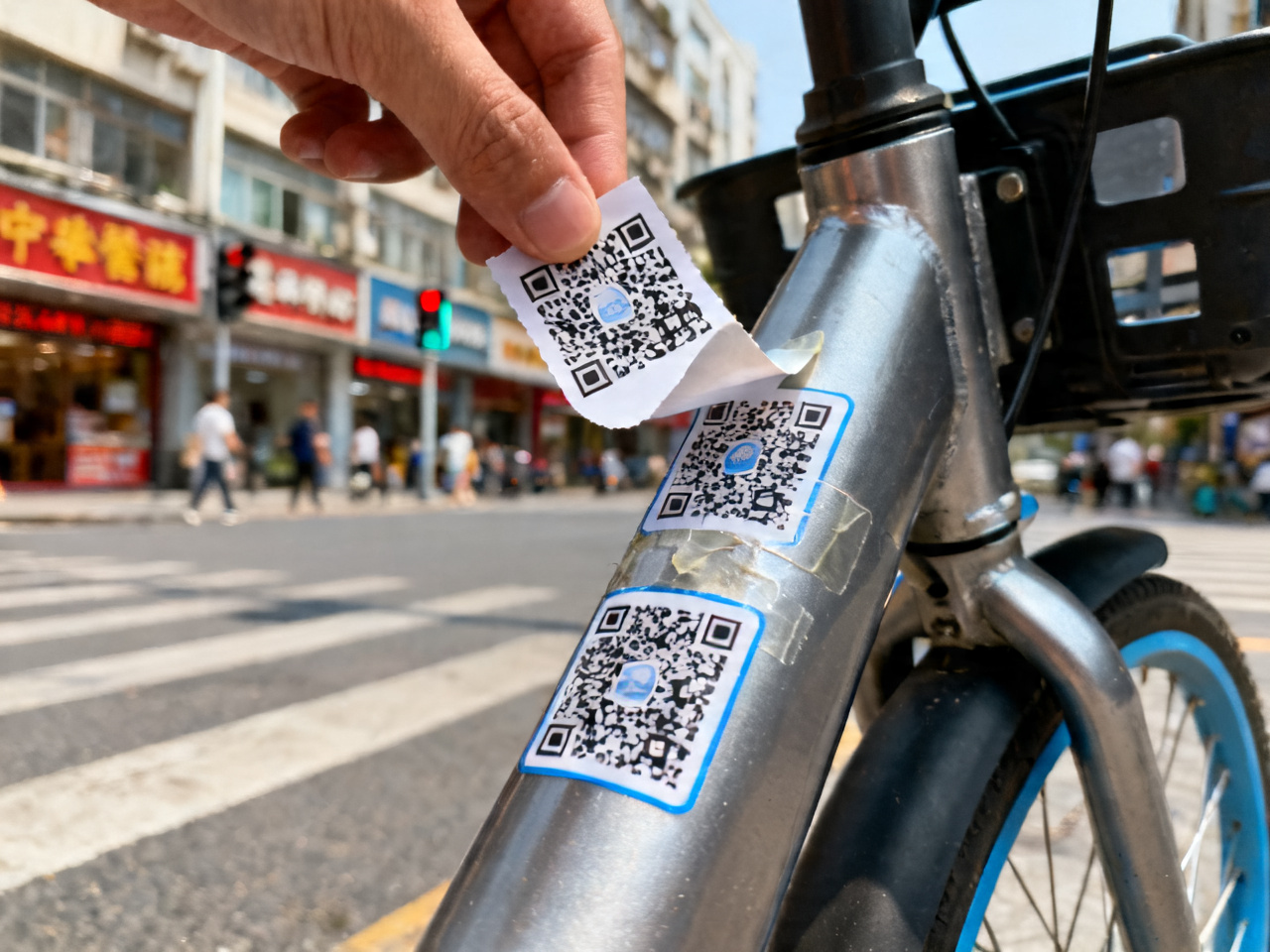
How it works: scammers paste their own QR code on top of legitimate ones — shared bikes, vending machines, even restaurant table-ordering codes. You think you're paying the merchant; the money goes to the scammer.
真实场景:我在杭州西湖边租共享单车时,注意到车身上的二维码边缘有明显的贴纸痕迹。撕开一看,下面还有一层原始码。如果我直接扫了表面那层,钱就不知道去哪了。
Real scenario: renting a shared bike near West Lake in Hangzhou, I noticed the QR code on the bike frame had visible sticker edges. Peeled it back — there was the original code underneath. Had I scanned the top layer, my money would have vanished.
防御方法:扫码前用手指摸一下,如果感觉有贴纸叠层,别扫。共享单车优先用APP内扫码功能而不是相机直接扫。
Defense: run your finger over the code before scanning. If you feel a sticker layer, don't scan. For shared bikes, use the in-app scanner rather than your phone's camera.
骗局二:"帮我扫一下"社交工程 / Scam #2: "Scan This for Me" Social Engineering
怎么操作的:陌生人以各种理由让你扫他的码——"手机没电""网络不好""帮我付一下我转给你"。扫码后可能触发授权转账、关注恶意公众号、或跳转钓鱼页面。
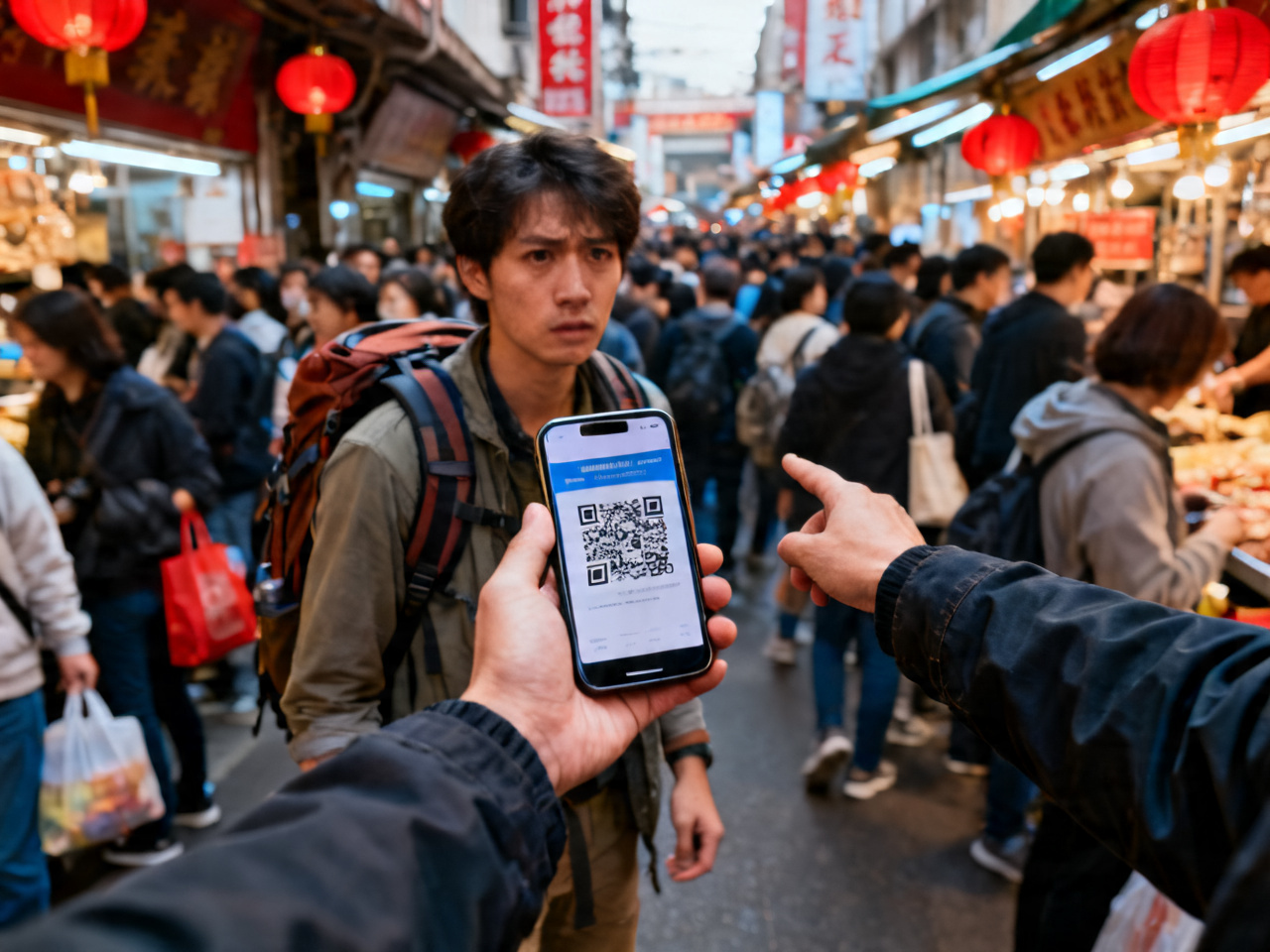
How it works: a stranger asks you to scan their code for various reasons — "phone's dead," "bad signal," "pay for me and I'll transfer you back." Scanning may trigger authorized transfers, subscribe you to malicious accounts, or redirect to phishing pages.
关键原则:在中国,永远不要扫陌生人主动出示的二维码。正常的商业场景是你出示付款码给商家扫,或者你扫商家固定展示的收款码。任何"反向"的——别人让你扫他手机屏幕上的码——都应该拒绝。
Key principle: in China, never scan a QR code that a stranger actively shows you. Normal commerce works the other way: you show your payment code for the merchant to scan, or you scan the merchant's fixed display code. Any "reverse" scenario — someone asking you to scan a code on their phone screen — should be refused.
骗局三:出租车"扫码打折" / Scam #3: Taxi "Scan for Discount"
怎么操作的:部分黑车或不规范的出租车司机会说"扫这个码付款有折扣"或"打表坏了,扫码付吧"。这个码可能链接到个人收款账户(绕过平台监管),金额由司机手动输入,你无法事后投诉。
How it works: some unlicensed or shady taxi drivers say "scan this code for a discount" or "the meter's broken, just scan to pay." The code may link to a personal account (bypassing platform oversight), with the driver manually entering the amount — leaving you no recourse for complaints.
防御方法:打车优先用滴滴/高德打车,车内付款走平台通道。如果坐路边出租车,坚持看计价器,用现金或让司机用POS机刷卡。拒绝任何"扫个人码"的要求。
Defense: use Didi or Amap for rides — pay through the platform. If you hail a street taxi, insist on the meter and pay cash or ask the driver to use a POS terminal. Refuse any request to scan a personal QR code.
骗局四:假WiFi + 支付劫持 / Scam #4: Fake WiFi + Payment Hijack
怎么操作的:在景区、火车站、商场附近,骗子架设名字很像官方的免费WiFi(比如"Starbucks_Free_5G""Airport-WiFi")。你连上后,他们可以监控你的网络流量。如果你在这个网络下打开支付宝或微信支付,登录信息可能被截获。
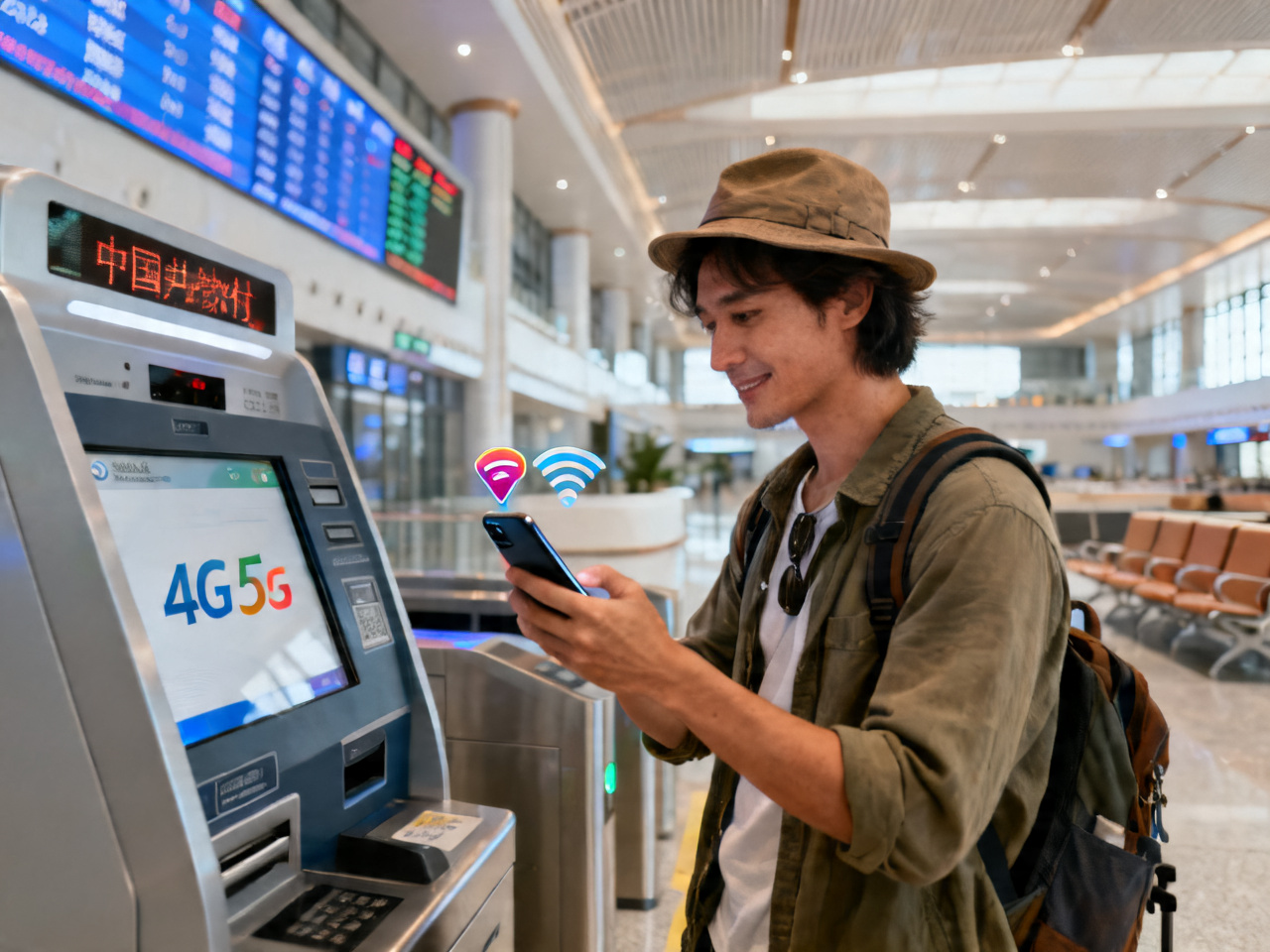
How it works: near tourist spots, train stations, or malls, scammers set up free WiFi hotspots with official-sounding names ("Starbucks_Free_5G," "Airport-WiFi"). Once connected, they can monitor your traffic. If you open Alipay or WeChat Pay on that network, login credentials may be intercepted.
防御方法:在中国买一张本地SIM卡或租随身WiFi,不要连来路不明的免费WiFi。如果必须用公共WiFi,开VPN。支付操作一律用移动数据。
Defense: buy a local SIM card or rent a portable WiFi device — don't connect to unknown free WiFi. If you must use public WiFi, turn on a VPN. Always use mobile data for payment operations.
骗局五:退款钓鱼短信 / Scam #5: Refund Phishing SMS
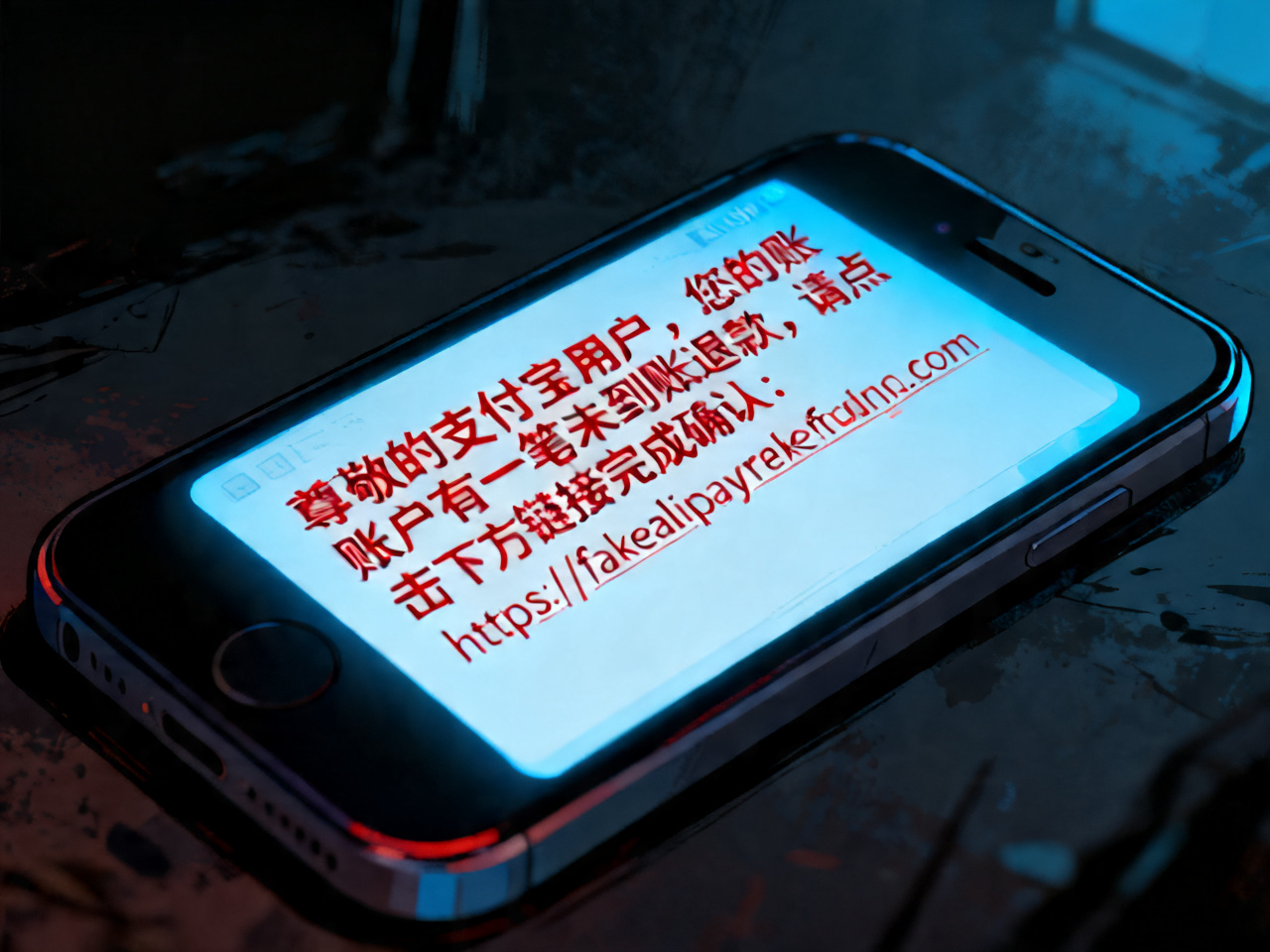
怎么操作的:你在某平台消费后,收到短信说"您的订单异常,请点击链接办理退款"。链接指向一个高仿的支付宝/微信页面,要求你输入密码或验证码。
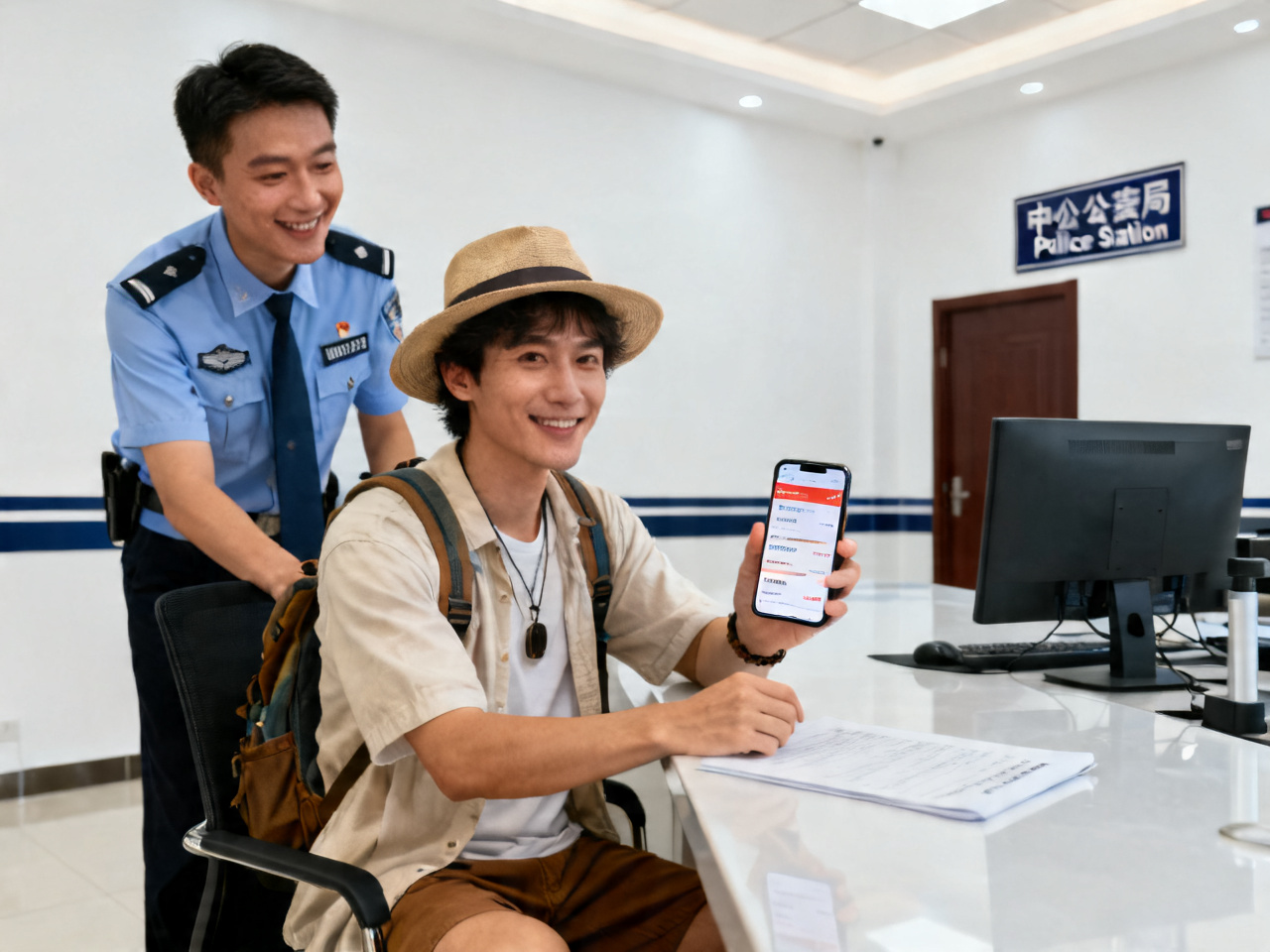
How it works: after a purchase on some platform, you receive an SMS saying "your order has an issue, click this link to process a refund." The link leads to a convincing fake Alipay/WeChat page asking for your password or verification code.
一位在北京留学的德国学生告诉我:她在淘宝买了个手机壳,第二天收到"退款"短信,差点就输了支付密码。后来发现那个链接的域名是"alipay-refund.cc"——真正的支付宝域名是alipay.com。
A German student studying in Beijing told me: she bought a phone case on Taobao, and the next day received a "refund" SMS. She almost entered her payment password before noticing the link domain was "alipay-refund.cc" — the real Alipay domain is alipay.com.
防御方法:支付宝和微信的退款都在APP内完成,绝不会通过短信链接操作。收到任何要求点击链接输入支付信息的短信,直接删除。
Defense: Alipay and WeChat process all refunds within the app — never through SMS links. Delete any text asking you to click a link and enter payment info.
骗局六:商家多收款 / Scam #6: Merchant Overcharging
怎么操作的:这个最隐蔽。你在小店买东西,商家说"50块",你扫码付款,但实际扣了500。因为你可能没仔细看确认页面上的金额,或者商家在你扫码后迅速修改了金额。
How it works: this one's the most subtle. You buy something at a small shop, the merchant says "50 yuan," you scan to pay, but ¥500 gets deducted. Either you didn't check the confirmation screen carefully, or the merchant changed the amount after you scanned.
防御方法:每次扫码支付前,确认屏幕上显示的金额。养成习惯:扫码→看金额→确认。三步,缺一不可。付完后立刻检查交易记录。
Defense: confirm the amount on screen before every payment. Build the habit: scan → check amount → confirm. Three steps, no shortcuts. Check your transaction history immediately after paying.
万一中招了怎么办? / What If You've Been Scammed?
不要慌,按这个顺序操作:
Don't panic. Follow this sequence:
- 立刻冻结支付账户:微信支付→我→服务→钱包→安全保障→冻结账户。支付宝→我的→设置→安全设置→紧急冻结。
- Immediately freeze your payment account: WeChat Pay → Me → Services → Wallet → Security → Freeze Account. Alipay → Me → Settings → Security → Emergency Freeze.
- 联系银行挂失绑定的卡:打你发卡行的国际客服电话,报告可疑交易。
- Contact your bank to report the bound card: call your issuing bank's international hotline and flag the suspicious transaction.
- 报警:拨打110或去最近的派出所。带上交易截图、对方收款账号信息。外国人报案可以要求英语翻译服务。
- Call the police: dial 110 or visit the nearest police station. Bring transaction screenshots and the recipient's account info. Foreign nationals can request English interpretation.
- 在支付平台内投诉:微信和支付宝都有"交易投诉"入口,提交后平台会介入调查,有一定概率追回资金。
- File a complaint within the payment platform: both WeChat and Alipay have "transaction complaint" portals. The platform will investigate, and there's a reasonable chance of recovering funds.
最后一句话 / One Last Thing
中国的移动支付确实是全世界最方便的——这一点毫无争议。但方便和安全之间永远存在张力。你不需要变得多疑,只需要建立几个简单的习惯:不扫陌生人的码、付款前看金额、用移动数据不用公共WiFi。这三条记住了,基本上就能避开99%的坑。
China's mobile payment system is genuinely the most convenient in the world — no argument there. But convenience and security always exist in tension. You don't need to become paranoid; just build a few simple habits: don't scan strangers' codes, check the amount before confirming, use mobile data instead of public WiFi. Remember these three, and you'll dodge 99% of the traps.
延伸阅读 / Related Reads

- 文创好物推荐:故宫文创到地方博物馆 | Creative Souvenirs: Palace Museum to Local Museums
- 山城重庆那条上坡路,教我别低估城市地形 | My First Chongqing Hill Road Taught Me Not to Underestimate City Terrain
- 火锅点单避坑指南:第一次吃别踩这些雷 | Hot Pot Ordering Survival Guide: Avoid These Mistakes on Your First Visit
- 我怎么把自己练成一个“半个中国人”:从排队、问路到饭桌节奏的融入笔记 | How I Trained Myself into a Half-Local in China: Notes on Queues, Directions, and Table Rhythm
- 中国茶道体验指南:从功夫茶到茶山 | Chinese Tea Culture: From Gongfu Tea to Tea Plantations
- 上海外滩与弄堂文化探索 | Shanghai: The Bund & Longtang Culture
- 在社区修理铺门口等十分钟,我才明白中国人为什么总说“先看看能不能修” | Waiting Ten Minutes Outside a Neighborhood Repair Shop, I Finally Understood Why People in China Always Say, “Let’s See If It Can Be Fixed First”
- 在大同的风里看石窟与城墙 | Reading Grottoes and City Walls in Datong's Wind
- 第一次在中国小区门口等人,我学会站在门侧别贴着门禁 | The First Time I Waited Outside a Chinese Compound Gate, I Learned to Stand to the Side Instead of Pressing Up Against the Access Door
- 把天气留在行程里:秋天去喀纳斯的公路节奏 | Leave Weather in the Itinerary: An Autumn Road Rhythm for Kanas
Comments (0)