
中国的户籍制度到底是怎么回事? | What Exactly Is China's Hukou System?
中国的户籍制度到底是怎么回事?| What Exactly Is China's Hukou System?
想象一下这个场景:你在上海认识了一个朋友,聊天时她提到自己是"新上海人",虽然已经在这座城市生活了十五年,买了房、交了税、孩子也在本地上学,但她的户口依然在一千公里外的安徽老家。你可能会觉得困惑——住了十五年还不算本地人?这在很多国家是难以想象的事情。但在中国,这就是户籍制度带来的现实。
Picture this: you're chatting with a friend in Shanghai, and she mentions she's a "new Shanghainese" — even though she's lived there for fifteen years, owns an apartment, pays local taxes, and her kid goes to school nearby. Her hukou, though, is still registered in Anhui province, a thousand kilometers away. You'd probably find that baffling. Fifteen years and still not considered a local? In many countries that's unthinkable. But in China, that's the reality shaped by the hukou system.
户口到底是什么?/ What Is Hukou, Really?
你可以把户口理解成一种"出生地绑定的内部身份登记"。每个中国公民出生时,都会被登记在父母所在地的户籍系统里,分为"农业户口"和"非农业户口"两大类(虽然近年来很多省份已经取消了这种分类,统一称为"居民户口")。这本小小的户口簿,决定了一个人能在哪里享受公共服务——从教育、医疗到社会保障,甚至购房资格和车牌摇号。它不像护照那样是旅行证件,更像是一把打开特定城市公共资源大门的钥匙。全中国十四亿人,每个人的生活都或多或少被这本薄薄的小册子所影响。
Think of hukou as a birth-place-bound internal residency registration. When a Chinese citizen is born, they're registered under their parents' local hukou — historically classified as either "agricultural" or "non-agricultural" (though many provinces have merged these into a single "resident" category in recent years). That little household registration booklet determines where a person can access public services: education, healthcare, social security, even the right to buy property. It's not a travel document like a passport. It's more like a key that unlocks public resources in one specific city.
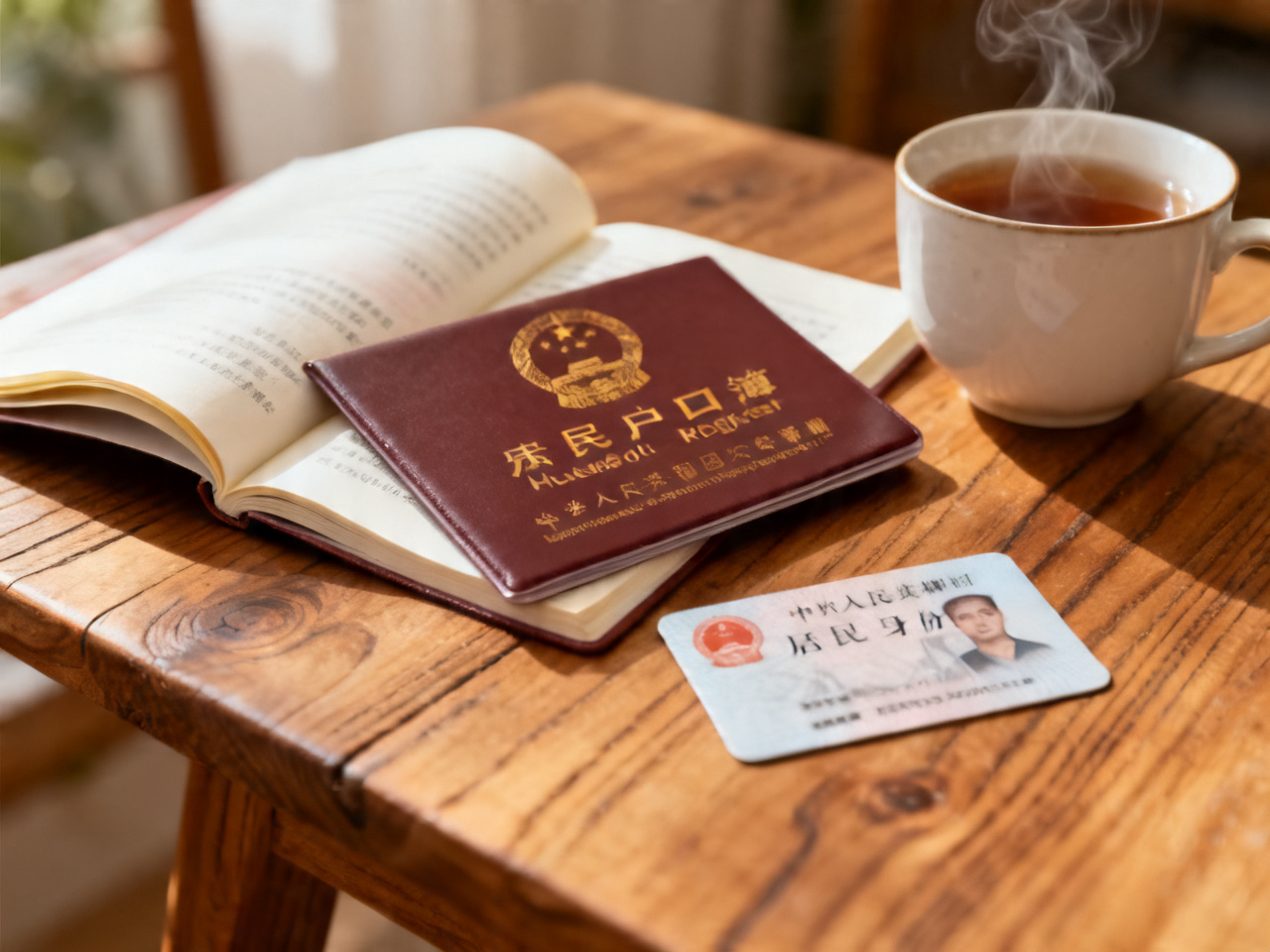
误解一:户口限制了中国人的自由迁徙?/ Myth 1: Hukou Restricts Freedom of Movement?
这是外国朋友最常见的误解。事实上,中国人可以自由地去任何城市生活和工作,没有人会在火车站查你的户口然后把你拦下来。你完全可以从贵州搬到北京,租房、找工作、逛故宫,一切畅通无阻。真正的限制不在于"能不能去",而在于"去了之后能不能享受同等待遇"。一个持有河南户口的人在深圳工作,可能需要额外的手续才能让孩子在深圳参加高考,或者在申请经济适用房时被排在本地户口持有者后面。举个更具体的例子:在北京,如果你没有北京户口,你的孩子可以在北京读小学和初中,但到了高中阶段,很可能需要回到户籍所在地去参加高考。这意味着一个在北京长大的孩子,可能要回到一个完全陌生的省份去面对人生中最重要的考试。这种割裂感,是户籍制度最让普通家庭头疼的地方。
This is the most common misconception among foreigners. The truth is, Chinese citizens can freely live and work in any city they choose. Nobody checks your hukou at the train station and turns you away. You can absolutely move from Guizhou to Beijing — rent an apartment, land a job, visit the Forbidden City, no problem. The real restriction isn't about whether you can go, but whether you get equal treatment once you're there. Someone with a Henan hukou working in Shenzhen might face extra paperwork to enroll their child in the local gaokao (college entrance exam), or find themselves behind local hukou holders when applying for subsidized housing. Here's a sharper example: in Beijing, a child without Beijing hukou can attend local primary and middle school, but when high school comes around, they'll likely have to return to their hukou province to sit the gaokao. Imagine growing up in Beijing your whole life, then having to take the most important exam of your life in a province you barely know. That disconnect is what makes the hukou system most painful for ordinary families.
误解二:户口制度是一成不变的?/ Myth 2: The Hukou System Never Changes?
很多人以为户籍制度从1958年建立以来就一直铁板一块,其实变化比你想象的大得多。拿成都来说,2020年以后基本实现了"零门槛"落户——只要你在成都有合法稳定的住所,就可以把户口迁过来。这在十年前是不可想象的。再看看上海,2024年推出了针对特定高校毕业生的直接落户政策,复旦、上海交大等名校的应届本科毕业生可以直接拿到上海户口。而北京,作为全国最难落户的城市,每年通过积分落户获得北京户口的人数也在逐年增加。整个趋势是:大城市在逐步放宽,中小城市几乎已经完全放开。
Many people assume the hukou system has been set in stone since its establishment in 1958. In reality, it's changed far more than you'd expect. Take Chengdu: after 2020, the city essentially adopted a "zero-barrier" hukou transfer policy — if you have a stable legal residence there, you can move your hukou over. That would've been unimaginable a decade ago. Then there's Shanghai, which in 2024 rolled out a direct hukou policy for graduates of select top universities — fresh bachelor's grads from Fudan or Shanghai Jiao Tong can get Shanghai hukou straight away. Even Beijing, the hardest city in the country to get hukou in, has been gradually increasing the number of people who obtain residency through its points-based system each year. The overall trend is clear: big cities are loosening up, and small-to-medium cities have essentially opened the gates entirely.
一个让你意想不到的事实 / A Fact That Might Surprise You
这里有一个反直觉的现象:在某些情况下,农村户口反而比城市户口更"值钱"。为什么?因为农村户口通常绑定着宅基地和承包地。随着中国城镇化的推进和土地价值的上升,一些城市近郊的农村户口持有者坐拥的土地权益可能价值数百万元。深圳周边的一些原住村民,因为集体土地被开发,获得了巨额补偿。所以你会看到一个奇特的现象:有些人宁愿保留农村户口,也不愿意转成城市户口。这和大多数人"农村人都想进城"的刻板印象完全相反。
Here's something counterintuitive: in certain cases, a rural hukou is actually more valuable than an urban one. Why? Because rural hukou is typically tied to homestead land and contracted farmland. As urbanization pushes outward and land values soar, rural hukou holders on the outskirts of major cities can find themselves sitting on land rights worth millions of yuan. Some indigenous villagers near Shenzhen received enormous compensation when their collective land was developed. So you get this curious phenomenon: people actively choosing to keep their rural hukou rather than convert to urban. That flies in the face of the stereotype that "everyone in the countryside wants to move to the city."

户口和你有什么关系?/ How Does This Affect You as a Visitor?
作为外国游客或者在中国短期生活的人,户口制度不会直接影响你的日常体验。你不需要办户口,也不会因为没有户口而被拒绝服务。但理解这个制度,会帮助你读懂很多中国社会的深层逻辑。比如,为什么春运期间会有几十亿人次的大迁徙——因为无数人的户口(也就是"老家")和工作地点不在同一个地方,过年回家就成了一年中最重要的旅程。再比如,你可能会注意到中国人聊天时经常问"你是哪里人",这个问题问的往往不是你现在住哪儿,而是你的户口在哪儿、你的根在哪儿。
As a foreign visitor or short-term resident in China, the hukou system won't directly affect your daily experience. You don't need one, and you won't be denied service for not having one. But understanding it helps you decode a lot of deeper social dynamics. For instance, why does the Spring Festival travel rush — chunyun — involve billions of passenger trips? Because countless people's hukou (and therefore their "hometown") is in a different place from where they work, making the New Year journey home the most important trip of the year. Or you might notice that Chinese people often ask "where are you from?" — and they're usually not asking where you live now, but where your hukou is, where your roots are.
理解户口,你就拿到了理解当代中国社会的一把重要钥匙。下次当你的中国朋友提到"我老家是……"的时候,你就会明白,这句话背后承载的不仅仅是地理信息,还有一整套关于身份、归属和资源分配的复杂故事。而当你在中国旅行时,留意一下那些城市里操着不同口音的人们,想想他们可能来自千里之外的某个小镇,户口本上写着另一个省份的名字,却在这座城市里努力扎根、建设生活。这种流动与扎根之间的张力,正是当代中国最生动的社会图景之一。
Understanding hukou hands you an important key to contemporary Chinese society. Next time a Chinese friend says "my hometown is…", you'll know that behind those simple words lies a complex story about identity, belonging, and how resources are distributed across the world's most populous nation.
延伸阅读 / Related Reads
- 中国高铁出行完全指南 | Complete Guide to China's High-Speed Rail
- 来华游客必备清单:证件/通讯/支付一站搞定 | Essential Checklist for Visitors to China
- 中国高铁乘车全攻略(境外游客版) | Complete HSR Guide for Foreign Tourists
- 中国景区门票预约与排队技巧 | Booking Tickets and Beating Queues at Chinese Attractions
- 华东五城10日经典环线 | 10-Day East China Five-City Loop
- 来华支付第一课:现金、银行卡、移动支付怎么搭配 | Payment Setup for China: Cash, Cards, and Mobile Wallets
- 把中国拍成高铁大线以后,最值钱的内容其实藏在换乘和转场里 | Once China Becomes a High-Speed Rail Arc on Camera, the Real Value Hides in Transfers and Transitions
- 我把证件照片存进手机后,排队时少慌了很多 | Saving ID Photos on My Phone Made Queues Less Stressful
- 中国高铁网络全解:线路图与购票技巧 | China High-Speed Rail: Network Map & Booking Tips
- 中国旅游医疗与保险指南 | Medical & Insurance Guide for China Travel
- 重庆不需要滤镜:一座让赛博朋克自惭形秽的城市 | Chongqing Needs No Filter: A City That Makes Cyberpunk Feel Inadequate
- 端午龙舟节旅游攻略 | Dragon Boat Festival Travel Guide
- 中山装与唐装:男士传统服饰怎么穿 | Zhongshan Suit & Tang Suit: Men's Traditional Wear
- 从零下20度到四季如春:中国南北气候差有多离谱 | Minus 20 to Eternal Spring — China's North-South Climate Gap Is Wild
- 烤鸭不只是一道菜,它是北京给世界的一封信 | More Than a Dish: Peking Duck as Beijing's Letter to the World
Comments (0)