
我在中国学会用地理去理解历史,而不是只背名字 | In China I Learned to Use Geography to Understand History Instead of Memorizing Names
我在中国学会用地理去理解历史,而不是只背名字 | In China I Learned to Use Geography to Understand History Instead of Memorizing Names
我来自法国,学生时代很喜欢历史,但来到中国后,我才意识到自己以前的学习方式有多“平面”。我能记住朝代名称、战争年份、帝王顺序,可一旦站在中国真实的土地上,这些知识常常像悬在空中的标签。直到我开始把地图、地形、河流、城门、山口和交通路线一起看,中国历史才第一次真正变成立体的。对一个外国旅行者来说,这种转变不只是知识升级,它还会影响你如何规划路线、判断城市关系,甚至理解为什么今天的生活方式会长成现在这样。
I am from France, and I loved history when I was a student. But after coming to China, I realized how flat my earlier learning had been. I could remember dynasty names, war dates, and imperial successions, yet once I stood on real Chinese ground, that knowledge often felt like labels floating in the air. Only when I began to look at maps, terrain, rivers, city gates, mountain passes, and transport routes together did Chinese history become truly three-dimensional for me. For a foreign traveler, this shift is not only an upgrade in knowledge. It also affects how you plan routes, judge relationships between cities, and even understand why present-day life looks the way it does.
第一次给我这种冲击的是西安。我去兵马俑之前,本来只是把它当成一个“重要景点”。但后来在城市里走、看城墙、看渭河平原和周边地势时,我开始理解,为什么这里在古代会如此关键。原来很多历史选择,不是抽象地发生在宫廷里,而是建立在地理条件、农耕支持、交通走廊和防御需求之上。那一刻我才明白,如果一个外国人只在博物馆里看文物说明,而不把它放回真实地理环境里,他其实只理解了一半。
The first place that gave me this shock was Xi’an. Before visiting the Terracotta Army, I simply treated it as an “important attraction.” But once I walked through the city, looked at the city wall, and considered the Guanzhong Plain and the surrounding terrain, I began to understand why this area mattered so deeply in ancient times. Many historical decisions did not happen only as abstract choices in court. They were built on geography, agricultural support, transport corridors, and defensive needs. That was the moment I understood that if a foreign traveler only reads artifact labels in a museum without placing them back into real geography, they understand only half the story.
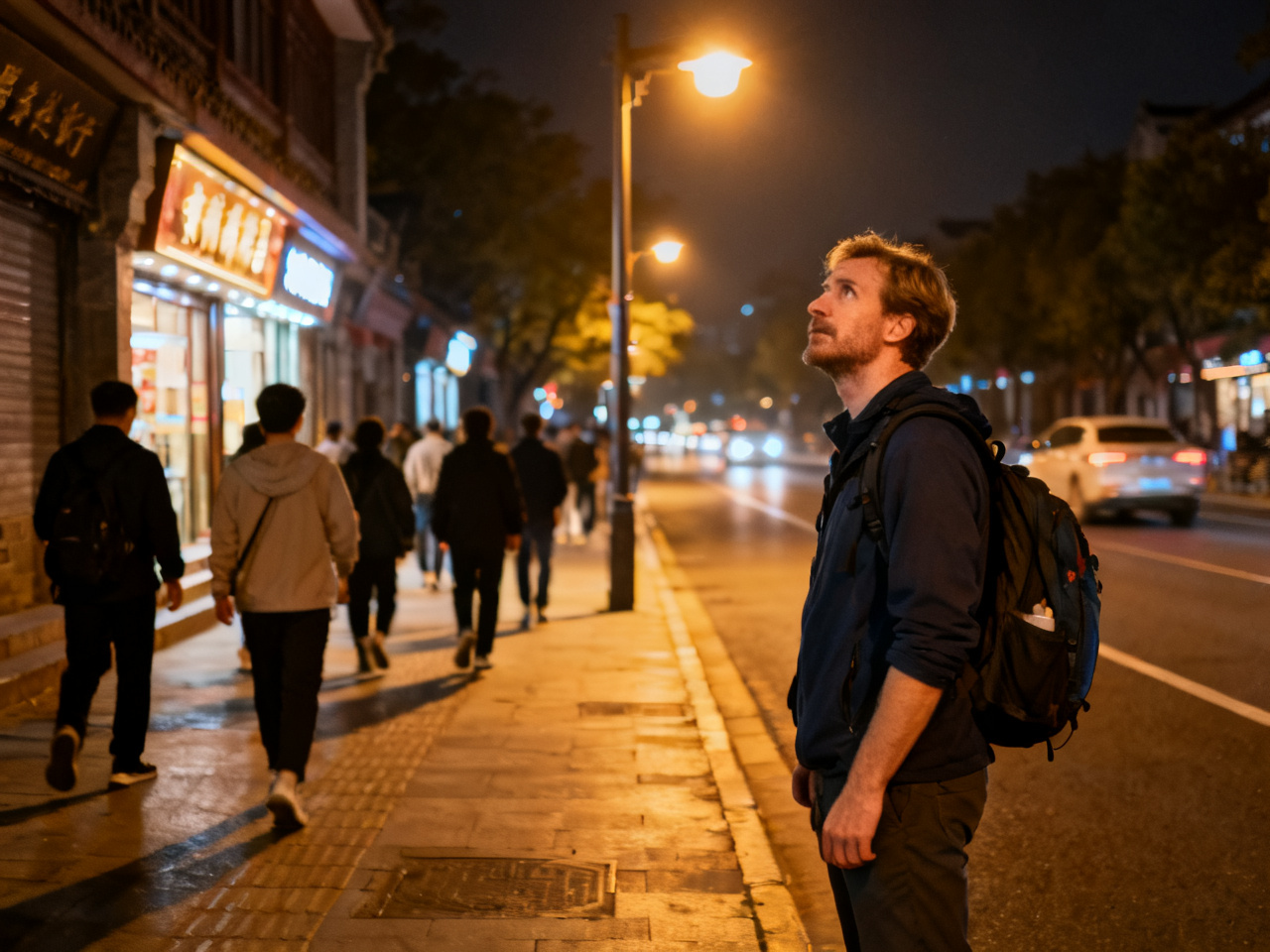
后来我去洛阳和开封,也有类似体验。以前我会问:“这个朝代发生了什么?”后来我开始问:“为什么会在这里发生?”一旦问题变了,旅行的观察方式也变了。我会去注意河道位置,注意平原和山地的关系,注意一座城今天的铁路和高速公路是不是仍然沿着某种古老通道延伸。中国的历史并不是一堆孤立的事件,而是一张和空间紧密绑定的网。你越能看懂这张网,走在城市里就越不觉得自己只是一个拍照游客。
Later, when I went to Luoyang and Kaifeng, I had similar experiences. I used to ask, “What happened during this dynasty?” Later, I started asking, “Why did it happen here?” Once the question changed, my way of observing travel changed as well. I began noticing river positions, the relationship between plains and mountains, and whether today’s railways and expressways still follow older transport corridors. Chinese history is not a pile of isolated events. It is a network tightly bound to space. The more you can read that network, the less you feel like a tourist who only takes photos.
这种地理化理解还提高了我的安全感和路线判断能力。比如在西北旅行时,我会更敏感地意识到城市之间为什么有明显的距离感,为什么某些补给节点特别重要;在江南旅行时,我会更能理解水网如何塑造步行节奏、商业聚集和天气变化下的移动方式。知识并没有停留在书本里,而是直接进入我的身体经验。一个人理解了地理,就更容易理解“该慢的地方为什么要慢”“该早出发的地方为什么要早”。
This geographic way of understanding also improved my sense of safety and my route judgment. In the northwest, for example, I became more sensitive to why distances between cities feel so significant and why certain supply nodes matter so much. In Jiangnan, I became better at understanding how water networks shape walking rhythm, commercial concentration, and movement patterns under changing weather. Knowledge no longer stayed in books. It entered my bodily experience directly. Once a person understands geography, it becomes easier to understand why some places require slower pacing and why some routes require an earlier start.
我在山西的一次经历尤其能说明这一点。去平遥之前,我本来只把它当成“古城”。但坐车接近时,我开始留意周边地势和道路组织,明白它并不是凭空保存下来的“复古空间”,而是曾经真实嵌在交通和防御逻辑里的节点。到了城里之后,我走路的方式也变了。我不再只是找最红的拍照点,而是试着看城门方向、街道结构和商号分布。忽然之间,历史不再是背景板,而像一张能被行走读出来的图。
One experience in Shanxi shows this especially well. Before going to Pingyao, I thought of it simply as an “ancient town.” But as the vehicle approached, I began paying attention to the surrounding terrain and road organization. I realized it was not a nostalgic space preserved in isolation. It had once been a real node embedded in transport and defensive logic. After entering the town, the way I walked changed too. I no longer searched only for the most famous photo spots. I tried to read gate directions, street structure, and the distribution of merchant houses. Suddenly, history was no longer a backdrop. It felt like a map that could be read through walking.
这种方式也帮助我避免了一种常见误区:把中国理解成“很大、很古老、很多故事”,但这些词都太空泛了。真正有帮助的是具体化。哪条河、哪片平原、哪道关口、哪段山路,如何影响了人的选择?这种具体化会让你和本地人的聊天更有内容,也会让你在参观遗址、博物馆、古街时少一些表面感,多一些判断力。你甚至会更尊重一些看似普通的地形细节,因为你知道它们可能塑造了几百年的城市命运。
This method also helped me avoid a common mistake: treating China as merely “huge, ancient, and full of stories.” Those words are too vague. What actually helps is specificity. Which river, which plain, which pass, which mountain road shaped people’s choices? This specificity gives more substance to conversations with locals and adds judgment to visits at ruins, museums, and old streets. You even begin to respect ordinary-looking terrain details more, because you understand that they may have shaped a city’s destiny for centuries.
如果有外国朋友问我,怎样更好地理解中国历史,我会建议从下面几个动作开始。
If foreign friends ask me how to understand Chinese history better, I suggest starting with the following actions.
- 去景点前先看地图,不只看门票页面。
- Before visiting a site, study a map, not just the ticket page.
- 问自己“为什么在这里”,而不只问“这里发生了什么”。
- Ask yourself “Why here?” not only “What happened here?”
- 把地形、河流、交通和城市发展一起看,历史会更容易记住。
- Look at terrain, rivers, transport, and urban development together; history becomes easier to remember.
- 走在古城或遗址里时,观察方向感和空间关系,而不只是打卡点。
- When walking through an old city or historical site, observe direction and spatial relations, not only landmarks for photos.
- 理解地理之后,很多旅行判断和安全节奏也会随之改善。
- Once you understand geography, many travel judgments and safety rhythms improve as well.
我后来会反复参考 中国地理与旅行理解、古都空间结构观察 和 历史城市的路线判断 这些文章,因为它们不断提醒我:一个人在中国看见的,不该只是著名名字本身,而应该是名字背后的地理逻辑。只有这样,历史才会从书页里走出来,真正和脚下的路连在一起。
I often return to articles such as understanding China through geography and travel, observing the spatial structure of ancient capitals, and route judgment in historical cities, because they keep reminding me that what a person should see in China is not only the famous name itself, but the geographic logic behind that name. Only then does history step off the page and truly connect with the road under your feet.
- 在中国保持联网 | Staying Connected in China
- 我们在西塘的雨夜里分着一把伞走散又重逢,那一晚比酒吧更像青春 | Sharing One Umbrella in Xitang Rain, We Got Lost and Found Again in a Night That Felt More Like Youth Than Any Bar
- 中国景区门票预约与排队技巧 | Booking Tickets and Beating Queues at Chinese Attractions
- 陶艺课上的半天:我第一次知道一团泥为什么也有“火后的性格” | Half a Day in a Pottery Workshop: The First Time I Learned That Clay Has a Personality After Fire
- 南京五月的雨把我们一家三口困在城墙边,却顺手送来了一顿最好吃的鸭血粉丝汤 | A May Rain by Nanjing's City Wall Stranded Our Family of Three and Delivered the Best Bowl of Duck Blood Soup Instead
- 从零下20度到四季如春:中国南北气候差有多离谱 | Minus 20 to Eternal Spring — China's North-South Climate Gap Is Wild
- 成都茶馆里的一下午,比三个景点更让我记住这座城 | An Afternoon in a Chengdu Teahouse Stayed With Me More Than Three Attractions
- 丝绸之路探险之旅 | The Silk Road Adventure
- 英歌舞:潮汕街头的战鼓与脸谱 | Yingge Dance: War Drums and Painted Faces on Chaoshan Streets
- 五月在宁波老外滩遇到雨,我一个人看着江面发亮,忽然觉得赶路也值得被原谅 | Rain at Ningbo's Old Bund in May Made Me Feel Even a Hurried Life Deserved Forgiveness
Comments (0)