
我在公寓快递架前学会的第一课,是别把自己的方便放在别人通道中间 | The First Lesson I Learned at My Apartment Delivery Shelf Was Not to Put My Convenience in Other People’s Way
我在公寓快递架前学会的第一课,是别把自己的方便放在别人通道中间 | The First Lesson I Learned at My Apartment Delivery Shelf Was Not to Put My Convenience in Other People’s Way
我刚住进上海一栋青年公寓时,以为取快递只是一天里最机械的一件小事。手机跳出“您的包裹已送达”通知,我下楼,报一下尾号,拿走盒子,再回房间拆开,整个过程应该像按电梯一样简单。可住了没几天,我就发现,公寓一楼的快递架其实是个很能看出城市生活默契的地方。大厅不大,进门右手边是前台,左边是几排金属快递架,最里面还有一个冰柜给生鲜包裹暂存。地砖被雨天带进来的鞋印磨得有点发灰,玻璃门一开一合,总把外面的车声和初夏的热气一起卷进来。晚上七点以后,这里尤其忙,外卖员、快递员、下班回来的住户和准备出门遛狗的人,全都在这个狭窄入口短暂交会。也正是在这里,我第一次意识到,取快递这件事不只是“拿自己的东西”,而是一场关于别挡路、别添乱、别让别人多绕一步的小型公共合作。
When I first moved into a youth apartment building in Shanghai, I thought picking up deliveries would be the most mechanical part of the day. My phone would show a notification that a package had arrived, I would go downstairs, give the last digits of my number, take the box, and return to my room to open it. The whole process seemed like it should be as simple as pressing an elevator button. But within a few days, I realized the delivery shelf on the first floor was actually one of the best places to observe urban social coordination. The lobby was not large. The reception desk stood to the right of the entrance, several rows of metal package shelves to the left, and a refrigerator in the back held fresh deliveries for temporary storage. On rainy days, shoe marks dulled the floor tiles into a gray haze. Every time the glass door opened, it pulled in traffic noise and humid early-summer air from outside. After seven in the evening, the space became especially busy, with delivery riders, couriers, residents returning from work, and people heading out to walk their dogs all crossing paths in that narrow entrance. It was there that I first understood something simple: picking up a parcel is not only about taking your own stuff. It is a small public collaboration built around not blocking, not creating mess, and not forcing others to take extra steps.
我第一次意识到自己“站错了地方”,是在一个工作日晚上。我下楼拿一个不大的纸箱,扫码后顺手就把箱子放在快递架旁边开始拆。因为房间里没剪刀,我想看看里面是不是我急着用的充电线,如果是,就直接拿上楼。那时我完全没觉得自己有问题。可不到半分钟,后面已经有人拖着行李箱进门,另一个人抱着两袋菜在等我让路,外卖员还要侧着身从我和纸箱之间挤过去。前台阿姨没有批评我,只说了一句很轻的话:“先拿开,后面的人要过。”我那一瞬间脸有点热,赶紧把箱子抱起来。这不是谁故意凶我,而是我突然看明白了:在这种共享入口,哪怕我只占了两分钟,也可能把别人的路线切断。
The first time I realized I was standing in the wrong place happened on a weekday evening. I went downstairs to collect a small cardboard parcel. After scanning the code, I casually set the box down beside the shelf and started opening it. I did not have scissors in my room, and I wanted to check whether it contained the charging cable I needed urgently. If it did, I would just take it upstairs immediately. At that moment, I genuinely did not think I was doing anything wrong. But within less than half a minute, someone was already dragging a suitcase through the entrance, another person was waiting with two grocery bags for me to move, and a delivery rider had to turn sideways to squeeze between me and my box. The woman at the reception desk did not scold me. She simply said in a light voice, “Move it first. People need to pass.” My face felt warm immediately, and I picked up the box at once. No one had been harsh. I had simply seen, all at once, that in a shared entrance, even occupying space for two minutes can cut off other people’s route.
后来我开始认真观察这个区域,才发现这里有很多默认礼貌,并不写在墙上,却人人都在配合。快递架前最忌讳的,不是拿得慢,而是站着不动还占着正中间。真正熟悉这里的人,动作通常都很短:进门、看手机尾号、扫一眼架子、取走、立刻转身离开。如果包裹多,他们会先抱到旁边靠墙的位置,再整理;如果箱子太大,他们会直接拖到门外空一点的地方拆;如果看到别人正在弯腰找件,后面的人多半会侧开,不贴得太近,也不会一边催一边探头。这里最宝贵的不是效率有多惊人,而是大家都在尽量把自己的停留压缩成不妨碍别人的形状。
After that, I started paying close attention to the area and noticed a whole set of default courtesies that were never written on the wall but were clearly being followed by everyone. The biggest mistake at the delivery shelf is not being slow. It is standing still while occupying the middle. People familiar with the place usually move in short, efficient sequences: enter, check the last digits on their phone, scan the shelves, take the package, and turn away immediately. If they have several parcels, they first carry them to a spot against the wall before reorganizing. If a box is too big, they drag it outside to a more open area before opening it. If someone is bent over searching for an item, the person behind usually shifts aside instead of standing too close, and they do not lean forward while urging them to hurry. What matters most is not some astonishing level of speed. It is that everyone tries to shape their own pause into something that interferes as little as possible with others.
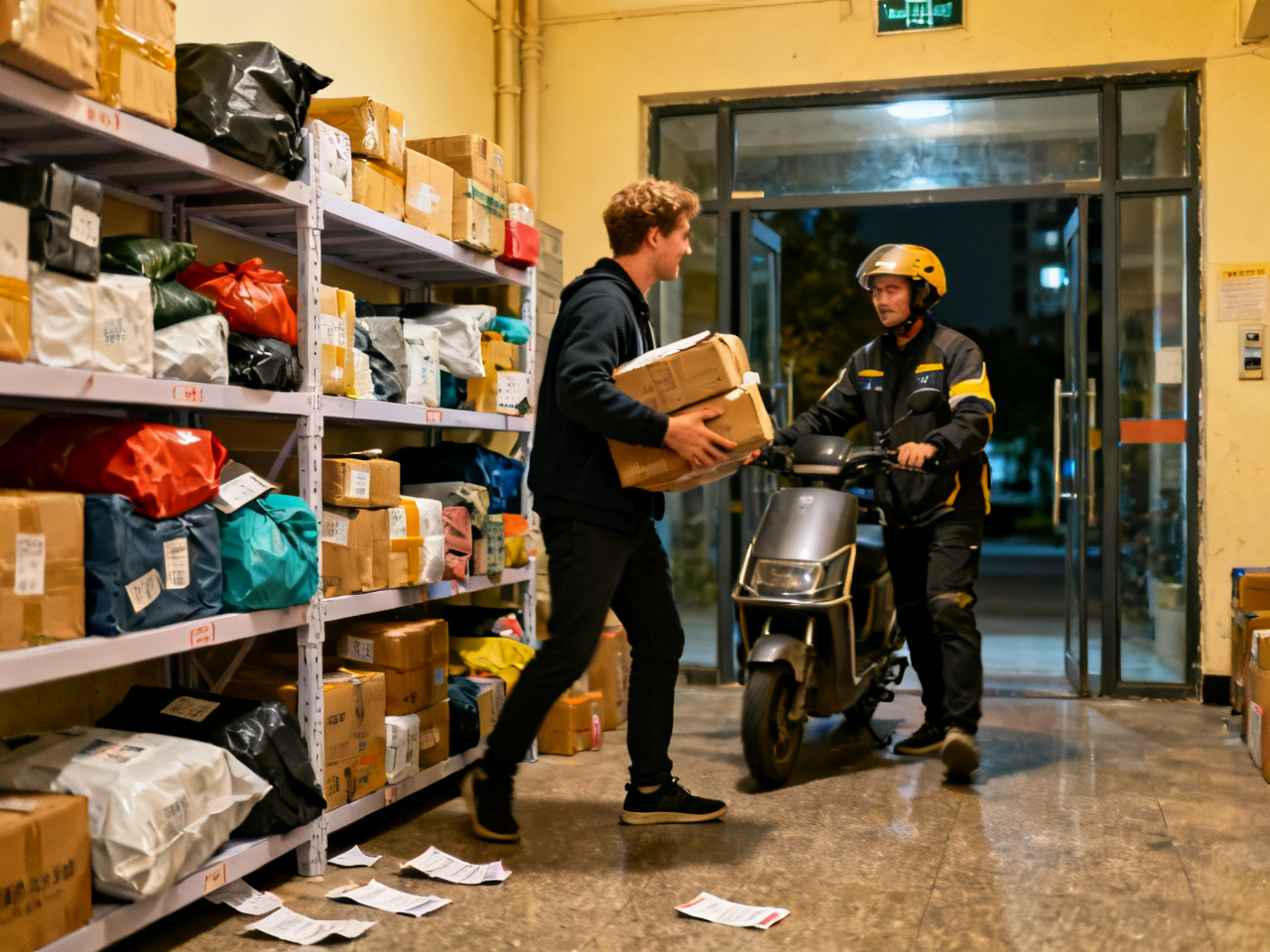
我也慢慢明白,公寓快递架和普通超市货架不一样,因为这里装的不只是东西,还有时间差。有的人刚下班,肩膀上还背着电脑包,只想尽快拿了东西上楼做饭;有的人马上要出门,手里已经拿着雨伞和钥匙;有的人在等冷链包裹,心里着急,怕化掉;还有快递员要在最短时间里放完几十件,继续赶下一栋楼。所以“不要挡别人”在这里不是一句抽象道德,而是非常具体的体谅:别把电动车头盔放在架子最前面,别蹲着核对半天订单截图,别把拆下来的胶带和塑料袋留在原地,别明知道后面排了人还慢慢整理收货地址。每一个小动作,都在决定这块小地方是顺还是堵。
I gradually understood that an apartment delivery shelf is not like an ordinary store shelf, because what it holds is not just objects but different people’s timing. Some residents have just gotten off work, still carrying laptop bags, and only want to grab their parcels and go upstairs to cook. Some are on their way out and already have an umbrella and keys in hand. Some are waiting anxiously for chilled food and do not want it to warm up. Couriers need to drop off dozens of packages quickly and head to the next building. So “do not block others” is not an abstract moral slogan here. It is a very concrete form of consideration: do not leave your scooter helmet in front of the shelves, do not squat there for ages checking screenshots of tracking numbers, do not leave torn tape and plastic wrapping behind, and do not slowly reorganize your delivery details when people are obviously waiting behind you. Each small action helps determine whether this tiny space flows or clogs.
有一次我看见一个住户一下子拿了五六个包裹,都是网购补货,箱子高高叠在手里。他没有立刻站在原地分辨哪个是洗衣液,哪个是厨房纸,而是先把整摞抱到大厅角落那张长椅边,给通道腾出来,再一个个核对。另一次,一个女生拆开快递后发现里面是玻璃杯,她怕拿不稳,就站到门外台阶边重新整理泡沫纸,没有把整地弄得到处是碎屑。还有前台阿姨偶尔会提醒刚搬来的新住户:“先拿走再看,不然别人不好过。”这些场景都很小,小到如果你走得快一点就会错过。但我越来越觉得,一座城市好不好住,常常就藏在这种没有人专门表扬、也没谁特别抱怨的小秩序里。
Once I saw a resident collect five or six packages at once, all online restocks, with boxes stacked high in their arms. Instead of standing there sorting out which one held detergent and which one held kitchen paper, they carried the whole pile to the bench in the corner of the lobby first, clearing the passage before checking each item. Another time, a young woman opened a parcel and found glass cups inside. Worried she might drop them, she moved to the steps outside and reorganized the foam wrapping there instead of scattering debris across the floor. The receptionist also occasionally reminded newly moved-in residents, “Take it away first, then check it. Otherwise it’s hard for others to get through.” These scenes are tiny, small enough to miss if you walk past quickly. But I have increasingly felt that whether a city is pleasant to live in is often hidden in precisely this kind of small order that nobody especially praises and nobody loudly complains about.
对外国人来说,这种地方还有一个特别容易犯的误区:以为没有人明确制止,就说明怎么做都行。可在中国很多共享生活空间里,真正起作用的往往不是强硬管理,而是大家对“别给下一个人添麻烦”的敏感度。公寓快递架尤其明显。你把箱子靠在出口,可能堵住的是抱孩子的人;你站在最亮的地方拆快递,影响的可能是后面要看号码的老人;你把不要的包装纸塞进已经满出来的垃圾桶,最后收拾的人也许是夜里值班的保洁阿姨。这些联系平时不一定会被说透,但它们一直存在。
For foreigners, there is also an easy misunderstanding in places like this: assuming that if no one explicitly stops you, then anything is acceptable. But in many shared living spaces in China, what really keeps things working is not strict enforcement but a sensitivity to not making the next person’s task harder. The apartment delivery shelf makes this especially visible. If you lean your box against the exit, the person you block might be someone carrying a child. If you stand in the best-lit spot opening your package, you may be preventing an older resident behind you from reading the shelf numbers. If you stuff unwanted wrapping into an already overflowing trash can, the person who eventually deals with it may be the night-shift cleaner. These connections are not always explained out loud, but they are always there.
我后来给自己定了几个很简单的规则:先拿,再走开,再核对;要拆,也尽量去不挡路的地方拆;多件包裹先搬到边上,不在架子正前方数来数去;看到快递员正在集中放件,自己就别贴着他身后找,等十秒反而更快。奇怪的是,这些动作一旦养成习惯,并不会让我觉得麻烦,反而让整个取件过程更顺。因为我不用反复被别人绕开,也不会在忙乱中丢掉单号截图。最重要的是,我慢慢从那个只想着“我的快递到了”的人,变成了会顺手看看“我现在是不是挡住别人了”的人。这个变化很小,却让我觉得自己真正开始进入这里的共同生活。
Later I made a few very simple rules for myself: take the parcel first, step away second, check it third; if I need to open it, do that somewhere that does not block passage; if I have multiple packages, move them to the side before counting; if a courier is in the middle of unloading many items, do not press in right behind him to search, because waiting ten seconds is often faster in the end. Strangely, once these habits formed, they did not feel inconvenient at all. They made the entire pickup process smoother. I no longer had to keep shifting because others were trying to get around me, and I was less likely to lose my place or my tracking screenshot in the confusion. Most importantly, I changed from someone thinking only “my package has arrived” into someone who instinctively checks, “am I in someone else’s way right now?” It is a small change, but it made me feel that I had truly started to enter the shared life of the building.
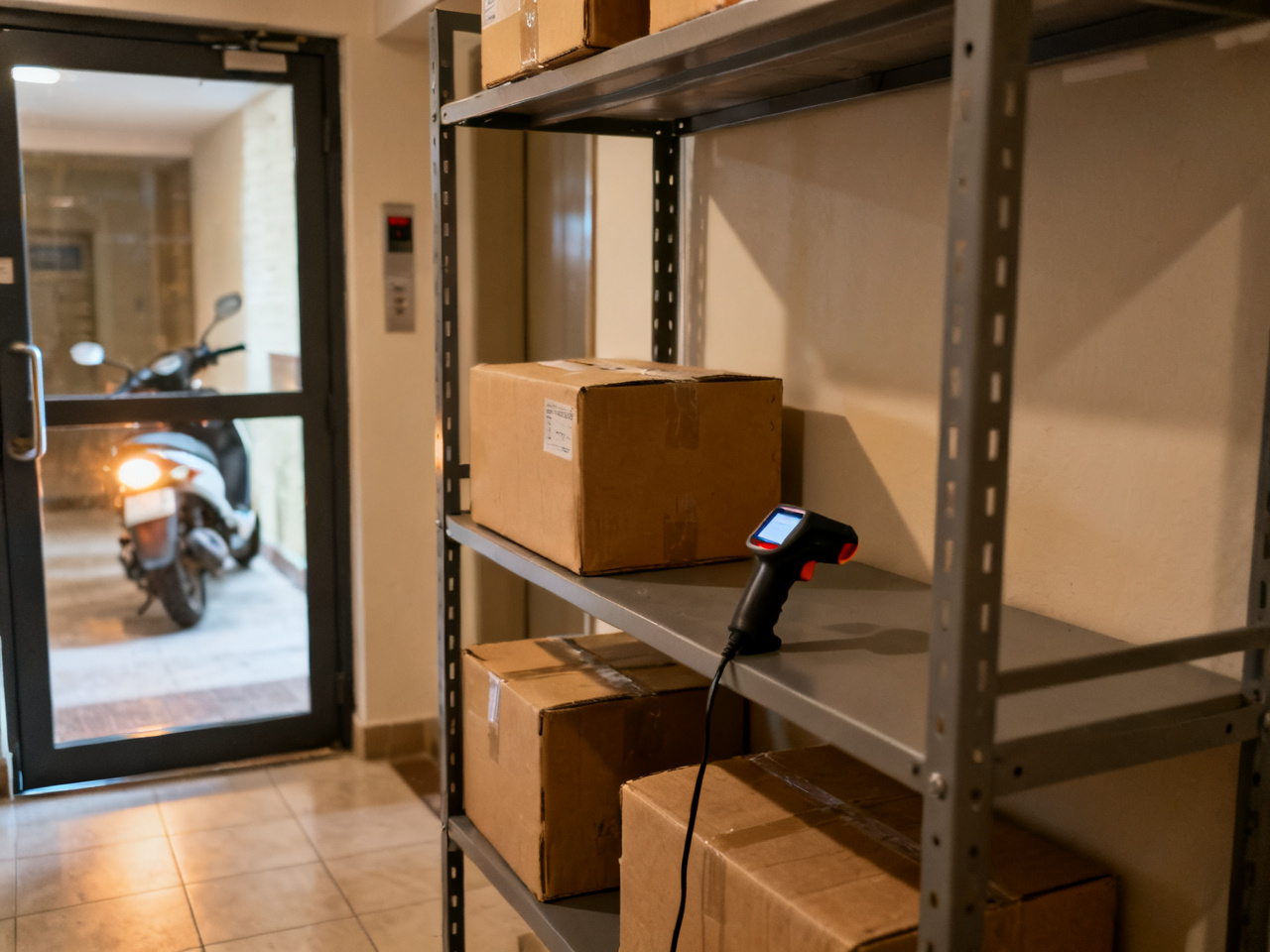
现在如果有人问我,在中国公寓生活里最容易被忽略、却最值得学的礼貌是什么,我很可能会说,就是快递架前那一步侧身。把自己的包裹先拿离主通道,把拆箱的冲动往后放几分钟,把方便留给后面还没进门的人。这些事情听起来琐碎,却特别能体现一种成熟的日常感:不是时时刻刻讲大道理,而是在拥挤、有限、重复发生的空间里,知道怎样把自己安放得不那么占地方。每次我晚上下楼取快递,听见扫码枪滴的一声、塑料胶带被拉开的脆响、玻璃门外有人按电动车喇叭,我都会想到,我学到的其实不只是取件技巧,而是一种很朴素的城市礼仪——自己的生活可以继续顺利,但最好不要踩在别人的路线上。
Now, if someone asks me what form of courtesy is easiest to overlook yet most worth learning in Chinese apartment life, I might say it is the small sideways step at the delivery shelf. Take your parcel out of the main path first. Delay the urge to open it for a few minutes. Leave convenience for the person who has not even come through the door yet. These things sound trivial, but they express a mature everyday instinct: not to preach grand principles all the time, but to know how to place yourself in crowded, limited, repetitive spaces without taking up more room than necessary. Every time I go downstairs in the evening to collect a package, hearing the beep of a scanner, the crackle of tape being pulled open, and the scooter horn outside the glass door, I think about how what I learned was not just a pickup technique. It was a plain and useful form of urban courtesy: my own life can continue smoothly, but ideally not by standing on someone else’s route.

- 丽江古城深度游:纳西文化与雪山美景 | Lijiang Old Town: Naxi Culture & Snow Mountain Views
- 乌鲁木齐老街的灯一亮,孜然和人声就把夜晚烤热了 | Once the Old-Street Lights Came On in Urumqi, Cumin and Voices Warmed the Night
- 路边那口锅,才是一座城市的真心话 | The Roadside Wok Doesn't Lie
- 云贵川大环线15日自驾 | 15-Day Yunnan-Guizhou-Sichuan Road Trip
- 来华旅行必备配件 | Best Travel Accessories for China
- 零下二十多度的哈尔滨,先考验的不是勇气,是手机电量 | In Harbin Below Minus Twenty, the First Test Was Not Courage but Phone Battery
- 雨停以后,我在武夷山把茶路走成了溪边慢线 | After the Rain Stopped, I Turned Wuyi Mountain’s Tea Road into a Streamside Walk
- 中国西部丝绸之路探险 | Silk Road Adventures in Western China
- 中国旅游摄影技巧与最佳拍摄地 | Photography Tips & Best Spots in China
- 我在镇江西津渡的五月雨声里,忽然不再害怕一个人吃饭 | In Zhenjiang's May Rain at Xijin Ferry, I Suddenly Stopped Fearing Eating Alone
Comments (0)