
我带着一只行李箱在天津站外学会了先找节奏,再找景点 | Outside Tianjin Station I Learned to Find Rhythm Before Sights
我带着一只行李箱在天津站外学会了先找节奏,再找景点 | Outside Tianjin Station I Learned to Find Rhythm Before Sights
第一次到天津时,我原本也像很多外国旅行者一样,脑子里先冒出来的是五大道、意式风情区、煎饼果子和海河夜景。可真正让我开始理解这座城市的,不是任何一个景点名字,而是天津站外拖着行李箱的前四十分钟。那天中午刚过,站前广场的光有点白,出租车上下客区不断有人停下又离开,地铁口边站着一些刚出站还没完全想清楚方向的人。我一手拉着箱子,一手拿着手机,明明知道酒店并不远,却没有立刻冲去打卡什么地方。也就是在那几十分钟里,我第一次很清楚地意识到:对第一次到中国城市的外国人来说,先把落地节奏过顺,比先冲景点更重要。
When I arrived in Tianjin for the first time, my mind was full of the usual names many foreign travelers imagine first: the Five Great Avenues, the Italian-style area, jiānbing guǒzi, and the Haihe night view. But what truly began teaching me the city was not any attraction. It was the first forty minutes outside Tianjin Railway Station with a suitcase in my hand. It was just after noon. The light over the station square was pale, taxis kept stopping and pulling away, and near the metro entrance stood several people who had just arrived and had not fully decided where they were going. I was pulling a suitcase with one hand and holding my phone with the other. Even though I knew my hotel was not far, I did not rush to start sightseeing. In those few minutes, I understood something clearly for the first time: for a foreigner entering a Chinese city for the first time, getting the arrival rhythm smooth matters more than rushing toward attractions.
我以前很容易犯一个毛病:只要到新城市,就想尽快证明自己已经进入“旅行状态”。于是我会急着把箱子放好,急着去最近的知名点,急着拍第一张“我到了”的照片。可后来我在中国跑的城市多了,越来越不相信这种冲劲。真正会拖垮一天的,常常不是路太远,而是落地后的最初一小时太乱。比如还没买水、还没搞清附近便利店和地铁口在哪儿,就已经开始安排下午路线;或者肚子其实有点饿了,却硬撑着先去一个景点,结果半路判断力开始掉。我后来特别认同到站后一小时怎么用和独自旅行时要给自己留缓冲那种思路。天津站外让我真正把这套逻辑走了一遍。
I used to have a bad habit: the moment I reached a new city, I wanted to prove to myself that I had already entered “travel mode.” So I rushed to drop my suitcase, rushed toward the nearest famous place, and rushed to take the first “I made it here” photo. But after moving through more Chinese cities, I stopped trusting that impulse. What ruins a day is often not that the road is too long, but that the first hour after arrival is too chaotic. For example, I might start planning the afternoon before buying water or understanding where the nearest convenience store and metro exit are. Or I might already be slightly hungry and still push myself toward a scenic stop first, only to feel my judgment weaken halfway there. I came to strongly agree with the logic in how to use the first hour after arriving and leaving buffers for solo travel. Outside Tianjin Station, I finally walked that logic through in real life.
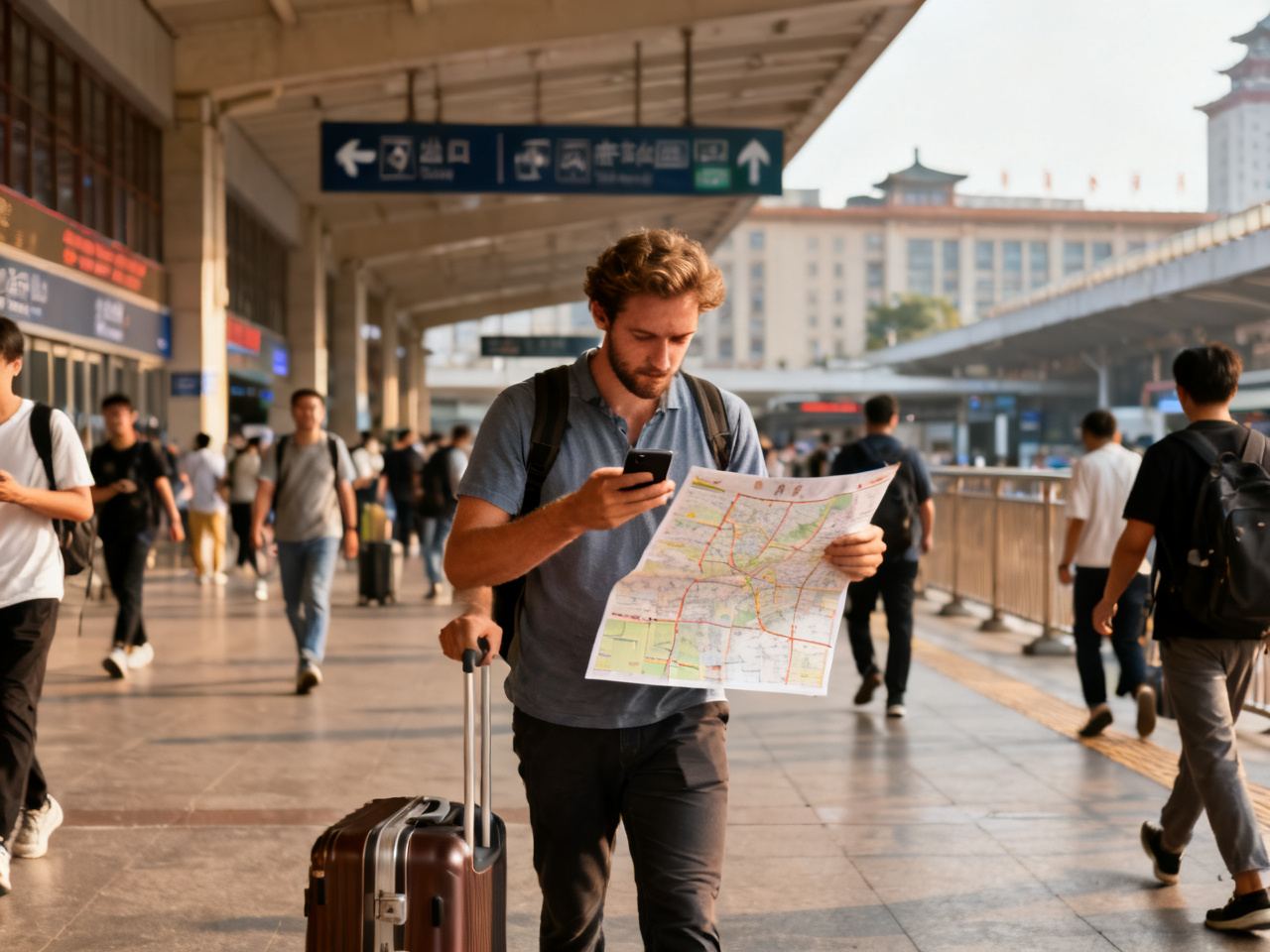
那天我做的第一件事不是叫车,也不是研究下午去哪儿,而是先站到一块不挡人的阴影边上,把问题拆小。先确认酒店中文地址。再看地铁哪一口离酒店最近。再确认附近有没有便利店和能短暂停的地方。最后才决定是直接去酒店,还是先找个地方吃点东西。我后来越来越相信,外国人在中国落地后的稳定感,很多时候不是靠“反应快”,而是靠“先别把问题想太大”。天津站这种枢纽尤其适合练这个。因为现场信息其实很多,只是如果你一边拖箱子一边急着把所有事同时想完,就会把自己搞得很散。
The first thing I did that day was not call a car and not map out my afternoon. I stood in a patch of shade where I was not blocking anyone and broke the problem into smaller parts. First, confirm the hotel address in Chinese. Second, check which metro exit would be closest to it. Third, see whether there was a convenience store nearby and a place where I could pause for a moment. Only after that did I decide whether to go straight to the hotel or eat something first. I increasingly believe that for foreigners arriving in China, steadiness usually comes not from reacting fast, but from refusing to make the problem larger than it is. A transport hub like Tianjin Station is especially good for practicing this. The information is actually abundant. The problem begins only when you try to solve everything at once while dragging luggage.
后来我没有立刻去酒店,而是先去站外一间不大的便利店买了水,又顺手看了看门口坐着吃饭的人多不多。这个动作听起来很小,但它一下子把我的身体和脑子都拉回了比较正常的状态。我也借着那几分钟,判断出自己当天不适合那种“先远后近”的暴走式安排,而更适合先把酒店入住、附近午饭和下午第一段轻松步行串起来。于是我下午最后没有一上来就冲最有名的景点,而是先在海河边慢慢走了一段,看看城市的节奏,再决定后面加什么。这种做法和先别把一顿饭和一段路都安排得太满的经验特别像:真实旅行里,最好的决定常常不是最雄心勃勃的,而是最符合你当前状态的。
In the end, I did not go straight to the hotel. I first bought water from a small convenience store outside the station and took a quiet look at how many people were sitting near the entrance to eat. That sounds like a tiny action, but it brought both my body and my mind back to a more normal state immediately. In those few minutes, I also realized that day was not suitable for an exhausting “far first, near later” itinerary. It was better to connect hotel check-in, a nearby lunch, and the first easy walk of the afternoon into one smoother chain. So instead of rushing immediately toward the most famous attraction, I walked slowly along the Haihe first, read the city’s rhythm a little, and only then decided what to add later. This feels very close to the lesson in not overloading both your meal and your route at the same time. In real travel, the best decision is often not the most ambitious one, but the one that matches your condition.
我给后来来中国的朋友总结过几个天津站外很实用的落地动作。第一,别一出站就急着判断整天行程,先处理喝水、厕所、地址和第一段交通。第二,如果你带着行李,不要让“理论上可以步行”这句话骗到自己,先看路面、人流和温度。第三,先找一个能让你重新组织信息的节点,比如便利店、商场门口、咖啡馆外侧,而不是站在主通道中央一边拖箱子一边犹豫。第四,把第一餐安排得简单一点,不要刚落地就把自己推进最复杂的排队和点单环境。第五,留一点弹性,允许自己下午只完成一半计划。中国城市里真正舒服的一天,往往不是因为你做得最多,而是因为你从一开始就没把自己逼乱。
I later summarized a few practical arrival actions outside Tianjin Station for friends coming to China. First, do not try to judge the entire day the moment you leave the station. Handle water, restroom, address, and the first transport segment first. Second, if you are carrying luggage, do not let the phrase “it is walkable in theory” fool you. Check the road surface, crowd flow, and temperature first. Third, find a node where you can reorganize information, such as a convenience store, a mall entrance, or the outside of a café, instead of hesitating in the middle of the main passage with your suitcase. Fourth, keep the first meal simple. Do not push yourself into the most complicated queueing and ordering environment right after arrival. Fifth, leave some elasticity and allow yourself to complete only half the original afternoon plan. In Chinese cities, a truly comfortable day often comes not from doing the most, but from not forcing yourself into confusion from the very beginning.
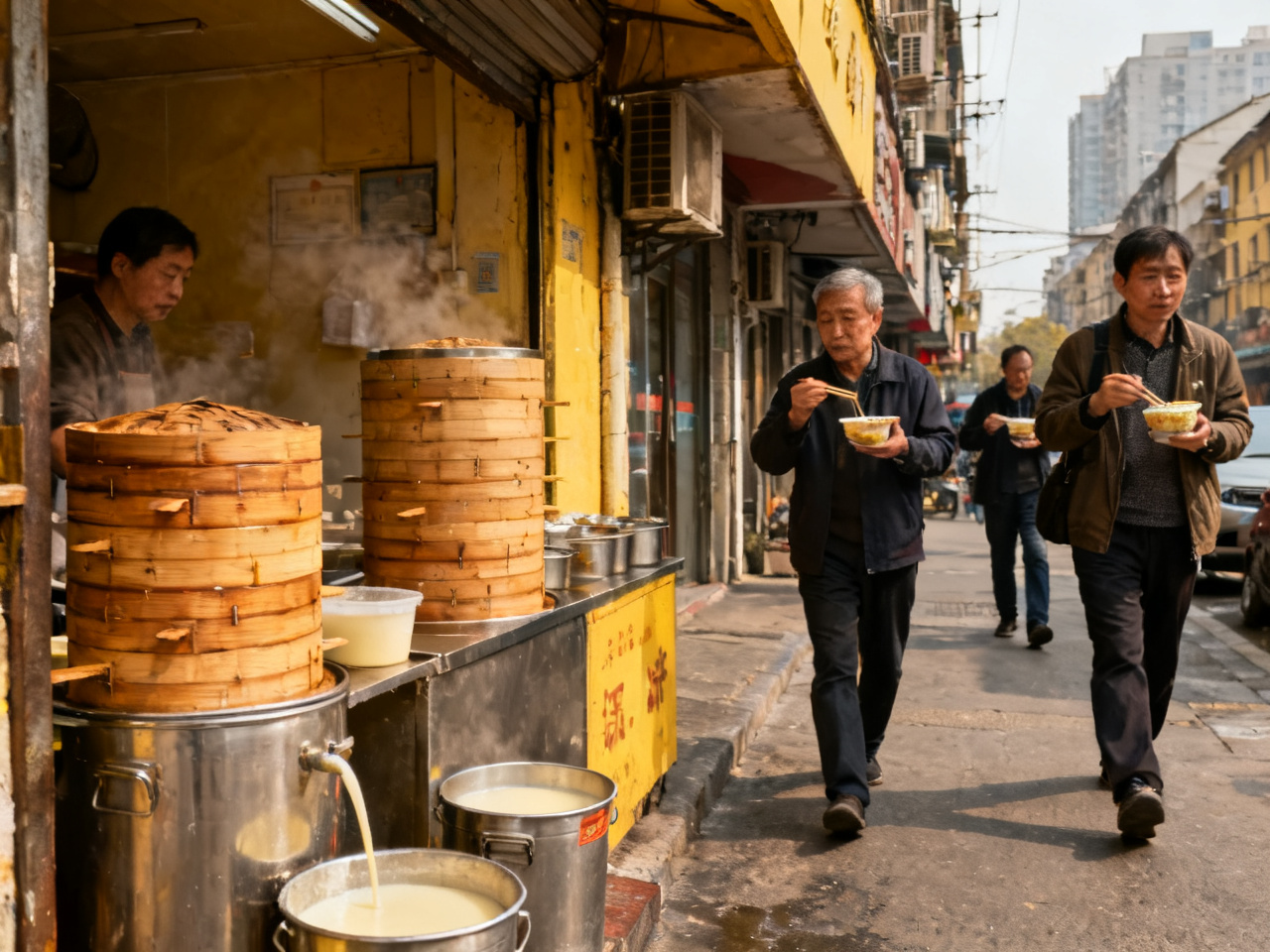
到了傍晚,我坐在海河边一处能看见桥和慢慢亮起来的灯的地方,箱子早就放进酒店了,手里只剩一瓶水和手机。回头想想,我最喜欢天津的,不是某一个具体景点,而是它让我在抵达的第一小时里,把旅行从“证明自己很会安排”重新拉回了“先让自己舒服地进入这座城”。这对外国人在中国旅行来说,其实是非常重要的一课。因为一旦你学会先找节奏,再找景点,很多城市都会变得比想象中更容易亲近。
By evening, I was sitting by the Haihe in a place where I could see the bridge and the lights slowly coming on. My suitcase was already in the hotel, and all I had left in my hand was a bottle of water and my phone. Looking back, what I liked most about Tianjin was not one specific attraction. It was that during my first hour there, the city pulled my travel mind away from proving how well I could organize things and back toward entering the city comfortably first. For foreigners traveling in China, that is actually a very important lesson. Once you learn to find rhythm before sights, many cities become easier to approach than you first imagined.
- 在北京一节低年级语文课后,作者终于明白小朋友为什么总先学量词 | After a Beijing Language Class, I Finally Understood Why Kids Learn Measure Words So Early
- 重庆火锅不需要你懂,它只需要你坐下来 | Chongqing Hotpot Doesn't Need You to Understand It — Just Sit Down
- 中国签证申请全流程 | Complete China Visa Application Guide
- 武汉热干面摊前的队伍,让我学会看城市的脾气 | A Queue for Hot Dry Noodles in Wuhan Taught Me to Read a City’s Temper
- 少数民族服饰巡礼:苗族藏族彝族 | Ethnic Minority Costumes: Miao, Tibetan & Yi
- 南京最动人的地方,常常不是讲出来的历史,而是人今天还在怎么顺手用它 | What Moves Me Most in Nanjing Is Not History as Told but the Way People Still Use It Today
- 我在西安回民街试了三种肉夹馍:哪一家更值得排队 | I Tried Three Roujiamo in Xi'an Muslim Quarter
- 一次小小的药店交流,怎么让我开始信任在中国开口求助这件事 | How a Small Pharmacy Interaction Taught Me to Trust Asking for Help in China
- 我在中国学会用地理去理解历史,而不是只背名字 | In China I Learned to Use Geography to Understand History Instead of Memorizing Names
- 文创好物推荐:故宫文创到地方博物馆 | Creative Souvenirs: Palace Museum to Local Museums
Comments (0)