
来华支付第一课:现金、银行卡、移动支付怎么搭配 | Payment Setup for China: Cash, Cards, and Mobile Wallets
来华支付第一课:现金、银行卡、移动支付怎么搭配 | Payment Setup for China: Cash, Cards, and Mobile Wallets
很多第一次来中国的游客,会把支付问题想成“选一个最好用的工具”。于是有人只带现金,有人只想靠国际信用卡,也有人在落地前把全部希望押在手机钱包上。真正稳的方案恰恰不是单选,而是搭配:现金解决极端情况,银行卡负责兜底,移动支付承担大多数日常小额场景。把三者分工想清楚,很多焦虑会立刻下降。
Many first-time visitors to China think about payment as a search for one perfect tool. Some bring only cash, some hope an international card will cover everything, and some put all their trust in mobile wallets before they even land. The more reliable solution is the opposite of a single choice. Cash handles edge cases, bank cards provide a fallback layer, and mobile payment covers most everyday small transactions. Once the division of labor becomes clear, much of the anxiety disappears.
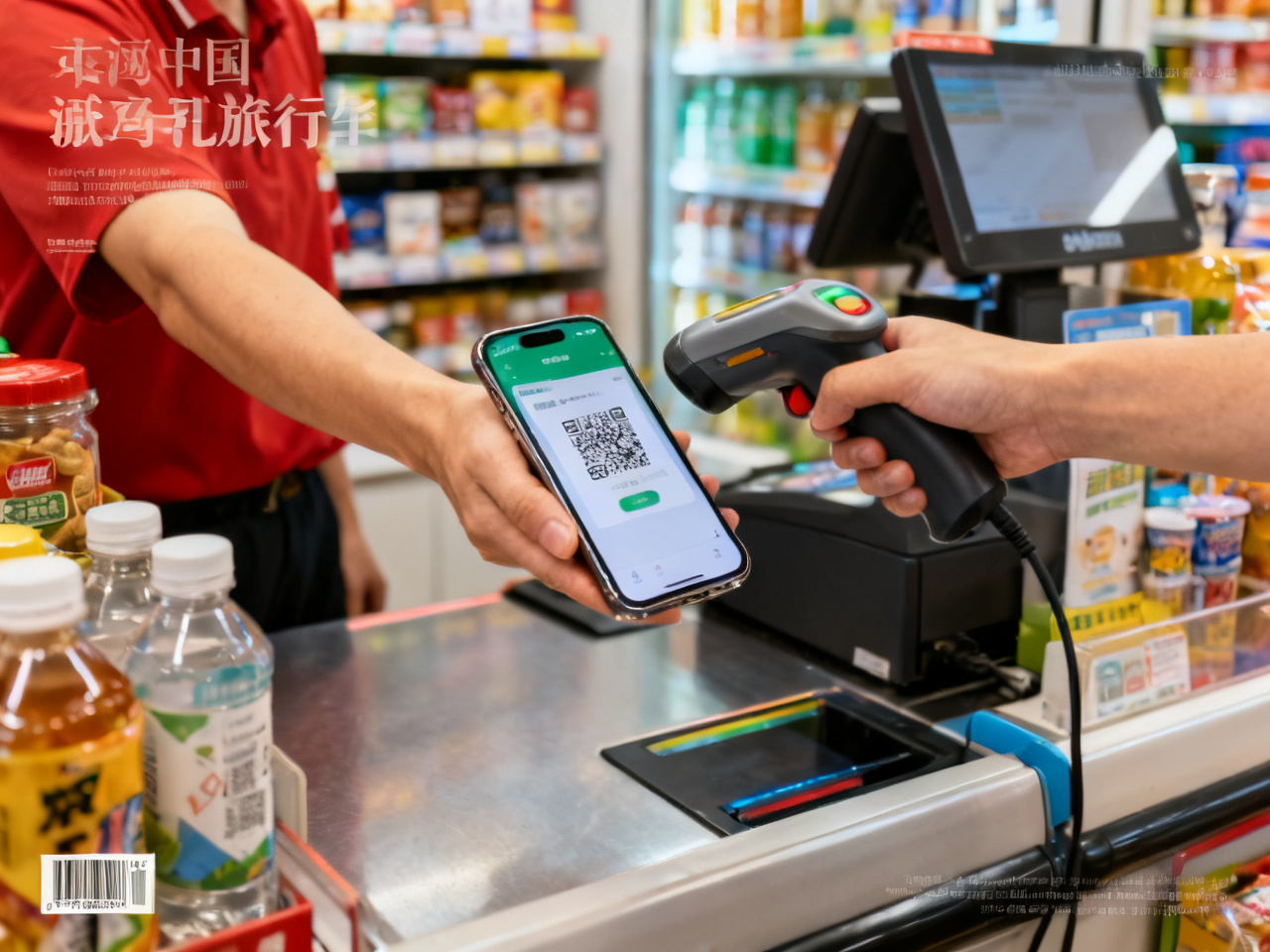
我们通常把支付安排成三层。第一层是手机里已经绑好的主力工具,适合便利店、咖啡店、外卖、打车和景区零售;第二层是一张能正常刷的银行卡,用在酒店押金、较大金额消费或主力工具临时异常的时候;第三层则是一点不多但必须有的现金,金额不用大,关键是能在设备故障、网络差或者小店场景里救急。
We normally think of payment in three layers. The first layer is the main mobile tool already linked in your phone, suitable for convenience stores, cafés, ride-hailing, food delivery, and small purchases at attractions. The second is a working bank card for hotel deposits, larger transactions, or moments when the main tool fails. The third is a small but essential amount of cash. It does not need to be large. Its job is to rescue you when devices malfunction, networks lag, or a tiny shop prefers the simplest possible exchange.
现金不是主角,但也别完全放弃 / Cash Is Not the Lead, but Do Not Abandon It
现在的中国城市里,现金当然不是最高频的支付方式,可它仍然有一种“最后一米”的价值。尤其是在交通枢纽附近的小摊、某些临时市场、或者你刚落地还没把手机网络彻底调顺的时候,少量现金会让你不必在最疲惫的时刻临时解决一连串技术问题。
In Chinese cities today, cash is clearly no longer the highest-frequency payment method, but it still has a “last-meter” value. Near transport hubs, in some temporary markets, or in the first hours after landing when your phone data setup is not fully stable, a small amount of cash keeps you from solving a chain of technical problems at the exact moment when you are most tired.
但这里有个常见误区:有人因为担心支付不便,就把大量预算换成现金。这样做并不聪明。现金一旦太多,丢失风险、找零管理和携带心理负担都会一起上升。它应该是缓冲层,而不是主战场。
There is a common mistake here. Some travelers worry about payment friction and convert a large share of their budget into cash. That is not smart. Once the amount grows, the risks of loss, change handling, and simple psychological burden all rise with it. Cash should be a buffer, not the main battlefield.
银行卡的意义在于“兜底稳定” / The Role of a Bank Card Is Backup Stability
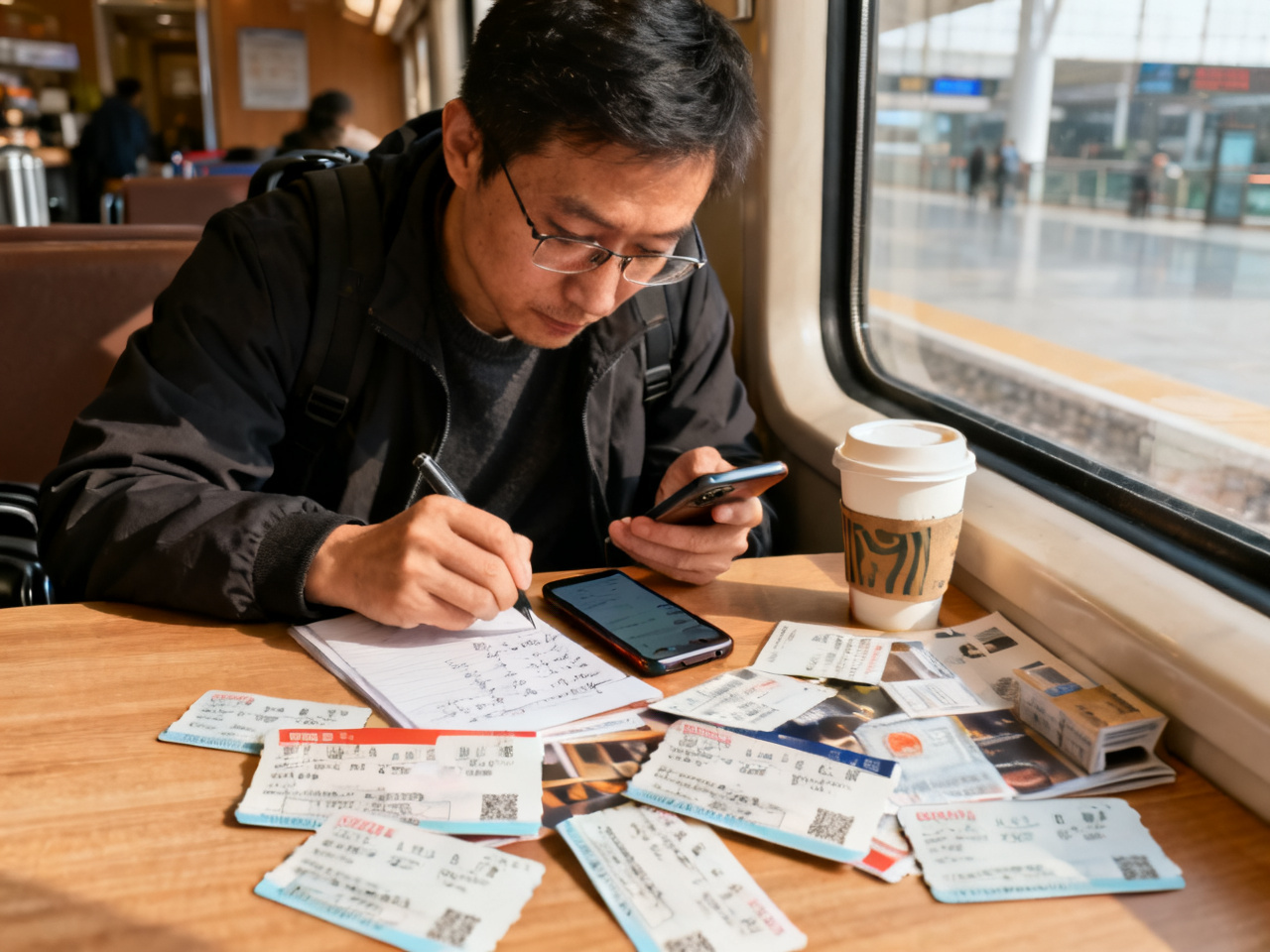
银行卡在来华支付里最容易被低估。很多人以为有手机就够了,直到遇到酒店预授权、某些商户系统切换、或者自己手机突然没电时,才发现实体卡和卡组织网络依然重要。它不一定天天高频使用,但它决定你在关键时刻是不是只有一种选择。
Bank cards are often underestimated in the China payment setup. Many travelers assume the phone is enough until they face a hotel pre-authorization, a merchant system change, or a dying battery. That is when the physical card and the card network still matter. It may not be your daily high-frequency tool, but it determines whether you still have options when the main path breaks.
更实际地说,银行卡也帮助你控制预算节奏。把大额消费尽量交给卡,日常零碎留给移动支付,回头看账会更清楚。对于第一次来中国的人,这种分层不仅是技术备份,也是认知减负。
At a practical level, the card also helps you control spending rhythm. Put larger transactions on the card and leave daily fragments to mobile payment. Reviewing your expenses later becomes much clearer. For first-time visitors, this layering is not only technical backup. It is cognitive relief.
移动支付负责效率,但别把它神化 / Mobile Wallets Deliver Efficiency, but Do Not Mythologize Them
移动支付在中国日常生活中的确非常强大,这一点不必回避。扫码、收款、退款、账单记录和即时确认,都让它成为最顺手的主力工具。可它再顺手,也仍然依赖手机电量、网络、绑定状态和偶发风控。真正成熟的准备方式,不是迷信它无所不能,而是让它和另外两层一起工作。
Mobile payment is genuinely powerful in daily life in China, and there is no reason to pretend otherwise. QR scanning, instant confirmation, easy refunds, and transaction records make it the most convenient primary tool in ordinary situations. But even at its best, it still depends on battery life, connectivity, binding status, and occasional risk checks. The mature approach is not to treat it as magical, but to let it work alongside the other two layers.
如果你还想继续补充站内相关内容,可以看 来华支付经验相关文章 和 中国旅行预算管理文章。第一次来中国的支付第一课,说到底不是学会某一个 App,而是学会让现金、银行卡和移动钱包各自做最适合它们的事。
If you want more related reading on the site, continue with another China payment article and a related piece on travel budgeting in China. The first payment lesson for China is not mastering one app. It is learning to let cash, cards, and mobile wallets each do the job they are best at.

- 中国街头小吃十选:从北到南,一路吃过去 | Ten Chinese Street Snacks: Eating Your Way from North to South
- 在大同的风里看石窟与城墙 | Reading Grottoes and City Walls in Datong's Wind
- 长江游轮:独特旅行体验 | Yangtze River Cruise: A Unique Experience
- 中国气候分区与最佳旅行季节 | China Climate Zones & Best Travel Seasons
- 广西山水5日行程:桂林阳朔龙脊梯田 | 5-Day Guangxi: Guilin, Yangshuo & Longji Terraces
- 大盘鸡:一盘端上来,整桌人都不说话了 | Dapanji: When This Plate Arrives, the Whole Table Goes Silent
- 中国丝绸制品 | Silk Products from China
- 中国四季节庆日历:每月最佳活动 | China Festival Calendar: Best Events by Month
- 在绍兴,一张公交卡小票和一座小桥一起把我领进了城 | In Shaoxing, a Transit Receipt and a Small Bridge Led Me into the City Together
- 澳门找零钱的三次停顿,让我重新安排过关路线 | Three Change-Making Stops Rebuilt My Macao Route
Comments (0)