
南甜北咸是个谎言,但也不全是 | "Sweet South, Salty North" Is a Lie — But Not Entirely
南甜北咸是个谎言,但也不全是 | "Sweet South, Salty North" Is a Lie — But Not Entirely
有一句话在中国流传很广:南甜北咸,东辣西酸。
这句话的问题在于,它同时是对的和错的。
There's a saying that circulates widely in China: sweet south, salty north, spicy east, sour west.
The problem with this saying is that it's simultaneously correct and wrong.
先说它对的部分
广东人确实嗜甜。糖水铺在广州随处可见,煲汤里会加冰糖,连炒菜有时也放糖提鲜。北方的腌制食品——咸菜、腊肉、酱豆腐——盐分之重,南方人第一次吃往往皱眉。
Let's start with where it's right.
Cantonese people genuinely love sweetness. Dessert soup shops are everywhere in Guangzhou; rock sugar goes into slow-cooked broths; even stir-fries sometimes get a pinch of sugar for depth. Northern preserved foods — pickled vegetables, cured pork, fermented tofu — carry a saltiness that makes southerners wince on first encounter.
山西人吃醋,这是真的。山西老陈醋的酸是一种厚重的、发酵过的酸,不是柠檬汁那种尖锐的酸。当地人吃面条、饺子、炒菜,几乎什么都要加醋,外地人去了可能会觉得整个省都泡在醋缸里。
Shanxi people eat vinegar — this is real. Shanxi aged vinegar has a deep, fermented sourness, nothing like the sharp brightness of lemon juice. Locals add it to noodles, dumplings, stir-fries — almost everything. Visitors sometimes feel like the entire province is soaking in a vinegar vat.
再说它错的部分
"东辣"这个说法,基本站不住脚。中国最辣的省份公认是四川、湖南、贵州——都在西南,不在东边。
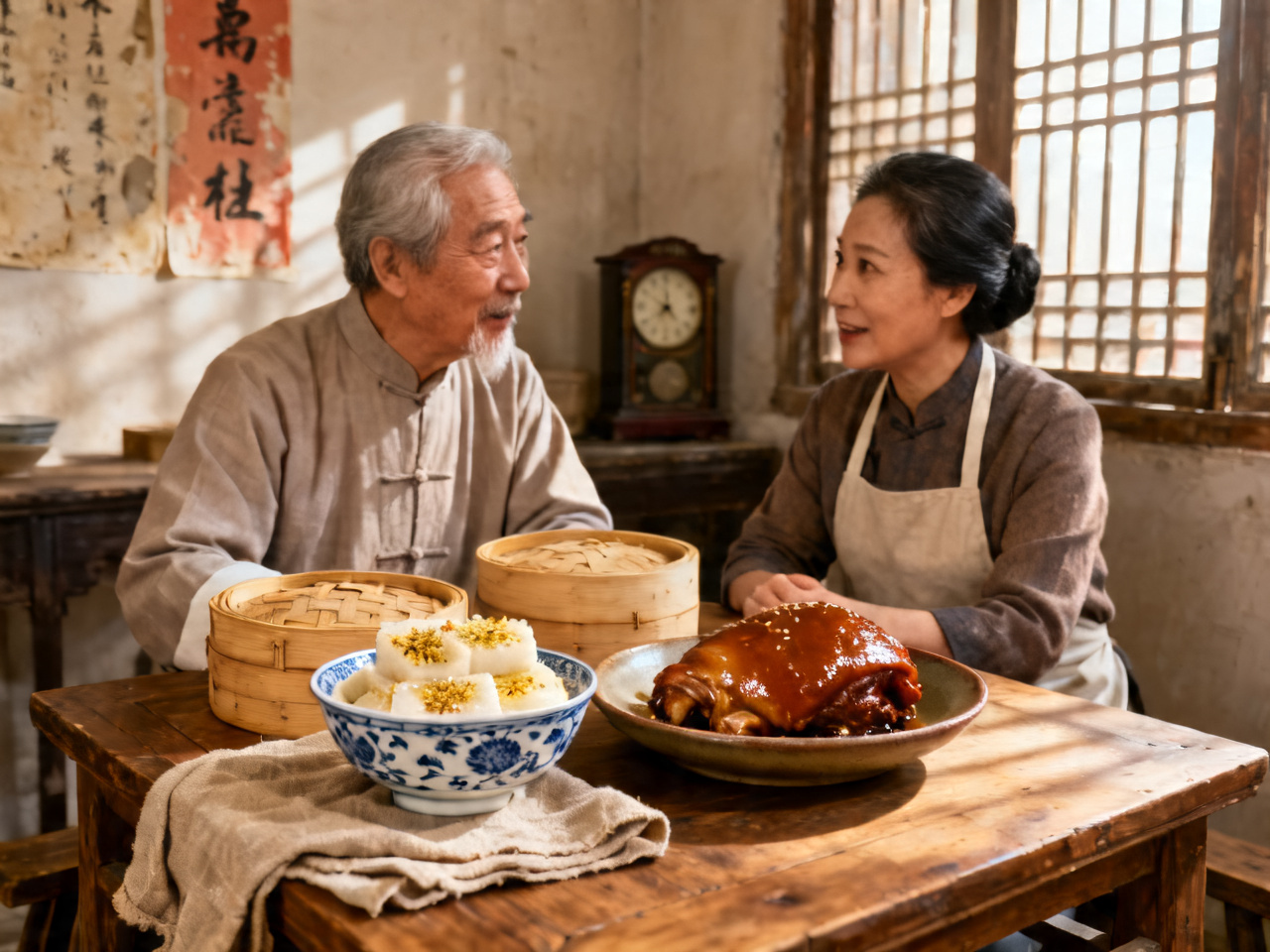
Now for where it falls apart.
"Spicy east" barely holds up. The provinces universally recognized as China's spiciest are Sichuan, Hunan, and Guizhou — all in the southwest, not the east.
更大的问题是:这套框架把"地区"当成了均质的整体。实际上,同一个省内的口味差异,有时比两个省之间的差异还大。四川盆地内部,成都菜偏麻偏鲜,自贡菜偏咸偏重,乐山菜偏辣偏烫,三个城市相距不过两三百公里,吃起来像三个不同的菜系。
The bigger problem: this framework treats regions as uniform wholes. In reality, flavor differences within a single province can exceed those between provinces. Inside the Sichuan Basin, Chengdu cuisine leans numbing and fresh, Zigong cuisine leans salty and heavy, Leshan cuisine leans spicy and scalding hot — three cities within a few hundred kilometers of each other, eating like three different culinary traditions.
真正有意思的差异,不在味道,在习惯
南北饮食最根本的分歧,不是甜咸,是主食。
The most fundamental north-south food divide isn't sweet versus salty. It's the staple.
北方人吃面食:馒头、包子、饺子、面条、烙饼。南方人吃米饭。这不只是口味偏好,是几千年农业地理决定的结果——北方种小麦,南方种水稻,主食跟着土地走。
Northerners eat wheat: steamed buns, baozi, dumplings, noodles, flatbreads. Southerners eat rice. This isn't just preference — it's the result of thousands of years of agricultural geography. Wheat grows in the north, rice in the south. The staple follows the land.
一个北方人在广州生活久了,最难适应的往往不是口味,而是"怎么每顿都是米饭"。一个广东人去东北出差,第一顿吃到铁锅炖大鹅配大饼,可能会觉得这顿饭的分量够他吃三天。
A northerner living in Guangzhou for a long time often struggles not with the flavors but with the question: why is every meal rice? A Cantonese person on a business trip to the northeast, confronted with a cast-iron pot of braised goose and a giant flatbread, might feel the portion could last three days.
早餐的差异尤其明显。上海人吃生煎和豆浆,武汉人吃热干面,西安人吃羊肉泡馍,广州人喝早茶,北京人吃豆汁和焦圈——同一个国家,早上八点,每个城市的街头飘着完全不同的气味。
Breakfast differences are especially stark. Shanghai people eat pan-fried buns and soy milk. Wuhan people eat hot dry noodles. Xi'an people eat lamb soup with torn flatbread. Guangzhou people drink morning tea. Beijing people eat fermented mung bean juice with fried dough rings. Same country, 8 AM, every city's streets carry a completely different smell.
给外国游客的一句实话
如果你在中国只待两周,"南甜北咸"这个框架够用——它至少能帮你预判菜单。
但如果你待得更久,你会发现这个国家的饮食地图细到令人眩晕:每个县有每个县的做法,每个家庭有每个家庭的口味,每个季节有每个季节的食材。
For foreign visitors staying two weeks, the "sweet south, salty north" framework is good enough — it at least helps you anticipate a menu.
But stay longer, and you'll find this country's food map is detailed to the point of vertigo: every county has its own method, every family its own flavor, every season its own ingredients.
中国饮食的真正复杂性,不在于它有多少种菜系,而在于它有多少种"例外"。
The real complexity of Chinese food isn't how many culinary traditions it has. It's how many exceptions it has.
延伸阅读 / Related Reads
- 武汉热干面摊前的队伍,让我学会看城市的脾气 | A Queue for Hot Dry Noodles in Wuhan Taught Me to Read a City’s Temper
- 我在杭州把西湖走成一天慢电影:从晨雾到夜船都不赶 | I Turned West Lake into a Slow Day Film from Morning Mist to Night Boat
- 我把证件照片存进手机后,排队时少慌了很多 | Saving ID Photos on My Phone Made Queues Less Stressful
- 我在上海小学门口等放学时,第一次真正听懂“你吃了吗”为什么不是在问饭 | Waiting Outside a Shanghai Primary School, I Finally Understood Why “Have You Eaten?” Is Not Really About Food
- 把天气留在行程里:秋天去喀纳斯的公路节奏 | Leave Weather in the Itinerary: An Autumn Road Rhythm for Kanas
- 和大学朋友去嘉兴的五月周末,我们在南湖边把成年人的心事聊开了 | A Rainy May Weekend in Jiaxing Let My Old Friends and Me Finally Talk Through What Adulthood Had Done to Us
- 五一去哪儿?8个你可能没听过的宝藏目的地 | Where to Go for May Day? 8 Hidden Gems You Probably Haven't Heard Of
- 中文入门基础 | Chinese Language Basics
- 配饰指南:扇子、帽子等 | Accessories: Fans, Hats, and More
- 在中国使用手机支付的每日避坑清单 | Daily Mobile Payment Tips in China
Comments (0)