
在山东小馆子学敬酒时,我第一次读懂了中国式留分寸 | Learning Toasting in a Shandong Restaurant Was My First Lesson in Chinese Restraint
在山东小馆子学敬酒时,我第一次读懂了中国式留分寸 | Learning Toasting in a Shandong Restaurant Was My First Lesson in Chinese Restraint
如果只看表面,很多外国人第一次遇见中国饭桌上的敬酒,会以为那是一种很强势的热情。杯子端起来了,话头也递过来了,大家都在看,你很容易本能地紧张:我要不要立刻喝完?是不是不能拒绝?如果我不够熟练,会不会显得没礼貌?我以前就是这样。第一次在山东一家很普通的小馆子里跟一桌本地朋友吃饭时,我坐在靠墙的位置,桌上有热腾腾的葱烧海参、炒蛤蜊和一盘刚上的饺子,包间里的灯偏黄,玻璃杯碰在一起声音很清。我心里最紧的,不是菜合不合口味,而是怕自己完全读不懂饭桌上的节奏。
At first glance, many foreigners think Chinese toasting is a forceful kind of warmth. A glass is raised, the words are offered, and all eyes seem to turn toward you. It is easy to tense up instinctively. Should I empty the glass immediately? Am I not allowed to refuse? If I handle it clumsily, will I look rude? That was exactly my reaction. The first time I ate with local friends in an ordinary small restaurant in Shandong, I sat against the wall with a table full of steaming dishes, sea cucumber with scallions, stir-fried clams, and fresh dumplings. The room lights were yellowish, and the sound of glasses touching was very clear. What made me most nervous was not the food. It was the fear that I did not understand the rhythm of the table at all.
可真正让我放松下来的,不是有人给我上了一堂礼仪课,而是我慢慢看见了一件事:中国式敬酒里真正重要的,常常不是“你喝了多少”,而是“你有没有读到那份心意,又有没有回一个合适的分寸”。那晚最先举杯的是一位年长些的叔叔,他说得很简单,欢迎我来山东、尝尝本地菜。我下意识以为自己得把杯子里的都喝掉,结果旁边的朋友轻轻碰了碰我手腕,小声说“意思到了就行”。就是这一句,把我脑子里原本那种“必须一次做对”的压力松开了。我后来一直记得这一下,因为它和通过小动作学会融入中国生活的逻辑特别像:很多场景不是要求你表演得像本地人,而是要求你先学会看空气。
What relaxed me was not a formal lesson in etiquette. It was slowly realizing something deeper: in Chinese toasting, what often matters most is not how much you drink, but whether you recognize the intention behind the gesture and return an appropriate level of feeling. The first person to raise a glass that evening was an older uncle who simply welcomed me to Shandong and invited me to enjoy the local food. My instinct was that I needed to finish the whole glass at once. But the friend beside me touched my wrist lightly and whispered, “Meaning matters more than quantity.” That single sentence loosened the pressure in my head. I have remembered it ever since because it feels very close to the logic in learning to integrate into China through small actions. Many situations are not asking you to perform like a local. They are asking you to learn how to read the atmosphere first.
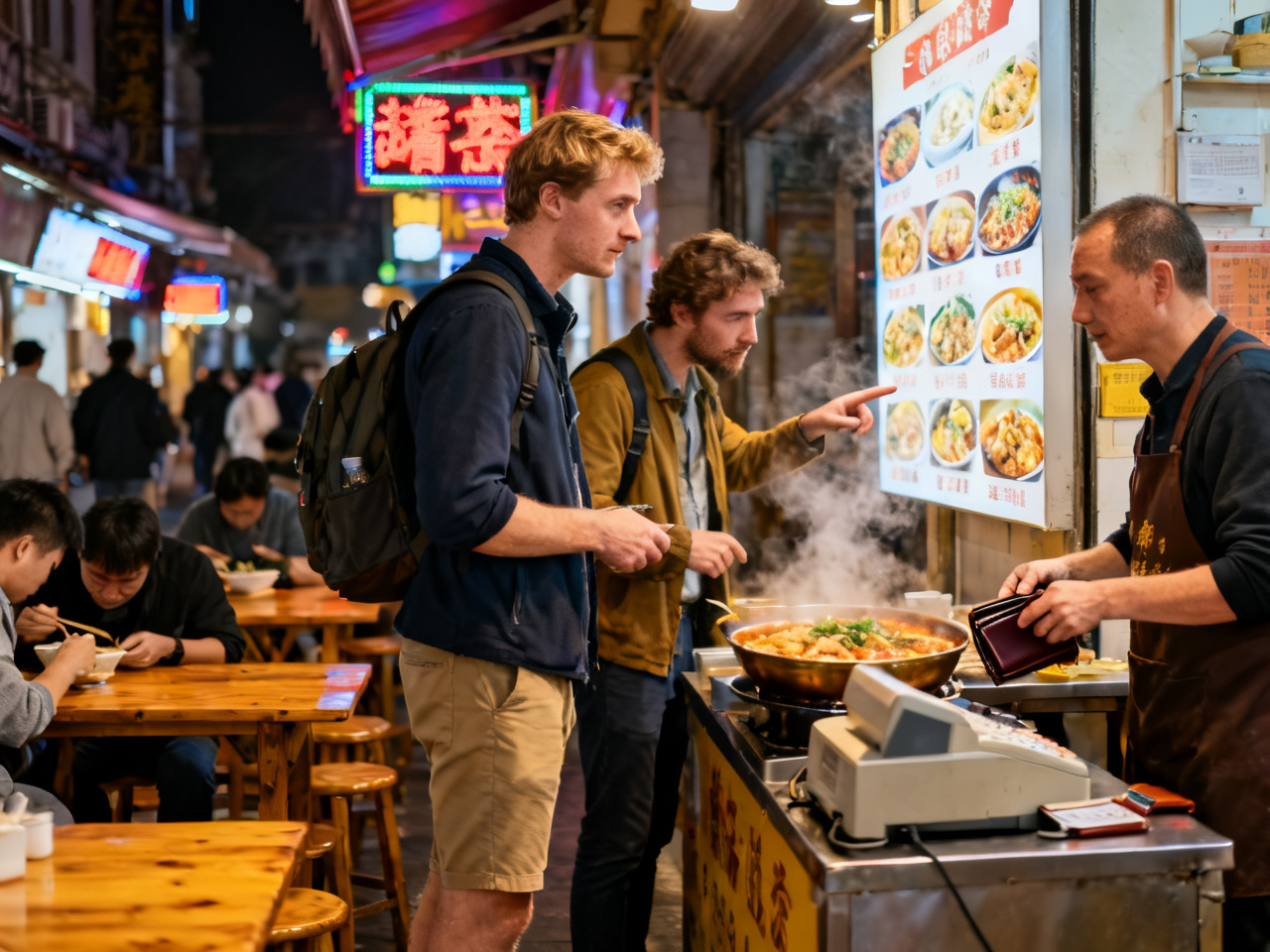
后来整顿饭里,我开始观察一些以前根本不会注意的细节。比如,真正被尊重的人往往不是最能喝的人,而是最会安排别人舒服的人。有人敬酒时会稍微弯一下手腕,把杯口放低一点;有人劝你吃菜时,先夹给你但不会一直逼你接;有人说“随意”,不是客套,而是真的在给你留空间。我以前总把礼貌想成一套固定规则,好像只要背熟就不会出错。可那顿山东饭让我第一次很清楚地感觉到,中国式礼貌更像一种动态判断。它不是没有边界,恰恰相反,它的边界藏在分寸里。
As the meal continued, I began noticing details I would never have paid attention to before. The people most respected were not necessarily the ones who drank the most, but the ones who arranged comfort for others best. When someone offered a toast, they might bend the wrist slightly and lower the rim of the glass. When someone urged you to eat, they might place food for you once without forcing you repeatedly. When someone said “Take it as you like,” it was not always a formula. Sometimes it truly meant they were giving you space. I used to think of politeness as a fixed set of rules that could be memorized to avoid mistakes. That meal in Shandong made me feel very clearly that Chinese politeness is more like dynamic judgment. It is not boundary-free. On the contrary, its boundaries are hidden inside restraint.
最让我记得的一幕,是桌上有人第二次来敬我时,我已经准备照着第一次的方式回应了。可那位叔叔看我杯里其实只剩一点,就先笑着说“别满了,意思一下”。那一刻我突然明白,这不是一场谁压过谁的社交较量,而是一种不断调整力度的互动。你如果认真观察,就会发现中国饭桌上真正成熟的人,往往很会给别人留台阶、留余地、留轻松。对外国人来说,这个发现特别重要,因为它会把原本像压力测试一样的场景,慢慢变成一种可以练习的社会阅读。
The moment I remember most clearly came when someone approached to toast me for the second time. I was ready to answer exactly the way I had the first time, but the older man noticed that there was barely anything left in my glass and smiled first. “No need to fill it. Just the meaning is enough.” In that moment I understood that this was not a social contest about who pressed harder. It was an interaction of constantly adjusting force. If you observe carefully, the most mature people at a Chinese table are often the ones who know how to leave others a step, room, and ease. For foreigners, this discovery matters a lot, because it slowly turns a scene that feels like a pressure test into a kind of social reading that can actually be practiced.
我后来给自己总结了几个很实用的饭桌动作。第一,别人举杯时先看对方的速度和语气,不要抢着给自己加戏。第二,不确定时可以小口回应,而不是一口闷掉。第三,注意那些“随意”“慢点来”“别客气”的语境,它们常常真的在告诉你节奏可以放松。第四,比起担心“我是不是喝少了”,更该注意“我有没有真诚回应这份欢迎”。第五,如果你不会说太多漂亮话,一句简短清楚的感谢通常已经足够。第六,观察谁在主动照顾别人,这个人往往也最值得你参考。很多时候,中国文化里的分寸感不是靠知识点记住的,而是靠桌边这些很细的小动作读出来的。这和学会自然求助、以及靠多重确认稳住判断的经验很相通。
Later I summarized a few practical table habits for myself. First, when someone raises a glass, watch their speed and tone before performing your own response. Second, if you are unsure, answer with a small sip instead of emptying everything. Third, pay attention to phrases like “as you like,” “take it slowly,” and “don’t be formal.” They often truly mean the rhythm can relax. Fourth, instead of worrying whether I drank too little, it is better to ask whether I sincerely responded to the welcome. Fifth, if you cannot make elegant speeches, one short and clear thank-you is usually enough. Sixth, notice who is quietly taking care of others. That person is often the best model for reading the table. Very often, Chinese restraint is not learned through abstract facts. It is read through these small actions by the plate and the glass. In that way, it connects strongly with learning to ask for help naturally and stabilizing judgment through layered confirmation.
后来我在别的城市再遇到类似场景,已经没有第一次那么紧了。不是因为我突然很会敬酒,而是因为我终于知道,礼貌从来不只是“照做”,而是“读懂以后,给出一个不让别人难受、也不让自己勉强的回应”。中国饭桌最让我佩服的一点,恰恰就在这里:热情和边界并不是对立的,很多时候它们是同时存在的。山东那家小馆子里的一顿饭,最后留在我心里的并不是哪道菜,而是我第一次真切感到,所谓文化融入,常常不是变得很会说,而是慢慢学会在别人递过来的善意里读出分寸。
When I later encountered similar scenes in other cities, I was no longer as tense as the first time. Not because I had suddenly become skilled at toasting, but because I finally knew that politeness is never only about copying the action. It is about understanding first, then giving a response that neither burdens the other person nor forces yourself. What I admire most about Chinese dinner tables lies exactly there: warmth and boundary are not opposites. Very often they exist at the same time. In the end, what stayed with me from that Shandong meal was not any one dish. It was the first real feeling that cultural integration is often not about becoming eloquent. It is about slowly learning how to read restraint inside the kindness that is being offered to you.
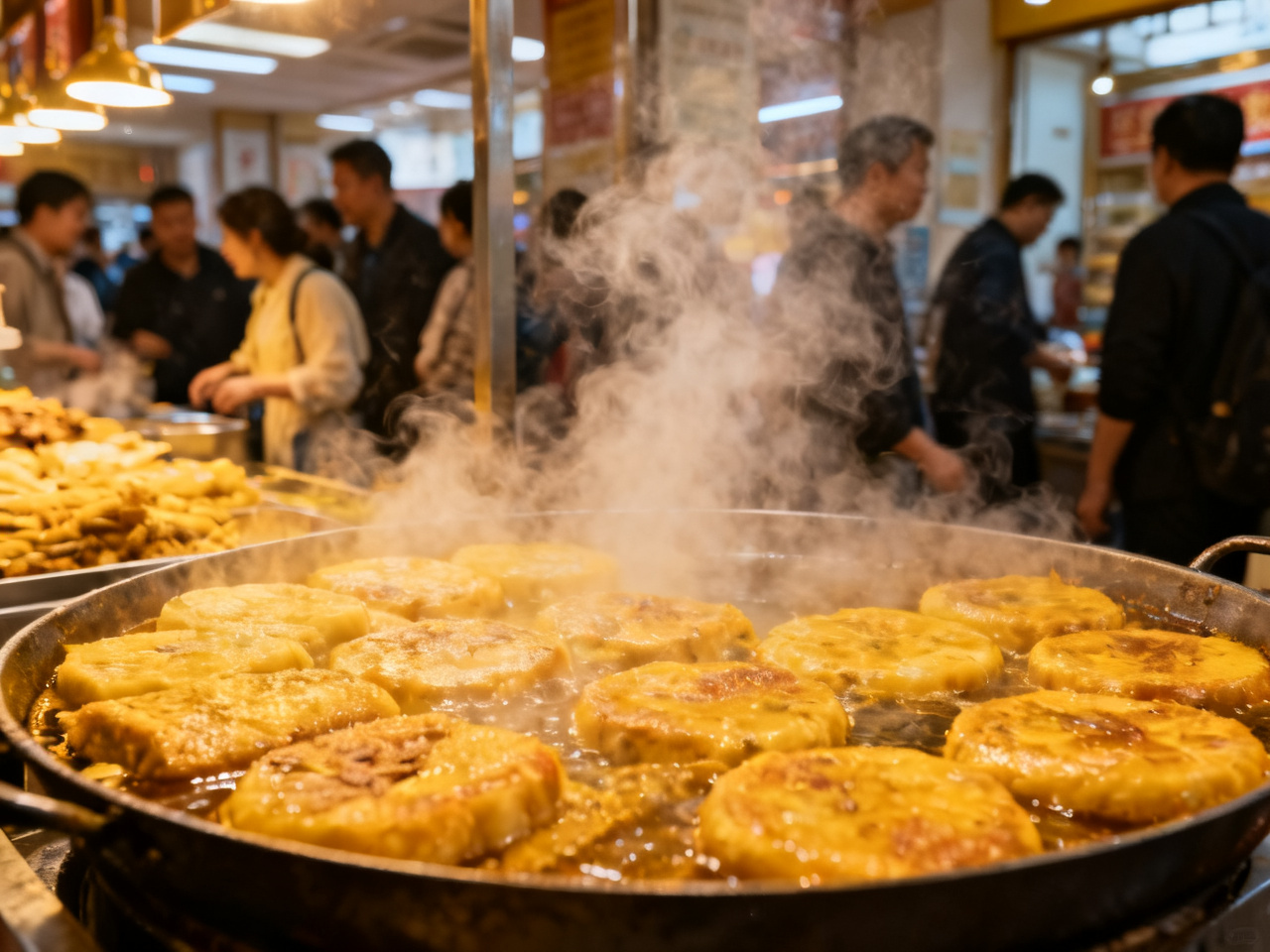
等到那晚快散席时,桌上的热菜已经剩得不多,杯子也没有再碰得那么频繁,门外走廊传来服务员收桌子的轻响。我坐在那里,忽然觉得自己比吃饭前轻松了很多。不是因为我终于“过关”,而是因为我开始明白,中国式礼貌最深的部分,也许并不在那些表面动作里,而在那种始终替别人留一点余地的习惯。山东那顿饭教会我的,正是这个。
By the time the dinner was winding down, only a little food was left on the table, glasses were no longer touching as often, and I could hear the soft sounds of staff clearing other rooms in the corridor outside. Sitting there, I felt much lighter than I had before the meal began. Not because I had somehow “passed” a test, but because I had started to understand that the deepest part of Chinese politeness may not lie in the visible gestures at all. It lies in the habit of always leaving a little room for someone else. That is what the meal in Shandong taught me.

- 深夜便利店里那几分钟,让我第一次觉得自己也进入了中国城市的夜班节奏 | A Few Minutes in a Late-Night Convenience Store Made Me Feel I Had Entered the Night Rhythm of a Chinese City
- 中国跨城旅行怎么管钱:预算分桶法实战 | Budget Buckets for China Trips: A Practical Money System
- 五一去哪儿?8个你可能没听过的宝藏目的地 | Where to Go for May Day? 8 Hidden Gems You Probably Haven't Heard Of
- 中山装与唐装:男士传统服饰怎么穿 | Zhongshan Suit & Tang Suit: Men's Traditional Wear
- 二月冬末旅游:南方暖意正浓 | Late Winter Travel: Warmth in Southern China
- 香包制作:我第一次发现香气也可以被一针一线缝起来 | Scented Sachet Making: The First Time I Realized Fragrance Could Be Sewn Together with Needle and Thread
- 福建土楼与海岸线7日游 | 7-Day Fujian Tulou & Coastline Tour
- 如果八月只能挑几站,笔者会把海风、馆藏和夜路留给这三座城 | If August Only Leaves Room for a Few Stops, the Writer Would Save Sea Breeze, Museums, and Night Walks for These Three Chinese Cities
- 敦煌老街真正留人的,常常不是夜色多辽阔,而是灯下那口杏皮水和炉火 | What Truly Holds You on Dunhuang’s Old Street Is Not the Vast Night but the Apricot Drink and Firelight Under the Lamps
- 中国旅游美食点餐指南 | How to Order Food When Traveling in China
Comments (0)