
水果摊前站了十五分钟,我才学会在中国买水果不是只看价格 | Fifteen Minutes at a Fruit Stall Taught Me That Buying Fruit in China Is About More Than Price
水果摊前站了十五分钟,我才学会在中国买水果不是只看价格 | Fifteen Minutes at a Fruit Stall Taught Me That Buying Fruit in China Is About More Than Price
我刚搬到苏州时,最不适应的一件小事,竟然是买水果。不是因为水果种类少,恰恰相反,是因为选择太多了。小区门口那条街一到傍晚就特别热闹,卖烤红薯的推车冒着甜丝丝的热气,卤味店门口挂着暖黄色的灯,电动车一辆接一辆从狭窄路口拐进来,车把上晃着外卖袋和刚买回来的菜。水果摊就夹在便利店和包子铺中间,棚布底下挂着一串白炽灯,照得苹果有蜡一样的光,橙子表皮上的小坑也看得很清楚。摊主一边削甘蔗头,一边招呼路过的人:“今天的荔枝甜,桃子也到了。”我第一次站在那里时,手里拿着手机,脑子里只有一个最简单的问题:哪个便宜,我就买哪个。
When I first moved to Suzhou, one of the smallest things I struggled with was buying fruit. Not because there were too few choices, but because there were too many. The street outside my residential compound became especially lively in the evening. A roasted sweet potato cart sent up soft, sugary steam. The braised-snack shop glowed under warm yellow light. Electric scooters kept turning in from the narrow intersection, with delivery bags and fresh groceries swaying from their handlebars. The fruit stall stood between a convenience store and a steamed bun shop, under a canvas awning strung with bare bulbs that made the apples shine as if polished and showed every dimple in the skin of the oranges. The vendor was trimming sugarcane while calling out to passersby that the lychees were sweet today and the peaches had just arrived. The first time I stood there, phone in hand, I had only one simple thought in my mind: I would buy whichever fruit was cheapest.
我以前在别的国家买水果,常常是在超市里快速解决。标签写得很清楚,产地、克数、价格都整整齐齐地摆着,拿了就走,不需要跟谁说话。可中国街边水果摊不是那种节奏。这里的水果不是冷冷地躺在货架上等人决定,而是处在一种不断被介绍、被比较、被试探的流动里。有人会问“甜不甜”,有人会问“脆一点还是软一点”,有人会直接让老板挑“明天吃的”和“今天晚上吃的”分开装。我第一次听到旁边一位阿姨这么说的时候,整个人都愣了一下。我过去只会分自己喜欢什么水果,从没想过同一种水果还要按食用时间安排成熟度。
In other countries, I usually bought fruit quickly in supermarkets. The labels were clear, with origin, weight, and price all lined up neatly. I would take what I wanted and leave without needing to speak to anyone. But a Chinese street-side fruit stall runs on a different rhythm. The fruit is not lying silently on shelves waiting for a decision. It exists in a constant flow of recommendation, comparison, and judgment. One person asks if something is sweet. Another asks whether it is crisp or soft. Someone else asks the vendor to separate fruit for eating tomorrow from fruit for eating that same evening. The first time I heard an auntie ask for that, I froze for a moment. I had always thought only in terms of which fruit I liked. It had never occurred to me that the same fruit might need to be sorted by ripeness according to when I planned to eat it.
我真正被“上课”,是在买芒果那次。那天有点闷热,天刚下过一阵小雨,摊位前的地砖还湿着,空气里有西瓜皮的青味、榴莲壳的钝甜味,还有刚切开菠萝时那种刺鼻又清爽的酸香。我拿起两个黄澄澄的芒果,觉得颜色漂亮,就准备让老板称重。老板看了我一眼,笑着说:“你是不是第一次自己挑?”我也笑,老老实实承认是。结果他把我手里的两个芒果放回去,重新拿了三个给我,边挑边说,不能只看黄不黄,有的颜色好看但里面丝多,有的摸起来太硬要再放两天,有的肩膀鼓起来、闻着有香味,回家切开更好吃。旁边一位大姐听见了,也马上加入教学,说买桃子要看屁股,买西瓜要听声,买火龙果别挑耳朵太蔫的。我站在摊前,突然像回到了学生时代,只不过老师不是一个人,而是一整套街边生活经验。
The moment I truly got “taught” was when I tried to buy mangoes. The weather was humid that day, just after a short rain. The pavement in front of the stall was still wet, and the air carried the green smell of watermelon rind, the heavy sweetness of durian shells, and the sharp fresh acidity released by newly cut pineapple. I picked up two bright yellow mangoes and was about to ask for them to be weighed, assuming their color meant they were good. The vendor glanced at me and laughed. “Is this your first time choosing them yourself?” he asked. I laughed too and admitted that it was. He put my two mangoes back and picked out three others for me, explaining as he went that I should not judge only by how yellow they were. Some looked beautiful but had too many fibers inside. Some felt too hard and needed another two days. The better ones had fuller shoulders and a fragrance you could smell before cutting them open. A woman next to me immediately joined the lesson, saying peaches should be judged by their shape, watermelons by their sound, and dragon fruit should not be chosen if the leafy tips looked too wilted. Standing there, I suddenly felt as if I were back in school, except the teachers were not a single person but an entire body of street-side life experience.
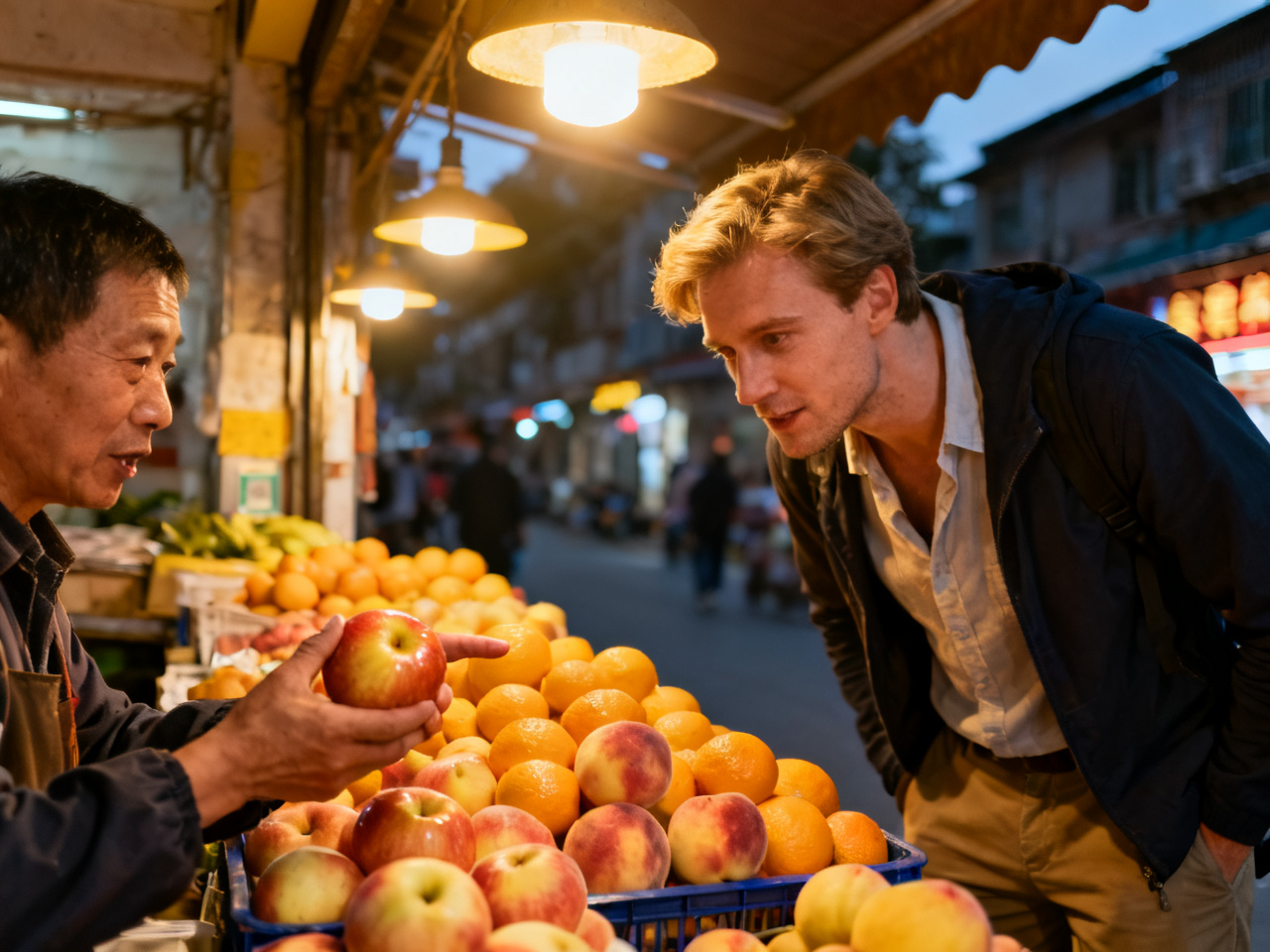
最有意思的是,这种“教”一点也不让人觉得被冒犯。它不是高高在上的纠正,而是一种很自然的、顺手就会发生的分享。老板并没有因为我是外国人就刻意夸张,也没有急着把最贵的卖给我。他更像是在避免我花冤枉钱。那位大姐也不是为了表现自己懂得多,她只是看我挑得太外行,忍不住插了一句。中国很多日常互动给我的感觉就是这样:大家未必会长篇大论地解释规则,但只要你真的身处那个场景里,别人常常会用一句提醒、一个动作、一个示范,把门槛悄悄降下来。你不一定每次都能听懂全部词汇,可你能很快看懂那种“这样会更好”的善意。
What I liked most was that this kind of “teaching” did not feel insulting at all. It was not correction from above. It was a natural kind of sharing that happened almost automatically. The vendor did not exaggerate because I was a foreigner, and he did not rush to push the most expensive fruit on me. He seemed more interested in keeping me from wasting money. The woman beside me was not showing off either. She simply could not resist saying something after seeing how clueless I was. That is how many ordinary interactions in China feel to me. People may not give long explanations of unspoken rules, but once you are actually inside the scene, someone will often lower the barrier with a single reminder, a quick gesture, or a short demonstration. I do not always understand every word, but I can usually recognize the good will behind the message that says, this way will work better.
后来我去水果摊,开始慢慢学会不着急。我会先看摊位上什么是当季的,因为最显眼、堆得最高、被问得最多的,通常也是最近最好卖、更新鲜的。草莓季的时候,塑料篮里会垫着吸水纸,红得发亮;杨梅季的时候,泡沫箱边缘总有一点紫红色的汁水;冬天砂糖橘一筐一筐地堆在门口,手一伸进去,果皮冰凉,带着清苦的橘油香。我也学会问几句很实用的话:这个甜吗,这个是脆的还是软的,要不要放两天,能不能帮我挑几个今晚就能吃的。每次问完,得到的答案都不只是“可以”或“不可以”,而往往是一整串生活信息:这个今天刚到,这批适合家里有小孩吃,那个别买太多,不然明天口感就变了。
Later, when I went to fruit stalls, I started learning not to rush. I would first look at what was in season, because the fruit displayed most prominently, piled highest, and asked about most often was usually what was freshest and selling best. During strawberry season, the berries sat in plastic trays lined with absorbent paper, glossy red under the lights. During bayberry season, foam boxes often showed purple-red stains of leaked juice along the edges. In winter, crates of mandarin oranges stood by the entrance, and when I reached into them, the skins felt cool and released that slightly bitter citrus oil fragrance onto my fingers. I also learned to ask a few practical questions: is this sweet, is it crisp or soft, should it sit for two days, could you help me pick a few that are ready for tonight? The answers were rarely just yes or no. They usually came with a whole chain of lived information: this batch arrived today, that one is good for families with children, do not buy too many of these because the texture will change tomorrow.
我慢慢发现,在中国买水果,价格当然重要,但很多人真正看重的是“值不值”。这个“值”不只是单价低,而是你花出去的钱,能不能换回合适的甜度、合适的成熟度、合适的食用时机。也难怪那么多人愿意和熟悉的摊主长期买。信任一旦建立起来,买水果就不再只是交易,而像一种微型合作。摊主记得你喜欢脆桃还是软桃,记得你家里只有一个人住,记得你上次买的榴莲觉得太生,下一次就会主动帮你避开。我在摊位前排队时,经常听见老顾客说:“你帮我照老样子挑。”这句话我一开始听不懂它的分量,后来才明白,那里面其实有非常浓的日常关系。
I gradually realized that in China, price matters when buying fruit, but what many people truly care about is whether it is worth it. And worth it does not simply mean a low unit price. It means whether the money you spend gets you the right sweetness, the right ripeness, and the right timing for eating. No wonder so many people prefer returning to the same trusted vendor. Once that trust exists, buying fruit stops being just a transaction and starts to feel like a tiny collaboration. The vendor remembers whether you like crisp peaches or soft ones, remembers that you live alone, remembers that you felt the last durian was too under-ripe, and adjusts the next recommendation accordingly. While waiting in line, I often hear regular customers say, “Just pick for me the usual way.” At first I did not understand the weight carried by that sentence. Later I realized it contains a whole ordinary relationship.
有一次我照着学到的方法,自己挑了一袋油桃。老板没说什么,只在称重前捏了捏最上面一个,然后冲我点点头,说“这次会挑了”。那句评价短得不能再短,可我居然有点高兴,像考过了一门极其生活化的考试。回家以后,我把桃子放在厨房台面上,晚饭后洗了一个,咬下去的时候,果肉又脆又多汁,甜味不是立刻炸开,而是慢慢从齿间往上走。那一刻我突然特别明白,为什么这么多人愿意花时间在摊前挑选、询问、比较。因为水果这件事,本来就和日子贴得很近。买得合适,晚上的心情都会更好一点。
Once, using everything I had learned, I chose a bag of nectarines by myself. The vendor said nothing at first. Before weighing them, he squeezed the one on top lightly, then gave me a nod and said, “Now you know how to choose.” The comment was tiny, but I was absurdly pleased, as if I had passed an exam in everyday life. Back home, I left the nectarines on the kitchen counter and washed one after dinner. When I bit into it, the flesh was crisp and full of juice. The sweetness did not explode all at once. It rose gradually between my teeth. In that moment I understood very clearly why people are willing to spend time in front of a fruit stall asking questions, comparing, and selecting carefully. Fruit is tied closely to daily life. If you buy it well, even the mood of your evening improves.
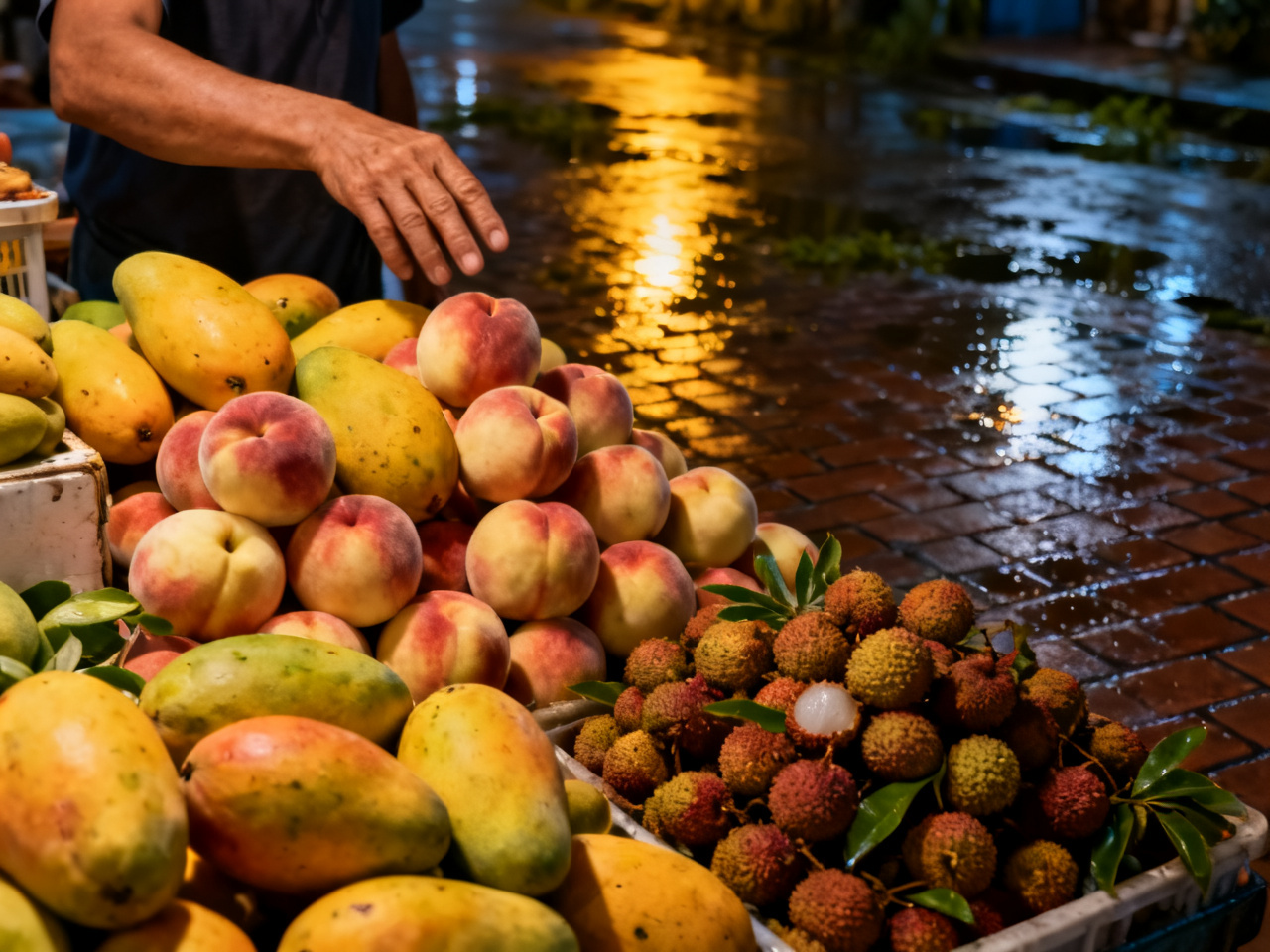
现在如果有刚来中国生活的朋友问我,街边水果摊到底该怎么逛,我会先劝他们别急着表现得很懂。先站一会儿,听别人怎么问,看老板怎么回答,闻闻空气里是什么水果最香,观察哪些箱子被翻得最多、哪些是刚补上的新货。真要买的时候,也不用怕开口,哪怕只会说“帮我挑一下”,往往就已经足够打开交流。对我来说,水果摊最迷人的地方,不只是那里能买到新鲜水果,而是它把一种很具体的中国日常放在你面前:对季节的敏感,对口感的讲究,对小钱也不愿白花的精明,以及陌生人之间那种不算亲密、却愿意顺手教你一点的热心。我每次拎着一袋水果走回小区,听见楼下孩子追跑的声音,闻到谁家厨房飘出的蒜香和酱油香,都会觉得自己不只是买了水果,也又多学会了一点这里的生活方法。
Now, if a friend newly arrived in China asks me how to approach a street fruit stall, I tell them not to rush into pretending they already understand everything. First stand there for a while. Listen to how other people ask questions. Watch how the vendor answers. Notice which fruit smells strongest in the air and which boxes are being searched through most often or newly refilled. When it is time to buy, do not be afraid to speak, even if all you can say is, “Please help me choose.” That alone is often enough to open the interaction. For me, the most charming part of a fruit stall is not simply that it offers fresh produce. It places a very concrete version of everyday China right in front of you: sensitivity to the seasons, attention to texture, a practical reluctance to waste even small amounts of money, and the kind of modest warmth through which strangers are willing to teach you something useful. Every time I carry a bag of fruit back through my compound, hearing children running downstairs and catching the smell of garlic and soy sauce drifting from someone’s kitchen, I feel I have not only bought fruit. I have learned one more way of living here.

- 扬州雨后最动人的,不是园子名气,而是鞋底碰到湿石板的那一下 | In Rainy Yangzhou, the Most Moving Thing Is Not a Famous Garden but the Sound of Shoes on Wet Stone
- 苏州运河边的一碗早面 | A Morning Bowl Beside a Suzhou Canal
- 签证与入境要求 | Visa and Entry Requirements
- 中秋赏月最美地点推荐 | Best Places to Enjoy the Mid-Autumn Moon
- 天津海河边的傍晚,不适合用打卡速度走完 | An Evening by Tianjin’s Haihe River Is Not for Check-In Speed
- 凌晨一点我还敢一个人走回酒店:在中国把安全感走成了日常经验 | At 1 a.m. I Still Walked Back to My Hotel Alone: How Safety in China Became Ordinary to Me
- 第一次在中国面馆学会先看桌上调料再加辣 | The First Lesson I Learned in a Chinese Noodle Shop Was to Check the Table Seasonings Before Adding Chili
- 苏州这种地方,最怕人还没看够,词已经先把它写完了 | A Place Like Suzhou Suffers Most When Words Finish It Before the Eyes Do
- 在潮州把一日三餐走成一条街巷路线 | Eating Through Chaozhou, One Lane at a Time
- 磁湖边跑步者递来的纸巾,让我重新安排黄石的一天 | A Runner’s Tissue Changed How I Planned a Day by Cihu Lake in Huangshi
Comments (0)