
黄山山脚那家白灯小馆,让我在上山前先把胃和心都放平了 | A White-Lit Eatery at the Foot of Huangshan Settled Both My Stomach and My Mind Before the Climb
黄山那顿普通晚饭,比攻略里的招牌菜更真 | One Ordinary Dinner in Huangshan Felt More Real Than Any Famous Dish
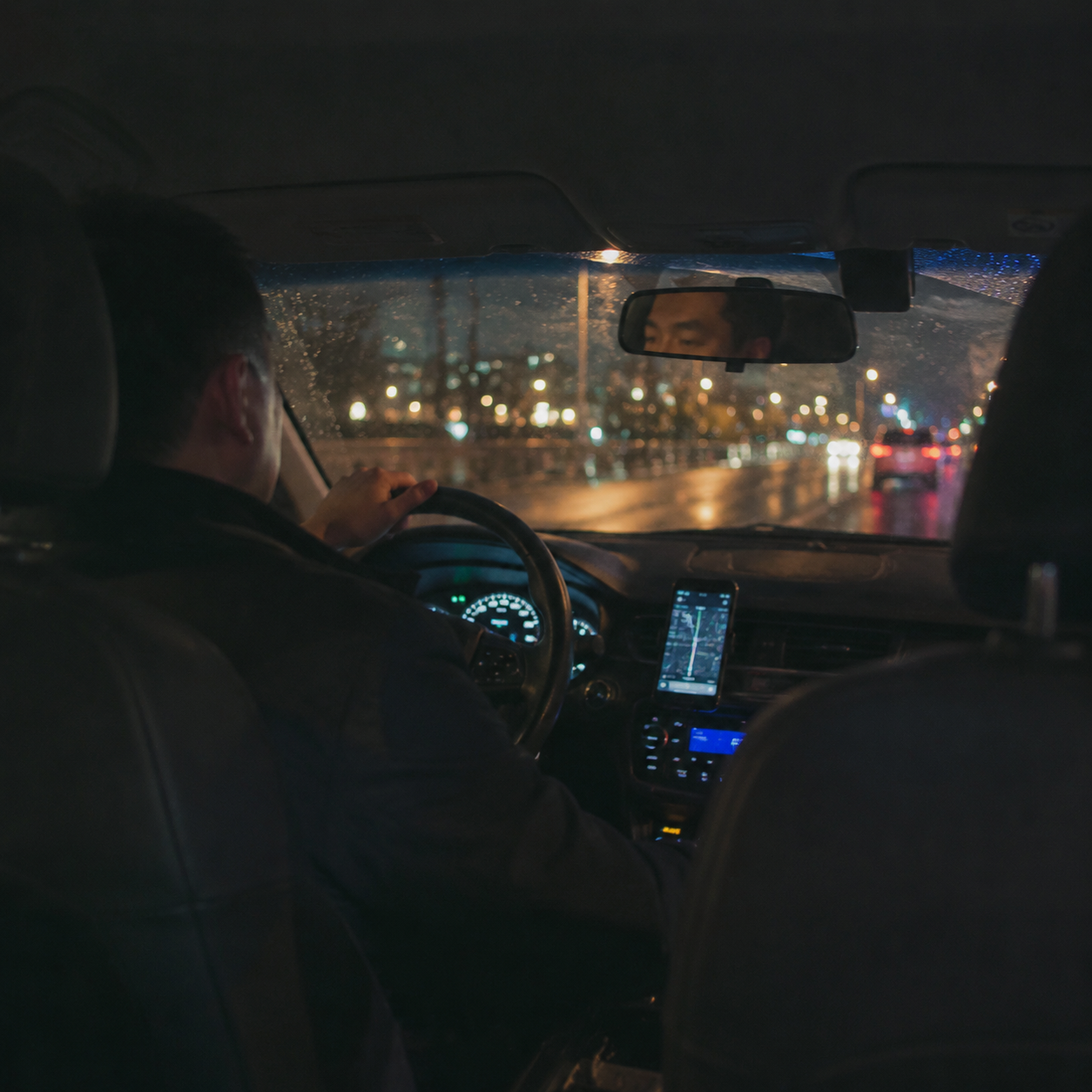
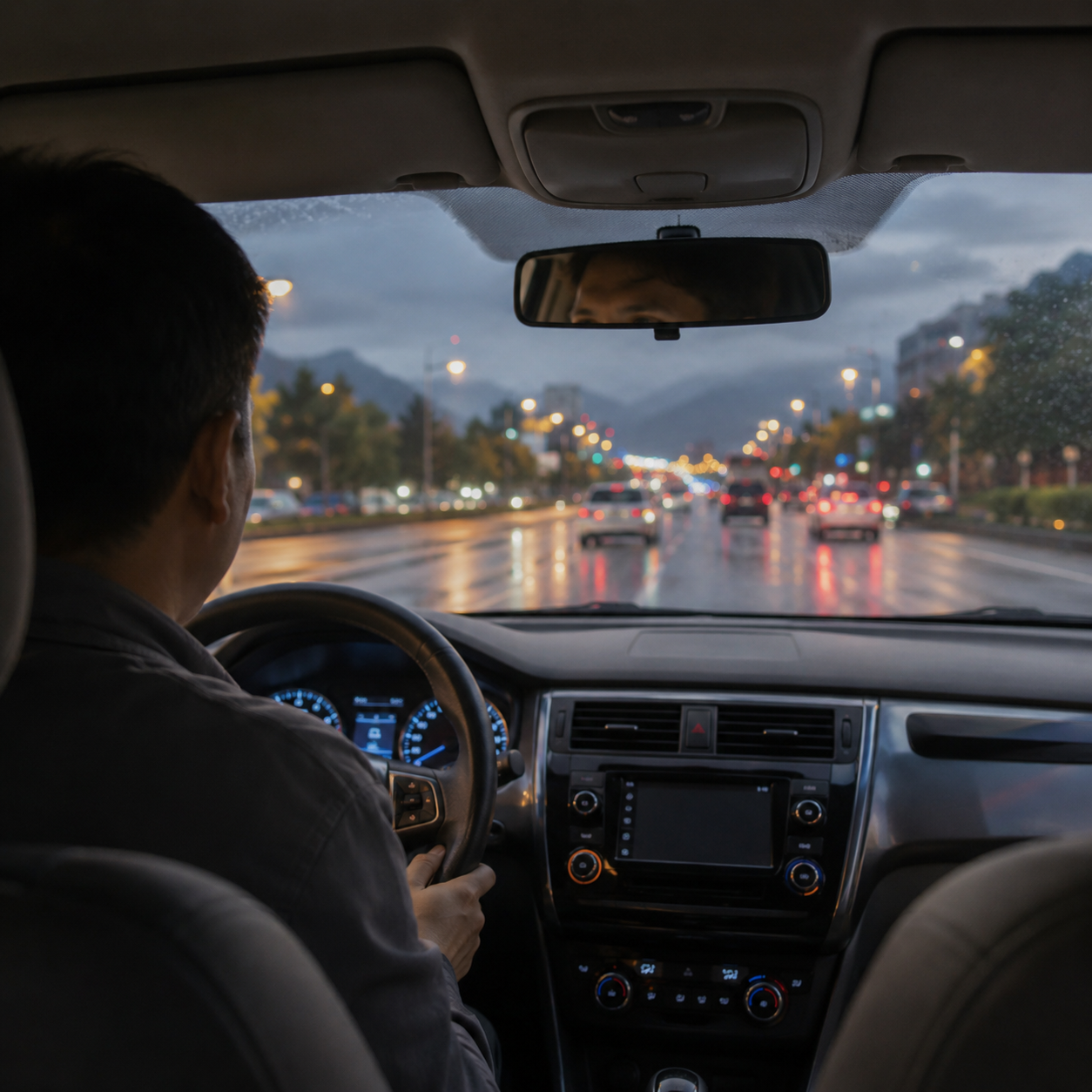
我到黄山市屯溪的时候,天已经擦黑,出租车从机场出来后沿着湿亮的路面往城里开。司机姓汪,左手搭在方向盘上,右手偶尔把车窗降下一点,让雾气散出去。他问我是不是第二天上山,我说是,还说我在手机里收藏了几家评价很高的徽菜馆,想吃臭鳜鱼和毛豆腐。他笑了一下,没有立刻评价,只说今晚别跑太远,雨后路滑,胃也刚从飞机上下来,先吃点热的。我来自加拿大温哥华,习惯在旅行前把每顿饭都标成星号,可那天晚上,真正留在我记忆里的,不是任何被圈出的餐厅,而是一家楼下亮着白灯的小饭馆。
When I arrived in Tunxi, Huangshan City, the sky was already turning dark, and the taxi from the airport drove toward town along wet shining roads. The driver’s surname was Wang. His left hand rested on the steering wheel, and his right hand occasionally lowered the window a little to let the mist out. He asked whether I was going up the mountain the next day. I said yes, and added that I had saved several highly rated Anhui restaurants on my phone because I wanted to try mandarin fish and hairy tofu. He smiled without judging my plan and simply said I should not go too far that night. The road was slippery after rain, and my stomach had just come down from a flight, so I should eat something hot first. I come from Vancouver, Canada, and I am used to marking every travel meal with stars in advance. Yet that night, what stayed in my memory was not any circled restaurant, but a small downstairs eatery lit by a white lamp.
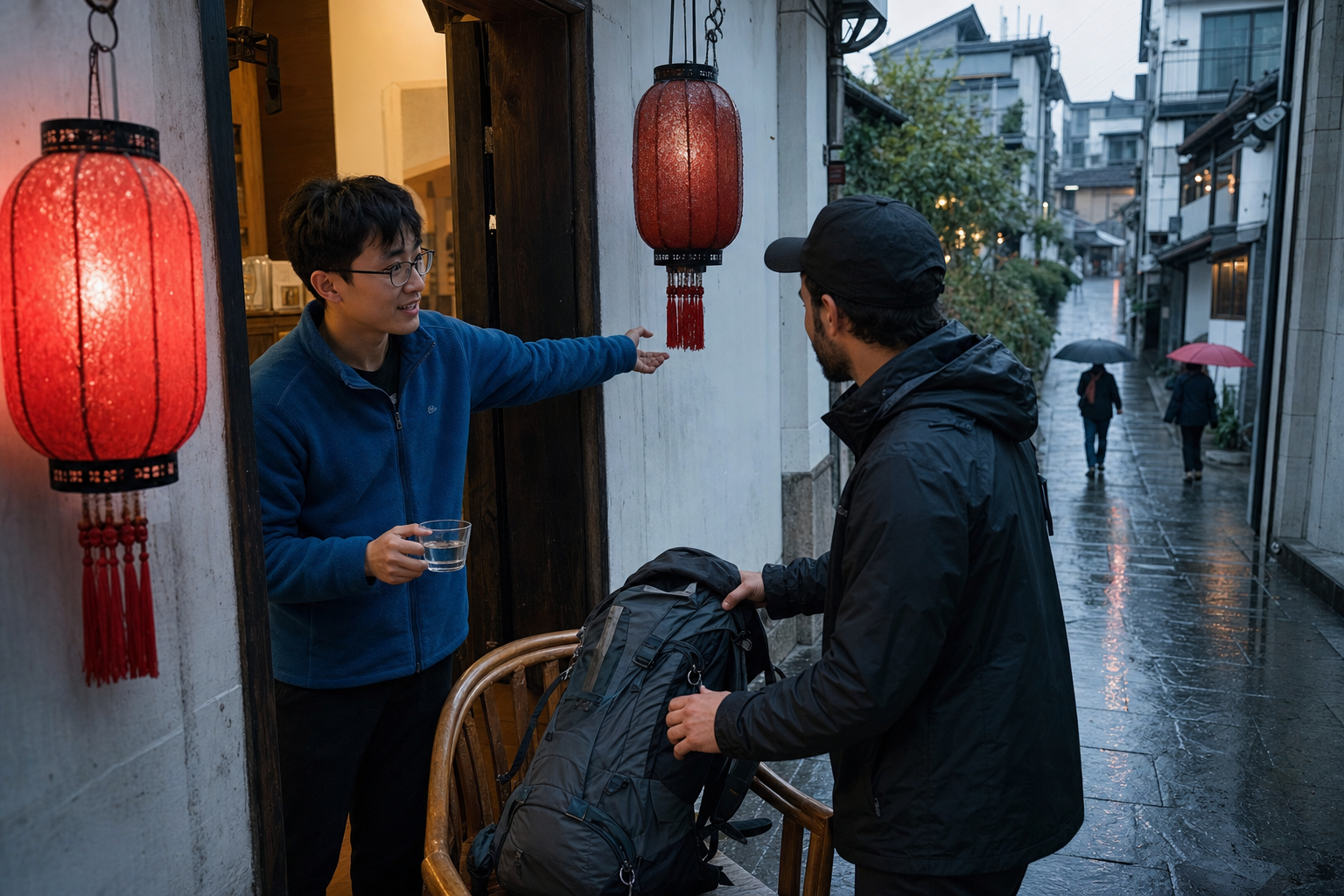
我住的客栈在老街旁边的一条支巷里,门口挂着两只红灯笼,灯笼被雨水打湿,颜色比照片里深。前台小伙子穿一件蓝色抓绒外套,帮我把背包放到木椅上,又递来一杯热水。他听说我还没吃晚饭,便走到门口指给我看:“往前二十米,右手边有家小店,本地人下班吃饭的地方,别看门脸小,汤热。”我问是不是有招牌菜,他想了想,说没有特别会被拍照的东西,但米饭蒸得好。我当时有点犹豫,因为手机里的收藏列表还在提醒我,几百条点评不会无缘无故出现。
My guesthouse stood in a side lane beside the old street. Two red lanterns hung at the entrance, damp from rain, their color deeper than in photos. The young man at the front desk wore a blue fleece jacket. He helped put my backpack on a wooden chair and handed me a cup of hot water. When he heard that I had not eaten dinner, he stepped to the door and pointed. “Twenty meters ahead, on the right, there’s a small place where locals eat after work. Don’t mind the small front. The soup is hot.” I asked whether it had a signature dish. He thought for a moment and said nothing there was especially made for photographs, but the rice was steamed well. I hesitated then, because the saved list on my phone still seemed to remind me that hundreds of reviews could not have appeared for no reason.
我最后还是按他说的方向走了过去。小店的招牌只有四个字,白底红字,边缘有一点褪色。门口摆着两只塑料水桶,一只装着洗干净的青菜,一只装着几把沾着泥的笋。玻璃门没有完全关严,热气从缝里钻出来,带着猪油、蒜末和米饭的味道。我推门进去时,屋里六张桌子已经坐了四张,一桌是穿工装的三位男人,一桌是带孩子的年轻夫妻,还有两位老人面对面吃面,没有一个人拿着相机。我的鞋底在瓷砖上轻轻打滑,老板娘从灶台后抬头,说外面雨大,先坐下暖暖。
In the end, I followed his direction. The shop sign had only four Chinese characters, red on a white background, slightly faded at the edges. At the entrance stood two plastic buckets: one filled with washed greens, the other with several muddy bamboo shoots. The glass door was not fully closed, and steam slipped out through the gap, carrying the smell of lard, minced garlic, and rice. When I pushed the door open, four of the six tables were already occupied. At one sat three men in work uniforms, at another a young couple with a child, and at another two elderly people eating noodles face to face. No one held a camera. My soles slipped lightly on the tiles, and the owner looked up from behind the stove, saying the rain outside was heavy and I should sit down to warm up first.
菜单写在墙上的白板上,有些字被水汽糊得边缘发虚。我认识的字不多,只能看懂青菜、豆腐、鸡蛋和汤。老板娘看出我的迟疑,拿着铅笔走过来,问我能不能吃辣。我说一点点可以,但明天爬山,不想太油。她点头,像已经替我把选择缩小到合适的范围,然后在小本子上写下番茄鸡蛋汤、青菜炒豆干和一小份笋干烧肉。我问有没有臭鳜鱼,她笑着说有是有,可一个人晚上吃那个太撑,而且现在时间晚了,点小菜配饭就够。她说这句话时很自然,好像她负责的不是推销,而是让我今晚睡得安稳。
The menu was written on a whiteboard on the wall, some characters blurred at the edges by steam. I recognized only a few words: greens, tofu, egg, and soup. The owner saw my hesitation, came over with a pencil, and asked whether I could eat spicy food. I said a little was fine, but I would climb the mountain the next day and did not want anything too oily. She nodded, as if she had already narrowed the choices to what suited me, then wrote in her small notebook: tomato egg soup, stir-fried greens with dried tofu, and a small portion of pork with dried bamboo shoots. I asked whether they had mandarin fish. She smiled and said yes, they did, but for one person at night it would be too heavy, and since it was late, a few small dishes with rice would be enough. She said this naturally, as if her duty was not to sell more, but to help me sleep well that night.
我坐在靠墙的位置,背后是一张黄山迎客松的旧海报,海报角上用透明胶补过。厨房和餐厅之间没有门,油锅响起来时,整个小店像被一阵细小的雨点敲响。穿工装的男人们在说山下工地的事,语速快,我只能听见“明早”“材料”“师傅”几个词。年轻夫妻的孩子把一块豆腐夹掉在桌上,父亲没有责备,只用筷子把豆腐推回碗边,母亲从包里拿出纸巾擦桌。这样的晚饭没有任何戏剧性,却让我忽然放松下来,因为它不需要我表现成一个懂行的游客。
I sat by the wall, with an old poster of Huangshan’s Welcoming Pine behind me, one corner repaired with clear tape. There was no door between the kitchen and the dining area. When the oil in the wok began to crackle, the whole little shop seemed struck by tiny raindrops. The men in work uniforms were talking about a construction site below the mountain, speaking quickly. I could catch only a few words: tomorrow morning, materials, master worker. The child of the young couple dropped a piece of tofu onto the table. The father did not scold him, only used chopsticks to push it back toward the bowl, while the mother took a tissue from her bag and wiped the table. The dinner had no drama, yet I suddenly relaxed, because it did not require me to perform as a knowledgeable traveler.
第一道上来的是番茄鸡蛋汤。白瓷碗很大,汤面冒着热气,蛋花散得细,番茄煮到边缘起皱,红色渗进汤里。我舀了一勺,酸味先到,随后是鸡蛋的柔软和一点葱花的清香。飞机上的冷三明治、机场的咖啡、出租车里的潮湿空气,好像都被这口汤慢慢安放到身体里。老板娘经过时看了看我的碗,说热就慢点喝,别烫着。我点头,却还是忍不住又喝了一口。那种热不是精致餐厅里被介绍出来的热,而是从灶火、碗壁和人的提醒里一起传来的热。
The first dish to arrive was tomato egg soup. The white porcelain bowl was large, steam rising from the surface. The egg ribbons were fine, and the tomatoes had been cooked until their edges wrinkled, red seeping into the broth. I took a spoonful. Sourness arrived first, followed by the softness of egg and a little freshness from scallions. The cold airplane sandwich, airport coffee, and damp taxi air seemed slowly settled back into my body by that mouthful of soup. As the owner passed, she glanced at my bowl and said I should drink slowly while it was hot and not burn myself. I nodded but still could not resist another sip. That warmth was not the kind announced in a refined restaurant. It came from the stove flame, the bowl’s wall, and a person’s reminder all at once.
青菜炒豆干很快也来了。青菜不是摆盘用的整齐形状,有的叶子大,有的梗长,豆干切得薄厚不一,边缘被锅气烫出一点褐色。它吃起来有一种朴素的脆,盐放得刚好,蒜末不抢味。笋干烧肉则被装在一个小砂锅里,肉块不大,肥的部分已经炖得透明,笋干吸了汤汁,咬下去有微微的韧。它没有我想象中“名菜”那种必须记住的姿态,却每一口都在提醒我,这个地方的山、雨、竹子和人的耐心,原来可以藏在一道小菜里。
The stir-fried greens with dried tofu arrived soon after. The greens were not arranged into neat shapes for presentation; some leaves were large, some stems long. The dried tofu was sliced in uneven thickness, its edges browned slightly by wok heat. It tasted plainly crisp, with the salt just right and the minced garlic not overpowering. The pork with dried bamboo shoots came in a small clay pot. The pieces of pork were not large, and the fatty parts had been stewed until translucent. The dried bamboo shoots had absorbed the sauce and gave a slight chew when bitten. It did not have the posture of a famous dish that demanded to be remembered, yet every mouthful reminded me that the mountains, rain, bamboo, and human patience of this place could hide inside one small dish.
吃到一半时,外面的雨又大了,玻璃门被风推得轻轻响。一个穿雨衣的外卖员进来取餐,头发上全是水珠。他没有坐下,只把保温箱打开,老板从厨房递出两份打包饭,又往袋子里多塞了一包纸巾。外卖员说了声谢谢,转身前看见我用筷子夹笋干夹得很笨,便笑着用手势告诉我要从下面托住。我跟着学,终于没有让笋干掉回碗里。我们没有共同语言,却因为一片笋干短暂地站在同一边。
Halfway through the meal, the rain outside grew heavier, and the glass door rattled lightly in the wind. A delivery rider in a raincoat came in to pick up an order, his hair dotted with water. He did not sit down. He opened his insulated box, and the owner handed two packed meals from the kitchen, then added an extra packet of tissues into the bag. The rider thanked her. Before turning away, he saw me clumsily trying to pick up a piece of dried bamboo shoot with chopsticks and smiled, gesturing that I should support it from underneath. I followed his movement and finally kept the bamboo shoot from falling back into the bowl. We shared no common language, but for a brief moment we stood on the same side because of one slice of bamboo shoot.
隔壁桌的老人注意到我是外国人,问我从哪里来。我说加拿大,他点点头,说黄山冬天也有外国人来,但现在这个季节雨多,山上云雾重,看风景要靠运气。我问他明天会不会看见云海。他没有直接给我希望,只说山上的天气和人的脾气一样,不能催。他的妻子补了一句,早上出门前吃饱一点,山路上风大。我把这两句话记在手机备忘录里,比任何景点介绍都更让我安心。因为它们不是为了让我兴奋,而是为了让我少受一点罪。
The elderly man at the next table noticed that I was a foreigner and asked where I came from. I said Canada. He nodded and said foreigners also visited Huangshan in winter, but in this season there was a lot of rain and heavy mist on the mountain, so scenery depended on luck. I asked whether I would see a sea of clouds the next day. He did not give me easy hope. He only said the weather on the mountain was like a person’s temper and could not be rushed. His wife added that I should eat enough before leaving in the morning because the wind on the mountain paths was strong. I wrote those two sentences into my phone notes, and they comforted me more than any scenic description. They were not meant to excite me; they were meant to spare me discomfort.
我原本以为旅行里的好饭需要有明确的名字和故事,最好还要有一段可以讲给朋友听的历史。可这顿饭的好处恰恰在于它没有努力证明自己。米饭盛在普通不锈钢碗里,碗边有一处小小的凹痕;汤勺柄上印着已经褪色的花;墙角的电风扇在冬天仍挂着,只是没有打开。所有东西都像长期生活的一部分,而不是为我临时摆出来的场景。我在这样的环境里吃饭,感觉自己不是被邀请观看黄山,而是被允许在黄山脚下坐一会儿。
I had thought that a good travel meal needed a clear name and story, preferably with a piece of history I could tell friends. But the virtue of this meal was precisely that it did not try to prove itself. The rice was served in an ordinary stainless steel bowl with a small dent on the rim; the soup spoon handle had faded flowers printed on it; an electric fan still hung in the corner in winter, simply not turned on. Everything seemed part of long-term life rather than a scene arranged temporarily for me. Eating in that environment, I did not feel invited to watch Huangshan. I felt allowed to sit for a while at its foot.
老板的儿子大约十二三岁,背着书包从外面进来,鞋上沾了泥。他先喊了一声妈,再把书包放到柜台后面。老板娘一边翻锅一边问他作业多不多,他含糊地答了一句,然后站到水池边洗手。洗完手,他没有立刻吃饭,而是帮忙把一盘炒青菜端到老人桌上。老人说他长高了,他有点不好意思,低头笑。这个瞬间比墙上那张迎客松海报更像迎客,因为它没有把我放在中心,却让我看见这里真正的中心在哪里:家庭、饭点、熟人的一句话、孩子在店里长大的痕迹。
The owner’s son, about twelve or thirteen, came in from outside with a schoolbag and mud on his shoes. He first called out to his mother, then put the bag behind the counter. While tossing food in the wok, the owner asked whether he had much homework. He gave a vague answer and went to wash his hands by the sink. After washing, he did not immediately eat. Instead, he helped carry a plate of stir-fried greens to the elderly couple’s table. The old man said he had grown taller, and the boy lowered his head with an embarrassed smile. That moment felt more welcoming than the Welcoming Pine poster on the wall, because it did not put me at the center. It let me see where the real center was: family, mealtime, a familiar sentence, and the traces of a child growing up inside the shop.
结账时,我发现这一顿比我预想的便宜许多。老板娘按计算器,屏幕上跳出数字,她又看了一眼桌上剩下的一点汤,问我要不要打包米饭,明早热一下也行。我说不用,明早客栈有早饭。她点头,从柜台边拿出一小包纸巾塞给我,说上山带着,风大时有用。我想起自己背包里那些精心准备的装备,防水袋、充电宝、登山袜,每一样都来自出发前的计划,而这包纸巾来自一顿饭后的现实。它轻得几乎没有重量,却让我觉得行李更完整了。
When I paid, I found the meal much cheaper than I had expected. The owner used a calculator, the number appearing on the screen. Then she glanced at the little soup left on the table and asked whether I wanted to pack some rice, saying I could heat it the next morning. I said no, because the guesthouse had breakfast. She nodded, took a small packet of tissues from beside the counter, and pushed it toward me, saying I should carry it up the mountain because it would be useful when the wind was strong. I thought of all the carefully prepared items in my backpack: waterproof bags, power banks, hiking socks, each born from planning before departure. This packet of tissues came from the reality after a meal. It was almost weightless, yet it made my luggage feel more complete.
回客栈的路上,老街的店铺还亮着,有卖烧饼的,有卖茶叶的,也有卖木雕小件的。游客比白天少,石板路上积着水,灯光在水里晃。我经过一家我原本收藏的餐厅,门口挂着醒目的菜单,照片拍得很亮,菜名也很漂亮。若是早几个小时,我可能会坚定地走进去,认真比较哪道菜更代表徽州。可吃过那顿普通晚饭后,我忽然不急着证明自己吃到了“正确”的东西。一个地方的真实,有时不是排在榜单前面,而是藏在有人问你能不能吃辣、明天几点出门、汤会不会烫的语气里。
On the way back to the guesthouse, the old street shops were still lit: some selling baked flatbreads, some tea leaves, some small woodcarvings. There were fewer tourists than during the day. Water had gathered on the stone road, and lights shook inside it. I passed a restaurant I had originally saved. A bright menu hung at the door, the photos were vivid, and the dish names were beautiful. A few hours earlier, I might have walked in firmly and compared which dish best represented Huizhou. But after that ordinary dinner, I no longer felt urgent about proving I had eaten the correct thing. The reality of a place is sometimes not at the top of a list. It hides in the tone with which someone asks whether you can eat spicy food, what time you will leave tomorrow, and whether the soup is too hot.
第二天早上五点半,我在客栈餐厅吃早饭。桌上有粥、馒头、咸菜和鸡蛋,窗外天色还是蓝黑色。我把昨晚那包纸巾放进外套口袋,又在手机里删掉了几个原本安排得太满的用餐地点。不是因为它们不好,而是因为我终于承认,旅行不必每一步都提前占满。上山的车来接人时,司机催大家快一点,我背起包,口袋里的纸巾轻轻摩擦外套。那声音很小,却像昨晚小店里锅铲碰到铁锅的回声。
At 5:30 the next morning, I ate breakfast in the guesthouse dining room. On the table were congee, steamed buns, pickles, and eggs, while outside the window the sky was still blue-black. I put the packet of tissues from the previous night into my jacket pocket and deleted several meal stops from my phone itinerary that had been too tightly arranged. Not because they were bad, but because I finally admitted that travel did not need every step filled in advance. When the mountain shuttle arrived and the driver urged everyone to hurry, I lifted my backpack, and the tissues in my pocket rubbed softly against the jacket. The sound was tiny, yet it felt like an echo of the spatula touching the wok in the small restaurant.
山路盘旋向上,雾越来越厚,车窗外的树影一层层退去。我旁边坐着一位上海来的阿姨,她看我一直望着窗外,问我昨晚吃了什么。我说番茄鸡蛋汤、青菜豆干、笋干烧肉。她笑了,说这不就是家常菜吗。我说是,可我觉得很好。她点点头,说爬山前吃家常菜最稳,肚子不会闹脾气。听到这句,我突然明白那顿饭为什么比招牌菜更真:它没有把黄山变成一个必须被消费的名词,而是把我这个远道而来的人,先安放成一个可以好好走路、好好看雾、好好感到冷和热的身体。
The mountain road wound upward, the mist growing thicker, and the shadows of trees outside the window receded layer by layer. Beside me sat a woman from Shanghai. Seeing me keep looking out, she asked what I had eaten the night before. I said tomato egg soup, greens with dried tofu, and pork with dried bamboo shoots. She laughed and said, “Isn’t that just home cooking?” I said yes, but I thought it was very good. She nodded and said home cooking before climbing was the most stable kind of meal, because the stomach would not lose its temper. Hearing that, I suddenly understood why that dinner felt more real than a signature dish: it did not turn Huangshan into a name that had to be consumed. It first settled me, a person from far away, back into a body that could walk properly, watch mist properly, and feel cold and warmth properly.
到了换乘点,雨停了一会儿,远处山形在雾里露出又藏起。我摸到口袋里的纸巾,想起老板娘说风大时有用。周围游客忙着整理登山杖和雨衣,我也把鞋带重新系紧。那一刻,我并没有后悔没去吃收藏夹里的名店。相反,我觉得自己已经从山脚得到一种不显眼的许可:不必把每一次旅行都做成展示,不必把每一顿饭都吃成证明。普通晚饭的力量就在于,它让人从奔波里落地,然后带着一点热汤留下的耐心,继续往山里走。
At the transfer point, the rain stopped for a while, and the mountain shapes appeared and disappeared in the mist. I touched the tissues in my pocket and remembered the owner saying they would be useful when the wind was strong. Around me, tourists were adjusting trekking poles and raincoats, and I retied my shoelaces. In that moment, I did not regret missing the famous restaurants saved in my phone. Instead, I felt I had already received an unobtrusive permission from the foot of the mountain: not every trip had to become a display, and not every meal had to become proof. The strength of an ordinary dinner was that it let a person land after moving too much, then continue toward the mountains with a little patience left by hot soup.
- 广东广西10日海陆游 | 10-Day Guangdong-Guangxi Sea & Land Tour
- 扬州早茶的一场耐心训练 | A Lesson in Patience at Yangzhou Morning Tea
- 第一次在中国社区医院挂普通门诊,我先学会的不是看病,而是先找分诊台 | The First Thing I Learned at a Chinese Community Hospital Was Not the Consultation, but Finding Triage First
- 我在中国早餐摊前慢慢看懂,大家为什么总有自己的固定搭配 | At Chinese Breakfast Stalls, I Slowly Understood Why Everyone Seems to Have a Usual Combo
- 从汉服到旗袍,我在中国各朝代的衣柜里翻了个遍 | I Raided the Wardrobe of Every Chinese Dynasty and Here's What I Found
- 青岛夜里最重要的准备,不在背包里,而在你肯不肯及时收住脚步 | The Most Important Preparation for a Qingdao Night Is Not in the Bag but in Knowing When to Slow Down
- 第一次在中国小区门口等人,我学会站在门侧别贴着门禁 | The First Time I Waited Outside a Chinese Compound Gate, I Learned to Stand to the Side Instead of Pressing Up Against the Access Door
- 我在中国景区接驳车排队时,第一次学会先看阴凉处而不是先冲最前面 | At a Chinese Scenic Shuttle Queue, I First Learned to Look for Shade Instead of Charging to the Front
- 行李打包清单:来中国旅行该带什么 | Packing List: What to Bring for a Trip to China
- 在平遥城墙内看一座县城醒来 | Watching Pingyao Wake Inside Its City Walls
Comments (0)