
我在中国早餐摊前慢慢看懂,大家为什么总有自己的固定搭配 | At Chinese Breakfast Stalls, I Slowly Understood Why Everyone Seems to Have a Usual Combo
我在中国早餐摊前慢慢看懂,大家为什么总有自己的固定搭配 | At Chinese Breakfast Stalls, I Slowly Understood Why Everyone Seems to Have a Usual Combo
我刚开始在中国吃早餐时,总把它当成点单题。面前有什么,就选一个自己认识的:包子、豆浆、鸡蛋饼、油条,或者便利店里最容易判断的面包和牛奶。可吃得久了我才发现,本地人早上往往不是“单点一个”,而是很自然地有一套固定搭配。有人永远是豆浆加两根油条,有人买粥再配茶叶蛋,有人拿一个煎饼再顺手加杯无糖豆浆。那种熟练感很明显,像不是在选择,而是在执行一个早晨已经被身体记住的顺序。
When I first started eating breakfast in China, I treated it like an ordering puzzle. I would choose one item I recognized: buns, soy milk, jianbing, youtiao, or the easiest convenience-store combination of bread and milk. But after enough mornings, I realized that locals usually are not “ordering one item.” They naturally have a fixed combo. Someone always gets soy milk with two youtiao, someone buys congee with a tea egg, someone takes a jianbing and automatically adds an unsweetened soy milk. The smoothness of it is obvious. It feels less like choosing and more like carrying out a sequence the body already remembers.
真正让我开始注意这件事,是在一个上班日的清晨。我站在早餐铺旁边,前面的人几乎都不用低头看菜单。轮到谁,谁就直接报出那套组合,店员连袋子大小和打包方式都像能提前猜到。我一开始觉得这只是熟客优势,后来才明白,早餐固定搭配背后其实是生活节奏。中国很多城市的工作日早晨很紧,大家需要的是稳定、快、合口味,而且最好一路拿着就能走。一个人的早餐组合,不只是口味选择,也是一种和通勤、肠胃、预算、时间磨合出来的日常系统。
What made me start noticing this was an ordinary workday morning. I stood beside a breakfast stall and saw that almost nobody ahead of me looked down at the menu. When their turn came, they simply stated the combination, and the vendor seemed able to predict even the bag size and packing style in advance. At first I thought this was just the advantage of being a regular. Later I understood that fixed breakfast combos are really about life rhythm. In many Chinese cities, weekday mornings are tight. People need something stable, quick, suitable for their taste, and ideally easy to carry away. A breakfast combo is not only a taste preference. It is a small daily system shaped by commute, digestion, budget, and time.
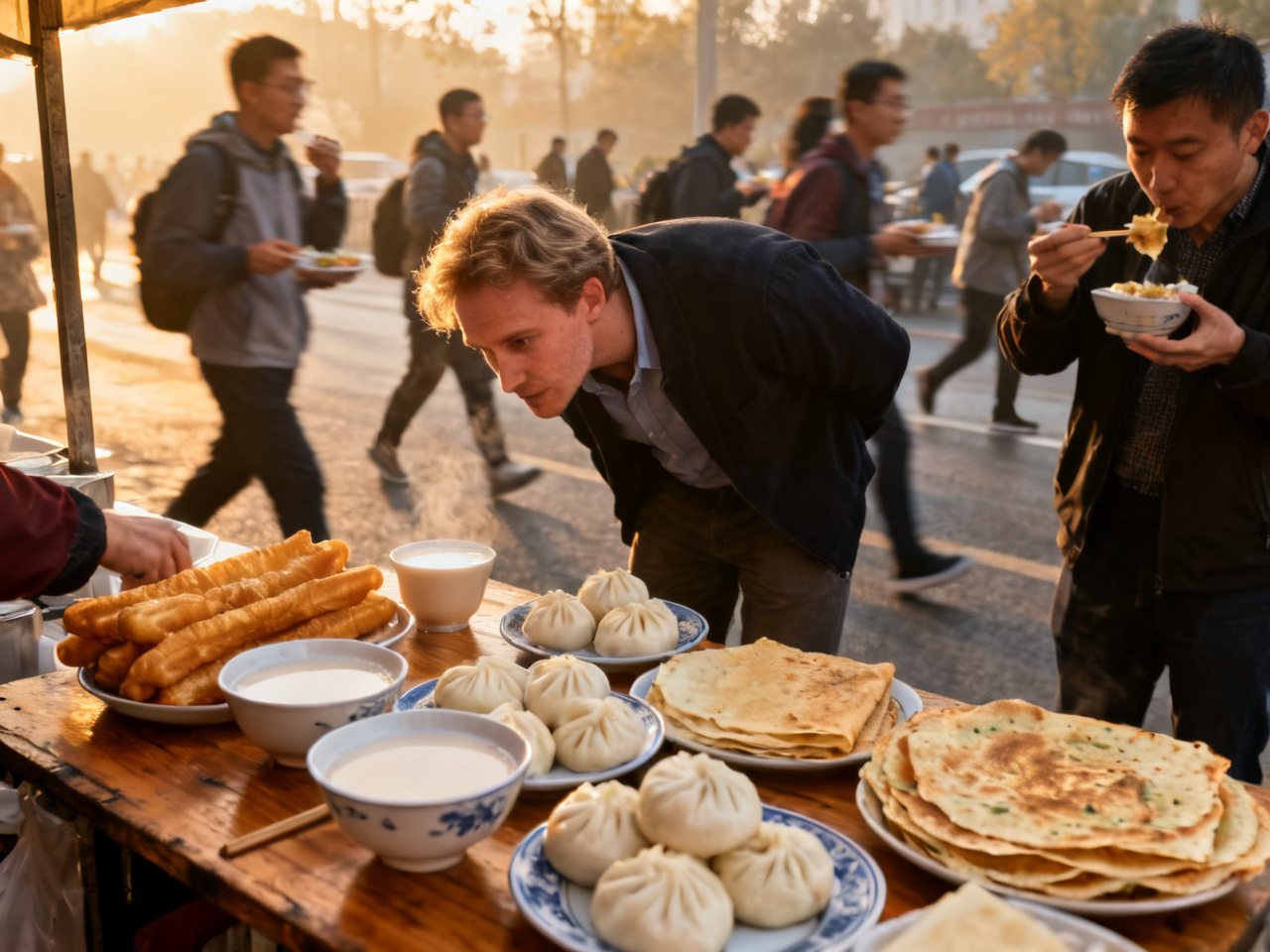
后来我也开始试着观察“为什么这样配”。比如油条常常不是单独吃,而是和豆浆、豆腐脑或者粥放在一起;包子也常常不是一袋结束,还会再加一个蛋或一杯热饮。甜、咸、软、脆、热、方便拿,这些因素其实都在里面。你慢慢会发现,中国早餐的组合感很强,不像只是几个食物并排出现,而像彼此补位。一个东西负责顶饱,一个东西负责顺口,一个东西负责把整顿早餐变得更完整。等我看懂这一层以后,早餐摊对我来说就不再只是“选项太多”,而开始变成可以读懂别人生活方式的地方。
Later I started observing why certain things were paired. Youtiao is often not eaten alone, but with soy milk, doufunao, or congee. A bag of buns often does not end the order by itself either. People may add an egg or a hot drink. Sweet, savory, soft, crisp, hot, portable—these factors are all part of it. Gradually you notice that Chinese breakfasts have a strong sense of combination. The foods are not just sitting next to one another. They are filling in for each other. One item provides fullness, one provides smoothness, one makes the whole meal feel complete. Once I understood that layer, breakfast stalls stopped feeling like a place with too many options and started feeling like a place where you could read how other people organize daily life.
我也有过一点小小的顿悟时刻。有段时间我总是随便买一个饼就走,结果到十点多就会饿,或者觉得太干。后来我学着给自己配一套:如果买煎饼,就配豆浆;如果拿包子,就顺手加个鸡蛋;如果那天赶时间,只能在地铁口买,就优先选最容易边走边吃、又不会太腻的组合。这个变化很普通,却让我第一次觉得自己不是在“中国吃早餐”,而是在慢慢形成属于自己的中国早餐习惯。那种感觉很像你终于不再每次都临时决定,而是身体已经提前知道什么样的早晨需要什么样的搭配。
I had a small moment of realization too. For a while, I kept randomly buying one flatbread and leaving, only to get hungry again by ten o’clock or feel that the meal was too dry. Later I learned to build my own combinations. If I bought jianbing, I paired it with soy milk. If I took buns, I added an egg. If I was in a hurry and could only buy something near the metro, I prioritized a combination that was easy to eat while walking and not too greasy. The change was ordinary, but it made me feel for the first time that I was not merely “having breakfast in China.” I was gradually forming my own Chinese breakfast habits. It felt like reaching the point where I no longer had to decide from scratch every morning because my body already knew what kind of breakfast suited what kind of day.
后来我越来越觉得,早餐搭配这件事很适合外国人拿来观察中国生活。因为它足够小,不会有太高压力,却又非常真实地反映节奏。你只要在摊前多站几分钟,就会看见谁是来得及慢慢吃的,谁是一看就是要冲去上班的,谁习惯热饮,谁宁愿全程拿着走。我也因此更认同先从细小而重复的日常动作进入本地生活。有些理解,不是靠一次深度旅行得到的,而是靠你连续看了很多个普通早晨以后,突然自己长出来的。
I eventually felt that breakfast combinations are one of the best small ways for foreigners to observe life in China. The stakes are low, but the reality is vivid. If you stand at a stall for a few minutes, you can immediately see who has time to eat slowly, who is clearly rushing to work, who always wants a hot drink, and who prefers something that can be carried the whole way. That made me agree even more strongly with the idea of entering local life through small repeated daily actions. Some kinds of understanding do not arrive through one dramatic trip. They grow quietly after you have watched many ordinary mornings in a row.
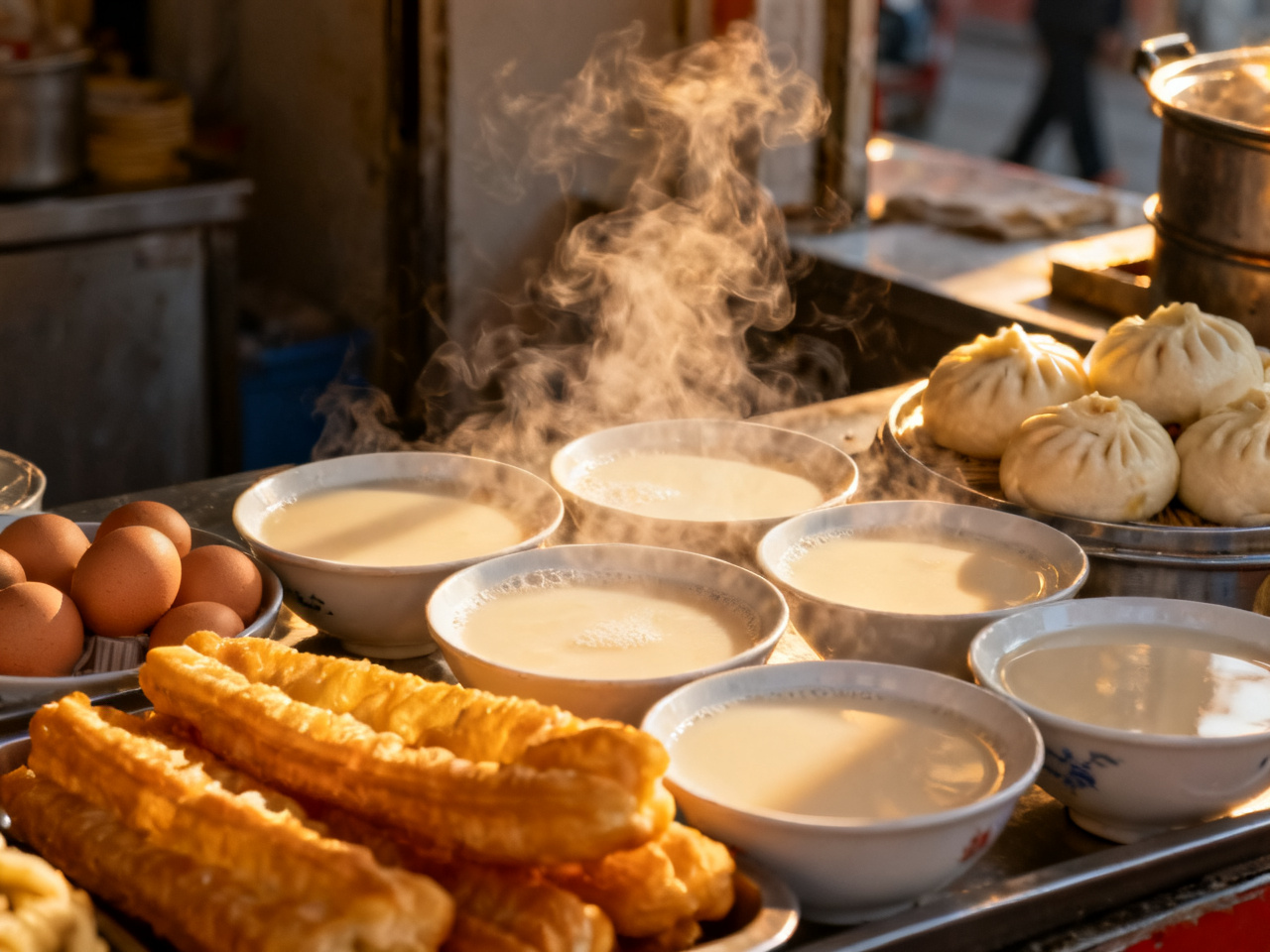
现在如果有人问我,在中国早餐里最值得学的不是哪一种单品,而是什么,我会说:学会看搭配。看大家怎么用两三样东西把一个工作日清晨过顺,看什么组合让自己既舒服又不慌。你不一定要复制别人那一套,但一旦开始理解这种“固定组合”的逻辑,早餐就会从游客视角的尝鲜,慢慢变成一种真正属于日常的熟悉感。对我来说,那正是中国早餐最迷人的地方。
If someone asks me now what is most worth learning from Chinese breakfast culture, I would not name one item. I would say: learn to notice the combinations. Watch how people use two or three small things to make a weekday morning run smoothly, and find which patterns make you feel fed without feeling rushed. You do not need to copy someone else’s exact set. But once you begin to understand the logic of the usual combo, breakfast shifts from tourist-style sampling into a genuine sense of daily familiarity. For me, that is exactly what makes breakfast in China so appealing.

- 磁湖边跑步者递来的纸巾,让我重新安排黄石的一天 | A Runner’s Tissue Changed How I Planned a Day by Cihu Lake in Huangshi
- 合肥路口那些半秒钟的互让,比任何介绍都更像城市说明书 | The Half-Second Acts of Yielding at Hefei Crossings Explain the City Better Than Any Guide
- 中国旅游最佳季节与气候指南 | Best Seasons & Climate Guide for China Travel
- 中国跨城旅行怎么管钱:预算分桶法实战 | Budget Buckets for China Trips: A Practical Money System
- 我在扬州瘦西湖边躲五月小雨,才知道一个人旅行也可以很热闹 | Hiding from a May Shower by Slender West Lake, I Learned Solo Travel Can Still Feel Full of Company
- 南京早餐摊前的队伍,让我第一次看懂城市早晨 | A Breakfast Queue in Nanjing Helped Me Read a City’s Morning
- 我在上海学会先看地铁口周边,再决定在哪家咖啡馆坐下 | In Shanghai I Learned to Read the Metro Exit Area Before Choosing a Café
- 从大连到湛江:中国沿海城市的海鲜吃法 | Seafood Along China's Coast: From Dalian to Zhanjiang
- 中国高铁怎么买票?外国人全流程指南 | How to Buy China's High-Speed Rail Tickets: A Complete Guide for Foreigners
- 中国购物砍价技巧:市场景区与网购 | Bargaining in China: Markets, Scenic Spots & Online Shopping
Comments (0)