
第一次在中国社区医院挂普通门诊,我先学会的不是看病,而是先找分诊台 | The First Thing I Learned at a Chinese Community Hospital Was Not the Consultation, but Finding Triage First
第一次在中国社区医院挂普通门诊,我先学会的不是看病,而是先找分诊台 | The First Thing I Learned at a Chinese Community Hospital Was Not the Consultation, but Finding Triage First
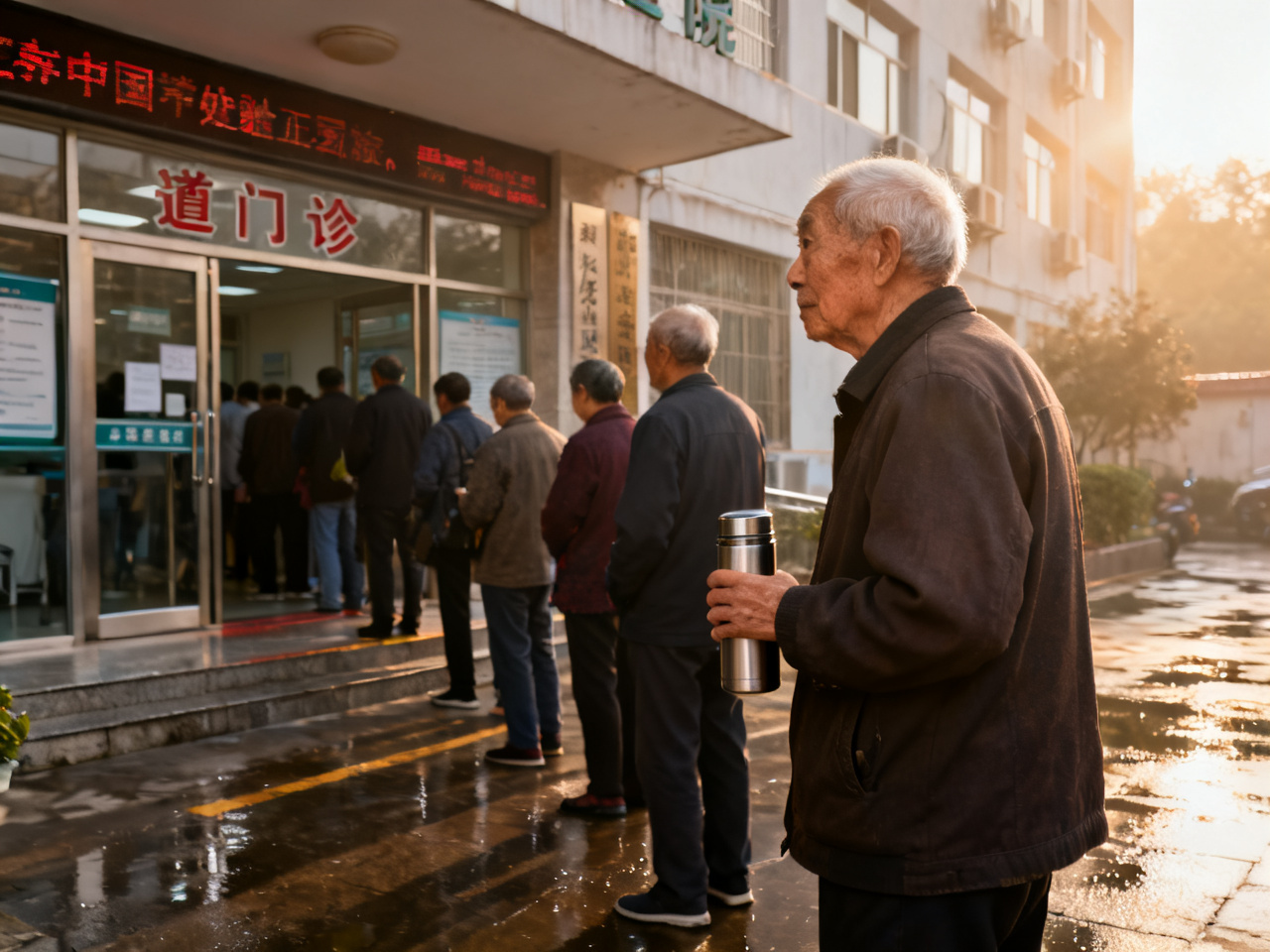
我第一次去中国社区医院看普通门诊,是一个天刚亮的早晨。门口的树影还带着一点潮气,地上昨晚洒水留下的痕迹没有完全干,几位老人已经站在入口外慢慢排成一列,有人手里拿着医保卡,有人拎着保温杯,还有人一边低头看手机里的预约信息,一边往前挪半步。空气里有很淡的消毒水味,也混着清晨街边豆浆店飘来的甜香。对我这个外国人来说,社区医院以前一直像一个有点模糊的概念:我知道它比大医院小,离居民更近,却总以为里面的流程会更混乱,自己这种中文不算流利的人进去以后,多半要靠运气。
The first time I went to a Chinese community hospital for a general outpatient visit, it was just after sunrise. The shadows of the trees outside still held a little dampness, and the marks from water sprayed on the ground the night before had not fully dried. A few older people were already lining up slowly at the entrance. Some held medical insurance cards, some carried thermos cups, and some looked down at appointment information on their phones while shuffling forward by half a step. The air carried a faint disinfectant smell mixed with the sweetness drifting over from a soybean milk shop nearby. As a foreigner, I had always thought of a community hospital as something a little vague. I knew it was smaller than a major hospital and closer to neighborhood life, but I assumed the process inside would be more confusing, and that someone like me, with only decent Chinese, would mostly have to rely on luck.
真正走进去以后,我先犯了一个很典型的新手错误。我看到一排人在窗口前等着,就下意识跟着站了过去,心里只想着先拿号。窗口上方的电子屏一闪一闪,旁边的墙上贴着门诊时间、慢病管理宣传和接种提醒,屋里说话声不算大,却一直没有停过。有人问化验单什么时候取,有人低声咳嗽,有塑料凳在地砖上被拖动时那种轻轻的摩擦声。我站了差不多两分钟,前面队伍却一点没动,反而旁边穿制服的保安看了我一眼,走过来说:“先去分诊台,不是在这里直接排。”那一刻我有点尴尬,但更多的是松了一口气,因为至少终于有人把最关键的第一步告诉我了。
Once I actually went inside, I made a very typical beginner’s mistake. I saw a line in front of a window and instinctively joined it, thinking only that I needed to get a number first. The electronic screen above the counter flickered. Posters on the wall listed outpatient hours, chronic disease management notices, and vaccination reminders. The room was not loud, but it never became quiet either. Someone was asking when lab results would be ready. Someone else was coughing softly. Plastic stools made that light scraping sound against the tile floor. I had been standing there for about two minutes when the line did not move at all. Then a security guard in uniform glanced at me and came over to say, “Go to the triage desk first. You don’t line up here directly.” I felt a little embarrassed in that moment, but even more relieved, because at least someone had finally told me the most important first step.
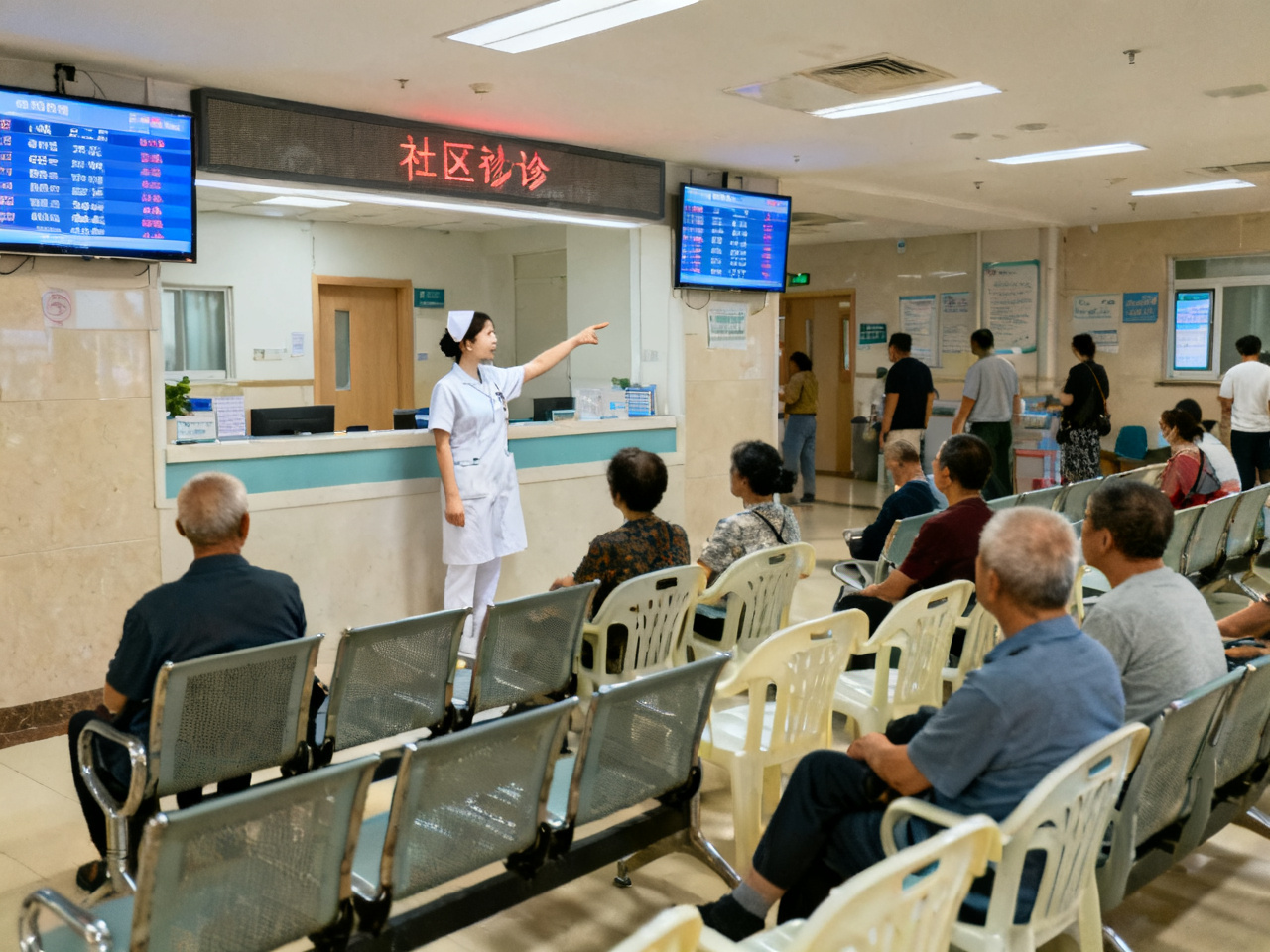
后来我才明白,我以前以为最难的是“怎么开口”,其实更难的是先看懂空间里的顺序。社区医院不像我想象中那样混乱,它只是有一套自己的入口逻辑。先到分诊台,护士会问你大概哪里不舒服,是感冒发烧、肠胃问题,还是只是想开点常见药;如果已经预约,她会看一下信息;如果没有,她也会告诉你该去哪个科室、在哪个机器或窗口挂号。整个过程并没有谁特别照顾我,但也没有谁故意让事情变难。分诊台后的护士说话很快,却很清楚,手指往旁边一指,我马上就知道下一步该往哪里走。那种感觉很像突然拿到一张简化地图:路线本来就在那里,只是我刚进门时还不会读。
Later I realized that what I had imagined would be hardest was not actually speaking Chinese, but understanding the sequence of the space itself. The community hospital was not chaotic in the way I had imagined. It simply had its own entry logic. First go to the triage desk. The nurse asks roughly what is wrong—whether it is a cold, a fever, a stomach issue, or simply a need for common medication. If you already have an appointment, she checks the information. If not, she tells you which department to visit and where to register, whether at a machine or a counter. No one gave me special treatment, but no one made things difficult on purpose either. The nurse behind the triage desk spoke quickly but clearly, and when she pointed to the side, I immediately knew where to go next. It felt like being handed a simplified map: the route had always existed, but I had not known how to read it when I first entered.
最让我印象深刻的,其实不是设备或者环境,而是这里那种很日常、很社区化的节奏。候诊区没有大医院那种压得人发紧的密度,更多的是邻里生活被轻轻延长到医疗空间里的感觉。坐在我旁边的阿姨一边等号,一边把刚买的青菜放在脚边;一个爷爷熟练地把病历本、身份证和手机排在腿上,像是在准备一件早就做惯的小事;另一边有年轻妈妈抱着孩子,小声哄他别乱摸墙。分诊护士对不同人说的话也很不一样,对老人会多重复一句,对第一次来的人会指路指得更细一点。这里让我感受到的,不是冰冷的效率,而是一种被大量重复练习过的、温和的实用主义。
What stayed with me most was not the equipment or even the building itself, but the ordinary, neighborhood rhythm of the place. The waiting area did not have the dense, pressurized atmosphere of a major hospital. Instead, it felt as if daily community life had simply extended itself gently into a medical space. The auntie sitting beside me had a bag of fresh vegetables by her feet while she waited for her number. An older man had arranged his medical booklet, ID card, and phone neatly on his lap, as if preparing for something he had done countless times before. On the other side, a young mother held her child and quietly told him not to touch the wall. The triage nurse spoke differently to different people too. She repeated things more carefully to elderly patients and gave more specific directions to first-time visitors. What I felt there was not cold efficiency, but a kind of practical gentleness shaped by repetition.
我以前总以为,外国人在中国看病最容易卡住的地方一定是语言。语言当然重要,可那天以后我发现,很多时候真正决定体验顺不顺的,是你有没有先抓住几个关键词和几个关键位置。比如“分诊台”“挂号”“候诊”“普通门诊”,这些词一旦听熟了,整件事就会突然从一团紧张,变成一串可以跟上的步骤。保安提醒我先去分诊台以后,我后面遇到的每一步都比想象中简单:护士问诊很直接,挂号窗口没有故意为难,医生看诊时也没有因为我是外国人就表现出额外的不耐烦。相反,只要我把症状说得尽量清楚,流程就自然往前走。
I had always assumed that language would be the biggest obstacle for a foreigner seeking care in China. Language does matter, of course, but after that morning I realized that what often matters even more is whether you catch a few key words and identify a few key locations first. Once terms like “triage desk,” “registration,” “waiting area,” and “general outpatient clinic” become familiar, the whole experience changes from a blur of anxiety into a sequence you can actually follow. After the guard sent me to the triage desk, every step that followed was easier than I had expected. The nurse’s questions were direct. The registration counter did not make things unnecessarily difficult. The doctor did not seem especially impatient just because I was foreign. On the contrary, as long as I explained my symptoms as clearly as I could, the process kept moving forward naturally.
还有一点让我改观很大:社区医院里的帮助,常常不是那种正式得很重的帮助,而是很短、很有效的提醒。保安告诉我“先去分诊台”,只有七个字,却省掉了我继续站错队的尴尬;护士抬头看了我一眼,说“普通内科在那边”,也只是顺手一指,却让我马上找到了正确方向。中国很多公共空间里,我都越来越能感受到这种风格——不一定有人长篇解释规则,但只要你真的卡住了,往往会有人用一句简短的话把你拨回正轨。这种帮助很轻,却很有用,因为它默认你也是这个空间里可以学会规则的人。
Another thing that changed my impression was how help in a community hospital often comes not as a dramatic act of assistance, but as short, effective correction. The guard told me, “Go to triage first,” just a few words, yet that spared me the embarrassment of continuing in the wrong line. The nurse looked up and said, “General internal medicine is over there,” with a quick gesture, and that was enough to set me on the right path. I have increasingly noticed this style in many public spaces in China. People do not always explain the rules at length, but if you are genuinely stuck, someone often nudges you back into place with one brief sentence. It is a light kind of help, but a useful one, because it assumes that you too are capable of learning how the space works.
后来第二次、第三次再去类似的社区医院,我已经知道一进门先别盯着窗口排队,而是先找分诊台、电子屏和导诊标识。这个变化很小,却让我明显没有第一次那么紧张。甚至有一次,我还下意识给另一个看起来有点犹豫的外国人让了下位置,顺手对他说:“先问那边护士。”说出口以后,我自己都笑了,因为我突然意识到,我已经从那个一大早站错队、心里发虚的人,变成了能够把这个流程简单解释给别人听的人。中国社区医院教会我的,不只是怎么看一次普通门诊,更是一种进入日常系统的方式:别急着把陌生感全归结为困难,先找到第一个正确的台子,很多事情就会跟着顺起来。
By the second and third time I visited similar community hospitals, I already knew not to fixate on whichever counter had a line first, but to look instead for the triage desk, the electronic screen, and the guidance signs. It was a small change, but it made me much less nervous than the first time. In fact, on one later visit I instinctively made room for another foreigner who looked uncertain and casually told him, “Ask that nurse first.” I laughed after saying it, because I realized I had changed from the person standing in the wrong line at daybreak, quietly panicking, into someone who could explain the process simply to another newcomer. What Chinese community hospitals taught me was not only how to attend a general outpatient visit, but how to enter an everyday system: do not rush to interpret unfamiliarity as difficulty. Find the first correct desk, and many other things will start falling into place.
顺着这个判断方法继续看,中国看病流程和外国人在中国就医也能互相印证。
Following the same way of reading a scene, 中国看病流程 and 外国人在中国就医 also reinforce this habit from other angles.
现在如果有人问我,第一次在中国社区医院看普通门诊最实用的建议是什么,我不会先说准备多复杂的中文句子。我会先说:进门先找分诊台,别盲目排队;把症状用最简单的词想清楚;看不懂的时候,不要硬撑,直接问“普通门诊在哪儿”。社区医院的价值,本来就在于它离日常生活很近,也因此有一种更容易被读懂的秩序。对我来说,那次清晨的小插曲把一个原本让我有点发怵的地方,变成了一个可以慢慢熟悉的公共空间。我先学会的不是怎样看病,而是怎样不站错第一步。可有时候,正是这第一步,决定了后面的一切会不会顺利。
Now, if someone asks me for the most practical advice about visiting a Chinese community hospital for general outpatient care the first time, I would not begin with memorizing complicated Chinese sentences. I would say this instead: look for the triage desk before joining any line; reduce your symptoms to the simplest words you can; and if you do not understand something, do not pretend—just ask, “Where is the general clinic?” Part of the value of a community hospital is precisely that it sits so close to everyday life, and because of that it often has a kind of order that can be learned more easily. For me, that small morning mistake transformed a place that had once made me uneasy into a public space I could gradually become familiar with. The first thing I learned was not how to see a doctor, but how not to stand in the wrong place at the start. And sometimes that first step determines whether everything that follows will go smoothly.

- 从武夷山下来,在茶桌上理解岩韵 | Understanding Rock Rhyme at a Wuyi Tea Table
- 天还没热起来,长安早市已经把一天的味道摆出来了 | Before the Heat Rose, Chang'an's Morning Market Had Already Laid Out the Flavor of the Day
- 我在公寓快递架前学会的第一课,是别把自己的方便放在别人通道中间 | The First Lesson I Learned at My Apartment Delivery Shelf Was Not to Put My Convenience in Other People’s Way
- 真正让我看懂苏州的,从来不是多看了几个园林,而是顺序终于排对了一次 | What Finally Made Suzhou Click for Me Was Never Seeing More Gardens but Getting the Sequence Right Once
- 中国白酒与黄酒:送礼自饮怎么选 | Chinese Baijiu & Huangjiu: Gift & Tasting Guide
- 广西山水5日行程:桂林阳朔龙脊梯田 | 5-Day Guangxi: Guilin, Yangshuo & Longji Terraces
- 佛山老街那家杂货铺门前的圆灯,把一整条街照得比名片更真实 | The Round Lamp Outside a Foshan Old-Street General Store Lit the Street More Truthfully Than Any Brochure
- 中国旅游紧急情况处理手册 | Emergency Handbook for China Travel
- 海河风正冷的时候,一家小馆先把我的天津安顿下来了 | On a Cold Haihe Evening, a Small Eatery Settled Me into Tianjin
- 外国人在中国用高铁:从订票到进站全流程 | China High-Speed Rail for Foreign Travelers: End-to-End Guide
Comments (0)