
第一次在中国小区门口等人,我学会站在门侧别贴着门禁 | The First Time I Waited Outside a Chinese Compound Gate, I Learned to Stand to the Side Instead of Pressing Up Against the Access Door
第一次在中国小区门口等人,我学会站在门侧别贴着门禁 | The First Time I Waited Outside a Chinese Compound Gate, I Learned to Stand to the Side Instead of Pressing Up Against the Access Door
我第一次晚上站在中国小区门禁前等朋友下来接我时,以为自己已经做得很体贴了。那天有点晚,门口灯很亮,门禁机上的小屏幕一闪一闪,偶尔发出“滴”的一声,旁边还有快递车停着,两个外卖员低头看手机确认楼号。作为一个外国人,我那时已经在中国住了一段时间,自觉学会了不少“别给别人添麻烦”的生活细节。所以当我走到那扇门前,第一反应就是尽量靠近一点,觉得这样朋友一开门,我就能立刻进去,不耽误任何人,也显得自己不是在门口犹犹豫豫地挡路。现在回头看,这正是我那晚犯错的起点。
The first time I stood outside a Chinese residential compound gate at night waiting for a friend to come down and let me in, I thought I was already being considerate. It was fairly late. The lights at the entrance were bright, the small screen on the access machine flashed softly, and every now and then there was a clear electronic beep. A delivery tricycle was parked nearby, and two food couriers were looking down at their phones to confirm building numbers. As a foreigner, I had already been living in China for a while by then, and I felt I had learned quite a few everyday habits about not causing inconvenience. So when I approached the door, my instinct was to stand as close to it as possible. I thought that if my friend opened it, I could enter immediately, delay no one, and avoid looking awkward or uncertain at the entrance. Looking back now, that was exactly where my mistake began.
我贴着门站着,一只手拿着手机准备随时回消息,另一只手还下意识扶了一下背包带。门是那种住户刷卡、刷脸或者输密码进出的门,中间透明,两边金属框,开合速度不慢。我当时只从自己的角度想问题:我在等人,我不进去,所以我只要别乱走就好。可我完全没有意识到,门禁这种地方的“礼貌”并不是离门越近越好,而是要给门本身的开合轨迹、给进出的人流、给刷卡的人留出空间。就在我站得很理所当然的时候,门突然从里面打开,一个住户推门出来,差点和我迎面撞上。
I stood almost pressed against the door, one hand holding my phone ready to reply to a message and the other unconsciously adjusting my backpack strap. It was the kind of access gate residents could open by swiping a card, using facial recognition, or entering a code: transparent in the middle, metal-framed at the sides, and quick to swing open. At the time, I was thinking only from my own perspective. I was waiting for someone, not entering yet, so as long as I did not wander around, I thought I was fine. What I had completely failed to realize was that at an access point like this, politeness does not mean standing as close to the door as possible. It means leaving room for the door’s movement, for the flow of people entering and exiting, and for the resident using the system. While I was standing there with complete confidence, the door suddenly opened from inside and a resident almost walked straight into me.
对方没生气,只是愣了一下,下意识往旁边一避。我自己反而先慌了,赶紧往后退,可一退又退得太正中,还是没有真正让开。也就是这个有点尴尬的瞬间,旁边的保安开口提醒我,说等人的话站侧边一点,不要贴门口。我立刻点头,一边道歉一边挪到旁边去。那句提醒非常简单,没有批评的语气,却让我一下子明白了问题所在。我以为自己在减少麻烦,其实我是在把门禁口最关键的那块空间占住。对于每天都从这里进进出出的人来说,这种站位会让整个动作变得别扭。
The resident was not angry. He simply froze for half a second and instinctively shifted aside. I was the one who panicked first. I stepped backward quickly, but in doing so I moved into the middle instead of actually clearing the path. It was in that slightly awkward moment that the security guard nearby spoke up. If you are waiting for someone, he said, stand a bit to the side and do not stay right in front of the door. I nodded immediately, apologized, and moved over. The reminder was extremely simple and carried no scolding tone at all, yet it made the issue instantly clear. I had thought I was minimizing inconvenience, but in fact I was occupying the single most important space at the entrance. For people who pass through that gate every day, that kind of positioning makes the whole movement clumsy.
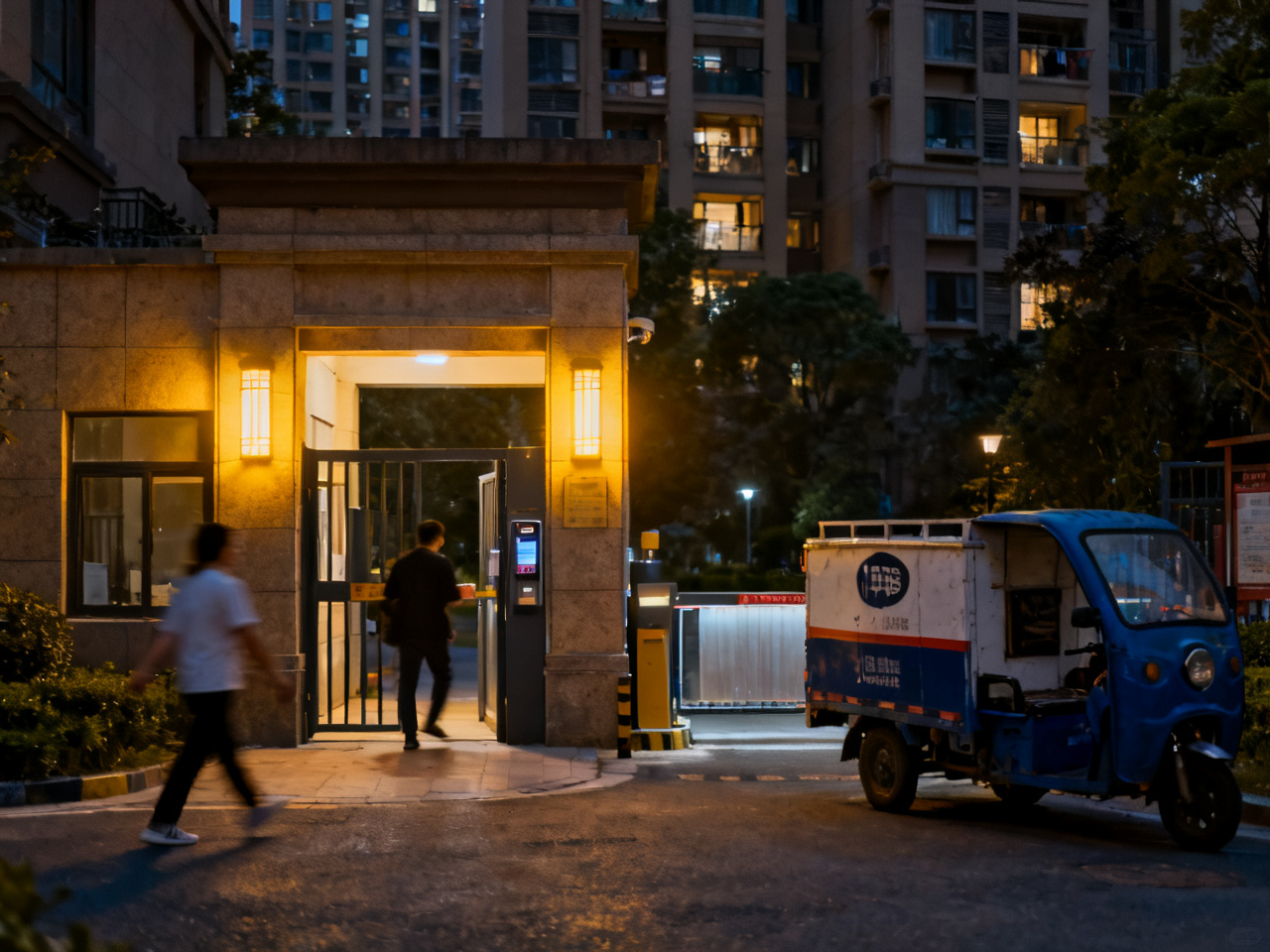
我站到侧边后,整个画面在我眼里突然就不一样了。原来从住户的角度看,刷门禁的人需要先靠近感应区,门开之后有的人直接进,有的人还要回头扶一下孩子、拉一下买菜车、给后面的人留门。如果有人像我刚才那样贴在门前,不管是进还是出,都会多一个绕开的动作。这个动作只多半步,可在中国这种高频使用的公共边界上,半步就已经足够打断节奏。门禁前不是私人等待区,而是一个不断有人短暂停留又立刻流动起来的过渡地带。你站在哪里,决定了别人是顺着走,还是得先让你。
Once I moved to the side, the whole scene looked different to me. From a resident’s point of view, the person opening the gate needs to approach the sensor area first. After the door unlocks, some people walk straight in, while others turn to steady a child, pull a shopping trolley, or hold the door for someone behind them. If a person like I had been is stuck directly in front of the opening, both entry and exit require an extra sidestep. That sidestep is only half a step, but in a place in China that gets used constantly throughout the day, half a step is enough to break the rhythm. The area in front of a compound access door is not a private waiting zone. It is a transitional space where people pause briefly and then move again. Where you stand determines whether others can pass smoothly or have to first pass around you.
没过多久,我朋友从里面发来消息,说马上下来。我这次没有再凑到门前,而是靠着一边的墙,留出门正前方和刷卡区。短短几分钟里,我看到好几种不同的进出方式:有人刷卡后一边接电话一边进门,有人骑着电动车慢慢推过来,有一位阿姨手里提着两袋菜,门一开她几乎不需要停顿就能顺势过去。因为我已经侧开,这些动作都显得特别顺。也正是在那几分钟里,我第一次意识到,中国很多日常空间并没有写出非常详细的“等待教程”,但大家会靠长期使用形成一种默认站位。你要做的不是表现得热情地凑上去,而是看懂那个空出来的位置为什么要空着。
Not long after that, my friend sent a message saying he was coming down. This time I did not move back toward the door. I stayed near the wall at the side, leaving the area directly in front of the entrance and the access sensor clear. In just a few minutes, I watched several different kinds of movement pass through: someone swiped a card while continuing a phone call, someone slowly pushed an e-bike forward, and one woman carrying two heavy grocery bags moved through the opening almost without breaking stride once the door unlocked. Because I had moved aside, all of these actions looked remarkably smooth. And it was in those few minutes that I first realized something important: many everyday spaces in China do not come with detailed written instructions for how to wait, but regular use creates a default position that people understand. Your job is not to show eagerness by moving closer. Your job is to notice why that open space needs to remain open.
我朋友下来后,顺手帮我开了门。我进门时下意识回头看了一眼自己刚才站过的地方,突然有点想笑。那块地方看起来明明就像一个不该久站的位置:门轴一转就会扫过,住户出来时视线第一时间会经过,刷卡的人也需要贴近设备。如果不是被提醒,我可能还会继续以“我很配合”的心态站在那里,完全不知道自己其实在制造一种轻微但持续的阻碍。很多时候,一个外来者最大的误区不是故意不守规矩,而是把自己的礼貌想象成通用礼貌。
When my friend came down, he opened the gate for me casually. As I walked in, I glanced back at the spot where I had been standing before and almost laughed. It looked so obviously like a place where no one should linger: the door swings through it, residents exiting look through it first, and anyone opening the gate needs access to the control area nearby. If no one had corrected me, I might have continued standing there in the sincere belief that I was being cooperative, without realizing I was creating a small but constant obstruction. Very often, the biggest mistake an outsider makes is not deliberate rudeness. It is assuming that one’s own version of politeness is automatically universal.
后来类似的场景我又遇到过很多次。等外卖员进楼、等朋友刷门禁、等快递放行,我都会先看一眼门的开向、住户的行走路线、感应区的位置,再决定自己站哪儿。有时只是往侧边挪半步,整个感觉就完全不同:别人不会因为你而减速,你自己也不会在门一开时突然手足无措。这种经验很难在旅行攻略里被写出来,因为它实在太小了;可如果你长期在中国生活,你会发现这种“小到不值得写”的站位感,恰恰决定了你看起来是紧张地卡在空间里,还是已经懂得怎么和空间合作。
I have encountered similar situations many times since then. Whether waiting for a delivery rider to be let into a building, waiting for a friend to swipe into a compound, or standing by while a courier gets access, I now first look at the direction the door opens, the route residents naturally take, and where the sensor or keypad is located before deciding where I should stand. Sometimes shifting by only half a step changes everything: other people no longer need to slow down because of you, and you no longer become flustered the moment the door opens. This kind of lesson rarely appears in travel guides because it is too small to seem worth mentioning. Yet if you live in China for any length of time, you realize that precisely this kind of “too small to write down” spatial awareness determines whether you seem awkwardly stuck in a place or already know how to cooperate with it.
我也越来越能理解保安那句提醒背后的分寸感。他没有说“不要站这儿”那么生硬,也没有把我当成不懂事的人训一顿,只是说“往侧边让半步”。这半步特别有意思,因为它不是把我赶走,而是告诉我应该如何存在于这个场景里。你仍然可以等人,仍然可以靠近门口,仍然可以准备随时进去;但你要把正中的通道和门的运动范围让出来。对一个在中国学习日常规则的外国人来说,这种提醒非常宝贵,因为它教的不是抽象道理,而是一个马上就能用上的位置。
I have also come to appreciate the sense of proportion in the guard’s wording. He did not say something stiff like, “Don’t stand here,” nor did he scold me as if I were being childish. He simply told me to shift half a step to the side. That half-step matters. It did not drive me away; it showed me how to remain in the scene correctly. I could still wait for my friend. I could still stay near the entrance. I could still be ready to go in the moment the door opened. I just needed to give up the central passage and the door’s movement path. For a foreigner learning the unwritten rules of everyday life in China, that kind of correction is extremely valuable because it teaches not an abstract principle but an immediately usable position.
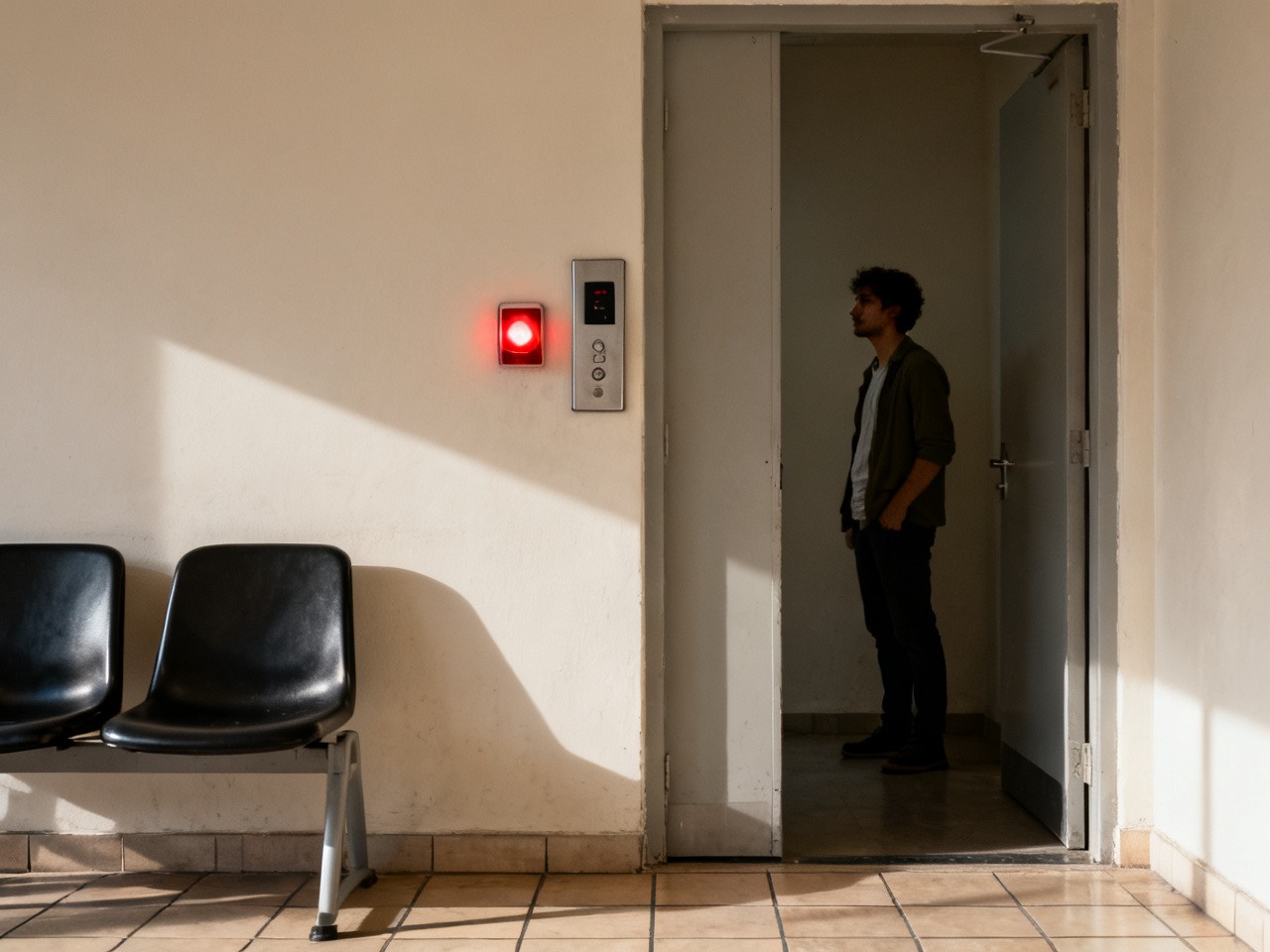
现在每当我在中国小区门口等人,我都会想起那个夜晚。它让我学会的其实不只是“别贴着门站”,而是一种更广泛的公共边界意识:有些地方看似只是过道,实际上承载着很多人的连续动作;有些礼貌看似是靠近,实际上真正的体面是让出缝隙。中国的很多秩序感,不一定靠大声提醒,也不一定都写在牌子上,而是藏在别人每天重复的站位、转身、让路和开门动作里。那天晚上,我站错了地方,却也因此第一次真正看懂,给别人留出一条顺手的路线,就是给自己留出一种不狼狈的体面。
Now whenever I wait for someone outside a residential compound gate in China, I think back to that night. What it taught me was not just “don’t stand right up against the door,” but a broader awareness of public thresholds. Some places look like mere passageways, yet in reality they carry a chain of continuous movements for many different people. Some forms of politeness look like moving closer, but real grace is often a matter of leaving a gap. A great deal of order in China is maintained not through loud correction and not always through signs on the wall, but through the repeated daily choreography of where people stand, how they turn, when they yield, and how they open a door. That night, I stood in the wrong place, and because of that, I understood for the first time that leaving others a smooth path is also a way of giving yourself a more dignified one.

- 我在中国老小区晾衣绳下学会的,是先看天气,也先看邻里的节奏 | Under the Laundry Lines of an Old Chinese Residential Compound, I Learned to Watch the Weather and the Neighborhood Rhythm First
- 早上七点,广州人已经喝了两轮茶 | Morning Tea in Guangzhou: A Ritual Before the Rest of China Wakes Up
- 一根提线停在掌心时,我在泉州听见了海风 | When a Puppet String Rested in a Palm, I Heard the Sea Wind in Quanzhou
- 中国旅游最佳季节与气候指南 | Best Seasons & Climate Guide for China Travel
- 中国书法艺术 | The Art of Chinese Calligraphy
- 海南环岛自驾7天:三亚万宁博鳌 | 7-Day Hainan Island Drive: Sanya, Wanning & Boao
- 签证与入境要求 | Visa and Entry Requirements
- 第一次一个人进中国银行,我学会先取号再去找窗口 | The First Time I Entered a Chinese Bank Alone, I Learned to Take a Number Before Looking for a Counter
- 中国西部丝绸之路探险 | Silk Road Adventures in Western China
- 在喀什,先让我停下来的不是景点,而是路口边那只刚出炉的馕 | In Kashgar, It Was Not a Landmark but a Fresh Naan Beside the Crossing That Made Me Stop
Comments (0)