
在中国公园跟着陌生人倒着走那十分钟,我第一次不再急着解释自己 | The Ten Minutes I Walked Backward with Strangers in a Chinese Park Was the First Time I Stopped Rushing to Explain Myself
在中国公园跟着陌生人倒着走那十分钟,我第一次不再急着解释自己 | The Ten Minutes I Walked Backward with Strangers in a Chinese Park Was the First Time I Stopped Rushing to Explain Myself
那天清晨,我原本只是想去公园里走一走。天刚亮不久,石子路上还有一点夜里留下来的湿气,树叶在很轻的风里互相碰撞,远处鸟叫声断断续续,偶尔会被一台老式收音机里传出来的音乐盖过去。中国的公园在早上总有一种我很难在别的地方找到的密度:有人拉伸,有人快走,有人打太极,有人围着单杠压腿,也有人只是拎着保温杯慢慢散步。作为一个生活在中国的外国人,我已经见过不少晨练场景,也知道这里的锻炼方式远不止散步和跑步那么简单。可是那天之前,我还从来没有真的加入过任何一群陌生人的节奏。我一直更像一个站在边上的观察者,感兴趣,但也本能地保留一点距离。
That morning, I had only planned to take a walk in the park. Dawn had just arrived. The pebble path still held a little moisture from the night, the leaves touched one another in a light breeze, birds called in irregular bursts, and every so often their sound was covered by music from an old radio somewhere deeper inside the trees. Chinese parks in the morning always have a kind of density that I find difficult to locate anywhere else: some people stretch, some power-walk, some practice tai chi, some lean against bars to open their hips, and some simply stroll with thermoses in hand. As a foreigner living in China, I had already seen many scenes of morning exercise and knew that workouts here were far more varied than just walking or running. But before that day, I had never actually joined the rhythm of any group of strangers. I remained more like an observer at the edge—interested, but instinctively keeping a little distance.
我沿着步道慢慢往前走时,先注意到的是一小群大爷大妈正在倒着走。他们不快,步子却很稳,手臂有的人自然摆着,有的人轻轻抬起,像在保持节奏和平衡。刚开始我只是觉得新鲜,便放慢脚步站在一边看。倒着走这件事,我以前当然见过视频或听人提过,但在中国公园的真实清晨里看到它,感觉很不一样。这里没有人把它包装成什么新奇挑战,也没有谁在展示自己,反而有一种已经做了很多年的自然感。那种自然最吸引我:好像他们并不需要向任何人证明这项运动合理不合理,只是到了早晨、到了这条路上,身体就知道该怎样进入自己的节奏。
As I moved slowly along the path, the first thing that caught my attention was a small group of older men and women walking backward. They were not moving fast, but their steps were steady. Some let their arms swing naturally while others held them slightly raised, as if to keep rhythm and balance. At first I simply found it interesting and slowed down to watch from the side. Of course I had seen backward walking in videos before or heard people mention it, but seeing it inside the actual morning life of a Chinese park felt entirely different. Here, no one was packaging it as a novelty challenge, and no one was performing for attention. Instead, it had the ease of something done for many years. That ease was exactly what drew me in: it was as if they did not need to prove to anyone whether this exercise was reasonable or strange. Morning had arrived, they had reached this path, and their bodies already knew how to enter the rhythm.
我本来只是看,没打算参与。说到底,我还是有点怕尴尬。作为外国人,在中国的公共空间里,有时只要你做一个稍微特别的动作,就会自动吸引更多目光;而如果这个动作本身已经足够特别,比如倒着走,那种“别人会不会觉得我很奇怪”的意识就更容易冒出来。可就在我站着看的时候,其中一位大爷朝我招了招手,动作非常自然,像是在叫一个早就该跟上的熟人。他没有多解释,只是笑着示意我一起走两圈。那一瞬间我脑子里先冒出来的,不是“要不要试”,而是“我要不要先解释一下我只是路过、我不会、我怕走不好”。但也正是在那一瞬间,我突然有点累了,不想再像平时那样先把自己摆在一个需要说明的位置上。
I had only been watching and had no real plan to join. To be honest, I was still a little afraid of awkwardness. As a foreigner in Chinese public space, sometimes even a slightly unusual movement can attract extra attention, and if the movement is already unusual by itself—walking backward, for example—that awareness of how strange I might look becomes even stronger. But while I was standing there, one older man waved at me in an entirely natural way, as if calling over someone who had been expected all along. He did not explain much. He simply smiled and gestured for me to join them for two rounds. In that instant, the first thought in my mind was not should I try, but should I first explain that I was only passing by, that I had never done it, that I might do it badly. Yet in that same instant, I suddenly felt tired of that reflex. I did not want, as I so often did, to place myself first into a position that required explanation.
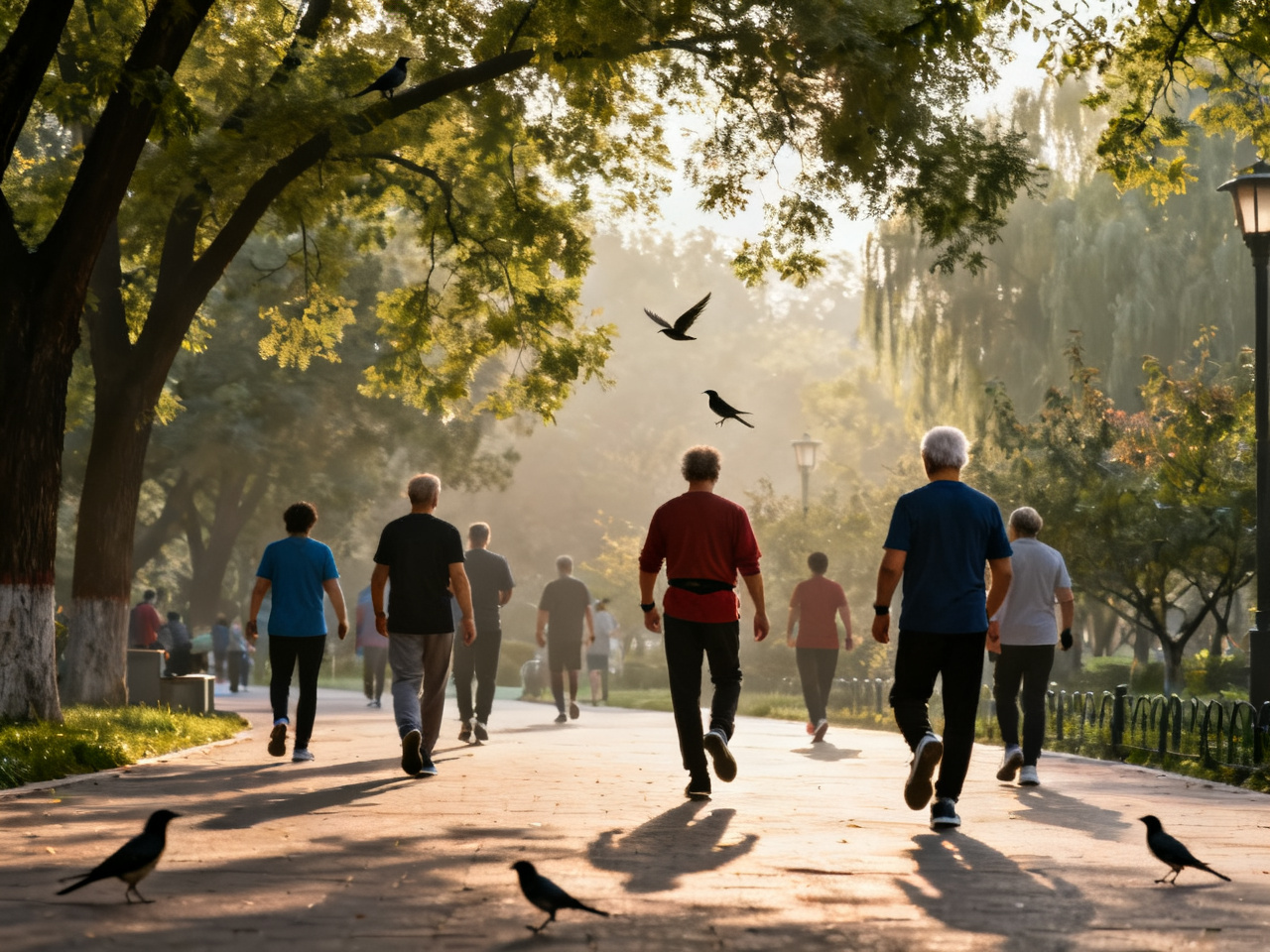
于是我就走过去了。刚开始的那几步很别扭,我的身体一直想回到正常向前的模式,脚落下去也不完全有把握,只能一边慢一边试着用余光判断周围。那位大爷在旁边说:“慢一点,别急,先找感觉。”这句话特别像中国公园晨练里会出现的那种指导,不紧张,也不高高在上,只是把动作拆成最简单的一层:你先找到感觉。于是我照着做,步子缩小一点,背挺起来,肩膀放松,眼睛不死盯地面,而是让身体逐渐相信后方也有路。奇妙的是,大概过了一两分钟之后,那种一开始的狼狈感真的开始退下去。我没有突然变得很会倒着走,但我开始没那么在意自己像不像一个新手,也没那么急着通过说话来补偿动作上的生疏。
So I went over. The first few steps felt awkward. My body kept wanting to return to the normal forward pattern, and each footfall landed with only partial confidence, so I moved slowly and used the edge of my vision to judge the space around me. The older man beside me said, “Slower. Don’t rush. First find the feeling.” The sentence sounded exactly like the kind of guidance you hear in Chinese park exercise—unpressured, not superior, just reducing the movement to its simplest layer: first find the feeling. So I tried to do that. I shortened my steps, straightened my back, relaxed my shoulders, and stopped staring rigidly at the ground, letting my body gradually trust that there was also a path behind me. The strange part was that after a minute or two, the clumsy panic really did begin to fade. I did not suddenly become skilled at walking backward, but I started caring less about whether I looked obviously new, and I felt less urge to compensate for awkward movement by overexplaining myself.
那十分钟里,公园还是那个公园:旁边照样有人快走,远处照样有人跟着音乐拍手,有孩子被家长牵着从步道边经过,也有人只是停下来喝一口热水。没有谁因为我加入了倒走队伍就特别围观,也没有谁要求我先介绍自己从哪儿来、为什么想试。那种感觉对我来说非常新鲜。很多时候,作为外国人,只要进入一个陌生场景,我都会下意识准备好一整套解释:我是谁,我为什么在这里,我是不是打扰了你们,我其实不太懂,但我很感兴趣。可那天在公园里,这些说明突然都显得不必要。动作本身就已经完成了最重要的交流:我愿意试,你们愿意让我跟上。剩下的,不需要立刻用语言填满。
During those ten minutes, the park remained exactly the park: people nearby continued power-walking, somewhere farther away others were clapping along to music, children passed the path holding a parent’s hand, and some people stopped only to sip hot water from thermoses. No one gathered around simply because I had joined the backward-walking group, and no one asked me to first explain where I was from or why I wanted to try. That feeling was very new to me. So often, as a foreigner, the moment I enter an unfamiliar scene I instinctively prepare a whole set of explanations: who I am, why I am here, whether I am disturbing anyone, how little I know, how interested I am anyway. But in the park that morning, all of those explanations suddenly felt unnecessary. The movement itself had already completed the most important communication: I was willing to try, and they were willing to let me join. Everything else did not need to be filled immediately with language.
我后来边走边开始理解,为什么那一幕会让我这么难忘。并不只是因为倒着走本身有趣,而是因为中国公园里有一种很独特的接纳方式。它不是热闹地把你拉进中心,也不是刻意强调“欢迎欢迎”,而是给你一个位置,让你自己在动作里找到合适的距离。那位大爷偶尔提醒我看路、放慢、别太大步,其余时间并不管太多。其他人也只是继续自己的节奏,好像我在不在都没关系,但我在也完全可以。这种分寸感让我很舒服。它没有把我特殊化,也没有把我排除在外。对一个经常会因为身份差异而先紧张起来的外国人来说,这种不必先自我介绍的接纳,真的非常珍贵。
As we kept moving, I began to understand why the scene would stay with me so strongly. It was not only that backward walking itself was interesting, but that Chinese parks contain a very distinctive form of acceptance. It does not pull you loudly into the center, nor does it perform exaggerated welcome. Instead, it gives you a place and lets you discover the right distance through action. The older man occasionally reminded me to watch the path, slow down, and avoid overstriding, but otherwise he did not manage me. The others simply continued their own rhythm, as if my presence or absence was not a big issue—but if I was there, that was also completely fine. That sense of proportion felt deeply comfortable. It did not make me overly special, and it did not leave me outside. For a foreigner who often becomes tense first because of visible difference, this kind of acceptance without demanding an introduction is genuinely precious.
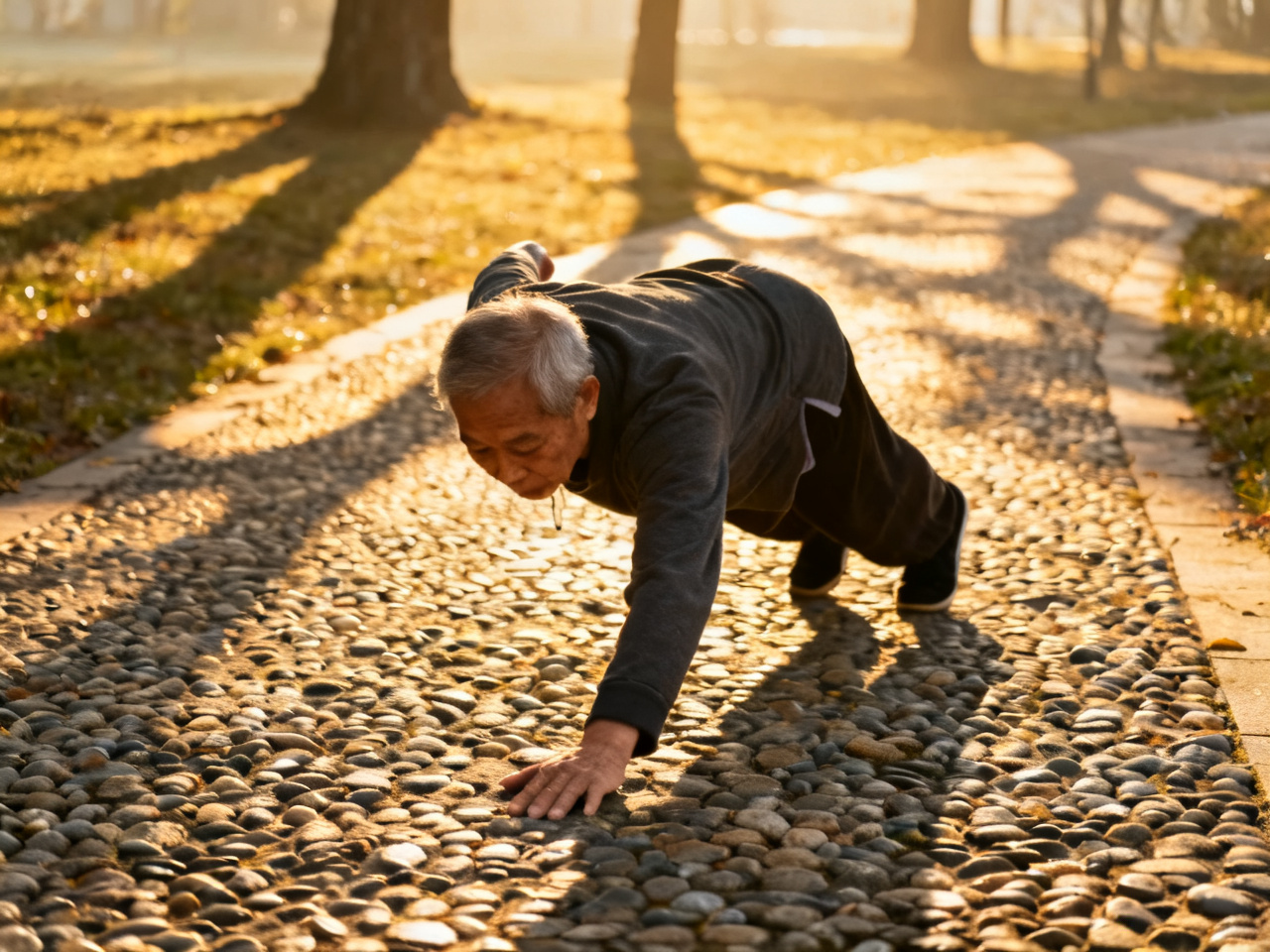
走完两圈以后,我停下来时背上已经微微发热,腿后侧也有一点和平常散步不一样的感觉。那位大爷笑着问我:“怎么样?”我也笑,说有点难,但挺有意思。他点点头,像是这个答案完全在意料之中,然后就转身继续自己的锻炼了。没有延长寒暄,也没有把这个瞬间夸张成某种跨文化奇遇。可正因为如此,它才更像一种真正发生在生活里的连接。后来我离开公园时,一直在想,我记住的根本不是倒着走这项动作本身,而是自己在那十分钟里终于没有急着把“我是个外国人、我第一次来、请多包涵”这些说明提前摆出来。我只是跟着走了两圈,而这已经够了。
After two rounds, I stopped with a faint warmth across my back and a sensation in the backs of my legs that felt different from ordinary walking. The older man smiled and asked, “How was it?” I smiled too and said it was a little difficult, but interesting. He nodded as if that answer was entirely expected, then turned and continued his own exercise. There was no prolonged small talk, no attempt to inflate the moment into some dramatic cross-cultural encounter. Precisely because of that, it felt more like a genuine connection inside ordinary life. As I left the park later, I kept thinking that what I would remember was not the movement of walking backward itself. It was the fact that for those ten minutes, I finally stopped rushing to present all the prefatory explanations—“I’m a foreigner,” “It’s my first time,” “Please excuse me if I do this badly.” I simply walked two rounds with them, and that turned out to be enough.
现在如果有人问我,中国公园最打动我的地方是什么,我大概不会先说风景,也不会先说设备,而会说那种人与人之间很松却很稳的连接感。你可以只是看,也可以突然被招手加入;你不需要先成为“熟人”,才能暂时分享同一段步道和同一套动作。对我来说,那天早上的真正收获,也不是学会了一种多标准确的锻炼方法,而是第一次在中国的公共空间里,感到自己可以不急着解释,就先参与进去。那种感觉给了我一种很轻的勇气:有时候,理解一座城市,并不一定要从说很多开始,也可以从安静地跟着走两圈开始。我记住的是中国公园里那种接纳——它不逼你开口,却让你自然地留下来。
Now, if someone asks me what moves me most about Chinese parks, I probably would not start with the scenery or the equipment. I would talk instead about that loose but steady feeling of connection between people. You can remain only a watcher, or you can suddenly be waved in; you do not need to become “a regular” before briefly sharing the same path and the same set of movements. For me, the real gain from that morning was not learning one especially precise exercise method. It was feeling for the first time, in a Chinese public space, that I could join before explaining myself. That feeling gave me a very light kind of courage: sometimes understanding a city does not have to begin with saying a lot. Sometimes it can begin by quietly walking two rounds with other people. What I remember is the kind of acceptance found in Chinese parks—it does not force you to speak, yet it lets you stay naturally.
- 中国人为什么这么在意"面子"? | Why Do Chinese People Care So Much About "Face"?
- 天黑了才是正片开始 | When the Sun Sets, the Real Show Begins — China's Night Economy
- 如何在中国使用网约车应用 | How to Use Ride-Hailing Apps in China
- 在中国乘坐公共交通 | Using Public Transportation in China
- 竹编小课:我第一次发现“柔软的材料也可以有骨架” | Bamboo Weaving Workshop: The First Time I Realized Soft Material Can Still Have a Spine
- 桂林和阳朔真正迷人的,不只是像画,而是那种愿意把人脚步放慢的山水节奏 | What Truly Charms Guilin and Yangshuo Is Not Only Their Painterly Beauty but the Way the Landscape Slows Your Pace
- 走到一半就下城墙,是我在南京学会的第一个正确决定 | Getting Off the Wall Midway Was the First Right Decision I Learned in Nanjing
- 中国十大旅游路线 | Top 10 Travel Routes in China
- 九月金秋草原:中国最美的秋天从这里开始 | September on the Grasslands: Where China's Most Beautiful Autumn Begins
- 十二月的中国:北方玩雪,南方过冬 | December in China: Snow Up North, Warmth Down South
Comments (0)