
一个普通工作日的公交站,让我学会了中国排队不是只看队形 | On an Ordinary Weekday Bus Stop, I Learned That Queueing in China Is Not Just About the Shape of the Line
一个普通工作日的公交站,让我学会了中国排队不是只看队形 | On an Ordinary Weekday Bus Stop, I Learned That Queueing in China Is Not Just About the Shape of the Line
我第一次在中国工作日早晨认真观察公交站排队,是因为我以为自己已经站对了位置,结果车来了以后还是慢了半拍。表面上看,大家都在站台附近等车,可真正有经验的人并不是随便站着。他们会自然地往一个窄窄的区域靠拢,给下车的人留出一点口子,又让自己保持在最有可能先上车的位置。我那时站得很礼貌,也很规矩,却站在了一个“看起来像队伍、实际上不是入口”的地方。车门一开,我才突然明白,中国很多公交站的排队,不是只靠一条直线判断,而是靠一种会随着车门、下客流和站牌位置一起变化的节奏。
The first time I carefully observed queueing at a Chinese bus stop on a weekday morning was because I thought I had already chosen the right place, yet I still fell half a beat behind when the bus arrived. On the surface, everyone was simply waiting near the platform. But the people with experience were not standing randomly. They naturally drew closer to a narrow zone, left a gap for those getting off, and still kept themselves in the place most likely to board first. I was standing politely and correctly, yet I had chosen a spot that looked like a queue without actually being the entrance. When the doors opened, I suddenly understood that at many bus stops in China, queueing is not judged only by a straight line. It is guided by a rhythm that changes together with the bus door, the flow of disembarking passengers, and the exact position of the sign.
那天是一个很普通的上班日,没有下雨,也没有什么特别混乱。站台边有人背电脑包,有人拎早餐,有人低头看手机,但几乎所有人都在用余光看路口方向。车一进站,原本分散的人立刻收紧成一个更明确的形状。最有意思的是,这个形状不是死的。大家会先微微侧开,让下车的人出来,然后再顺势往前合拢。没有人大喊,也没有明显指挥,可整个动作却很一致。对外国人来说,这种秩序很容易第一眼看漏,因为它不总是像机场安检那样画着明白的蛇形栏杆。它更像是一种默契中的站位语言。
That day was an entirely ordinary workday. There was no rain and nothing especially chaotic. Some people had laptop bags, some carried breakfast, some were looking down at their phones, but almost everyone was also watching the road from the corner of an eye. As soon as the bus entered the stop, the previously scattered group tightened into a clearer shape. What interested me most was that this shape was not fixed. People first opened slightly to let passengers get off, and then naturally folded inward again. No one shouted and no one obviously directed the process, yet the movement was remarkably consistent. For foreigners, this kind of order is easy to miss at first glance because it does not always look like airport security with clearly marked lanes. It feels more like a positioning language built out of shared habit.
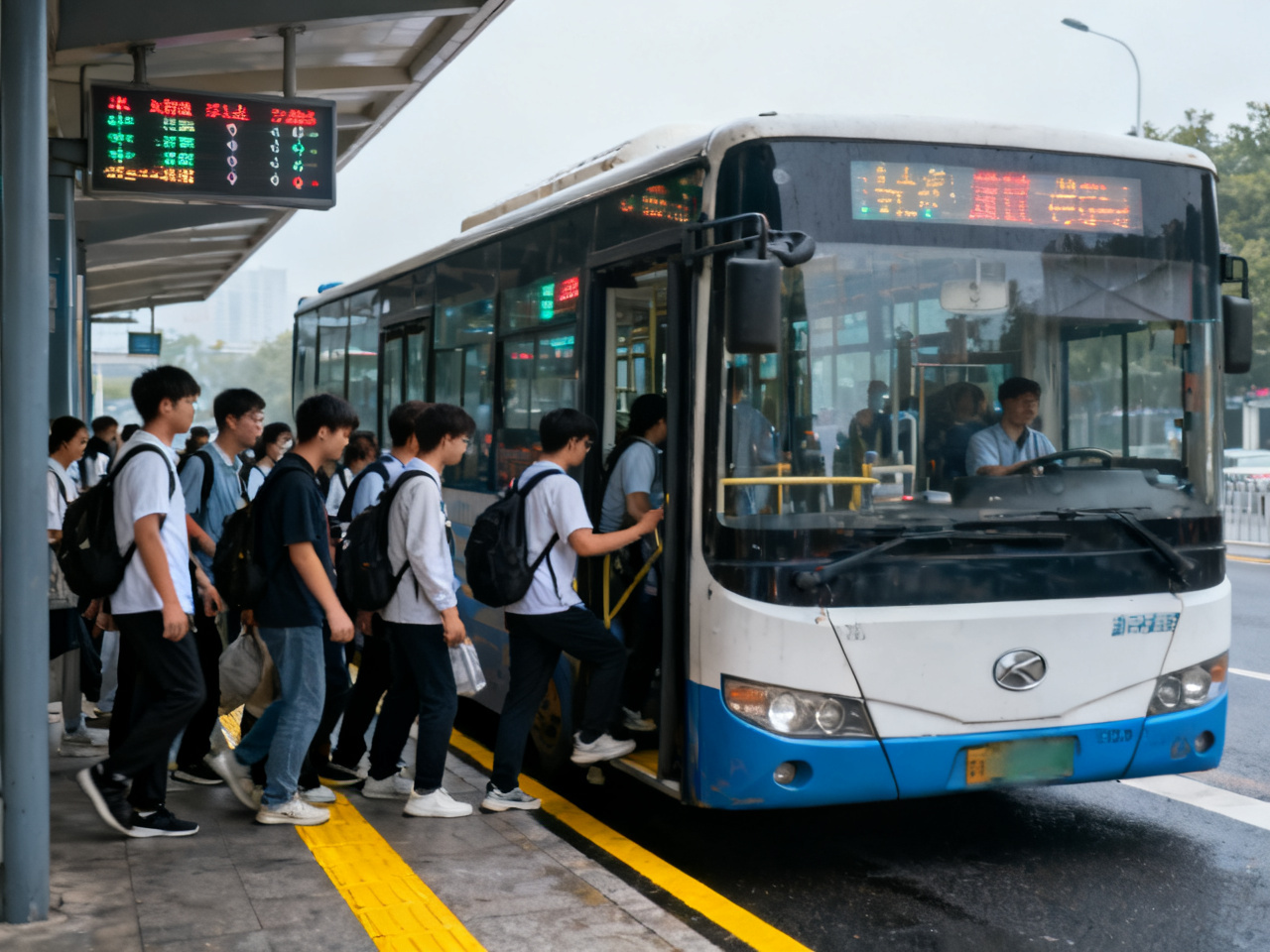
后来我学会了一个非常实用的办法:不要只看“人在哪里排”,还要看“人怎么给车门让路”。如果所有人都只是直直站着,你反而还没看懂真正的入口;真正值得学的是那一下松开、再一下合拢的时机。还有一个细节也很重要——看常坐车的人把脚放在哪。有人会提前半步站到车门大概停靠的位置,但又不会完全堵住;有人会故意留出下客的通道,却始终保持自己在主流线上。等我开始看这些动作,很多以前觉得“怎么总差一点”的早晨,突然变顺了。因为我不再只是找一条线,而是在学一个流动中的秩序。
Later I learned a very practical method: do not only look at where people are lining up. Look at how they make room for the door. If everyone is merely standing in a straight way, you still may not have identified the true boarding point. What matters is the timing of that small opening and then that small closing again. Another detail matters too: watch where experienced riders place their feet. Some step half a pace toward where the door is likely to stop, but not so far that they block it. Others deliberately leave a disembarking channel while still keeping themselves aligned with the main boarding flow. Once I started noticing these movements, many mornings that used to feel just slightly off suddenly became smooth. I was no longer searching for a line. I was learning an order in motion.
这种观察也让我更理解中国日常秩序里一个很常见的特点:很多规则不是完全写出来的,而是靠重复场景中的身体默契维持。公交站就是其中之一。你如果只想找一个绝对静止、人人看起来都整整齐齐的队伍,反而容易误判。真正的线索在于大家怎样同时兼顾效率和让路,怎样在不说话的情况下迅速调整位置。我后来越来越认同先多重确认再行动这件事,因为在站台上,多看三秒别人如何移动,常常比急着抢前一步更有用。
This observation also helped me understand a common feature of everyday order in China: many rules are not fully written out. They are maintained through repeated physical habits inside repeated scenes. Bus stops are one example. If you only want to find an absolutely static, perfectly neat line, you may actually misread the situation. The real clues lie in how people balance efficiency with giving way, and how they adjust position quickly without speaking. Over time I came to believe even more strongly in the value of making layered observations before acting, because at a bus stop, watching for three more seconds is often more useful than pushing one step earlier.
后来我在一个住宅区外的站台上,连续几天看同一班公交进站。我发现最熟练的人几乎都不会抢。他们只是站得准、让得准、合拢得准。有人甚至一边喝豆浆,一边还能在车停稳前微微调整位置,不慌也不散。那种稳定感让我很羡慕,因为它说明这些人不是“反应快”,而是已经把这套节奏放进了身体里。我也因此慢慢没那么怕自己在公共交通里显得笨拙了。因为我知道,自己缺的不是胆子,而只是还没看够。
Later, I spent several days watching the same bus arrive at a stop outside a residential compound. I noticed that the most practiced people almost never rushed. They simply stood accurately, yielded accurately, and closed the gap accurately. Some could even keep sipping soy milk while making a tiny position adjustment before the bus fully stopped, neither anxious nor scattered. I admired that steadiness, because it showed that these people were not merely “quick reactors.” They had placed the rhythm into their bodies. That realization also made me less afraid of looking awkward on public transport. I understood that what I lacked was not courage. I had simply not watched enough yet.
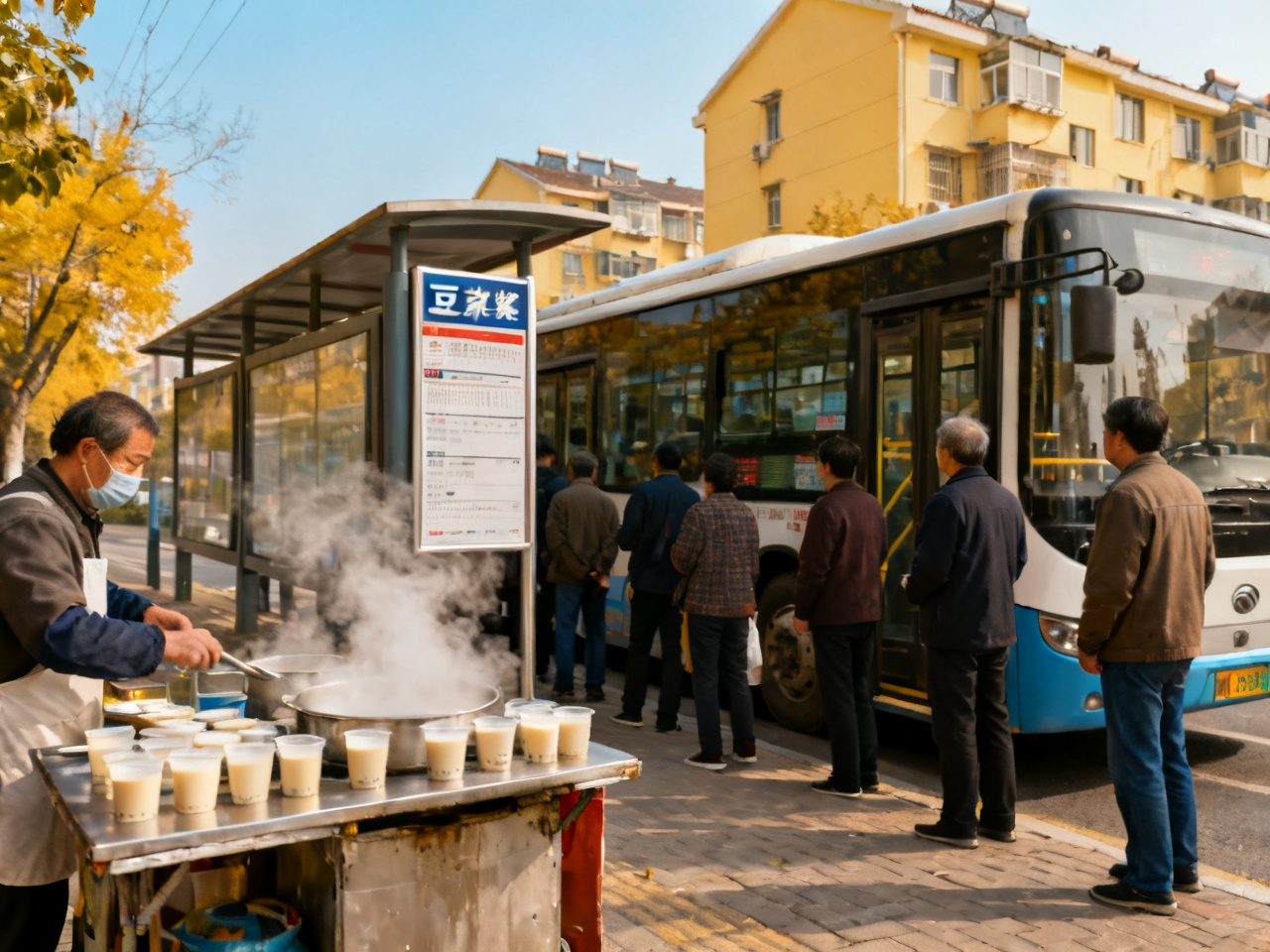
现在如果有人问我,在中国公交站最值得先学的是什么,我不会先说线路,也不会先说刷码。我会说,先学看排队的节奏。看大家怎么留出下车口,怎么判断门会停在哪里,怎么在普通工作日早晨把一小群陌生人临时变成一个顺滑的上车秩序。等你看懂这个节奏以后,很多原本让人紧张的站台时刻都会突然简单下来。对我来说,那是一种非常日常、却很有中国城市感的学习。
If someone asks me now what is most worth learning first at a Chinese bus stop, I would not begin with routes or payment codes. I would say: learn to read the rhythm of the queue. Watch how people leave space for those getting off, how they judge where the door will stop, and how on an ordinary workday morning a small group of strangers temporarily becomes a smooth boarding order. Once you understand that rhythm, many moments that used to feel tense at the platform suddenly become simple. For me, that has been a deeply everyday lesson, but also a very city-in-China kind of one.

- 站在深圳北站外第一个红灯前,我开始读懂这座城的速度 | At My First Red Light Outside Shenzhen North, I Began to Read the City’s Speed
- 桂林漓江山水游全攻略 | Guilin Li River Scenic Tour Complete Guide
- 来华必备手机应用 | Mobile Apps You Need in China
- 在八大关和海边之间,我才明白青岛好走的从来不是直线 | Between Badaguan and the Waterfront, I Learned That Qingdao Is Never Best Read in a Straight Line
- 丝绸制品购买攻略:围巾旗袍与丝巾 | Silk Shopping Guide: Scarves, Qipao & Accessories
- 陪爸妈在湖州的五月细雨里找饭馆,我才知道一家人最稳定的路线其实是“先坐下” | Looking for a Restaurant with My Parents in Huzhou Rain, I Learned the Steadiest Family Plan Begins with Sitting Down
- 中文入门基础 | Chinese Language Basics
- 广州一下雨,真正该重排的不是心情,而是那条原本顺手的晴天路线 | Once Rain Hits Guangzhou, What Needs Rearranging Is Not Your Mood but the Sunny-Day Route You Trusted
- 微信支付开通全流程(境外用户) | WeChat Pay Setup for Foreign Visitors
- 我在中国景区接驳车排队时,第一次学会先看阴凉处而不是先冲最前面 | At a Chinese Scenic Shuttle Queue, I First Learned to Look for Shade Instead of Charging to the Front
Comments (0)