
工作日中午排队十分钟后,我才真正听懂中国午饭高峰的节奏 | After Ten Minutes in a Weekday Lunch Line, I Finally Understood the Rhythm of China’s Noon Rush
工作日中午排队十分钟后,我才真正听懂中国午饭高峰的节奏 | After Ten Minutes in a Weekday Lunch Line, I Finally Understood the Rhythm of China’s Noon Rush
我第一次在深圳科技园附近的商场美食区吃工作日午饭时,完全低估了中午十二点的威力。电梯门一开,我先听见的是混在一起的声音:餐盘碰撞的脆响、收银台不断重复的“请出示付款码”、厨师在窗口后面大声报号,还有从不同档口飘出来的香气层层叠叠地撞在一起——现炒牛肉的油香、麻辣烫底料的辣气、刚蒸好的米饭那种潮热的甜味、烤鸡腿表皮焦香里带一点蜂蜜味。写字楼里的人像被同一个无形信号放出来一样,几分钟内同时涌到这里。有人脖子上挂着工牌,有人一边走一边回语音,有人已经提前在手机上点好单,脚步很快,几乎不抬头。我站在扶梯口愣了一下,突然明白,午饭在这里从来不是一场悠闲散步,而是一段非常精密的集体节奏。
The first time I had weekday lunch in a mall food court near Shenzhen’s technology park, I completely underestimated the force of noon. The elevator doors opened and I was hit first by sound: the crisp clatter of trays, the cashier counters repeating “please show your payment code,” cooks behind the windows calling out numbers, and above all the layered smells from different stalls colliding in the same air—the oily fragrance of freshly stir-fried beef, the sharp spice from mala tang broth, the humid sweetness of newly steamed rice, and the lightly honeyed char on roasted chicken legs. Office workers seemed to be released by the same invisible signal and flooded in within minutes. Some wore company badges around their necks. Some were replying to voice messages while walking. Some had already ordered on their phones and moved so quickly they barely looked up. I paused at the top of the escalator and understood at once that lunch here was never a leisurely stroll. It was a highly precise collective rhythm.
刚开始我犯了一个很典型的新手错误:我只看哪家店看起来好吃,没有先看排队怎么排。结果我在一家盖饭档口前站了半天,才发现前面那群人并不是都在等点单,有些是在等取餐,有些只是临时站着看菜单,还有几个人已经扫完码,只差名字被叫到。我手里拿着托盘,身体微微往前探,却又不好意思问,只能跟着人群一点点挪。后面一个穿深蓝衬衫的男生看我站得迷茫,低声提醒我:“点单在左边,取餐在右边。”他只说了这一句,就让我立刻松了一口气。原来中国工作日午饭高峰里最重要的第一件事,不是选什么吃,而是先读懂动线。
At first I made a very typical beginner’s mistake: I focused only on which stall looked delicious and did not first understand how the line worked. I stood in front of a rice-bowl counter for a long time before realizing the people ahead of me were not all waiting to order. Some were waiting to collect food, some were only pausing to study the menu, and some had already scanned to pay and were simply waiting for their names to be called. I was holding a tray, leaning forward slightly, too embarrassed to ask questions, and could only shuffle with the crowd. A man behind me in a dark blue shirt saw my confusion and quietly told me, “Ordering is on the left. Pickup is on the right.” That one sentence relaxed me immediately. I understood that the first skill in a Chinese weekday lunch rush is not choosing what to eat. It is reading the flow.
后来几次我特意提前五分钟到,站在边上观察,才发现这里的队伍远比表面看起来有秩序。每个档口前虽然人多,但大多数人都默认遵守一套很清楚的节奏:先在能最快看见菜单的位置决定,轮到自己时立刻说清楚,不在窗口前临时纠结要不要加蛋、换饭、少辣;付完款马上侧开,把正中位置留给下一个人;等餐的人也不会死死贴在出餐口,而是退半步,眼睛盯着号码,耳朵留意叫号,身体却尽量不给别人制造压力。最忙的时候,一条队伍看起来像挤在一起,其实内部每个人都在配合压缩自己的犹豫时间。
On later visits I deliberately arrived five minutes early and stood to the side to observe. That was when I realized the lines were much more orderly than they first appeared. Even when every stall looked crowded, most people were following a very clear rhythm: decide what to order from a position where the menu can be seen quickly; when your turn comes, speak clearly at once instead of debating at the window about adding an egg, changing the rice, or making it less spicy; after paying, step aside immediately and leave the center open for the next person; people waiting for pickup do not cling to the counter either, but retreat half a step, watching the numbers and listening for names while trying not to pressure others physically. At the busiest moments, a queue may look compressed from the outside, but inside it, everyone is cooperating by shrinking their hesitation time.
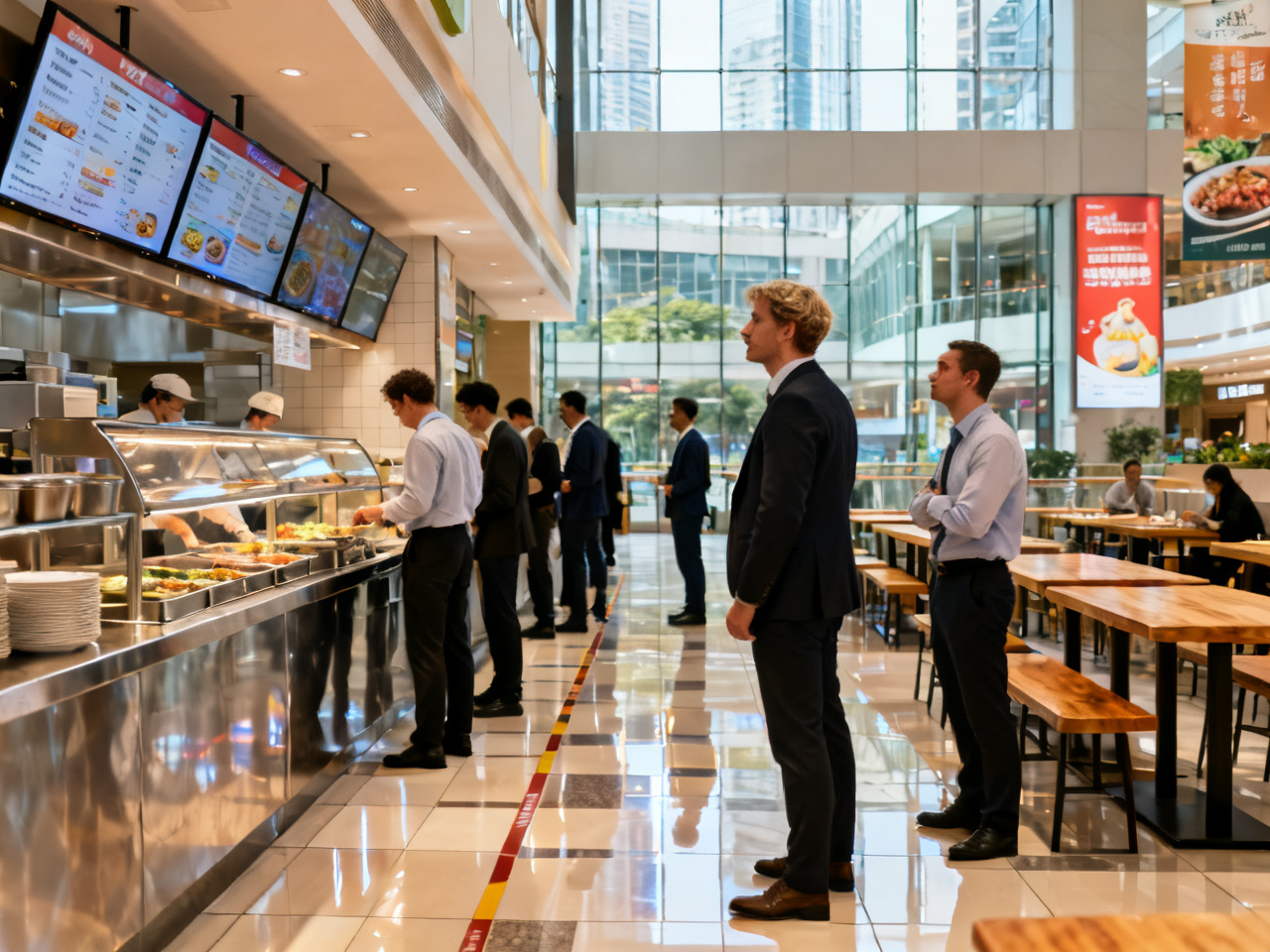
我最喜欢观察的是那些明显已经很熟悉这套午饭节奏的人。他们往往一走近就知道自己要什么,手机亮度提前调好,付款码已经打开;如果是经常去的店,甚至只要一句“老样子,少饭”或者“今天不要香菜”,老板就明白。有人在排队时就先把纸巾抽出来放托盘边,有人等同事时会先占一张角落小桌,但绝不会把包摊满四个座位。还有一些特别细小的动作,也很说明问题:看见清洁阿姨推着桶车过来,大家会自然收脚;发现后面的人手里端着刚出锅的汤面,前面的人会稍微侧身让路;如果两个人一起排,一个去找座位,另一个就会把点单决定好,不让队伍卡在自己这里。这些细节没有谁专门提醒,却把整个午餐高峰维持在一种紧而不乱的状态。
What I most enjoy watching are the people who are obviously fluent in this lunch rhythm. As soon as they approach a stall, they already know what they want. Their phone brightness is adjusted and the payment code is open. At places they visit often, a single phrase like “the usual, less rice” or “no cilantro today” is enough for the staff to understand. Some people pull out tissues while they are still in line and place them at the edge of the tray. Some, when waiting for colleagues, secure a small corner table first but never spread their bags over four seats. Other tiny gestures say even more: when a cleaner pushes over a cart and bucket, people tuck in their legs automatically; when someone behind is carrying a bowl of noodle soup that has just come out, the person in front shifts slightly aside to make room; if two people come together, one may look for seats while the other finalizes the order so that the line does not jam at their turn. Nobody announces these rules, yet such details keep the whole lunch rush tense but not chaotic.
我也不是一开始就跟得上。第一次自己一个人在高峰时段买麻辣香锅,我在夹菜区停太久,后面已经排了五六个人。我本来还想慢慢比较藕片和土豆片哪个好,结果看到旁边的人都是先迅速扫一圈,熟练地夹几样最常吃的,称重,付款,走人。我那一刻才意识到,在这种场景里,选择当然还是自由的,但自由最好建立在对别人时间的尊重上。后来我学会了一个很实用的方法:如果第一次来、真的拿不定主意,就先站远一点看菜单,或者先让后面的人上,不要占着最核心的位置做思考题。这种退一步,不是丢脸,反而很符合这里的整体节奏。
I was not able to keep up immediately either. The first time I ordered mala xiang guo by myself during the peak rush, I lingered too long in front of the ingredient section, and five or six people had already formed behind me. I had still been comparing lotus root slices and potato slices when I noticed that everyone beside me was moving differently: they swept the options with one quick glance, picked a few familiar items, weighed them, paid, and left. That was the moment I understood that in this kind of setting, choice is still free, but it works best when built on respect for other people’s time. Later I learned a very practical habit: if it is my first time somewhere and I truly cannot decide, I should stand back to study the menu or let the person behind me go first instead of occupying the most important spot while I think. Taking that small step back is not embarrassing. It actually fits the larger rhythm perfectly.
中国工作日午饭排队还有一个让我印象很深的地方,就是大家其实都很忙,却很少把这种忙直接变成粗暴。队伍会快,但不一定吵。有人会提醒“这里可以扫码”,有人会说“你先吧,我还没想好”,有人发现自己点错了,也会先走到边上再重新处理,不把整个窗口堵住。就连等位时那种隐形压力,也往往被控制在一种还算克制的范围里。你当然能感到每个人都想快一点,可这种快更多表现为动作的利落,而不是情绪的外放。对我来说,这种克制特别有意思,因为它说明高密度生活不一定只能靠喊和挤维持,也可以靠一套被大多数人默默接受的节奏来运转。
Another thing that impressed me about weekday lunch lines in China is that people are indeed busy, yet that busyness rarely turns directly into rudeness. The line moves quickly, but not necessarily noisily. Someone may point out where to scan a code. Someone else may say, “You go first, I haven’t decided yet.” If a person notices they ordered the wrong thing, they usually step aside before fixing it rather than blocking the whole counter. Even the invisible pressure of waiting for tables is often kept within a fairly restrained range. You can absolutely feel that everyone wants things to move faster, but that urgency is expressed more through efficient motion than through emotional display. To me, this restraint is fascinating. It suggests that high-density urban life does not have to function only by shouting and pushing. It can also run on a rhythm silently accepted by most people.
第二周以后,我已经会提前避开最夸张的十二点整,或者干脆在十一点五十分就去楼下。要是实在赶上高峰,我也知道该怎么做:先看哪条队伍是点单队,哪条是取餐队;想好再站进去;手机提前准备好;拿到餐后立刻转身找位置,不在出餐口研究筷子和勺子放哪儿。有一次一个刚来实习的外国同事跟我一起去吃饭,他站在窗口前盯着菜单有点发懵。我下意识就对他说:“先出来看,别堵在这里。”说完我自己都笑了,因为那一瞬间我才发现,我已经从那个扶梯口发呆的人,变成了会给别人解释午饭节奏的人。
By the second week, I had learned either to avoid the fiercest twelve o’clock surge or simply go downstairs at 11:50. And if I did get caught in the peak, I knew what to do: identify which line is for ordering and which is for pickup; decide before stepping into place; prepare my phone in advance; and once I receive my meal, turn away immediately to find a seat rather than lingering at the counter to figure out where the chopsticks and spoon are. Once I went to lunch with a foreign colleague who had just started an internship. He stood at the counter staring blankly at the menu. Without thinking, I said, “Step out first and look, don’t block the line here.” Then I laughed, because that was the exact moment I realized I had changed from the person dazed at the top of the escalator into someone capable of explaining the lunch rhythm to another newcomer.
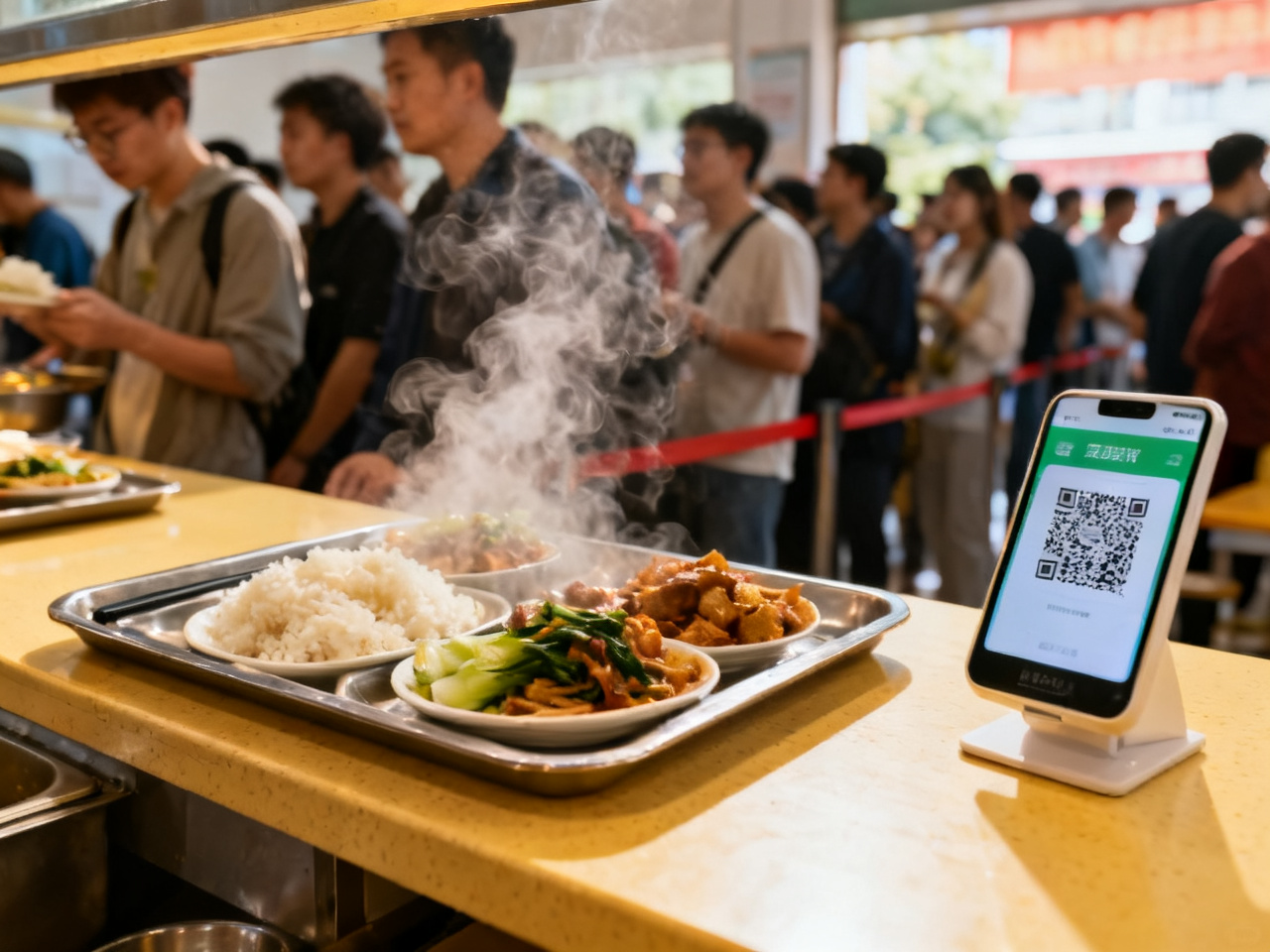
现在如果有人问我,中国办公室区或商场美食区的工作日午饭最值得观察什么,我会说,不只是吃什么,而是人群怎样在有限时间里彼此让出一点空间。有人把犹豫留在队伍外,有人把支付准备提前,有人把等餐的距离拿捏得刚好,有人吃完后很快起身把位子还给下一轮人。所有这些看似很小的动作,拼起来就是一套中午十二点的城市节拍。它快,确实快;挤,也确实挤。但只要你愿意先听懂它的节奏,再把自己放进去,就会发现那十分钟的排队并不只是等待食物,也是学习如何在中国密集而高效的日常里,做一个不拖慢整体速度的人。
Now, if someone asks me what is most worth observing in the weekday lunch rush of a Chinese office district or mall food court, I would say it is not only what people eat, but how they make a little room for one another within limited time. Some people keep their indecision outside the line. Some prepare payment in advance. Some hold just the right distance while waiting for pickup. Some stand up quickly after finishing so the seat can return to the next wave of diners. All of those small actions combine into the city’s noon rhythm. It is fast, undeniably fast. It is crowded too. But if you first learn to hear the beat and then place yourself inside it, you realize that those ten minutes in line are not only about waiting for food. They are also about learning how to live inside China’s dense, efficient daily life without slowing the whole pattern down.

- 成都-重庆5日美食与熊猫行程 | 5-Day Chengdu-Chongqing Food & Panda Trip
- 中国旅游网络与上网指南 | Internet & Connectivity Guide for China Travel
- 去承德看山庄和寺庙之前,我先把手机训练成一天的领路人 | Before Seeing Chengde’s Mountain Resort and Temples, I Trained My Phone to Lead the Day
- 陪父母去乌镇的那个雨天,我第一次不再把“安排周全”当成孝顺 | A Rainy Day in Wuzhen with My Parents Taught Me That Love Is Not the Same as Overplanning
- 我在长沙坡子街连吃四样小吃:臭豆腐到底怎么选 | Four Snacks in Pozi Street, Changsha: How I Chose Stinky Tofu
- 凌晨五点的生料粉摊,把我带进了玉林 | A 5 A.M. Rice-Noodle Stall Led Me into Yulin
- 中国旅游最佳季节与气候指南 | Best Seasons & Climate Guide for China Travel
- 如何在中国使用网约车应用 | How to Use Ride-Hailing Apps in China
- 西安兵马俑:完整参观指南 | Xi an Terracotta Warriors: A Complete Guide
- 中国书法用品 | Chinese Calligraphy Supplies
Comments (0)