
秦汉唐宋明清——六个朝代串起你的中国旅行 | Six Dynasties That Frame Your China Trip
秦汉唐宋明清——六个朝代串起你的中国旅行 | Six Dynasties That Frame Your China Trip
来中国旅行,绕不开历史。导游说"明朝建的",博物馆牌子写"唐代文物",地铁站名叫"汉阳"——这些词你听得懂,但脑子里没有时间轴,就像看一部没有字幕的古装剧。
本文不是教科书,不背年份,只帮你建一条够用的历史脉络,让你在景点前不再一脸茫然。
先记住这条线
中国历史超过三千年,朝代几十个,但旅行者只需要记住几个关键节点:
夏商周 → 秦汉 → 魏晋南北朝 → 隋唐 → 宋 → 元明清 → 民国 → 新中国
这不是完整版,但覆盖了你在中国旅行时会遇到的 90% 的历史引用。
The timeline of Chinese history spans over 3,000 years, but as a traveler you only need a handful of anchors: Xia-Shang-Zhou → Qin-Han → the divided centuries → Sui-Tang → Song → Yuan-Ming-Qing → Republic → People's Republic. That sequence covers nearly everything you'll encounter at a museum or heritage site.
几个你一定会碰到的朝代
秦(公元前221—前206年)
秦始皇统一六国,建了长城(的早期版本),统一了文字和度量衡。你在西安看到的兵马俑,就是他的陪葬坑。
秦朝只存在了15年,但影响了此后两千年的政治结构。
Qin Shi Huang unified China in 221 BC, standardized writing and measurements, and began the Great Wall. The Terracotta Army in Xi'an is his burial guard. The dynasty lasted only 15 years but shaped Chinese governance for two millennia.
汉(公元前206—公元220年)
"汉族""汉字""汉语"——这些词都来自汉朝。丝绸之路在这个时期开通,中国第一次和西域、中亚建立了稳定的贸易联系。
去西安的汉阳陵、或者任何一个汉代博物馆,你会看到大量陶俑和漆器,风格比秦朝轻盈许多。
The Han dynasty gave Chinese people their name — "Han Chinese." The Silk Road opened during this era, connecting China to Central Asia for the first time. Han artifacts tend to be more refined and varied than Qin pieces.
唐(618—907年)
很多中国人认为唐朝是最辉煌的时代。长安(今西安)是当时世界上最大的城市之一,外国商人、僧侣、使节云集。
唐三彩(那种橙黄绿釉色的陶器)是这个时代的标志,博物馆里很常见。诗人李白、杜甫都是唐朝人。
Many Chinese consider the Tang dynasty their golden age. Chang'an (modern Xi'an) was among the world's largest cities, drawing merchants, monks, and diplomats from across Asia. Tang Sancai — the distinctive orange-yellow-green glazed pottery — is a hallmark of this era and appears in nearly every major museum.
宋(960—1279年)
宋朝没有唐朝那么"强悍",但经济和文化极度繁荣。活字印刷、火药、指南针都在这个时期成熟应用。
杭州是南宋的都城,西湖边的很多建筑和文化气质都带着宋代的影子。
The Song dynasty was less militarily dominant but culturally and economically rich. Movable type printing, gunpowder, and the compass all matured during this period. Hangzhou served as the Southern Song capital — much of its cultural character still echoes that era.
明(1368—1644年)
北京的故宫、天坛、明十三陵,都是明朝建的。郑和下西洋也是明朝的事。
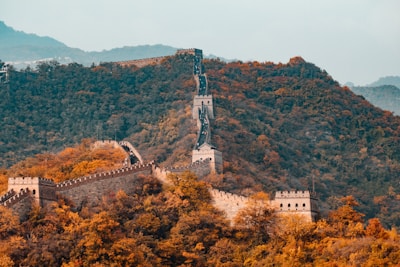
明朝修建了现在我们看到的长城主体——砖砌的、有烽火台的那种。
The Forbidden City, Temple of Heaven, and Ming Tombs in Beijing are all Ming-dynasty constructions. The Great Wall as most visitors see it today — brick-built with watchtowers — was largely constructed during the Ming.
清(1644—1912年)
清朝是最后一个封建王朝,由满族建立。北京的颐和园、承德避暑山庄都是清朝皇家园林。
清末签订了一系列不平等条约,上海、广州等地出现了大量西式建筑,这就是为什么这些城市的老城区风格和北京完全不同。
The Qing was China's last imperial dynasty, founded by the Manchu people. The Summer Palace in Beijing and the Mountain Resort in Chengde are Qing imperial gardens. Late Qing treaties opened coastal cities to foreign powers — which is why Shanghai and Guangzhou have so many European-style buildings in their historic districts.
在景点前怎么用这条时间轴
你站在一个遗址前,导游说"这是宋代的",你可以快速定位:宋在唐之后、元之前,大约公元960年到1279年,距今700到1000年。
不需要记精确年份,只需要知道相对位置:比秦汉晚多少,比明清早多少,这就够了。
When a guide says "this is from the Song dynasty," you can quickly place it: after Tang, before Yuan, roughly 700–1,000 years ago. You don't need exact dates — relative position is enough. Is it older or newer than the Ming? That's usually all the context you need.
一个容易混淆的问题
很多游客问:"长城是秦始皇建的吗?"
答案是:秦始皇连接并扩建了战国时期各国的旧墙,但我们今天看到的长城主体是明朝修的,距秦朝晚了将近1800年。
"Did Qin Shi Huang build the Great Wall?" Technically, he connected and extended existing walls from the Warring States period. But the Wall most visitors photograph today — the brick-and-mortar version with watchtowers — was built during the Ming dynasty, nearly 1,800 years after Qin.
旅行不需要你变成历史学家。但当你站在故宫午门前,知道脚下这片土地在明朝是皇帝上朝的地方,在清朝是另一个王朝继续使用的宫殿,历史就不再是课本上的文字,而是你正在经历的空间。
You don't need to become a historian to travel China well. But when you stand at the Meridian Gate of the Forbidden City knowing it was built by Ming emperors and later used by Qing rulers, history stops being text on a page and becomes the space you're standing in.
延伸阅读 / Related Reads
- 中国高铁出行完全指南 | Complete Guide to China's High-Speed Rail
- 来华游客必备清单:证件/通讯/支付一站搞定 | Essential Checklist for Visitors to China
- 中国高铁乘车全攻略(境外游客版) | Complete HSR Guide for Foreign Tourists
- 中国景区门票预约与排队技巧 | Booking Tickets and Beating Queues at Chinese Attractions
- 华东五城10日经典环线 | 10-Day East China Five-City Loop
- 第一次用中国公共厕所,我学会提前看标识和纸巾 | My First Public Toilet Lesson in China Was to Check Signs and Tissue First
- 在潮州把一日三餐走成一条街巷路线 | Eating Through Chaozhou, One Lane at a Time
- 中国旅游必备App大全 | Essential Apps for Traveling in China
- 杭州西湖:人间天堂 | Hangzhou West Lake: Paradise on Earth
- 清晨六点半的重庆小面店,我靠一碗豌杂面听懂了这座城 | At 6:30 a.m. in a Chongqing Noodle Shop, a Bowl of Wanza Mian Explained the City
- 外国人在中国买东西被拒收现金怎么办? | What To Do When a Chinese Shop Refuses Your Cash
- 和妈妈在福州三坊七巷躲五月阵雨时,我们终于把很多不好意思问出口的话说出来了 | Sheltering from a May Shower in Fuzhou, My Mother and I Finally Said Things We Had Long Left Unspoken
- 我在中国小区楼下听懂收废品吆喝后,第一次不再把它当噪音 | After I Learned to Understand the Scrap Collector’s Call Below My Chinese Apartment, I Stopped Hearing It as Noise for the First Time
- 杭州下雨的下午,孩子第一次主动找陌生小朋友一起玩 | On a Rainy Afternoon in Hangzhou, My Child Asked a Stranger to Play Together
- 风沙把莫高窟的时间吹慢了 | The Sandstorm Slowed Time at the Mogao Caves
Comments (0)