
从大连到湛江:中国沿海城市的海鲜吃法 | Seafood Along China's Coast: From Dalian to Zhanjiang
在中国沿海吃海鲜,你可能一直走错地方 | Eating Seafood in Coastal China: You've Probably Been Going to the Wrong Places
越靠近海的餐厅,越不是本地人吃饭的地方。
这个规律从大连到湛江,几乎没有例外。海边那排灯火通明的海鲜楼,食材和菜市场旁边的小馆子是同一批货,价格贵一倍,因为你在为景色和"海鲜氛围"付钱。
The closer a restaurant is to the water, the less likely it is to be where locals actually eat.
This rule holds from Dalian in the north to Zhanjiang in the south, with almost no exceptions. The brightly lit seafood towers along the waterfront use the same ingredients as the small restaurants near the wet market — they just charge double, because you're paying for the view and the "seafood atmosphere."
大连:冷水出好货,但别去海边
大连的海鲜质量在国内算顶级,原因是水温。黄海北部水温低,海胆、鲍鱼、海参生长慢,肉质密实。但大连人自己吃海鲜,不去旅顺口,不去星海广场附近,去的是沙河口区的菜市场,或者甘井子的小馆子。
一位在大连住了二十年的朋友说过一句话,我觉得说透了这件事:「海边那些店,食材是一样的,价格贵一倍,因为你在为景色付钱。」
Dalian's seafood ranks among China's best, and the reason is water temperature. The northern Yellow Sea runs cold, which means sea urchin, abalone, and sea cucumber grow slowly and develop dense, firm flesh. But Dalian locals don't eat near Lüshunkou or the Star Sea Square waterfront. They go to the wet markets in Shahekou district, or small restaurants in Ganjingzi.
A friend who's lived in Dalian for twenty years put it plainly: "The seafood at those waterfront places is the same. You're just paying double for the view."
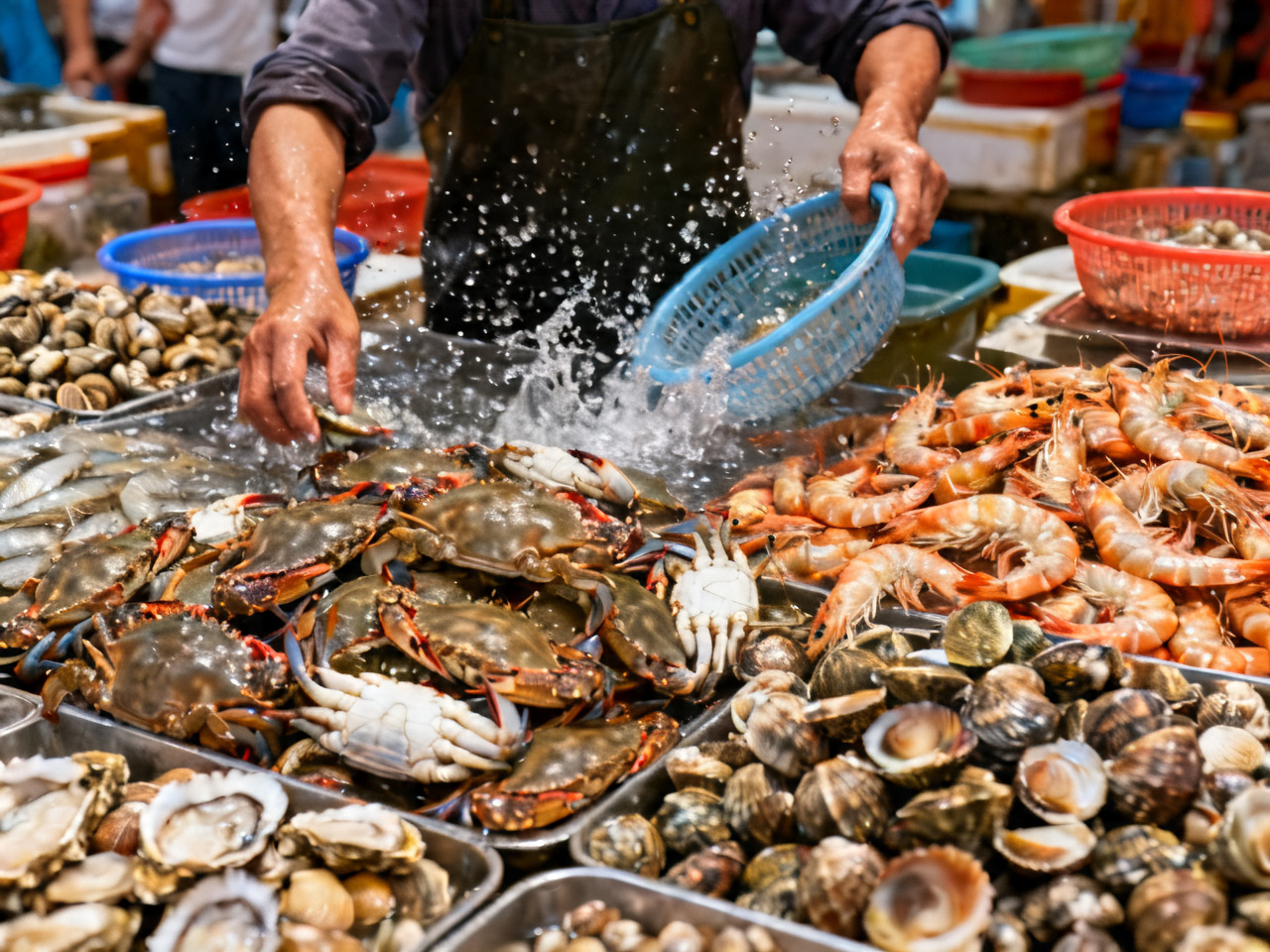
本地人最爱的不是鲍鱼,是活海螺。白灼,蘸酱油和蒜泥,一盘二十块,配一瓶啤酒。这是大连人的标准海鲜局,不需要任何仪式感。
What locals actually love isn't abalone — it's live whelks. Blanched, dipped in soy sauce and garlic paste, twenty yuan a plate, one cold beer. No ceremony required.
青岛:蛤蜊是信仰,皮皮虾是陷阱
青岛人对蛤蜊有一种近乎宗教的执着。
本地话叫「蛤蜊」(读 gá lí,不是普通话的 há lí),每年四五月份是旺季,菜市场里一斤三四块钱,买回家白水煮,加姜片,不放任何调料。青岛人认为,蛤蜊本身的鲜味已经足够,加多了是浪费。凌晨十一点的大排档,桌上一盆蛤蜊、一瓶啤酒,没有杯子,直接对瓶吹——这是青岛人吃海鲜的标准姿势,不讲究,但认真。
Qingdao people have a near-religious devotion to clams.
The local word is pronounced "gá lí," not the Mandarin "há lí." Peak season is April and May — three or four yuan per jin at the wet market. Locals boil them in plain water with ginger slices, nothing else. The belief: the clam's own flavor is enough. Adding more is wasteful. At 11pm, the outdoor stalls are still packed — a basin of clams, a cold beer, no glass needed. Unpretentious, but serious.
皮皮虾(濑尿虾)是另一回事。青岛的皮皮虾名气大,但旅游旺季价格能到一百多块一斤,而且很多是外地运来的。真正懂行的青岛人,四月份去菜市场买本地皮皮虾,自己回家蒸,成本是餐厅的五分之一。
Mantis shrimp is a different story. Qingdao mantis shrimp has a big reputation, but during tourist season prices can hit 100+ yuan per jin, and much of it is shipped in from elsewhere. Savvy locals buy from the wet market in April, steam them at home, and pay one-fifth of what a restaurant charges.
潮汕:生腌不是猎奇,是一套完整的饮食哲学
很多外地人去潮汕,是为了「打卡」生腌。这个心态本身就有点偏。
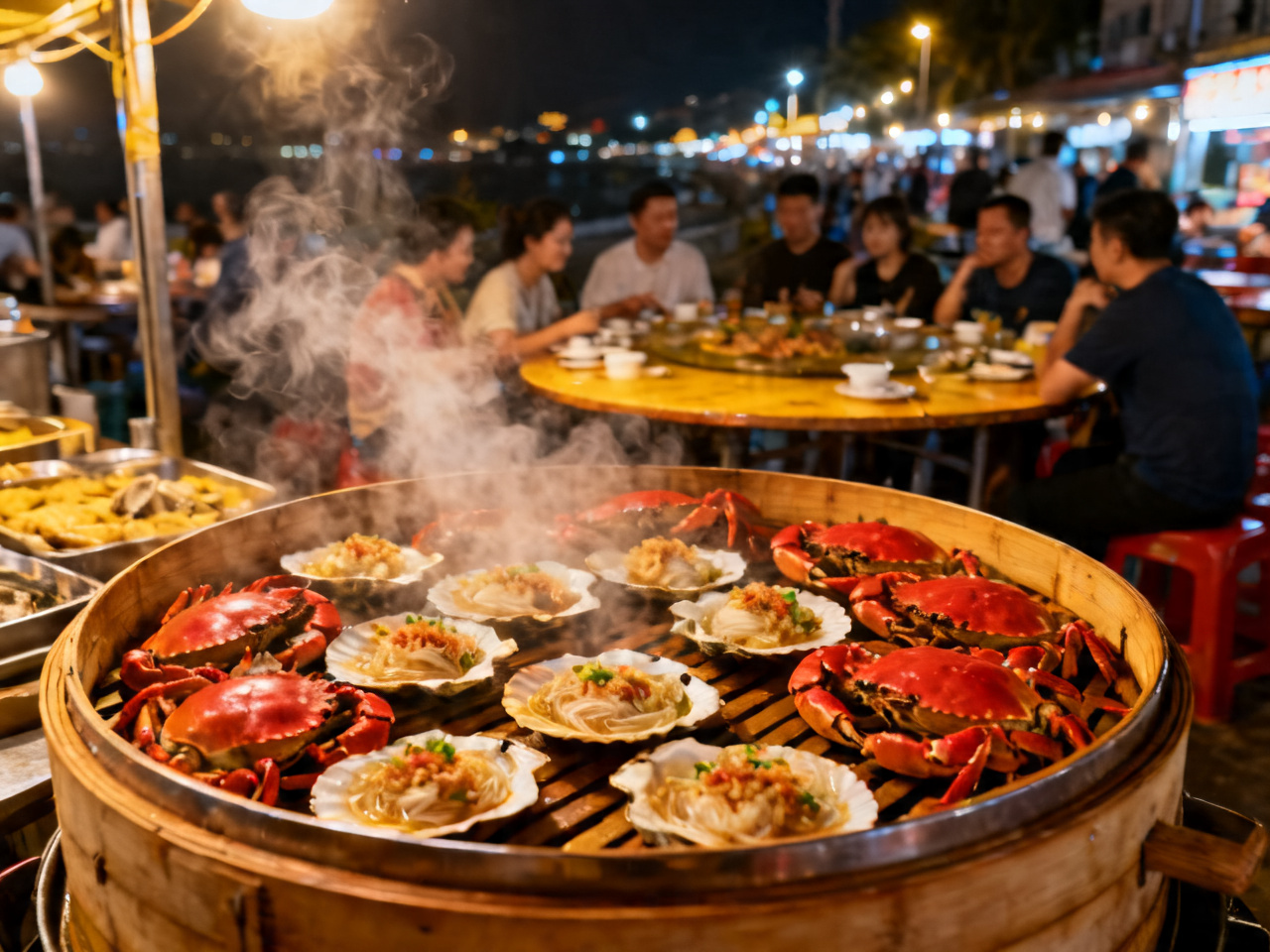
生腌在潮汕不是特色菜,是日常。生腌蟹、生腌虾、生腌血蛤,用酱油、蒜、辣椒、香菜腌制,不加热,直接吃。潮汕人管这个叫「毒药」——不是真的有毒,是说上瘾。背后的逻辑是:潮汕靠海,食材极新鲜,加热反而是一种损耗。生腌是在食材最好的状态下吃它,不是猎奇,是尊重食材。
Many visitors go to Chaoshan specifically to "try" raw-marinated seafood (生腌) as a novelty. That framing misses the point.
Raw-marinated seafood in Chaoshan isn't a specialty dish — it's everyday food. Crab, shrimp, blood cockles, marinated in soy sauce, garlic, chili, and cilantro, eaten cold and raw. Locals call it "poison" — not because it's dangerous, but because it's addictive. The logic: Chaoshan is coastal, ingredients are extremely fresh, and cooking is actually a form of degradation. Raw marination is eating the ingredient at its peak — not novelty-seeking, but respect for the ingredient.
第一次吃,建议从生腌虾开始,不要直接上生腌蟹。虾的接受度更高,腌制时间短,鲜甜更明显。
First-timers: start with marinated shrimp, not crab. Shrimp is more approachable, shorter marination time, the sweetness comes through more clearly.
湛江:炭烤生蚝,不需要理由
湛江的生蚝个头大,肉厚,价格便宜。
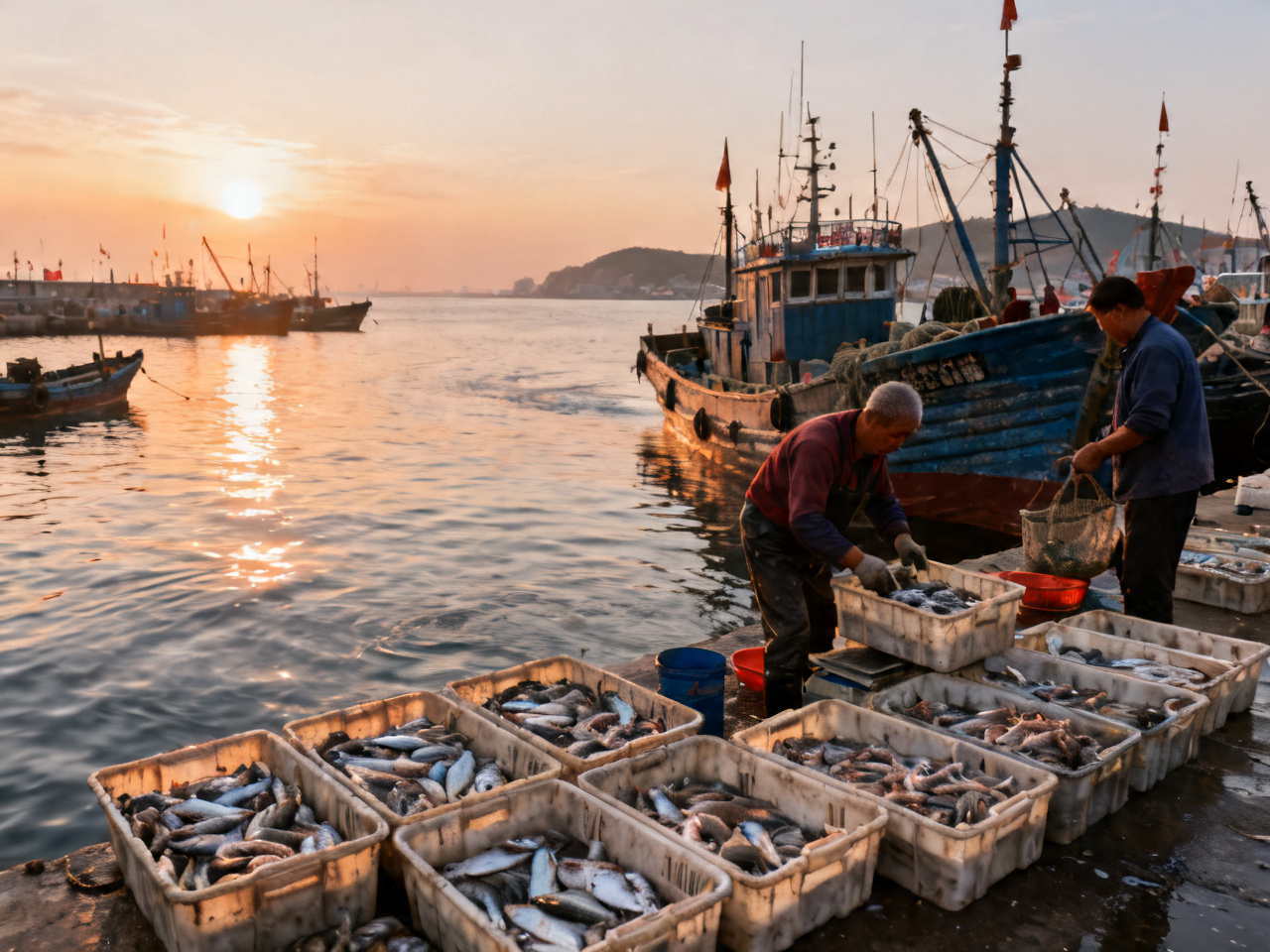
夜市里的标准做法是炭烤:生蚝放在铁架上,加蒜蓉、粉丝、少量生抽,烤到边缘微焦,汁水还在壳里沸腾的时候端上来。一只大概三四块钱,一个人吃十只很正常。湛江人对自己的海鲜有一种平静的自信,不需要向外人解释。你去了就知道。
Zhanjiang oysters are large, meaty, and cheap.
The standard preparation at night markets is charcoal-grilled: oysters on an iron rack, topped with garlic paste, glass noodles, and a little soy sauce, grilled until the edges just char and the juices are still bubbling in the shell when they arrive at your table. Three or four yuan each. Eating ten in one sitting is normal. Zhanjiang people have a quiet confidence about their seafood. They don't feel the need to explain it to outsiders. You'll understand when you get there.
几条实用原则,不管你去哪个城市:
早上八九点去菜市场,是最新鲜的时候,也是最便宜的时候。问「今天的还是昨天的」,这句话在任何沿海城市都管用。离海越近的餐厅,溢价越高,新鲜度不一定更好。本地人聚集的地方通常没有英文菜单,但这正是你该去的地方。
A few principles that apply anywhere along the coast:
The wet market at 8–9am has the freshest catch at the lowest prices. Ask "today's or yesterday's?" — this question works in any coastal city. The closer a restaurant is to the water, the higher the markup, with no guarantee of better freshness. The places locals actually go usually have no English menu. That's exactly where you should be.
延伸阅读 / Related Reads
- 中国八大菜系全览 | The 8 Great Cuisines of China
- 第一口就着了魔:一个外乡人在成都的麻辣沉沦 | Spellbound at First Bite: A Stranger's Descent into Chengdu's Heat
- 街头那碗热气,才是中国城市的真实体温 | Street Steam: The Real Pulse of Chinese Cities
- 花椒档案:一个植物学者眼中的四川味觉地图 | The Peppercorn Dossier: Sichuan's Flavor Map Through a Botanist's Eyes
- 华东五城10日经典环线 | 10-Day East China Five-City Loop

- 在中国吃素这件事,比你想象的难,也比你想象的容易 | Eating Vegetarian in China: Harder Than You Think, Easier Than You Fear
- 中国旅游最佳季节与气候指南 | Best Seasons & Climate Guide for China Travel
- 唐装:传统与现代之美 | Tang Suit: Modern Traditional Wear
- 中国行政区划与城市等级一览 | China's Administrative Divisions & City Tiers Explained
- 大理先让我学会的,不是看风景,而是在古城外把脚步放稳 | What Dali Taught Me First Was Not the View, but How to Steady My Steps Outside the Old Town
- 七月暑假全家游路线规划 | July Summer Family Trip Route Planning
- 桂林那晚,老板娘一句“别搜了”比榜单更会点菜 | In Guilin, the Owner’s “Stop Searching” Guided Dinner Better Than Any List
- 第一口就着了魔:一个外乡人在成都的麻辣沉沦 | Spellbound at First Bite: A Stranger's Descent into Chengdu's Heat
- 在南京城墙脚下,我第一次看清一座古城不是景点,是还在运转的日常 | Beneath Nanjing’s Wall, I First Saw That an Ancient City Is Not a Sight but an Ongoing Daily Life
- 古代奇迹:长城全攻略 | The Ancient Wonder: Great Wall of China
Comments (0)