
秦皇岛那晚我没去找海鲜名店,只想找一张能坐下来吃热饭的桌子 | In Qinhuangdao, I Skipped the Famous Seafood Spots and Looked for a Table Where I Could Eat Something Hot
秦皇岛那顿普通晚饭,比攻略里的招牌菜更真 | One Ordinary Dinner in Qinhuangdao Felt More Real Than Any Famous Dish
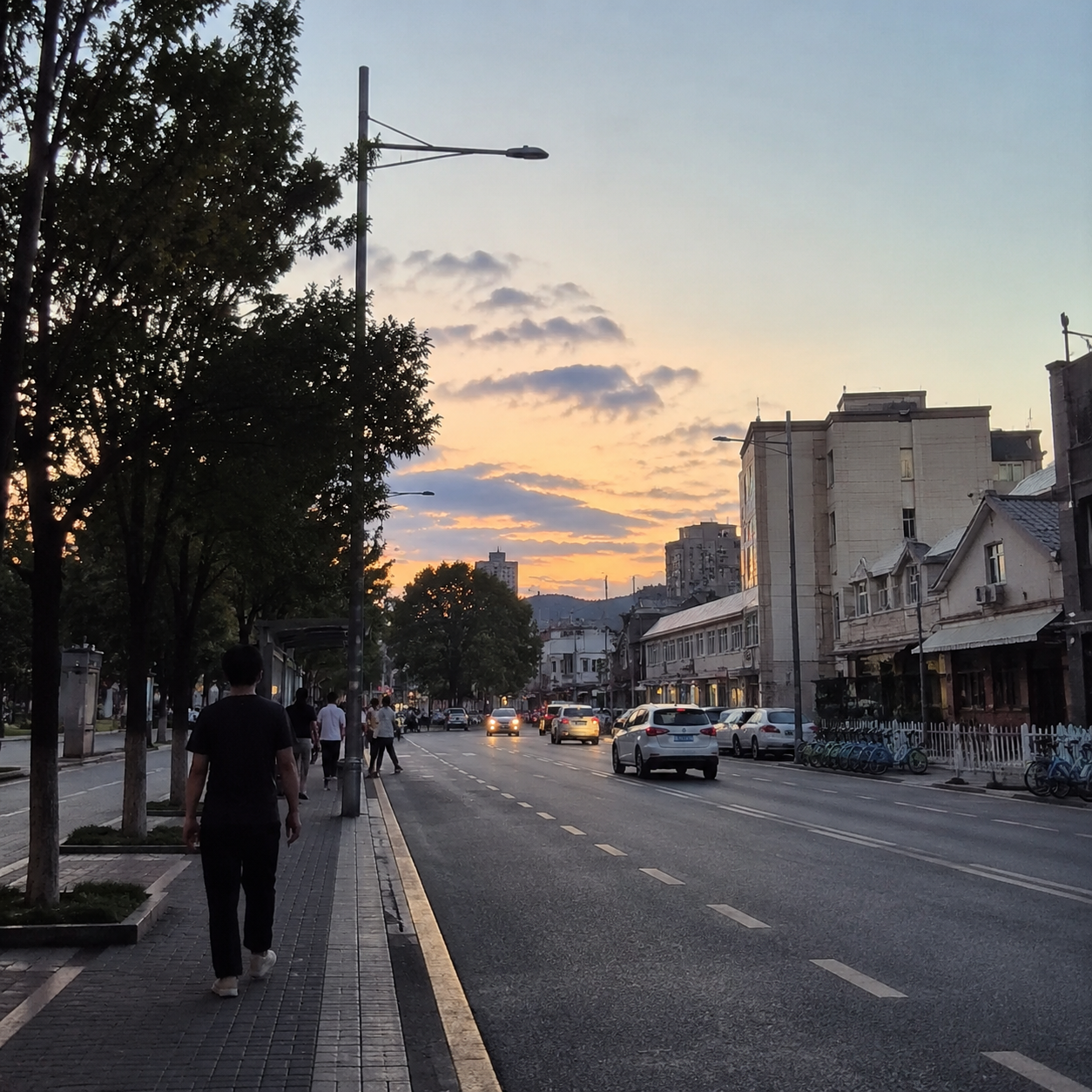
傍晚到秦皇岛的时候,海风已经把白天的热气吹散了一半。街边的树叶被吹得轻轻翻面,露出一点浅灰色的背影,像是这座海边城市在收拾一天的情绪。我没有安排很隆重的晚饭,也没有提前查那些必须打卡的餐厅,只是从住处出来,沿着不太宽的马路慢慢走,想找一顿普通、热乎、不会让人紧张的饭。
When I arrived in Qinhuangdao in the evening, the sea breeze had already blown away half of the heat from the day. The leaves along the street turned softly in the wind, showing their pale gray undersides, as if the seaside city were putting away the emotions of the day. I did not plan a grand dinner, nor did I search in advance for any must-visit restaurant. I simply left my lodging, walked along a modest road, and hoped to find an ordinary, warm meal that would not make me feel pressured.
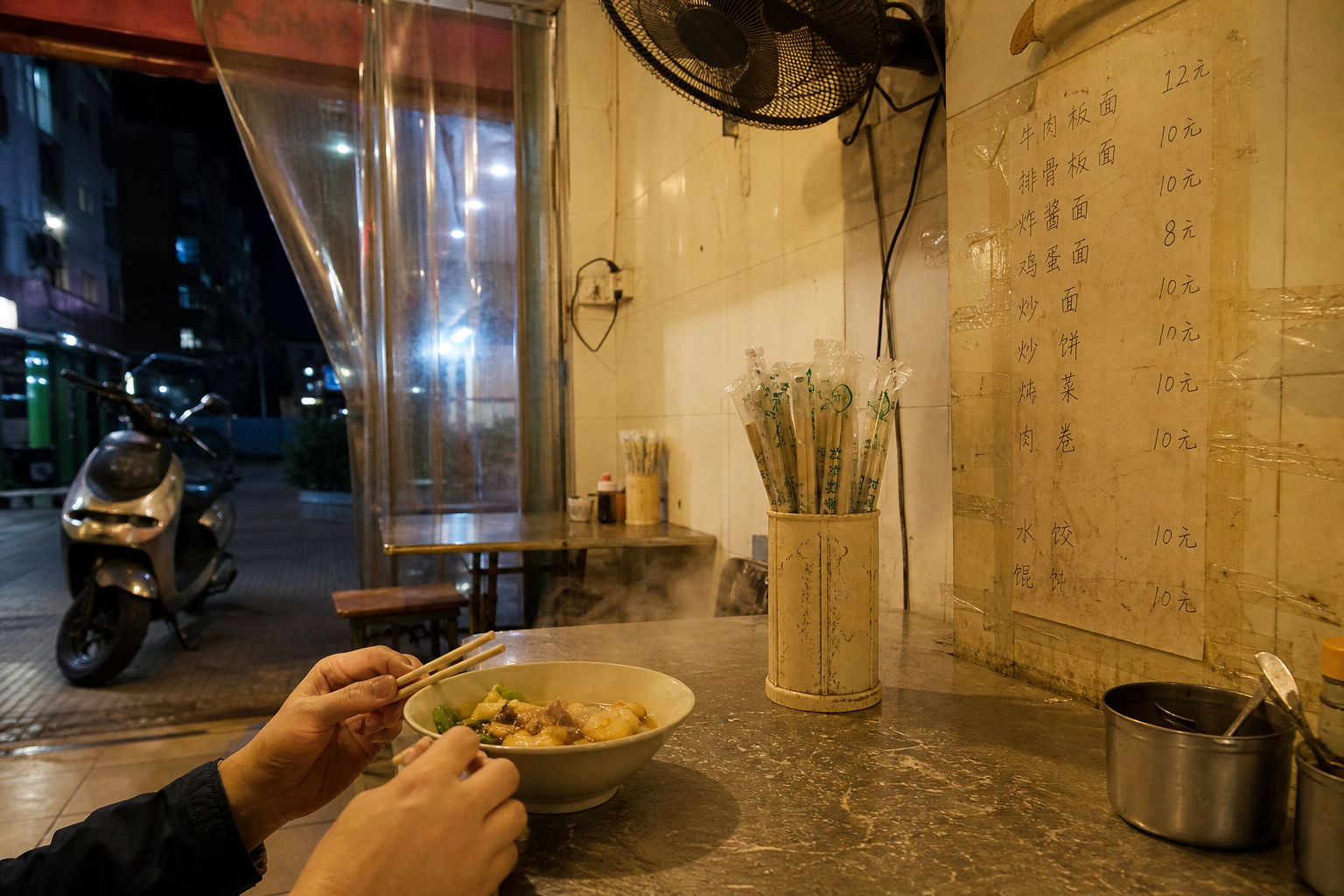
这类晚饭常常没有名字。它不是旅行攻略里的重点,也不适合被写成夸张的推荐。它可能是一家门口挂着塑料帘的小馆,也可能是居民楼底下一间灯光偏黄的店。菜单写在墙上,字有些褪色,价格旁边用透明胶又贴过一层。店里没有复杂的装饰,只有几张擦得很亮的桌子,筷筒里放着一次性筷子,角落的电风扇发出稳定的声响。
This kind of dinner often has no special name. It is not the highlight of a travel guide, and it does not suit an exaggerated recommendation. It might be a small eatery with a plastic curtain at the door, or a yellow-lit shop beneath a residential building. The menu is written on the wall, the characters slightly faded, with some prices covered again by transparent tape. There is no complicated decoration inside, only a few tables wiped until they shine, disposable chopsticks in a holder, and an electric fan in the corner making a steady sound.
我选中的那家店,门口摆着几只蓝色塑料凳,凳子旁边有一个装满空啤酒瓶的筐。老板娘正在把刚收回来的碗盘放进水池,听见有人进门,抬头问了一句:“吃点什么?”她的语气不热烈,也不冷淡,像是每天问过很多遍的日常句子。我看了看墙上的菜名,点了一份家常烧茄子,一份蛤蜊汤,又要了一碗米饭。
The place I chose had several blue plastic stools at the entrance, with a basket full of empty beer bottles beside them. The owner was putting newly collected bowls and plates into the sink. Hearing someone enter, she looked up and asked, “What would you like to eat?” Her tone was neither enthusiastic nor cold, just an everyday sentence she must have repeated many times. I looked at the dishes on the wall and ordered home-style braised eggplant, a bowl of clam soup, and a serving of rice.
坐下之后,我才真正感觉到自己已经离开了白天的行程。手机被我扣在桌面上,屏幕暂时不再亮起。窗外有骑电动车的人经过,车灯从玻璃上一闪而过。远处可能是海,也可能只是晚风经过楼群的声音,总之有一种松散的潮气,慢慢贴在衣袖上。旅行里很多时刻都被计划牵着走,而一顿普通晚饭像一个暂停键,让人终于可以听见自己的胃和呼吸。
After sitting down, I truly felt that I had left the day’s itinerary behind. I placed my phone face down on the table, and the screen stopped lighting up for the moment. Outside the window, people on electric scooters passed by, their headlights flashing across the glass. Somewhere in the distance there might have been the sea, or perhaps only the sound of evening wind moving through buildings. Either way, a loose dampness slowly settled on my sleeves. Many moments in travel are pulled forward by plans, while an ordinary dinner works like a pause button, letting one finally hear the stomach and the breath.
秦皇岛的晚饭有一点特别的朴素。它不急着证明自己靠海,也不把海鲜摆成一场表演。蛤蜊汤端上来时,碗沿还有热气,汤面浮着几片葱花,蛤蜊壳张开,像一些小小的扇门。喝第一口时,咸味很轻,更多是清淡的鲜。它不像宴席上的汤那样浓厚,却让人觉得身体里被白天晒干的部分重新有了水分。
Dinner in Qinhuangdao has a special kind of simplicity. It does not hurry to prove that the city is by the sea, nor does it turn seafood into a performance. When the clam soup arrived, steam still rose from the rim of the bowl. A few pieces of scallion floated on the surface, and the clam shells opened like tiny fan-shaped doors. The first sip had only a gentle saltiness, more clean and fresh than strong. It was not as rich as soup served at a banquet, yet it made the parts of the body dried out by the day’s sun feel moist again.
烧茄子上桌时颜色深亮,油光在盘底缓缓聚拢。茄子软得几乎不用咬,筷子一夹就塌下去,酱汁带一点蒜香,拌进米饭里正合适。这样的菜没有陌生感,好像在很多城市都能遇见,但正因为如此,它把旅人的心往回拉了一点。人在外地吃一口熟悉的味道,不是为了否认远方,而是为了给远方找一个可以落脚的地方。
The braised eggplant came in a deep, glossy color, with oil slowly gathering at the bottom of the plate. The eggplant was so soft it hardly needed chewing; it collapsed as soon as the chopsticks picked it up. The sauce carried a faint garlic aroma and was perfect mixed into rice. This dish did not feel unfamiliar, as if it could be found in many cities, yet that was exactly why it pulled a traveler’s heart back a little. Eating a familiar taste in an unfamiliar place is not a denial of distance, but a way to give distance somewhere to settle.
店里后来又进来两桌人。一桌像是附近的工人,身上还带着一天的灰尘,坐下就喊老板拿啤酒;另一桌是一对母子,孩子背着书包,低头把作业本摊在桌上,母亲一边点菜一边提醒他不要把橡皮屑弄到碗里。小店的声音慢慢满起来,锅铲碰到铁锅,啤酒瓶盖被撬开,电视里传来不太清楚的新闻播报。
Two more tables of customers came in later. One group seemed to be workers from nearby, still carrying the dust of the day, and they sat down calling for beer. The other was a mother and son; the child wore a schoolbag and spread his homework on the table, while the mother ordered food and reminded him not to get eraser crumbs into the bowl. The sounds of the small eatery gradually filled the room: a spatula hitting an iron wok, beer caps being opened, and unclear news from the television.
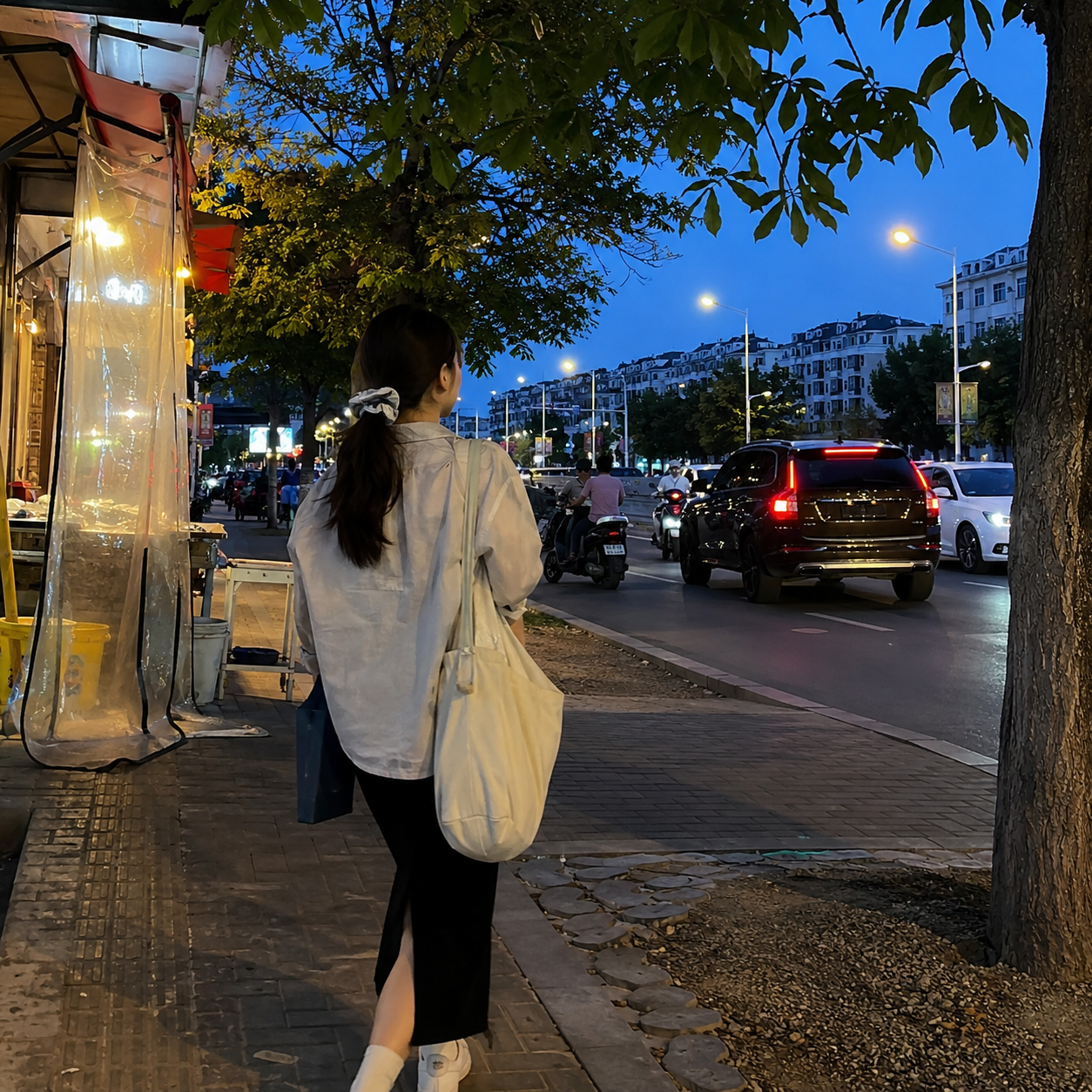
我喜欢这种没有被安排好的热闹。它不是景点里的拥挤,也不是商场里的背景音乐,而是普通生活自然发出的声音。旅行者常常带着观察的姿态进入一座城市,像是在寻找它的特点,但吃饭时这种姿态会松下来。你坐在当地人旁边,用同样的筷子夹菜,用同样的纸巾擦嘴,突然意识到城市不是由标志性建筑组成的,而是由无数顿这样的晚饭支撑着。
I like this kind of unarranged liveliness. It is not the crowding of a scenic spot, nor background music in a shopping mall, but the natural sound of ordinary life. Travelers often enter a city with an attitude of observation, as if searching for its defining traits, but this attitude relaxes during a meal. You sit beside local people, pick up food with the same kind of chopsticks, wipe your mouth with the same paper napkin, and suddenly realize that a city is not made of landmarks, but supported by countless dinners like this one.
吃到一半时,我把手机翻过来看了一眼。地图软件还停留在附近街区,几个收藏标记密密麻麻,像催促我继续完成任务。我又把手机扣回去,决定不再查下一站。那一刻我觉得,秦皇岛给我的不是一个必须看完的清单,而是一种可以慢下来的许可。窗外的天色越来越深,路灯把人影拉长,晚风从门缝里钻进来,带着一点海腥和一点饭菜香。
Halfway through the meal, I turned my phone over and glanced at it. The map app still showed the nearby streets, crowded with saved markers that seemed to urge me to keep completing tasks. I placed the phone face down again and decided not to look up the next stop. At that moment, I felt that Qinhuangdao was not giving me a checklist to finish, but permission to slow down. Outside, the sky grew darker, streetlights stretched people’s shadows, and the evening wind slipped through the doorway carrying a little sea smell and a little food aroma.
一顿普通晚饭也会让人想起很多别的晚饭。小时候放学后在家附近的小饭馆吃过的盖饭,出差时在车站旁边匆忙咽下的面,独自租房时点过的外卖,和朋友散场后临时找的烧烤摊。它们未必好到值得专门回忆,却都在某个疲惫的晚上接住了人。秦皇岛这顿饭也是这样,不惊艳,不昂贵,却正好出现在我需要它的时候。
An ordinary dinner also makes one remember many other dinners. Rice bowls eaten in a small restaurant near home after school, noodles swallowed quickly beside a station on a business trip, delivery ordered when living alone in a rented room, barbecue found at the last minute after parting with friends. They may not have been excellent enough to remember deliberately, yet each of them caught a person on some tired evening. This dinner in Qinhuangdao was the same: not stunning, not expensive, but appearing exactly when I needed it.
老板娘给旁边那桌添水时,顺手也看了看我的碗,问米饭够不够。我说够了,她点点头,又转身去厨房喊了一声。这个小小的问候让我觉得很安稳。不是那种刻意的服务,而是小店里常见的照看。它不需要笑容标准,也不需要过多寒暄,只是在你抬头之前,已经有人注意到汤快凉了,饭还剩多少,桌上的纸巾够不够。
When the owner refilled water for the next table, she glanced at my bowl and asked whether I had enough rice. I said it was enough; she nodded and turned back to call something into the kitchen. This small question made me feel steady. It was not deliberate service, but the kind of care common in small eateries. It did not require a standardized smile or excessive conversation. Before you looked up, someone had already noticed whether the soup was cooling, how much rice remained, and whether there were enough napkins on the table.
我慢慢把最后几口饭吃完,盘子里剩下一点酱汁和几片软塌的茄子皮。蛤蜊壳在碗底叠在一起,像被潮水冲到一处的小石头。结账的时候,老板娘报了一个很普通的数字,我付完钱,她说“慢走”。这两个字在很多地方都能听见,可在那天晚上,它们听起来像是秦皇岛给旅人的一句低声告别。
I slowly finished the last few bites of rice. A little sauce and several soft pieces of eggplant skin remained on the plate. The clam shells stacked at the bottom of the bowl looked like small stones washed together by the tide. When I paid, the owner named a very ordinary amount. After I transferred the money, she said, “Take care.” These words can be heard in many places, but that evening they sounded like Qinhuangdao’s quiet farewell to a traveler.
走出店门,空气比进来时更凉。街上没有什么戏剧性的景象,只有行人、车灯、晚归的人和还没关门的水果摊。我没有立刻回住处,而是在附近绕了一小圈。肚子饱了之后,城市的轮廓也变得柔和。原本陌生的楼房不再只是地图上的方块,而像有人在里面开灯、吃饭、说话、洗碗、准备睡觉的地方。
When I stepped out of the shop, the air was cooler than when I had entered. There was nothing dramatic on the street, only pedestrians, headlights, people returning late, and a fruit stand that had not yet closed. I did not go back to my lodging immediately, but took a small loop around the neighborhood. After my stomach was full, the outline of the city softened. The unfamiliar buildings were no longer blocks on a map, but places where people turned on lights, ate, talked, washed dishes, and prepared for sleep.
也许真正认识一座城市,不一定要从最有名的地方开始。可以从一张普通餐桌开始,从一碗热汤开始,从老板娘问你饭够不够开始。那些被称为景观的东西负责让人记住城市的样子,而这些平凡的晚饭负责让人记住城市的温度。秦皇岛的那顿普通晚饭没有改变我的行程,却改变了我在行程里的速度。
Perhaps truly getting to know a city does not have to begin with its most famous places. It can begin with an ordinary table, with a bowl of hot soup, with the owner asking whether you have enough rice. The things called scenery help people remember what a city looks like, while these plain dinners help people remember its temperature. That ordinary dinner in Qinhuangdao did not change my itinerary, but it changed the speed at which I moved through it.
后来再想起秦皇岛,我不只想到海边、栈道和夏天游客的脚步声。我还会想到那家小店的灯,想到墙上被油烟熏旧的菜单,想到蛤蜊汤里浮着的葱花,想到一碗米饭被酱汁染成浅褐色。它们没有宏大的意义,却真实得很稳定,像旅行中一枚不显眼的钉子,把那天晚上牢牢钉在记忆里。
Later, when I thought of Qinhuangdao again, I did not only think of the seaside, boardwalks, and the footsteps of summer visitors. I also thought of the light in that small eatery, the smoke-stained menu on the wall, the scallions floating in the clam soup, and a bowl of rice dyed light brown by sauce. They held no grand meaning, yet they were real in a steady way, like an inconspicuous nail in a journey, fastening that evening firmly into memory.
旅行有时会让人误以为,只有特别的瞬间才值得保存。可是普通晚饭提醒我,人的身体并不靠特别活着。身体需要热饭,需要坐下来,需要有人把一盘菜放到面前,需要在陌生城市里找到一小段熟悉的秩序。吃完饭之后,再走进夜色里,脚步会比之前更稳,心也会比之前更宽一点。
Travel sometimes makes people mistakenly believe that only special moments are worth keeping. But an ordinary dinner reminds me that the body does not live on specialness. The body needs hot rice, needs to sit down, needs someone to place a dish in front of it, needs to find a small piece of familiar order in an unfamiliar city. After eating, when one walks back into the night, the steps are steadier than before, and the heart is a little wider.
那天的秦皇岛没有给我一个惊叹号,而是给了我一个逗号。它让我在奔走之间停了一下,咽下一口汤,听见锅铲声和风声混在一起。普通晚饭的好处正在这里:它不要求你兴奋,不要求你评价,不要求你拍出漂亮照片。它只是诚实地让你吃饱,然后把你交还给夜晚。
Qinhuangdao did not give me an exclamation mark that day; it gave me a comma. It let me pause in the middle of moving around, swallow a mouthful of soup, and hear the sound of the spatula mixing with the wind. This is the virtue of an ordinary dinner: it does not require you to be excited, to judge, or to take beautiful photos. It simply and honestly feeds you, then returns you to the night.
回到住处之前,我在便利店买了一瓶水。店员扫码的时候,门口的风铃响了一下,声音很轻。我忽然觉得这座城市并不遥远。它仍然有我不了解的街道、口音和生活节奏,但一顿晚饭已经替我打开了一扇小门。门里没有奇观,只有灯火、饭菜和人声,而这些已经足够让我愿意把这一天称为好的一天。
Before returning to my lodging, I bought a bottle of water at a convenience store. When the clerk scanned it, the wind chime at the door rang softly. Suddenly I felt that the city was not distant. It still had streets, accents, and rhythms of life I did not understand, but a dinner had already opened a small door for me. Behind the door there was no spectacle, only lights, food, and human voices, and that was already enough for me to call the day a good one.
如果以后有人问我在秦皇岛吃到了什么,我也许不会说出那家店的名字,因为我甚至没有认真记住招牌。我会说,我吃了一顿很普通的晚饭,普通到像任何一个晚上都可能发生;可也正因为它普通,它让我短暂地不再像游客,而像一个刚好路过、被城市温柔收留的人。
If someone later asks what I ate in Qinhuangdao, I may not be able to name the shop, because I did not even remember its sign carefully. I will say that I ate a very ordinary dinner, so ordinary it could have happened on any evening. Yet precisely because it was ordinary, it briefly made me feel less like a tourist and more like someone passing through, gently taken in by the city.
- 中国旅游摄影技巧与最佳拍摄地 | Photography Tips & Best Spots in China
- 七月避暑:中国最凉快的地方在哪里 | July Cool Escapes: Where to Beat the Heat in China
- 暑期亲子游最佳目的地 | Best Family Travel Destinations for Summer
- 一次小小的药店交流,怎么让我开始信任在中国开口求助这件事 | How a Small Pharmacy Interaction Taught Me to Trust Asking for Help in China
- 中国旅游紧急情况处理手册 | Emergency Handbook for China Travel
- 大盘鸡:一盘端上来,整桌人都不说话了 | Dapanji: When This Plate Arrives, the Whole Table Goes Silent
- 在武汉,我把酒店地址和求助用语先放到了手机最前面 | In Wuhan, I Put My Hotel Address and Help Phrases at the Front of My Phone
- 杭州西湖:人间天堂 | Hangzhou West Lake: Paradise on Earth
- 中国旅游网络与上网指南 | Internet & Connectivity Guide for China Travel
- 菜市场早餐和街边小吃的点单经验 | What I Learned Ordering Breakfast and Street Snacks Beside a Chinese Wet Market
Comments (0)