
青岛海岸三站法:栈桥、八大关和崂山怎么排更顺 | Qingdao in Three Stops: Pier, Badaguan, and Laoshan in Better Order
青岛海岸三站法:栈桥、八大关和崂山怎么排更顺 | Qingdao in Three Stops: Pier, Badaguan, and Laoshan in Better Order
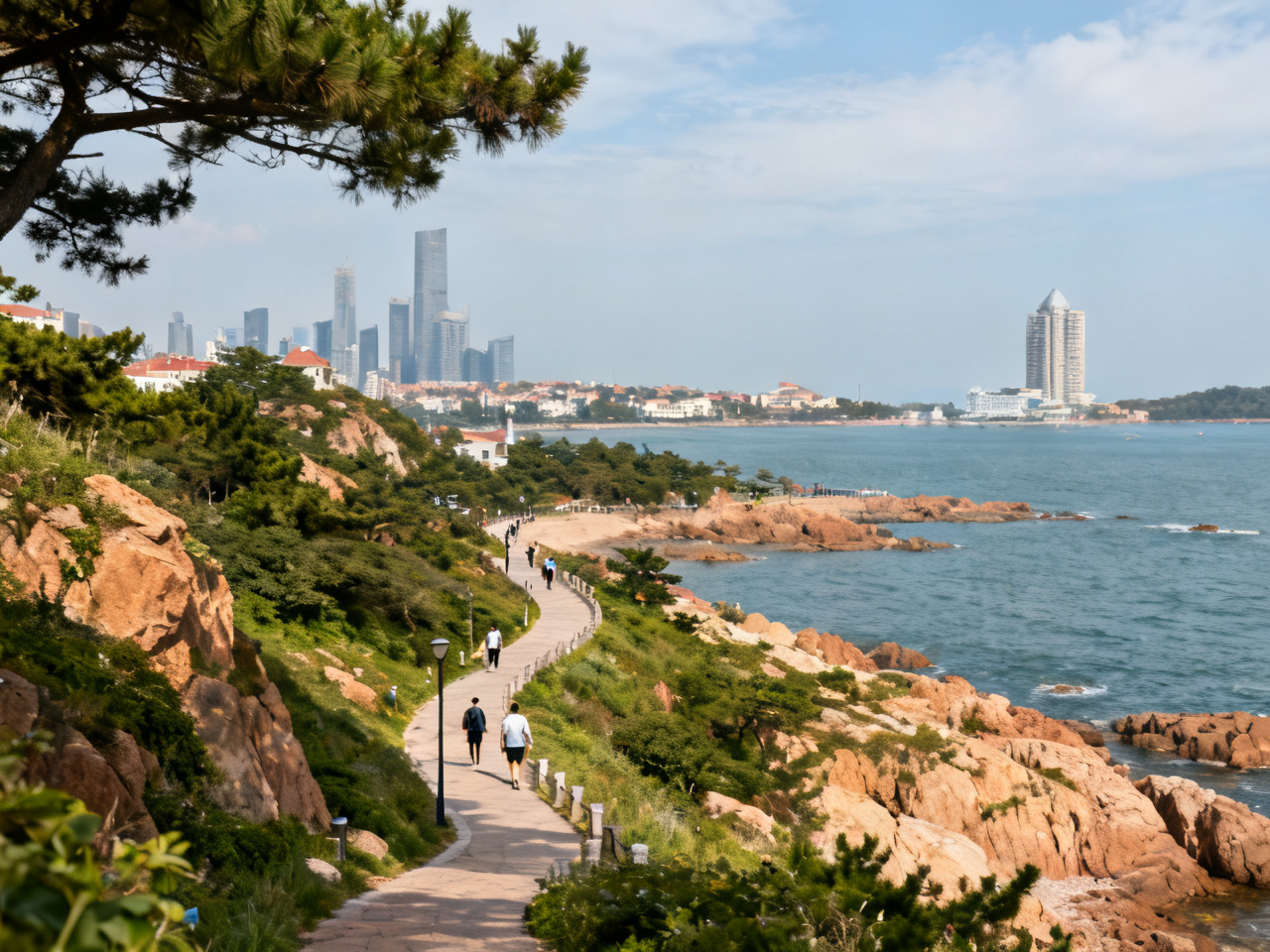
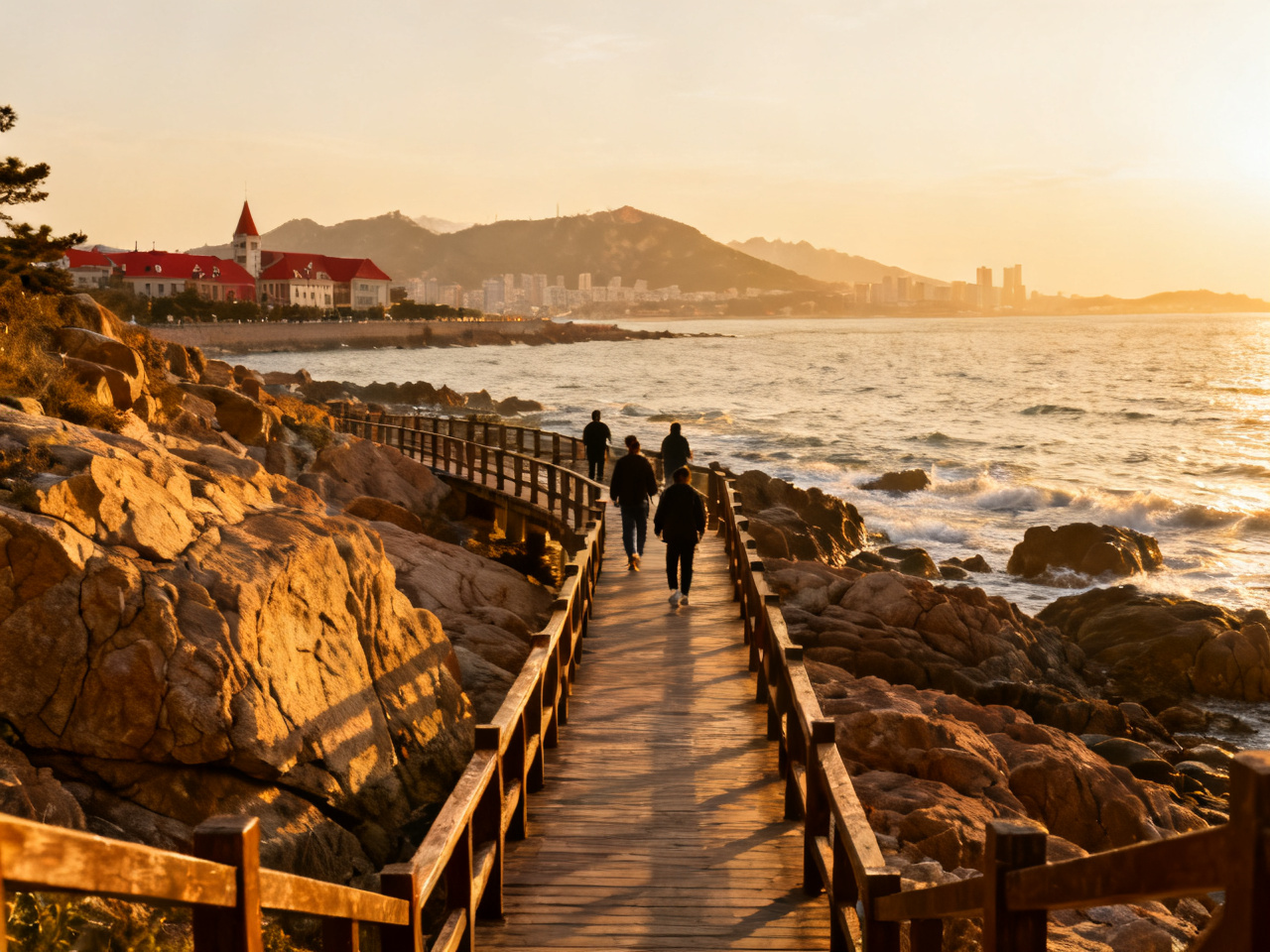
很多人做青岛行程时,第一反应是把栈桥、八大关、崂山都塞进同一天,仿佛地图上三个名字能连成线,现实里就一定能顺着完成。真正走过一遍才知道,青岛的舒服,不在于“景点打满”,而在于你是否理解海岸城市的展开方式:它不是平面的列表,而是由海风、坡度、视野、体力和交通节拍共同决定的层次。栈桥适合拿来开场,因为它像一枚简洁的引子,能让人最快建立“我已经到青岛了”的身体感;八大关适合放在中段,让视线从海面退回来,落到树荫、院墙、拐角和建筑纹理上;崂山则不适合作为随手补上的尾声,它应该被当成整天里最有纵深感的一站,需要留给它真正的时间、脚力和精神余量。所谓三站法,说到底不是教你多快,而是教你怎么顺。
When many people plan Qingdao, their first instinct is to squeeze Zhanqiao, Badaguan, and Laoshan into a single day, as if three names can be connected on a map and therefore must flow smoothly in real life. But after actually doing the route, you realize that Qingdao’s pleasure does not come from “completing” landmarks. It comes from understanding how a coastal city unfolds: not as a flat checklist, but as layers shaped by sea wind, slopes, viewpoints, physical energy, and transportation rhythm. Zhanqiao works best as an opening because it functions like a clean introduction, letting you establish the bodily feeling of “I have arrived in Qingdao” as quickly as possible. Badaguan belongs in the middle, where your gaze can retreat from the sea and settle onto shade, walls, corners, and the textures of old architecture. Laoshan should not be treated as a casual extra stop at the end. It deserves to be the deepest station of the day, with proper time, physical reserve, and mental attention. The so-called three-stop method is not about speed. It is about sequence.
我会建议的基本顺序是:早上先去栈桥,接着把城市散步最舒服的时段留给八大关,最后单独把崂山放在另一天,或者至少放在一整天行程的核心,而不是黄昏前仓促插入。为什么先栈桥?因为它的观看方式非常直接。你不需要长篇背景知识,也不需要进山前那种提前调动体力的准备。你只要站在伸向海中的桥身上,就会立刻感到风把衣角吹开,海水在两侧拍出不同方向的纹路,远处的城市线条因为湿润空气显得有一点柔。早晨去尤其好,一是人还没完全聚拢,二是光线比较平,不会把海面反成一整片刺眼的白。栈桥不是青岛最复杂的景点,却是最适合作为第一口海风的地方。它能把人从“赶路模式”切到“进入城市模式”。
The basic order I recommend is this: go to Zhanqiao in the morning, give the most comfortable urban walking hours to Badaguan, and place Laoshan on another day—or at least make it the core of a full day rather than a rushed insertion before dusk. Why start with Zhanqiao? Because its way of being seen is direct. You do not need extensive historical background, nor the physical preparation required before a mountain outing. You simply step onto the bridge extending into the sea and feel the wind pull at your clothes, while the water on either side forms different patterns of movement, and the distant city edge looks slightly softened by damp air. Early morning works especially well: the crowds have not fully formed yet, and the light is flatter, so the sea does not reflect as one blinding white sheet. Zhanqiao is not Qingdao’s most complex landmark, but it is one of the best places for your first breath of sea air. It moves you from transit mode into city mode.
从栈桥出来再去八大关,顺的地方在于情绪转换自然。你先在海边获得开阔,再到八大关把注意力收回来,去看那些不需要大声宣告自己的东西:倾斜的树影,安静的别墅立面,石墙上被时间磨旧的接缝,转角处突然露出的海。八大关不适合暴走,它更像一段有呼吸的慢镜头。你需要允许自己走走停停,遇到哪条路树冠更密,就往哪边偏一点;看见院门前花木长得好,就多停两分钟;如果风从路尽头把海腥味送过来,就知道离开阔海面并没有真的远。很多人把八大关当作“拍建筑”的地方,其实它更值得被当成“感受尺度”的地方。这里的尺度不是宏大,而是让人放慢脚步的合适:街道不压迫,房子不喧哗,树和墙把人的视线切成一段一段,逼着你从赶行程的直线思维里退出来。
Moving from Zhanqiao to Badaguan feels right because the emotional shift is natural. First you receive openness at the seafront, then in Badaguan you gather your attention inward again and notice things that do not announce themselves loudly: slanting tree shadows, quiet villa facades, time-worn seams in stone walls, and sudden glimpses of sea at corners. Badaguan is not a place for aggressive walking. It is more like a slow-motion sequence with breathing room. You need to allow yourself to pause often, drift toward whichever road has denser tree cover, stay a little longer where flowers grow well by a gate, and recognize that if the wind carries a salty smell down a street, the open sea is never truly far away. Many people treat Badaguan as a place to “photograph architecture,” but it is even better understood as a place to feel proportion. The proportion here is not grand. It is simply well-sized for human pace: streets do not oppress, houses do not shout, and trees and walls cut your sightline into segments, pulling you out of the straight-line mindset of rushing through an itinerary.
至于崂山,我最不建议的排法,就是把它当作海边城市中的一个“顺路自然景点”。崂山不是顺路,它是另一种逻辑。到了那里,城市感会明显退后,路线判断、上坡下坡、缆车还是步行、看海还是看石、补水和返程时间,都会变成更实在的问题。如果你上午已经在栈桥和八大关消耗了耐心和脚力,下午再想把崂山“补完”,十有八九会在交通、时间或者体力上变得草率。更好的方法,是承认崂山值得单独对待。你可以前一晚早睡,第二天以山海线为主轴;也可以在城市部分只保留轻量活动,把精力省给崂山。那里的好,不是打卡某个固定点,而是在山体起伏之间,不断遇到“海原来可以从这个角度出现”的惊喜。青岛的海到了崂山脚下,不再只是铺开的背景,而开始和岩石、台阶、树影共同构图。
As for Laoshan, the arrangement I least recommend is treating it as a scenic add-on that happens to be near a coastal city. Laoshan is not incidental. It operates by a different logic. Once you get there, the urban feeling recedes, and practical issues take over: route decisions, climbs and descents, cable car or walking, sea views versus rock views, hydration, and return timing. If you have already spent patience and leg energy on Zhanqiao and Badaguan in the morning, then try to “finish” Laoshan in the afternoon, the result is usually rushed in transport, time, or stamina. A better method is to admit that Laoshan deserves its own treatment. Sleep earlier the night before and build the next day around the mountain-sea route, or keep the city portion light and reserve energy for Laoshan. What makes it rewarding is not checking off one fixed point, but repeatedly encountering the surprise of “the sea can appear from this angle too.” By the foot of Laoshan, Qingdao’s sea is no longer merely a spread-out background; it begins composing itself together with rock faces, steps, and tree shadows.
如果只有一天半或两天,三站法就更要讲优先级。我的简化版是:第一天早上栈桥,午后八大关;第二天给崂山。这样安排有两个好处。第一,你不会把不同性质的观看疲劳叠在一起。海边广角、城市慢走、山地爬升,本来就是三种不同的身体任务。第二,你会更容易记住青岛,而不是只记住“今天跑了很多地方”。旅行中最常见的损耗之一,就是错误地相信多就是值。实际上,青岛这种城市最怕被切成碎片。你在栈桥需要的是迎面而来的明快,在八大关需要的是树荫中的回收,在崂山需要的是纵深和拉开。顺序对了,青岛像一首由浅入深的曲子;顺序错了,它就只剩下奔波。
If you have only a day and a half or two days, the three-stop method depends even more on priority. My simplified version is: Zhanqiao on the first morning, Badaguan in the afternoon, and Laoshan on the second day. This brings two benefits. First, you avoid stacking different forms of visual and physical fatigue on top of each other. Seafront openness, urban slow walking, and mountain ascent are three distinct bodily tasks. Second, you are more likely to remember Qingdao itself rather than only “how many places I ran through.” One of the most common travel losses is the mistaken belief that more automatically means greater value. In fact, a city like Qingdao suffers when sliced into fragments. At Zhanqiao, what you need is frontal brightness. In Badaguan, you need recovery inside shade. In Laoshan, you need depth and extension. If the order is right, Qingdao feels like a melody that deepens gradually. If the order is wrong, it becomes mere rushing.
如果你平时就喜欢研究线路,可以把这套思路和别的城市做对照。比如上海到苏州一日路线里强调的是城际切换时如何保留节奏,而不是简单拼接景点;三峡路线旧稿更能帮助理解“视野递进”这种安排逻辑;桂林两日路线旧稿则提醒人,山水城市最怕把最费体力的一段放在已经疲惫的时候。青岛三站法真正想解决的,并不是地图问题,而是体验问题:怎样让第一眼海风、第一段林荫路和第一次真正看见山海相接,彼此不打架,反而层层托起。只要抓住这个原则,你就不会再问“能不能一天全走完”,而会开始问“怎样走,青岛才会更像青岛”。
If you enjoy studying routes, you can compare this logic with other cities. 上海到苏州一日路线 emphasizes preserving rhythm during intercity transitions rather than merely stitching landmarks together. 三峡路线旧稿 helps explain the logic of progressive viewpoints, and 桂林两日路线旧稿 reminds you that mountain-water destinations suffer when the most demanding segment is placed after fatigue has already set in. What the Qingdao three-stop method really solves is not a map problem but an experience problem: how to keep your first sea wind, your first shaded avenue, and your first true encounter with mountain meeting sea from competing with one another, and instead make them build upward in layers. Once you hold that principle, you stop asking, “Can I finish everything in one day?” and begin asking, “How should I move so that Qingdao feels fully like Qingdao?”
- 在中国生活:完整指南 | Living in China: A Complete Guide
- 我在中国学会用地理去理解历史,而不是只背名字 | In China I Learned to Use Geography to Understand History Instead of Memorizing Names
- 六月毕业旅行目的地推荐 | June Graduation Trip Destinations in China
- 中国城市的绿色脉络:那些被树荫覆盖的街道 | China's Green Veins: The Tree-Lined Streets That Define Its Cities
- 中国街头小吃十选:从北到南,一路吃过去 | Ten Chinese Street Snacks: Eating Your Way from North to South
- 苏州园林不是用来赶场的,我在一扇漏窗前停了十分钟 | Suzhou Gardens Are Not for Rushing; I Stopped Ten Minutes Before One Lattice Window
- 在西安城墙下走慢一点,历史才不是一张照片 | Walking Slowly Under Xi’an City Wall Made History More Than a Photo
- 苏州一到雨天,最容易失灵的不是路线图,而是那种“这里本来很好走”的自信 | When Rain Comes to Suzhou, What Fails First Is Not the Map but the Confidence That the City Is Easy to Walk
- 从零下20度到四季如春:中国南北气候差有多离谱 | Minus 20 to Eternal Spring — China's North-South Climate Gap Is Wild
- 太原老街的灯不抢眼,却把回家、吃面和晚风都照得刚刚好 | Taiyuan’s Old-Street Lights Are Modest, Yet They Hold Homecoming, Noodles, and Night Wind Just Right
Comments (0)