
上海到苏州两天慢线:园林、评弹和夜船都不赶 | Shanghai to Suzhou in Two Slow Days: Gardens, Pingtan, and Night Boats
上海到苏州两天慢线:园林、评弹和夜船都不赶 | Shanghai to Suzhou in Two Slow Days: Gardens, Pingtan, and Night Boats
很多人把上海到苏州看成一条“当天来回”的轻任务,好像高铁一坐、园林一逛、平江路一走,这件事就算完成了。可苏州真正让人记住的,不是你打卡了多少点,而是节奏被它一点点放慢的过程。把它切成两天,城市才会从景点名单里走出来,变成一种有停顿、有回声的体验。
Many people treat Shanghai to Suzhou as a light same-day task: take the train, visit one garden, walk Pingjiang Road, and call it complete. Yet what makes Suzhou memorable is not the number of places checked off, but the way its pace slowly lowers yours. Split it across two days, and the city steps out of checklist mode and becomes an experience with pauses and echoes.
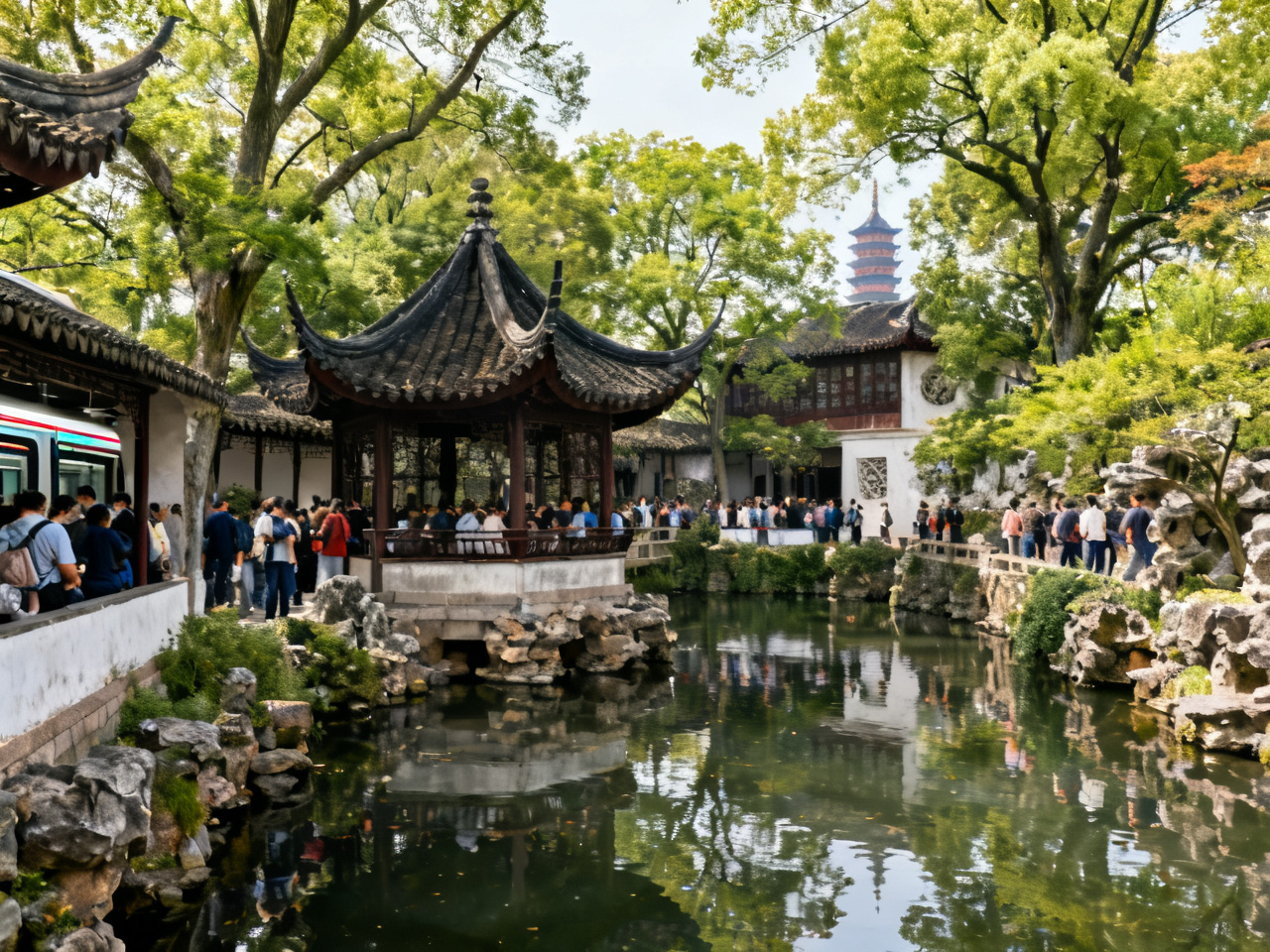
第一天最适合把重心放在园林和水边步行。园林看似精致,其实最怕匆匆。你如果总想在半小时里把假山、窗洞、回廊全部看懂,最后只会留下“很漂亮”的模糊印象。更好的方式是选一两处空间慢慢停,等光线和游人位置自己变化。苏州园林的妙处,本来就不是信息量,而是观看方式。
The first day works best when the focus stays on gardens and waterside walking. Classical gardens may look delicate, but they suffer badly from rushed viewing. If you try to decode rockeries, moon gates, corridors, and framed windows in half an hour, you leave only with a vague memory that it was pretty. A better method is to stop in one or two spaces and let light and visitor movement change the view on their own. The beauty of Suzhou gardens lies less in raw information than in a way of seeing.
第二天留给“声音和夜色” / Let the Second Day Belong to Sound and Evening Light
我更喜欢把评弹放到第二天,因为前一天的步行会先把心绪压下来。等你在茶馆或小场子里坐定,评弹那种轻、缓、带转折的节奏就更容易进来。它不像大型演出那样追求强冲击,而是靠细小起伏把人带进苏州自己的说话方式里。
I prefer saving pingtan for the second day, because the walking of day one lowers your inner tempo first. Once you sit down in a teahouse or small venue, the gentle, curved rhythm of pingtan enters more easily. It does not aim for the force of a large performance. It draws you in through fine rises and turns, closer to Suzhou's own way of speaking.
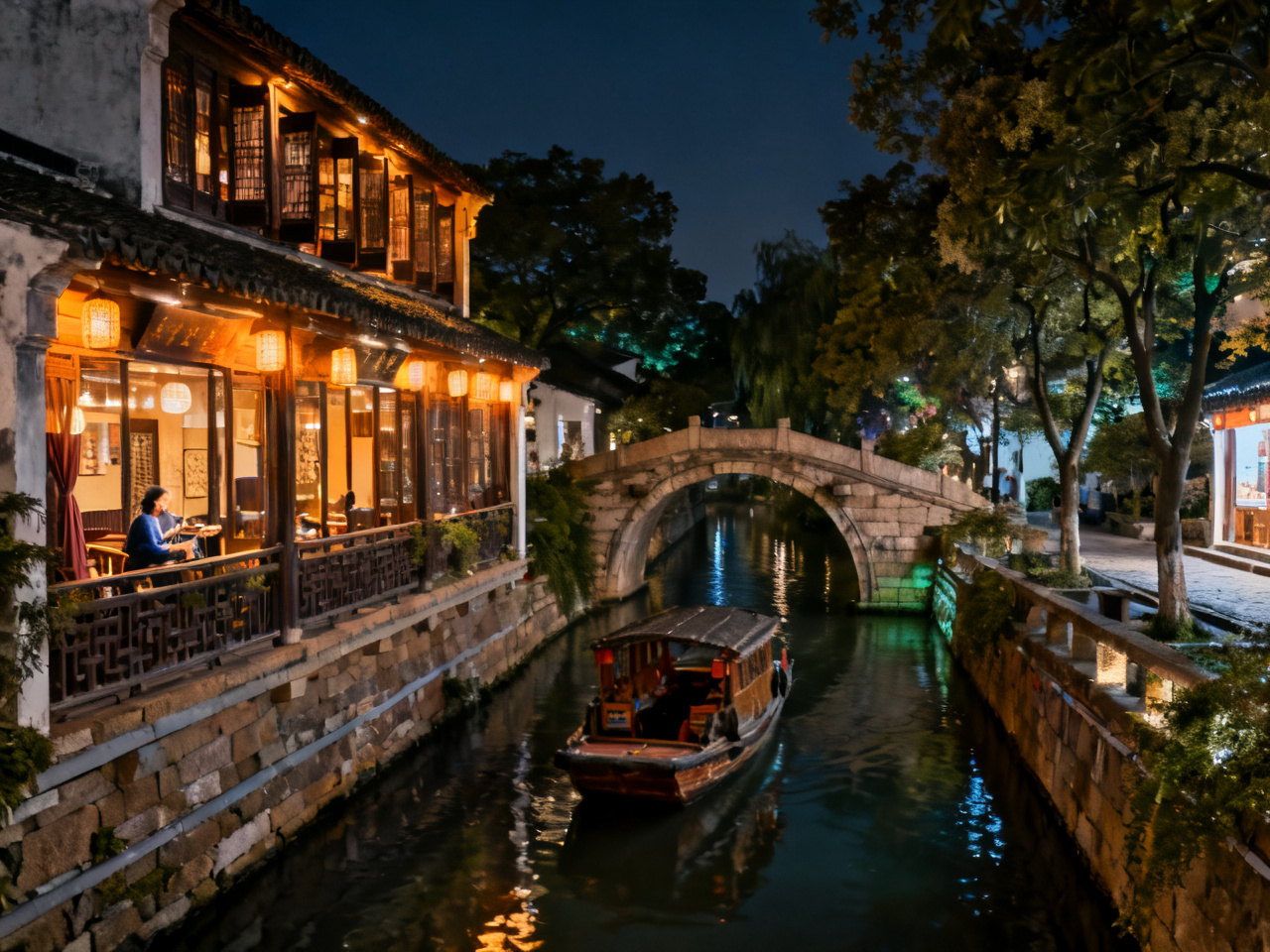
夜船也应该放在后半段,不必执着于最热闹的航线。对白天已经走过巷子和河边的人来说,夜船的价值不在“看新景”,而在于把白天见过的空间重新整理一遍。岸边灯光一暗下来,城市会从白天的细节切换成一种更整体、更柔和的轮廓。
Night boats also belong later in the trip, and there is no need to chase the busiest route. For someone who has already walked lanes and canals in daylight, the value of the boat is not seeing entirely new scenery but reorganizing places already encountered. As the lights soften, the city shifts from daytime detail to a more unified and gentler outline.
还有一个现实理由支持两天慢线:你不会总在赶高铁和赶时间之间做选择。苏州这种城市,一旦被压进“几点前必须回去”的框架里,很多本来应该自然发生的停留就会消失。真正舒服的江南路线,常常不是内容更多,而是焦虑更少。
There is also a practical reason to make it a two-day slow route: you stop choosing constantly between trains and time pressure. In a city like Suzhou, once everything is forced under a return deadline, many natural pauses disappear. The most satisfying Jiangnan route is often not the one with more content, but the one with less anxiety.
如果你还想继续看站内路线文,可以接着读 江南城市慢线 和 中国步行体验文章。从上海到苏州最好的两天,不是把项目排满,而是让园林、声音和水路慢慢把你的速度改掉。
If you want more route reading on the site, continue with another Jiangnan slow-route article and a piece on walking in Chinese cities. The best two days from Shanghai to Suzhou are not the most packed, but the ones where gardens, sound, and waterways quietly change your speed.
- 七月避暑:中国最凉快的地方在哪里 | July Cool Escapes: Where to Beat the Heat in China
- 杭州西湖边那阵风,提醒我热门景区也要会躲人流 | A Breeze by West Lake Reminded Me How to Dodge Crowds at Famous Attractions
- 从兰州牛肉面开始理解一座河谷城市 | Understanding a River-Valley City Through Lanzhou Beef Noodles
- 我在上海小学门口等放学时,第一次真正听懂“你吃了吗”为什么不是在问饭 | Waiting Outside a Shanghai Primary School, I Finally Understood Why “Have You Eaten?” Is Not Really About Food
- 零下二十多度的哈尔滨,先考验的不是勇气,是手机电量 | In Harbin Below Minus Twenty, the First Test Was Not Courage but Phone Battery
- 上次七月从贵阳绕到昆明,我才把暑假旅行走顺了 | Last July, I Only Got Summer Travel Right After Rerouting from Guiyang to Kunming
- 盐业历史博物馆的楼梯声,把自贡的地下记忆带到了地面 | The Sound of Wooden Stairs Brought Zigong’s Underground Memory to the Surface
- 夜宵去哪里:西安、长沙、重庆三城口味地图 | Late-Night Food Map: Xi'an, Changsha, and Chongqing
- 真正让我看懂苏州的,从来不是多看了几个园林,而是顺序终于排对了一次 | What Finally Made Suzhou Click for Me Was Never Seeing More Gardens but Getting the Sequence Right Once
- 和妈妈在福州三坊七巷躲五月阵雨时,我们终于把很多不好意思问出口的话说出来了 | Sheltering from a May Shower in Fuzhou, My Mother and I Finally Said Things We Had Long Left Unspoken
Comments (0)