
北京三日线:第一次来中国,怎么走才不赶路 | Beijing in 3 Days: A First-Time Route Without Rush
北京三日线:第一次来中国,怎么走才不赶路 | Beijing in 3 Days: A First-Time Route Without Rush
刚落地北京时,很多人的第一反应是把故宫、长城、天坛、胡同、三里屯全部塞进两天。路线看起来很满,实际体验却常常只剩下排队、赶地铁和回酒店倒头就睡。更稳的做法,是先承认北京不是“景点串珠”,而是一座尺度很大的城市:宫殿和博物馆需要耐心,胡同和街区需要慢走,远郊目的地则要给往返交通留空间。
Many first-time visitors land in Beijing and try to squeeze the Forbidden City, the Great Wall, the Temple of Heaven, hutongs, and Sanlitun into two days. The plan looks efficient on paper, but in real life it turns into security lines, subway transfers, and collapsing in the hotel at night. A better plan starts with one simple truth: Beijing is not a necklace of attractions. It is a very large city. Palaces and museums need patience, hutongs need time on foot, and outlying sights need realistic transport buffers.
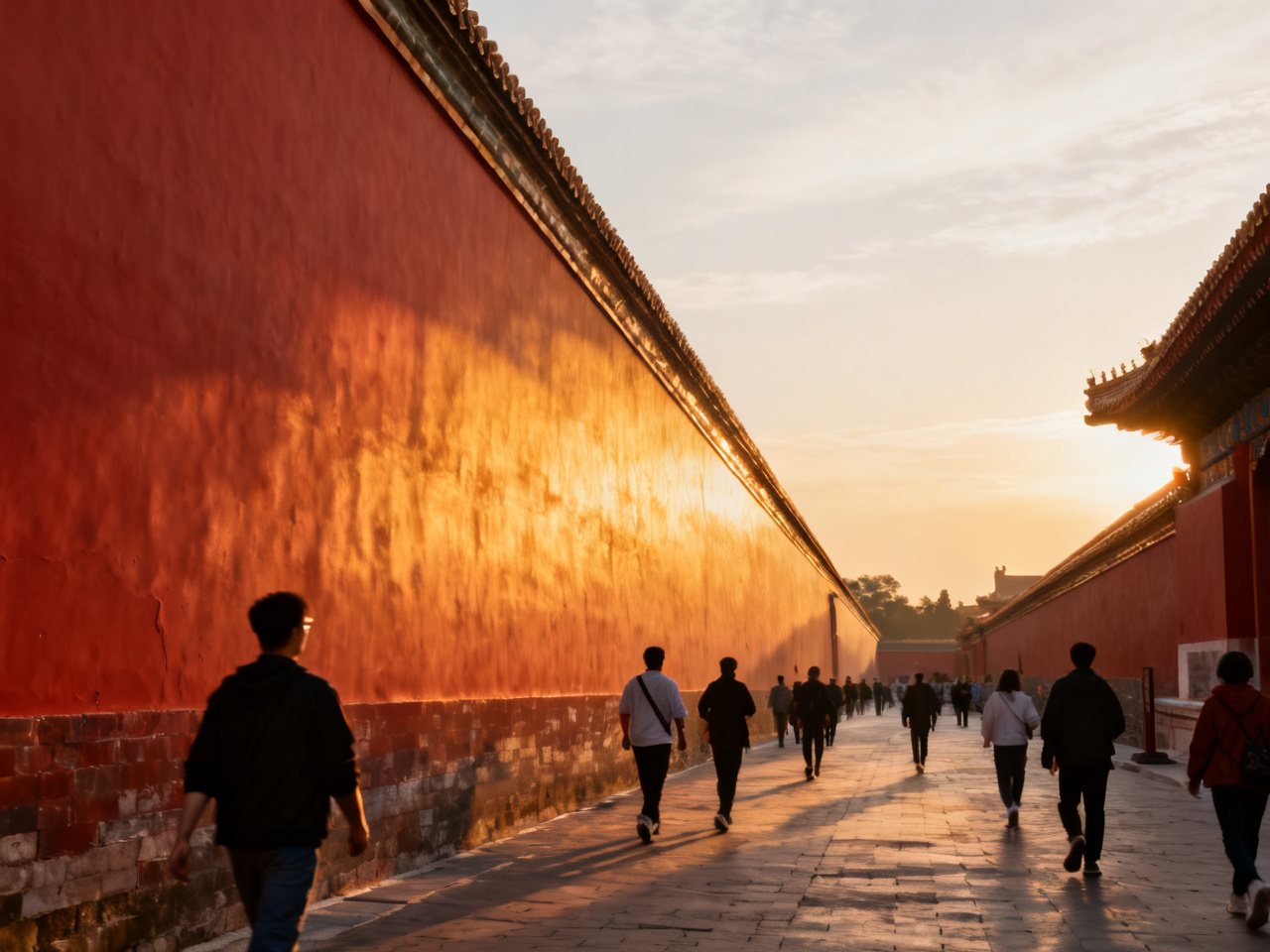
第一天别急着“打卡最多”,而是先把中轴线走顺。早上尽量在开门后不久进入故宫,把体力最好的时段留给最耗神的部分。午后从景山往下看城市轮廓,再转去什刹海或一段较安静的胡同。这样安排的好处很直接:上午面对的是宏大的历史空间,下午转成街区尺度,脚步自然慢下来,脑子也有时间消化。
On day one, do not chase the highest attraction count. Start by understanding Beijing's central axis. Enter the Forbidden City as close to opening time as possible and spend your best energy on the most demanding site. In the afternoon, climb Jingshan for the city view, then move toward Shichahai or a quieter hutong section. The logic is simple: the morning handles imperial scale, the afternoon shifts to neighborhood scale, and your pace becomes naturally calmer instead of mechanically rushed.
第一天:宫殿先行,下午留给街巷 / Day One: Palace First, Neighborhood Later
如果你住在东城或王府井附近,第一天尽量不要频繁换区域。故宫的重点不是“每个殿都看”,而是抓住三件事:空间秩序、颜色和人流。中轴上的建筑会让你迅速建立对北京皇城的直观印象;偏殿和展陈则适合挑自己真正感兴趣的部分停下来。第一次来,不必和博物馆型深度游客比覆盖率。
If you stay near Dongcheng or Wangfujing, avoid cross-city movement on the first day. The key to the Forbidden City is not seeing every hall. Focus on three things instead: spatial order, color, and crowd rhythm. The central axis gives you the clearest impression of imperial Beijing, while side halls and smaller exhibitions are where you should pause only when your interest is real. On a first trip, there is no need to compete with museum-maximizing travelers.
景山是这条线路里的节奏开关。你在故宫内部看到的是局部细节,走到景山山顶后才会突然明白那条轴线为什么如此重要。再往后去胡同,不建议追网红店密度,而是选一段能慢慢走的巷子,听听自行车铃声、看院门口的植物和晒太阳的人。北京真正让初访者放松下来的,常常不是更大的景点,而是这种尺度骤然缩小的时刻。
Jingshan acts like a rhythm switch in this route. Inside the Forbidden City you mostly experience fragments. From the hilltop, the full geometry of the axis suddenly makes sense. After that, head into a hutong area, but do not optimize for viral cafés. Choose a lane where you can move slowly, hear bicycle bells, notice plants near courtyard gates, and watch people sitting in the sun. What relaxes first-time visitors in Beijing is often not a bigger attraction, but this sudden shift into a smaller human scale.
我建议在这一天晚饭前就回到酒店附近,不要再补塞一个大景点。第一次来北京,最容易犯的错就是把第一天安排成“证明自己体力很好”的比赛。实际上,第二天和第三天更需要余量。
My advice is to return to your hotel area before dinner instead of adding one more major stop. The most common first-day mistake in Beijing is turning the route into a test of stamina. In reality, days two and three need your energy even more.
第二天:给长城单独一整天 / Day Two: Give the Great Wall a Full Day
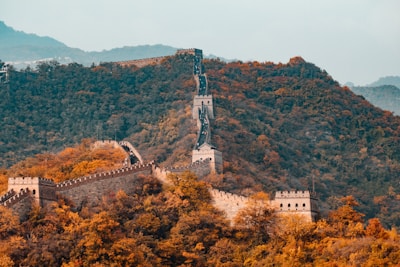
长城不适合做“半天插空项目”。不管你选择八达岭、慕田峪还是别的成熟线路,真正花掉你的不仅是景点本身,还有集合、换乘、排队和返程的不确定性。所以第二天最好只做这一件事。这样回来晚了不会打乱整趟行程,回来早了也可以在酒店附近轻松解决晚餐。
The Great Wall should never be treated as a half-day filler. No matter whether you choose Badaling, Mutianyu, or another established section, the time cost is shaped not only by the site itself but also by assembly, transfers, ticketing, and the unpredictability of the return trip. That is why day two should be dedicated to this single experience. If you come back late, the rest of the journey stays intact. If you return early, you simply have an easy dinner near your hotel.
第一次来中国的游客常常担心“如果只去一个远郊点,会不会浪费一天”。我的判断正相反:把长城从“顺手一看”升级成“整天主题”,你会获得更稳定的旅行记忆。因为在北京,城市内部已经足够密集,远郊的开阔、山势和风感,正好提供一种反差。它会让前三天的体验不只是历史建筑的堆积。
First-time visitors to China sometimes worry that spending a full day on one out-of-town site is inefficient. I think the opposite is true. When the Great Wall becomes the main theme of the day instead of a quick add-on, the memory becomes far more coherent. Beijing itself is already dense and monumental. The open air, mountain lines, and wind on the Wall create the contrast that keeps the entire three-day trip from feeling like a pile of buildings.
这一天还有个现实建议:返城后不要安排“必须排队”的餐厅。你未必知道自己几点能回到市区,把晚饭设定成灵活选项更稳。哪怕只是酒店周边的一碗面,也比掐着时间赶热门餐厅轻松得多。
One practical recommendation for this day: do not book a dinner that depends on strict timing or long waits. You may not know exactly when you will return to the city, so a flexible meal plan is wiser. Even a simple bowl of noodles near the hotel often feels better than racing to a famous restaurant with a fixed idea in your head.
第三天:把“现代北京”留出来 / Day Three: Leave Space for Contemporary Beijing
第三天适合把视角从帝都遗产切换到今天的城市生活。你可以把上午留给国子监或雍和宫附近这样更适合步行和观察的区域,下午再去更当代的商业街区。这样处理的价值,不是为了“古今都看过”,而是让你理解北京不是停留在明清叙事里的城市,它同样有快速、务实、混合化的一面。
Day three works well when you shift your lens from imperial heritage to present-day urban life. Spend the morning in an area such as Guozijian or around Yonghe Temple, where walking and observation matter more than checklists, then move to a more contemporary commercial district in the afternoon. The point is not to claim that you have seen both old and new. The point is to understand that Beijing is not frozen inside a Ming-Qing narrative. It also has a fast, practical, hybrid side.
如果你是第一次来中国,我会刻意让第三天变得“可伸缩”。前两天已经有高密度重点,第三天就该允许临时改主意:想补买伴手礼,可以;想去咖啡馆把照片慢慢整理,也完全合理。北京不适合把最后半天也压榨到满格,因为机场、火车站和跨城移动本身就可能吃掉一大块精力。
If this is your first trip to China, I would deliberately keep day three flexible. The first two days already carry the heaviest highlights, so the last day should allow changes: buying gifts, sitting in a café to sort photos, or simply slowing down are all valid choices. Beijing is not the city where you should squeeze the final half-day to its absolute limit, because airport transfers, stations, and cross-city movement can already consume more energy than expected.
顺着这个逻辑,你也能更自然地读懂为什么有些北京游记看起来“没有去很多地方”,但体验却更完整。不是因为作者懒,而是因为这座城市需要留白。第一次来中国时,真正让你以后还想再来的,往往不是完成了多少项目,而是你在节奏上没有被这座城市打败。
Following this logic also helps explain why some Beijing trip reports seem to cover fewer places yet feel more complete. It is not laziness. It is because this city needs white space. On a first trip to China, what usually makes you want to come back is not the number of boxes you checked, but the fact that the city's scale never defeated your rhythm.
在站内延伸阅读里,你可以顺着 北京城市漫游相关文章 和 中国旅行路线经验文 继续补充细节;如果只记一条原则,那就是:北京三天并不短,前提是你别把它排成冲刺赛。
For related reading on the site, continue with another Beijing city-walk article and a route-planning piece for China travel. If you keep only one rule from this guide, let it be this: three days in Beijing is not too short, as long as you refuse to turn it into a sprint.
- 我在成都住满一周后,才学会不慌不忙地过日子 | After a Week in Chengdu, I Finally Learned How to Live Without Rushing
- 三天玩转上海:完整旅行指南 | Shanghai in 3 Days: Complete Travel Guide
- 五月黄山脚下的一场雨,让本人第一次明白赶景点不如先安顿情绪 | A Rainy May Day at the Foot of Huangshan Taught Me to Settle My Mood Before Chasing Views
- 西街到古港的慢行课:在泉州听见海风 | A Slow Walk from West Street to the Ancient Port in Quanzhou
- 五月在西安城墙下看夜城,我第一次觉得历史不是课本里的东西 | Walking Xi'an's City Wall at Night in May Was the First Time History Stopped Feeling Like a Textbook
- 中国旅游紧急情况处理手册 | Emergency Handbook for China Travel
- 我们班来了一个新同学,他把“可以”说成“可乐”之后,大家反而更快熟起来了 | When the New Kid in Class Said “Cola” Instead of “Okay,” Everyone Somehow Became Friends Faster
- 从兰州牛肉面开始理解一座河谷城市 | Understanding a River-Valley City Through Lanzhou Beef Noodles
- 西北大环线自驾攻略:青海甘肃10日 | 10-Day Northwest Loop: Qinghai & Gansu Road Trip
- 广东早茶:不只是吃,是一种生活方式 | Cantonese Morning Tea: More Than a Meal, It's a Way of Life
Comments (0)