
一碗面,走遍中国 | One Bowl of Noodles, One Country
一碗面,走遍中国 | One Bowl of Noodles, One Country
我有个习惯:到一座新城市,第一顿不去网红餐厅,去找一碗面。
不是因为面条最好吃,而是因为它最诚实。每个地方的面条,都藏着当地人对「一顿饭该是什么样子」的基本判断——汤要不要浓,辣要不要重,面要软还是要劲道,配料是繁是简。你吃懂了这碗面,这座城市的性格也就摸到了一半。
I have a habit: when I arrive in a new city, my first meal isn't at a famous restaurant — it's a bowl of noodles.
Not because noodles are the best food, but because they're the most honest. Every region's noodles carry a local consensus about what a meal should be — rich broth or clear, heavy spice or none, soft texture or chewy, elaborate toppings or bare. Understand the bowl, and you've understood half the city's character.
兰州,早上七点
兰州牛肉面的规矩,是我在当地吃了三天才搞清楚的。
第一天,我进了一家门面普通的小店,指着墙上的菜单说「一碗牛肉面」。老板反问:「细的还是宽的?」我愣了一下,才知道这里的面有七种粗细:毛细、细、二细、三细、韭叶、宽、大宽。这不是噱头,是真实的口感差异——细面吸汤快,入口即化;宽面有嚼劲,汤汁挂得住。
It took me three days of eating in Lanzhou before I understood the rules.
On the first day, I walked into an ordinary-looking shop and pointed at the menu: "One bowl of beef noodles." The owner asked: "Thin or wide?" I hesitated. That's when I learned there are seven widths: hair-thin, thin, medium-thin, medium, chive-leaf, wide, extra-wide. This isn't a gimmick — the difference is real. Thin noodles absorb broth fast and dissolve on the tongue; wide noodles hold their chew and carry more sauce.
汤是清的,不是红的。牛骨和牛肉熬出来的汤,表面浮着一层薄薄的油花,颜色接近琥珀。配料只有牛肉片、白萝卜、香菜、辣椒油。就这些,没有别的。兰州人早上七八点排队吃面,端着碗站着吃完,十分钟搞定,然后去上班。这碗面不是享受,是燃料。
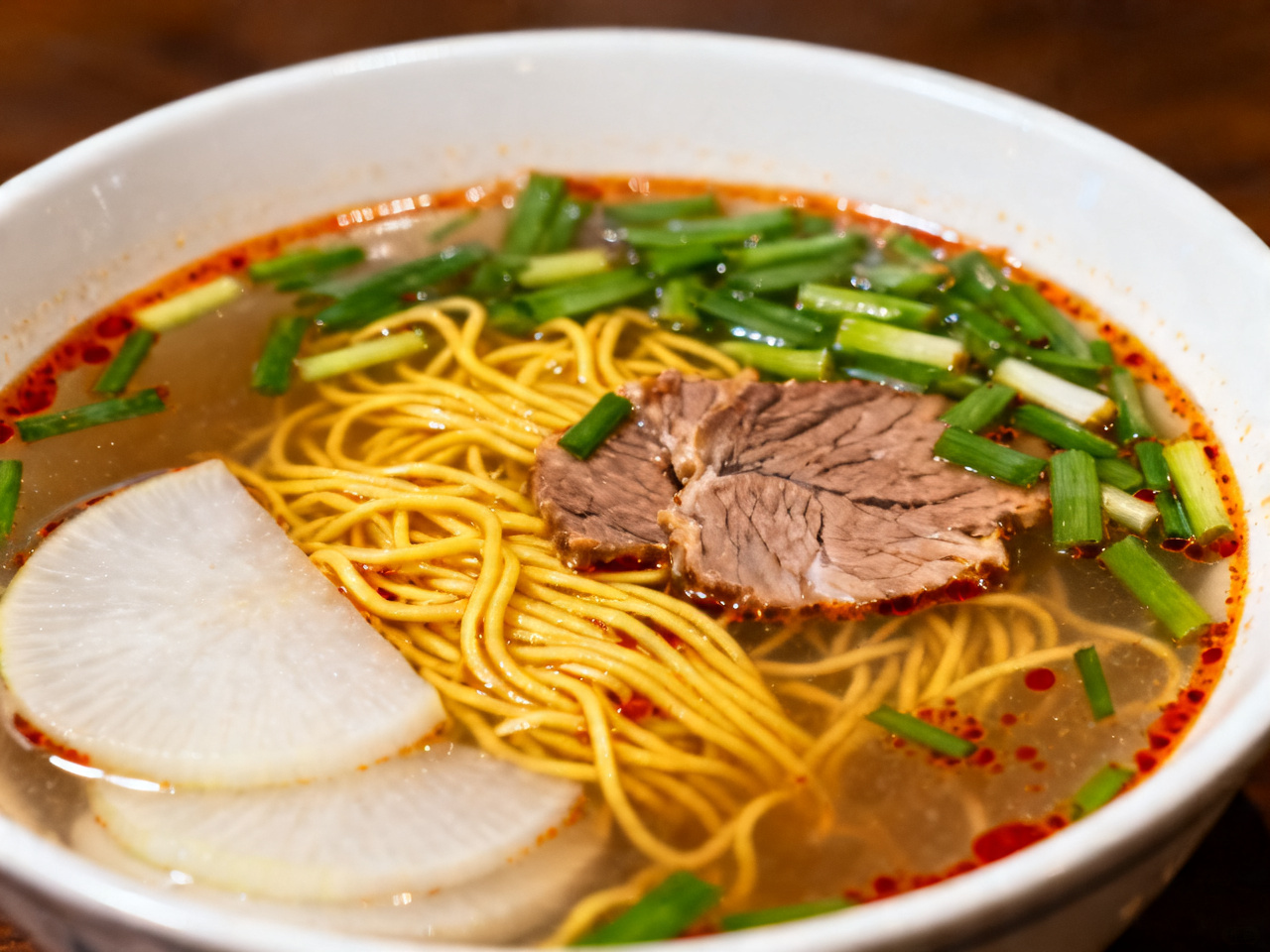
The broth is clear, not red — beef bones and meat simmered down to an amber liquid with a thin film of oil on the surface. Toppings: sliced beef, white radish, cilantro, chili oil. That's it, nothing else. Lanzhou people queue at 7 or 8am, eat standing up, finish in ten minutes, and head to work. This bowl isn't a pleasure — it's fuel.
武汉,过早的哲学
武汉人把早饭叫「过早」,意思是在外面吃早饭,是一种生活方式,不只是填饱肚子。
热干面是过早的核心。第一次吃的人通常会困惑:这个面是干的,没有汤,但也不像普通拌面。关键在碱水面和芝麻酱——面条提前煮到七成熟,过油晾干,吃的时候再烫热,浇上芝麻酱、酱油、醋、葱花、萝卜丁。芝麻酱要稠,要香,要能挂住每一根面条。武汉人评价一碗热干面只有一个标准:芝麻酱够不够香。
Wuhan people call breakfast "guòzǎo" — eating out in the morning. It's a way of life, not just filling your stomach.
Hot dry noodles (热干面) are its centerpiece. First-timers are usually confused: the noodles are dry, no broth, but it's not quite a cold noodle dish either. The key is alkaline noodles and sesame paste. Noodles are par-cooked, coated in oil, and dried. At serving time, they're blanched hot and topped with sesame paste, soy sauce, vinegar, scallions, and pickled radish. The paste must be thick, fragrant, and clingy enough to coat every strand. Wuhan people judge a bowl by one criterion: is the sesame paste good enough?
一碗大概五六块钱,端着碗蹲在路边吃完,是武汉街头最常见的早晨画面。我在武汉的那个早上,找了一家开了二十多年的老店,老板娘手速极快,从下单到端碗不超过两分钟。旁边的食客没有人坐着,全站着或蹲着,吃完放碗就走。这种效率,和兰州的早晨有点像,但味道完全是另一个世界。
Around 5–6 yuan a bowl. Eating it crouched on the sidewalk is one of the most common morning sights in the city. The morning I was there, I found a shop that had been open for over twenty years. The owner moved fast — from order to bowl in under two minutes. Nobody around me was sitting. Everyone stood or crouched, finished, set down the bowl, and left. The efficiency reminded me of Lanzhou mornings, but the flavor was an entirely different world.
山西,面食的另一种逻辑
山西人说,面条要有「筋骨」。
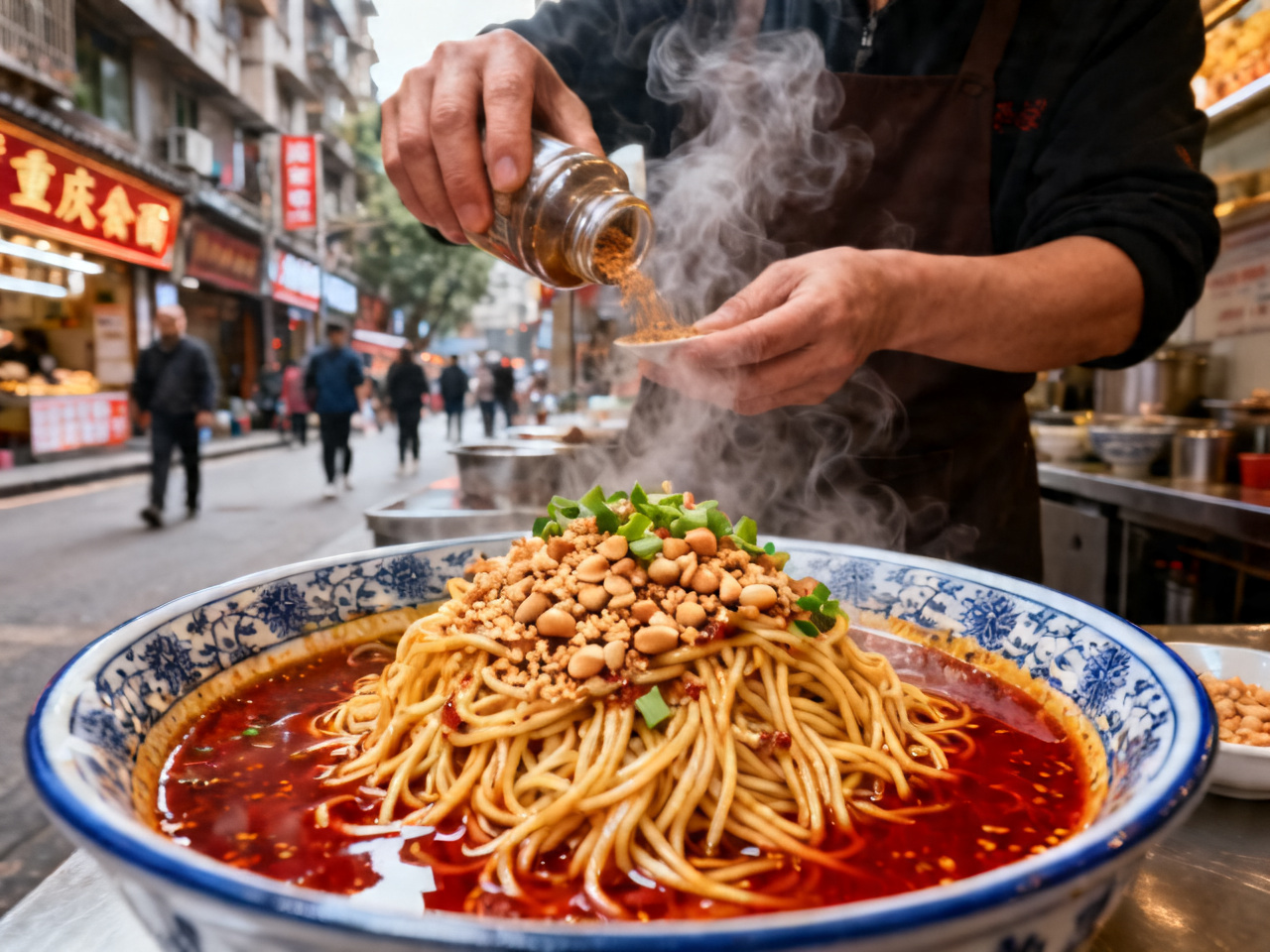
刀削面是用一把弧形刀,对着沸腾的锅,把面团一片一片削进去。每一片的厚度、宽度、弧度都不一样——这正是它的特点。不均匀,所以口感有层次:厚的地方有嚼劲,薄的地方有弹性,同一碗面里能吃出两种质感。
Shanxi people say noodles need "backbone."
Knife-cut noodles (刀削面) are made by shaving a block of dough directly into boiling water with a curved blade. Each piece varies in thickness, width, and curve — that inconsistency is the point. Thicker parts are chewy, thinner parts springy. One bowl, two textures.
山西的面食种类其实远不止刀削面——猫耳朵、剔尖、拨鱼儿、莜面栲栳栳……但对外地人来说,刀削面是最容易找到的入口。配上番茄鸡蛋卤,是最常见的吃法,酸甜的卤汁和劲道的面条,搭配得很自然。
Shanxi actually has dozens of noodle forms beyond knife-cut — cat's ear pasta, poke noodles, oat noodles in rolls — but for visitors, knife-cut noodles are the most accessible entry point. Served with tomato-egg sauce, the tangy, slightly sweet gravy pairs naturally with the chewy noodles.
广州,一碗面的精细程度
到了广州,面条这件事变得非常讲究。
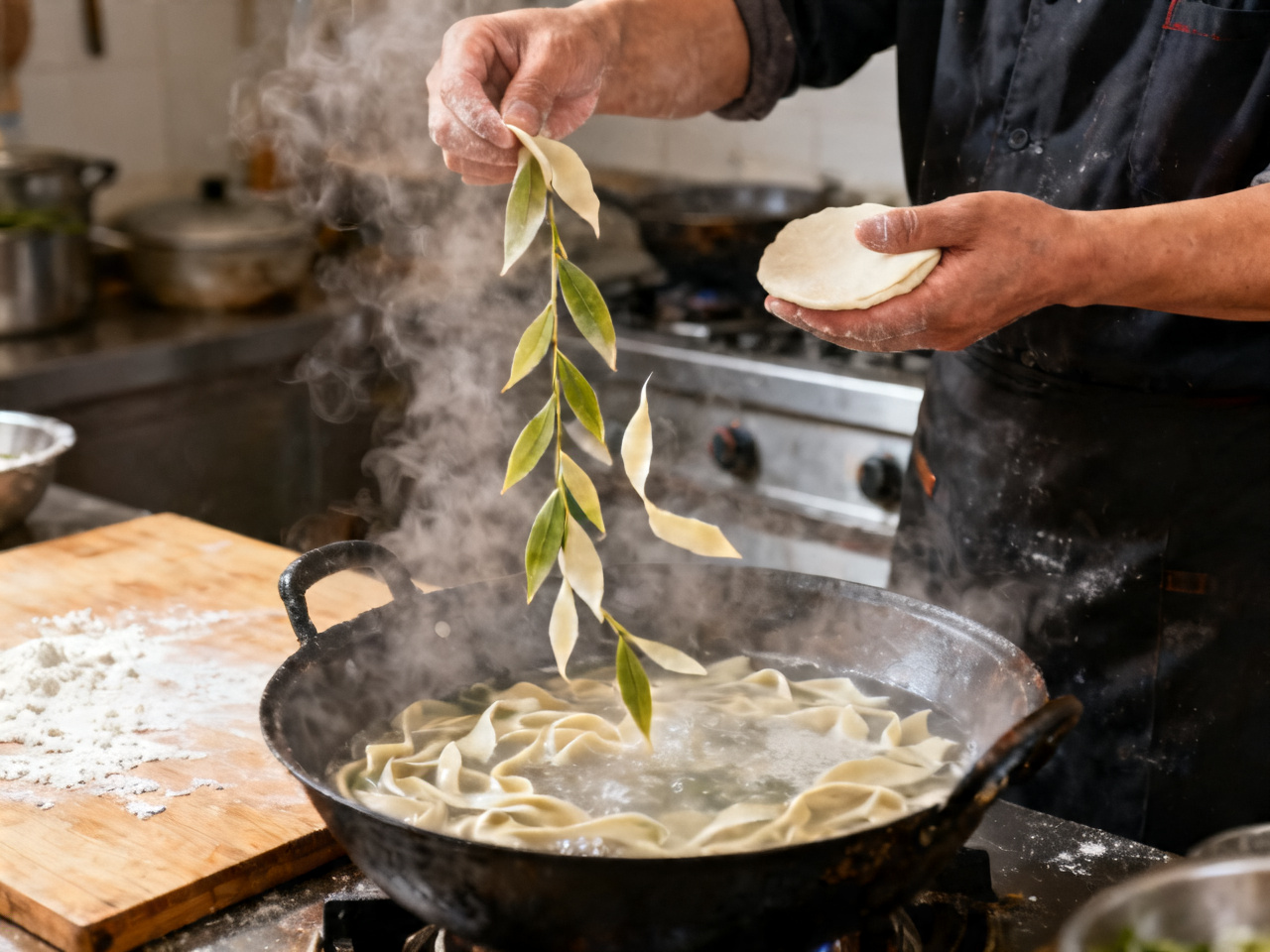
云吞面用的是竹升面——用大竹竿压制的碱水面,细如发丝,弹性极强。汤底是大地鱼(比目鱼干)和猪骨熬的,清澈但鲜味浓。云吞皮薄馅大,虾肉要整只放进去,不能剁碎。判断一家云吞面好不好,先看云吞皮:透明的、能看到里面虾肉颜色的,才是好皮。
In Guangzhou, noodles become a matter of precision.
Wonton noodles use "bamboo pole noodles" — alkaline noodles pressed with a large bamboo pole, thin as thread, intensely springy. The broth is made from dried flounder and pork bones, clear but deeply savory. Wontons have thin skin and generous filling; the shrimp must go in whole, never minced. To judge quality, look at the wonton skin first: if it's translucent enough to see the pink of the shrimp inside, that's a good sign.
广州老茶楼里的云吞面,一碗三十到五十块,比街边摊贵,但用料和做工差别很大。我在广州吃过一次十八块的云吞面,皮厚,虾肉是碎的,汤底寡淡。后来找到一家老字号,四十块,皮薄透明,虾肉整只,汤底鲜得让人想把碗底喝干净。价格差了一倍,体验差了不止一倍。
A bowl at an old Guangzhou teahouse costs 30–50 yuan, more than a street stall, but the difference in craft is real. I once had an 18-yuan bowl in Guangzhou — thick skin, minced shrimp, flat broth. Later I found an old-school place: 40 yuan, translucent skin, whole shrimp, broth so savory I scraped the bowl clean. Double the price, more than double the experience.
四碗面,四种逻辑。兰州要清,武汉要香,山西要劲,广东要鲜。
中国还有重庆小面、新疆拌面、北京炸酱面、上海阳春面……每一种都有自己的道理,每一种都在回答同一个问题:一顿饭,应该是什么样子的?
Four bowls, four philosophies. Lanzhou wants clarity. Wuhan wants fragrance. Shanxi wants chew. Guangdong wants umami.
There's also Chongqing spicy noodles, Xinjiang pulled noodles, Beijing zhajiang noodles, Shanghai plain noodles in broth. Each one answers the same question in a different way: what should a meal actually be?
延伸阅读 / Related Reads
- 中国八大菜系全览 | The 8 Great Cuisines of China
- 第一口就着了魔:一个外乡人在成都的麻辣沉沦 | Spellbound at First Bite: A Stranger's Descent into Chengdu's Heat
- 街头那碗热气,才是中国城市的真实体温 | Street Steam: The Real Pulse of Chinese Cities
- 花椒档案:一个植物学者眼中的四川味觉地图 | The Peppercorn Dossier: Sichuan's Flavor Map Through a Botanist's Eyes
- 华东五城10日经典环线 | 10-Day East China Five-City Loop

- 我站在屋檐下面,才明白中国古建筑为什么先让人慢下来 | I Understood Why Traditional Chinese Architecture Slows the Body Only After Standing Under the Eaves
- 威海的海风还没吹到脸上,我先把车票、地图和付款码排好了顺序 | Before Weihai’s Sea Wind Reached My Face, I Had Already Put Tickets, Maps, and Payment Codes in Order
- 我在镇江西津渡的五月雨声里,忽然不再害怕一个人吃饭 | In Zhenjiang's May Rain at Xijin Ferry, I Suddenly Stopped Fearing Eating Alone
- 中国旅游必备App大全 | Essential Apps for Traveling in China
- 我在贵州山里迷了七天路 | Seven Days Lost in the Mountains of Guizhou
- 哈尔滨冬天的第一口热汤,救了我冻僵的旅行计划 | The First Bowl of Hot Soup in Harbin Saved My Frozen Travel Plan
- 汉服:传统中国服饰 | Hanfu: Traditional Chinese Clothing
- 黄山云海与迎客松:四季皆美 | Huangshan Sea of Clouds & Welcome Pine: Beautiful in All Seasons
- 五月高原旅游指南:西藏、青海、云南高原怎么玩 | May Plateau Travel Guide: Tibet, Qinghai, and Yunnan Highlands
- 零下二十多度的哈尔滨,先考验的不是勇气,是手机电量 | In Harbin Below Minus Twenty, the First Test Was Not Courage but Phone Battery
Comments (0)