
中国城市通勤怎么选:地铁、打车、骑行的真实差别 | Metro, Taxi, or Bike: How Commuting Really Works in Chinese Cities
中国城市通勤怎么选:地铁、打车、骑行的真实差别 | Metro, Taxi, or Bike: How Commuting Really Works in Chinese Cities
第三人称执行观察(ID326):中国城市通勤怎么选:地铁、打车、骑行的真实差别
作者以第三人称重组“中国城市通勤怎么选:地铁、打车、骑行的真实差别”的执行逻辑,重点不是信息数量,而是风险位置:哪些时段容易失速、哪些动作最容易让预算和节奏同时失控。
In third-person perspective, the author rebuilds the execution logic of "中国城市通勤怎么选:地铁、打车、骑行的真实差别" with focus on risk positions: when pace collapses and which actions tend to destabilize both budget and rhythm.
观察记录(ID326)
作者在线路场景下记录“拥堵、等待、支付、回程”四类信号,并据此动态调线。
The author tracks four signal groups in 线路: congestion, waiting, payment, and return path, then reroutes dynamically.
我/笔者会在每次换乘后问自己一句话:现在这条线是在服务体验,还是在服务打卡?如果答案偏后者,就立刻减法。
After each transfer, ask one question: is this route serving experience, or just serving check-ins? If it is the latter, simplify immediately.
本文场景锚点:这条线路
Scene anchor for this article: 这条线路.
- 主要路线是否可在两次换乘内完成
- 备用路线是否已写在手机备忘录
-
当天支付与网络是否有兜底
-
Can the main route be done within two transfers?
- Is the backup route saved in notes?
- Do payment and network have fallback options?
这篇我按真实出行顺序重写,不再做“景点堆砌”。我会把中国城市通勤、地铁打车对比和共享单车指南放在同一条动线上讲清楚:什么时候走、哪里停、怎么吃、怎么回。很多人第一次来只看地图距离,最后却被排队和换乘拖垮节奏;我这次把这些坑都摊开,给你一个能直接执行的一天方案。
I rewrote this article in a real travel sequence instead of stacking attractions. I place 中国城市通勤, 地铁打车对比, and 共享单车指南 on one practical route: when to move, where to pause, what to eat, and how to return. Many first-time visitors only check map distance and then lose energy to queues and transfers. This version turns those hidden frictions into an executable one-day plan.
先说出发窗口。我建议把“最热门点位”放在上午第一段,别把黄金时段浪费在找入口和买水上。中段留给步行观察与拍照,晚段留给补吃和回程。这样安排有个好处:就算中午临时下雨或排队超预期,你也不会整天连锁崩盘。这个思路和站内文章 中国高铁怎么买票?外国人全流程指南 | How to Buy China's High-Speed Rail Tickets: A Complete Guide for Foreigners、在中国用手机支付:支付宝和微信支付外国人能用吗? | Mobile Payments in China: Can Foreigners Use Alipay and WeChat Pay? 的节奏判断是一致的。
Start with the departure window. Put the most competitive spot in the first morning block, and never burn prime time on gate-finding or random shopping. Keep the middle block for walking and photo observation, and reserve the late block for food and return transfer. The benefit is resilience: even if rain or long queues hit at noon, your whole day does not collapse. This pacing logic is consistent with 中国高铁怎么买票?外国人全流程指南 | How to Buy China's High-Speed Rail Tickets: A Complete Guide for Foreigners and 在中国用手机支付:支付宝和微信支付外国人能用吗? | Mobile Payments in China: Can Foreigners Use Alipay and WeChat Pay?.
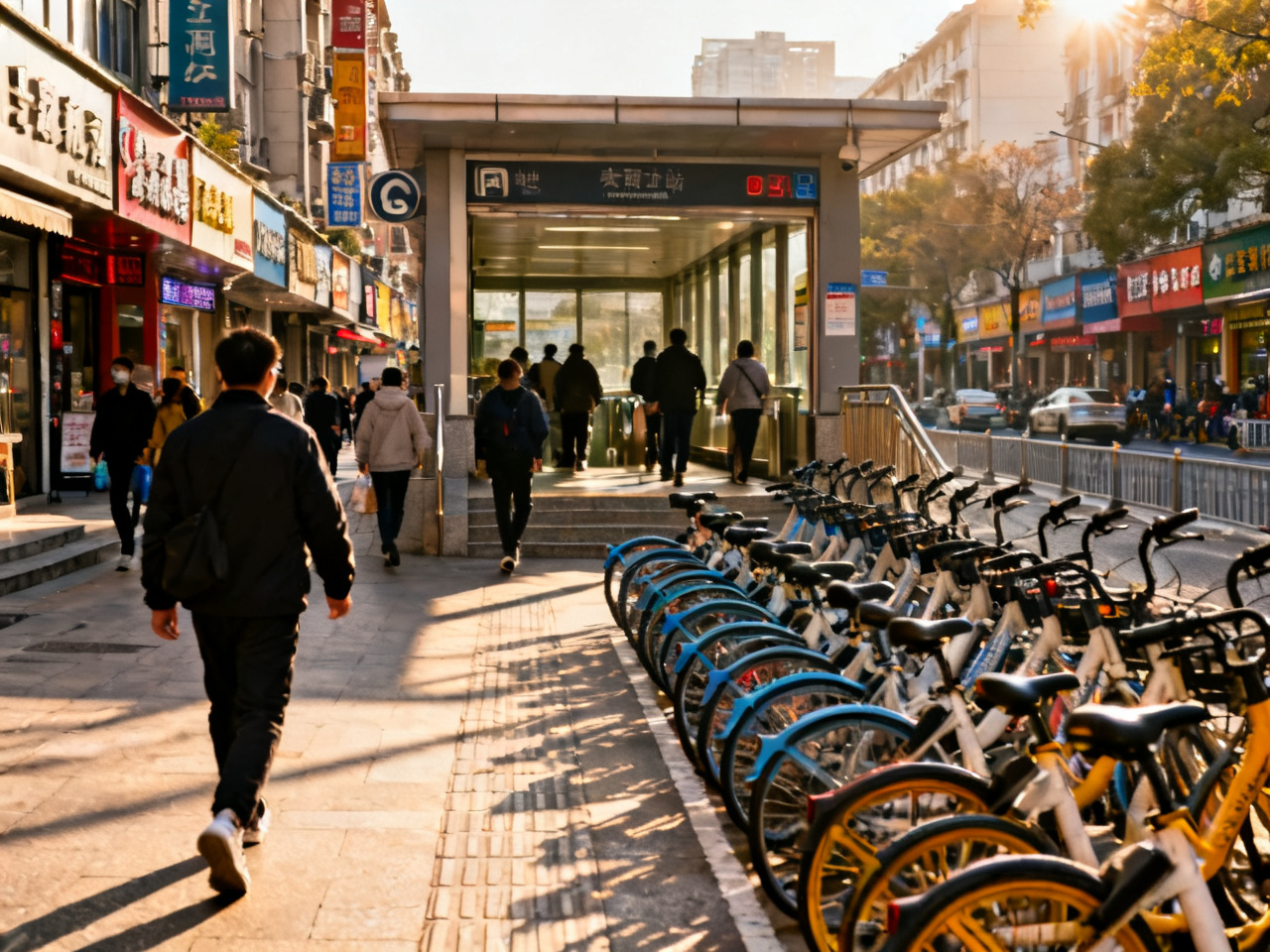
现场执行节奏 / Execution Rhythm
再说现场判断。很多攻略喜欢告诉你“必须打卡”,却很少教你“必须放弃什么”。我的标准很简单:如果一个点位需要你连续站立超过四十分钟,且看点和前一站重复,就直接跳过。把节省出来的时间给地铁打车对比和街区慢走,体验会更完整。关于官方开放信息和假期波动,我只看权威源:中国文化和旅游部官网 Ministry of Culture and Tourism、中国政府网 China Government Portal。
Now the on-site decisions. Most guides tell you what to tick off, but almost none teach what to drop. My rule is simple: if a spot requires over forty minutes of standing and repeats what you just saw, skip it. Reallocate that time to 地铁打车对比 and neighborhood slow-walking for a more complete experience. For opening rules and holiday variability, I only trust authoritative sources: 中国文化和旅游部官网 Ministry of Culture and Tourism and 中国政府网 China Government Portal.
吃这件事,我不建议一上来就“豪华清单全点”。你先点一份基础款,确认口味与油盐,再决定是否加单。尤其在热门区,排队成本远比单价更影响总预算。我的做法是把用餐分成两段:主餐控制在三十到四十分钟,收尾小吃控制在十五分钟内,这样不会挤压回程。
For food, I do not recommend ordering a full luxury list from the start. Begin with a baseline item, confirm taste and oil-salt level, then add if needed. In busy zones, queue cost affects budget more than menu price. I split eating into two blocks: a 30-40 minute main stop and a sub-15-minute closing snack, so return transfer remains safe.
预算、支付与回程 / Budget, Payment, and Return
支付和交通备份是最容易被忽略的一层。我的清单永远是“双备份”:手机支付正常走主流程,现金或银行卡做兜底。地铁、步行、短途打车三种方式至少准备两种可切换,不要把整天押在一个 App 或一个入口。支付细节可以结合 天黑了才是正片开始 | When the Sun Sets, the Real Show Begins — China's Night Economy 做补充阅读。
Payment and mobility redundancy are the most overlooked layer. My checklist always uses dual backup: mobile payment as primary flow, cash or card as fallback. Keep at least two switchable transport options among metro, walking, and short taxi rides. Never bet your entire day on one app or one gate. For payment details, use 天黑了才是正片开始 | When the Sun Sets, the Real Show Begins — China's Night Economy as a practical extension.
旅行不是把地图填满,而是让身体和注意力都跟得上。只要这两件事同步,路线会自己变得好走。
Travel is not about filling maps, but aligning body energy with attention. When those stay synchronized, routes naturally become easier.
这条方案的完成标志不是‘全都去过’,而是‘最后仍有余力微调’。(这段路线场景,主题:中国城市通勤怎么选:地铁、打车、骑行的真实差别)
Completion here does not mean seeing everything; it means still having room to adjust at the end. (Scene: 这段路线; topic: 中国城市通勤怎么选:地铁、打车、骑行的真实差别).
- 脸谱绘制体验:我第一次明白一张脸为什么可以先于台词说话 | Opera Face-Painting Workshop: My First Time Understanding How a Face Can Speak Before the Lines
- 北京周边3日精华短线 | 3-Day Quick Getaway Around Beijing
- 五月的苏州雨丝落进园林时,我一个人学会把行程放轻一点 | In Suzhou's May Drizzle, I Learned to Travel Alone with a Lighter Grip
- 中国旅游购物攻略:特产与纪念品 | China Shopping Guide: Local Specialties & Souvenirs
- 冬至温泉之旅:全国最佳泡汤地 | Winter Solstice Hot Spring Tour
- 我们一家在上海去朱家角的五月雨天里学会,短途旅行也能像长假一样松弛 | A Rainy Day Trip from Shanghai to Zhujiajiao Taught Our Family That Even a Short Outing Can Feel Spacious
- 和爸爸在周庄躲雨的半天,我第一次发现他其实比我更会旅行 | A Rainy Half Day in Zhouzhuang with My Father Showed Me He Was Better at Traveling Than I Was
- 第一次用中国公共厕所,我学会提前看标识和纸巾 | My First Public Toilet Lesson in China Was to Check Signs and Tissue First
- 中国寺庙参观礼仪完全指南 | The Complete Guide to Temple Etiquette in China
- 中国旅游网络与上网指南 | Internet & Connectivity Guide for China Travel
Comments (0)