
逛中国博物馆前,先学会这套看展方法 | A Practical Method to Visit Museums in China
逛中国博物馆前,先学会这套看展方法 | A Practical Method to Visit Museums in China
第一次进中国的大型博物馆,最容易发生的事情不是“看不懂”,而是“看太多”。展厅大、文物密、说明信息长,很快就会把注意力拖平。真正有效的方法,不是提高忍耐力,而是先学会减法:一场馆只抓一条主线,剩下的交给现场感觉决定。
The most common problem in a large museum in China is not failing to understand it. It is trying to absorb too much. The halls are large, the objects are dense, and the labels are often information-heavy. Attention flattens quickly. The effective solution is not stronger endurance but subtraction: choose one main line per museum and let the rest depend on what the room itself pulls you toward.
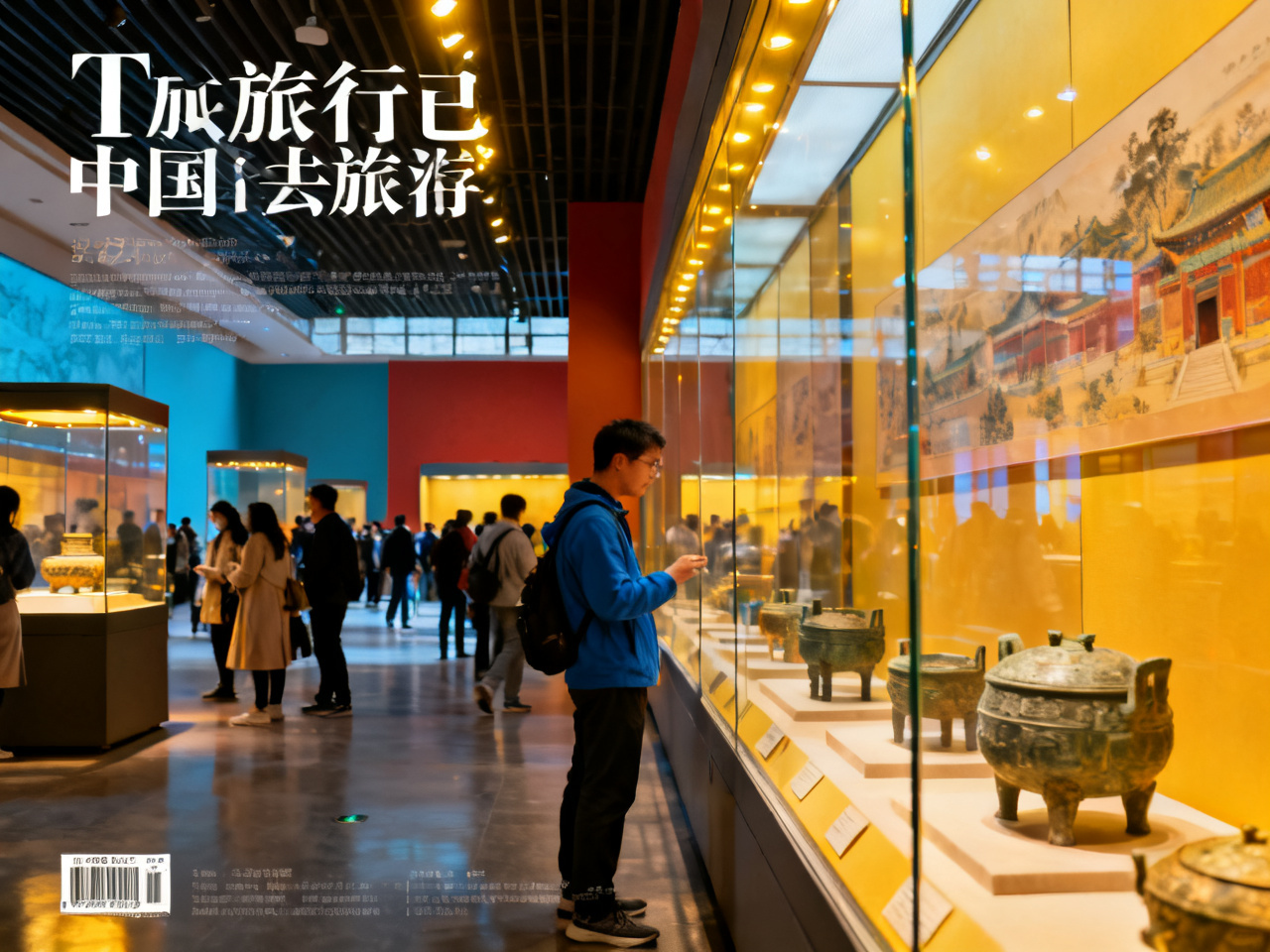
先定“今天只想搞懂什么” / Decide What You Want to Understand Today
有人进博物馆会下意识从一层扫到顶层,像在清空任务栏。这样很容易累,也很难留下印象。更稳的方式是先给自己一个问题:今天我是想看王朝更替,还是想看工艺细节,还是想通过一件镇馆之宝把整座馆串起来?问题定得越清楚,脚步就越轻。
Many visitors instinctively move floor by floor as if they were clearing a task list. That approach causes fatigue and leaves weak memories. A steadier method begins with one question: am I here to understand dynastic change, craftsmanship, or the story that radiates from one signature object? The clearer the question, the lighter your steps become.
把体力留给前四十五分钟 / Save Your Best Attention for the First Forty-Five Minutes
真正最有收获的时间,通常是刚进馆后的前四十五分钟。那时腿还不酸,阅读能力也没下滑。所以最想看的展厅一定先去,不要留到最后。很多馆的后半程不是不精彩,而是观众已经没有处理信息的力气了。
The most productive part of a museum visit is usually the first forty-five minutes after entry. Your legs still feel fine and your reading attention has not dropped yet. That is why the section you care about most should come first, not last. The back half of many museums is not weaker. Visitors are simply already depleted.
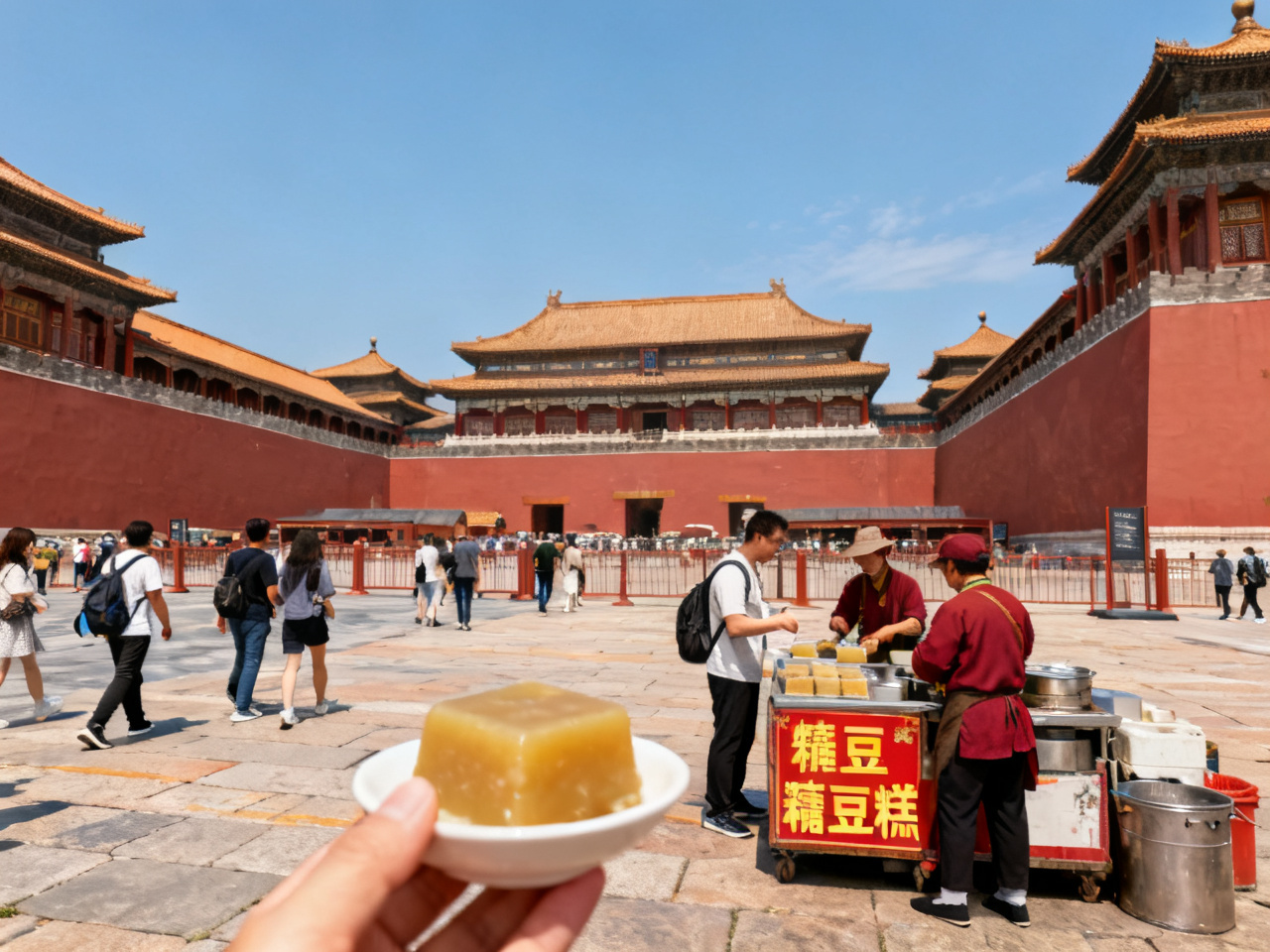
留白比“全看完”更高级 / White Space Is Better Than Total Coverage
中国博物馆里常会出现这样的时刻:你在某个展柜前突然停住,别的观众匆匆过去,你却愿意多读一块说明、多看一遍器物的纹理。那种停住的时刻,往往比你多刷两个展厅更有价值。它说明你和展品建立了联系,而不是只完成了移动。
Chinese museums often produce a useful moment: you stop in front of one case while others continue moving, and you want to reread the label or inspect the surface of an object again. That pause is often more valuable than rushing through two extra halls. It means you formed a connection instead of merely completing movement.
如果要继续站内阅读,可以看 中国文化体验相关文章 和 历史场馆参观经验。真正好的看展方法,不是让你看得更多,而是让你走出馆门时还能清楚记得自己真正看见了什么。
For related reading on the site, continue with another China culture article and a piece on visiting historic venues. The best museum method does not make you see more. It makes you leave the building knowing exactly what you truly saw.
还有一个经常被忽略的动作:看展途中给自己一次短暂停顿。哪怕只是坐两分钟、回看手机里刚拍的标签,都会帮助你把零散信息重新整理。很多人以为停下来会浪费时间,其实正是这种短暂停,让一场展览从“看过”变成“记住”。
One frequently overlooked move is giving yourself one short pause during the visit. Even two quiet minutes on a bench, or a quick look back at the labels you photographed, helps reorganize scattered information. Many visitors think stopping wastes time. In reality, that pause is often what turns a museum from something you merely passed through into something you actually remember.
- 火锅点单避坑指南:第一次吃别踩这些雷 | Hot Pot Ordering Survival Guide: Avoid These Mistakes on Your First Visit
- 第一次在中国水果店买西瓜,我学会先说想现场切还是带走 | The First Time I Bought Watermelon in a Chinese Fruit Shop, I Learned to Say Whether I Wanted It Cut to Eat Now or Taken Home
- 桂林那晚,老板娘一句“别搜了”比榜单更会点菜 | In Guilin, the Owner’s “Stop Searching” Guided Dinner Better Than Any List
- 中国十大旅游路线 | Top 10 Travel Routes in China
- 呼和浩特被雨洗亮以后,连烧麦店门口的白雾都值得慢慢看 | After Rain Brightened Hohhot, Even the Steam Outside a Shaomai Shop Was Worth Slowing For
- 中国旅游安全须知 | Safety Tips for Traveling in China
- 我在上海学会先看地铁口周边,再决定在哪家咖啡馆坐下 | In Shanghai I Learned to Read the Metro Exit Area Before Choosing a Café
- 第一次在中国社区医院挂普通门诊,我先学会的不是看病,而是先找分诊台 | The First Thing I Learned at a Chinese Community Hospital Was Not the Consultation, but Finding Triage First
- 我在中国学会看便利店灯光、地铁出口和人流方向来判断安全 | I Learned to Read Convenience-Store Lights, Metro Exits, and Pedestrian Flow for Safety in China
- 威海的海风还没吹到脸上,我先把车票、地图和付款码排好了顺序 | Before Weihai’s Sea Wind Reached My Face, I Had Already Put Tickets, Maps, and Payment Codes in Order
Comments (0)