
我在中国学会看便利店灯光、地铁出口和人流方向来判断安全 | I Learned to Read Convenience-Store Lights, Metro Exits, and Pedestrian Flow for Safety in China
我在中国学会看便利店灯光、地铁出口和人流方向来判断安全 | I Learned to Read Convenience-Store Lights, Metro Exits, and Pedestrian Flow for Safety in China
很多人听见“在中国觉得安全”时,第一反应是把它理解成一句很空的总体评价,好像只是笼统地说“这里治安不错”。可对我这个外国人来说,真正把安全感建立起来的,从来不是一句口号,而是一连串非常具体、甚至有点琐碎的观察:夜里走到一个路口时,旁边有没有亮着的便利店;从地铁出来之后,出口外的人是继续往前自然分散,还是一下子全散进黑巷;一条街看起来安静,到底是因为秩序稳定,还是因为真的没有人;如果我手机要拿在手上看导航,这个动作在周围人的节奏里是不是显得自然。后来我才明白,我在中国学会的不是抽象地“相信安全”,而是学会了怎么读那些构成安全感的小信号。
When people hear someone say that China feels safe, their first reaction is often to interpret it as a vague general statement, as if it only means “public security seems good here.” But for me as a foreigner, the real growth of safety never came from a slogan. It came from a chain of extremely concrete, almost trivial observations. If I arrive at an intersection at night, is there a convenience store with lights still on nearby? After leaving a metro station, do people continue forward and disperse naturally, or do they vanish immediately into dark side alleys? If a street looks quiet, is it quiet because the order is stable, or because there is genuinely nobody around? If I need to hold my phone to check navigation, does that action look natural within the rhythm of everyone else around me? Eventually I realized that what I learned in China was not how to “believe in safety” abstractly. I learned how to read the small signals that create it.
我第一次真正注意到这一点,是在深圳一个很普通的工作日晚间。那天我从地铁口出来,天已经黑了,但还不算晚,周围写字楼刚散出一波人。路口边一间便利店灯特别亮,门口有人买水,有人拿快递,还有一个骑手把车停在侧边看手机。我本来只是想看一眼导航,可抬头的那几秒里,我突然发现自己的紧张感几乎没有了。不是因为周围“很热闹”,而是因为所有信息都在告诉我:这是一种可读、可停、可退的环境。便利店是一个明亮节点,地铁口是一个清晰的退路,人流方向也很连贯。我后来越来越认同先把安全感建立在日常细节上这种思路,因为它真的比任何空话都更能帮助外国人判断现实场景。
The first time I really noticed this was on a perfectly ordinary weekday evening in Shenzhen. I had just come out of the metro. It was already dark, but not very late, and a wave of office workers had just spilled out into the street. A convenience store near the intersection was brightly lit. One person was buying water, another was picking up a parcel, and a delivery rider had stopped his bike at the side and was looking at his phone. I only meant to check my own map, but in the few seconds before I did, I suddenly realized that my tension was almost gone. It was not because the area was “busy.” It was because every visible cue was telling me the same thing: this was a readable environment, a place where I could pause, orient, and retreat if needed. The convenience store was a bright node, the metro exit was a clear fallback, and the pedestrian flow was coherent. I came to strongly agree with the logic in building safety from daily details first, because it helps foreigners judge real scenes far better than any vague claim ever could.
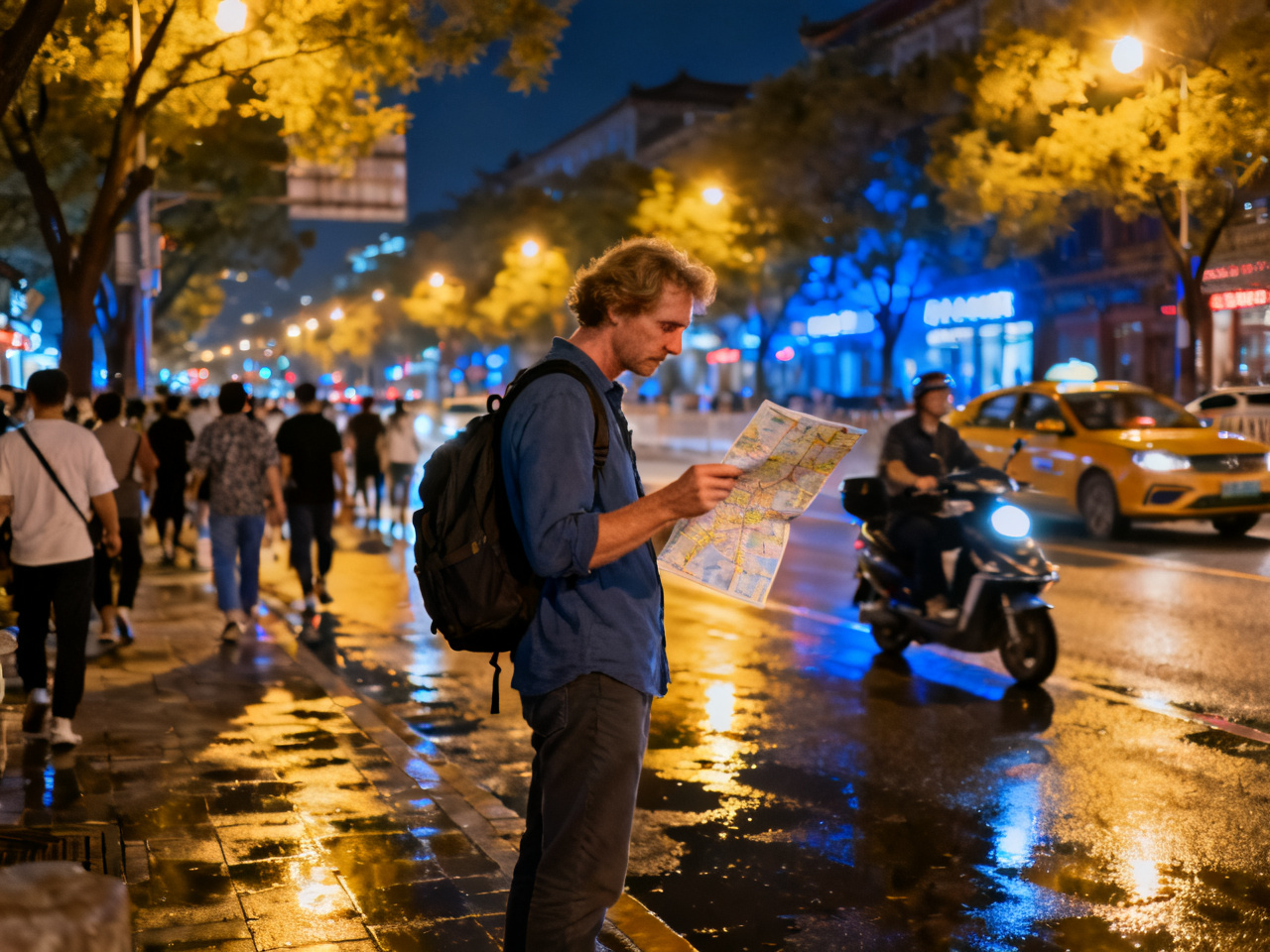
后来我开始有意识地把这种观察练成一种固定动作。比如,晚上从地铁出来时,我不再一边走一边急着低头看导航,而是先抬头扫一遍:哪边灯更稳定,哪边还有营业的店,哪条路人是自然成股往前走的,哪边是我如果判断错了也能立刻停下来重新组织信息的地方。这个动作特别像我后来在别的城市学会的“先看环境支持不支持你,再决定怎么走”。对外国人来说,这会大幅减少那种无意义的逞强。你不用装得什么都懂,也不用假装一切都轻松。你只需要让自己待在一个更容易读懂的空间里。
Later, I deliberately turned that kind of observation into a regular habit. When I leave a metro station at night now, I no longer walk while immediately staring down at the map. I look up first and scan: which side has steadier light, which side still has open shops, which route has a natural stream of people moving forward, and where I could stop to reorganize information if I realized I had misjudged the direction. This habit feels very close to something I later learned in other cities too: check whether the environment is already supporting you before deciding how to move. For foreigners, this reduces a lot of pointless bravado. You do not need to act like you understand everything, and you do not need to pretend that everything is easy. You only need to keep yourself inside a space that is easier to read.
我也慢慢发现,便利店灯光在中国城市里对我有一种很特别的作用。它不是因为便利店本身“神奇安全”,而是因为它常常意味着几个重要条件同时成立:有人、有支付、有水、有短暂停留空间、有店员、通常也有比较稳定的照明。你如果夜里在一条并不熟的街上突然觉得判断有点乱,先把自己移动到这种节点边上,很多问题都会小下来。我在成都、杭州、深圳都这样做过。有时候只是进去买瓶水,有时候什么也不买,只是在门口边上停十几秒整理路线。这个动作听起来很小,但对我来说,它几乎已经变成一种在中国夜路里自动启动的稳定程序。
I also slowly discovered that convenience-store lighting has a very special function for me in Chinese cities. It is not because convenience stores are somehow magically safe. It is because they often signal several useful conditions at once: people, payment, water, a place for a short pause, staff presence, and usually stable lighting. If you are on an unfamiliar street at night and suddenly feel your judgment starting to scatter, moving yourself toward that kind of node often makes the whole situation smaller. I have done this in Chengdu, Hangzhou, and Shenzhen. Sometimes I actually go in and buy water. Sometimes I buy nothing and simply pause near the entrance for ten or fifteen seconds to reorganize the route. It sounds tiny, but for me it has almost become an automatic stabilizing program for night walking in China.
另一个我很依赖的信号是“人流方向是不是自然”。有些地方虽然不算很亮,但如果人流持续、步速正常、大家的注意力状态也很日常,我通常会安心很多。相反,如果一个地方明明看上去修得不错,可是所有人都在匆匆穿过、几乎没人停、也没有任何亮着的小店和可停留节点,我反而会更谨慎。安全感并不是由一个单一因素决定的,它更像几种信息叠在一起之后形成的结论。灯光、出口、店铺、人流、地面是否干净、路口是不是容易辨认,这些都会一起影响我。后来我也越来越理解多重确认比单一判断更稳为什么这么重要。
Another signal I rely on heavily is whether pedestrian flow feels natural. Some places are not especially bright, but if people are moving steadily, at a normal pace, and their attention feels ordinary rather than tense, I become much calmer. By contrast, if a place looks physically well built but everyone is rushing through, almost nobody is stopping, and there are no lit shops or pause points at all, I become more cautious. A sense of safety is not decided by one factor. It is a conclusion formed by several kinds of information layered together. Lighting, exits, shops, pedestrian flow, road cleanliness, and whether intersections are easy to read all influence me at once. Over time, I also came to understand why layered confirmation is steadier than single judgment matters so much.
如果现在有外国朋友问我,在中国晚上独自走路时到底看什么,我会给出很具体的答案。先看有没有明亮节点,比如便利店、地铁口、药店或还营业的餐馆。再看人流是不是连贯,而不是零散得让你无法判断。再看退路是否清楚,尤其是你能不能很自然地回到地铁口或主路。接着看自己当前状态,如果你已经很累、很渴、很烦,就不要逼自己走需要额外判断的小路。最后,别把安全感理解成“我必须无所畏惧”,真正成熟的是让自己始终待在能读懂的环境里。这些方法没有一句像口号,但它们反而最接近我真实在中国生活和旅行时建立出来的安全感。
If foreign friends ask me now what exactly I look for when walking alone at night in China, I give a very concrete answer. First, look for bright nodes such as convenience stores, metro exits, pharmacies, or still-open restaurants. Then check whether pedestrian flow is continuous instead of so scattered that you cannot read it. Then check whether your retreat path is clear, especially whether you can naturally return to the metro or a main road. Next, read your own condition. If you are already tired, thirsty, or irritated, do not force yourself into side streets that demand extra judgment. Finally, do not interpret safety as “I must be fearless.” Real maturity is keeping yourself inside environments you can still read clearly. None of these methods sounds like a slogan, but they are much closer to the real sense of safety I built while living and traveling in China.
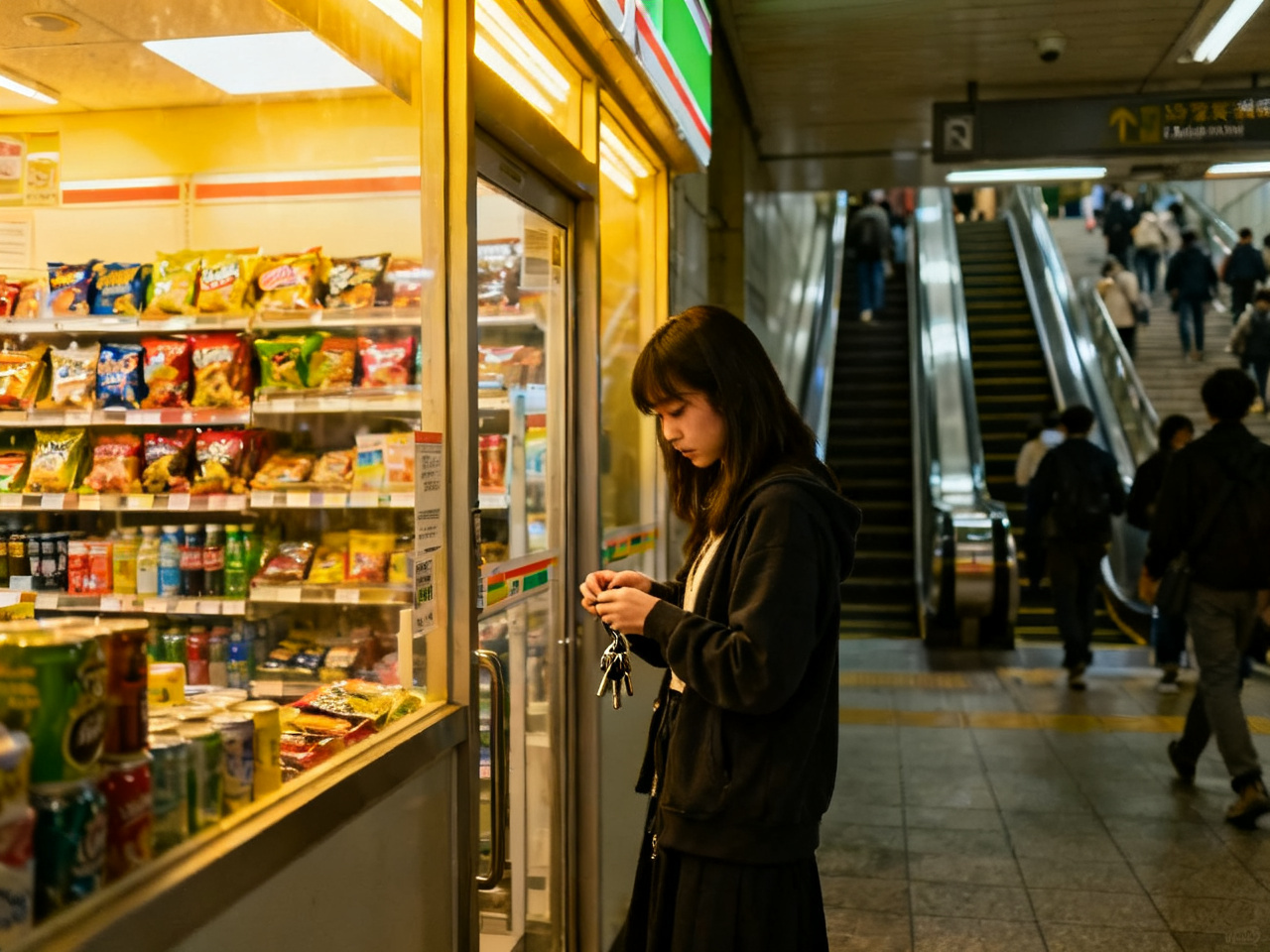
现在回头看,我最感谢中国城市教会我的,恰恰是这种非常日常的阅读能力。不是每一条路都要大胆去试,也不是每一次都要靠勇气过关。很多时候,你只需要看见那盏便利店的灯、记住那个地铁出口、跟上那股自然的人流,就已经在做一件很成熟的事了:你在让自己和一座城市的秩序合作,而不是和自己的焦虑对抗。我想,这就是我后来越来越能在中国夜里感到安心的真正原因。
Looking back now, what I am most grateful Chinese cities taught me is exactly this kind of ordinary reading ability. Not every road has to be tested bravely, and not every night has to be passed through by courage alone. Very often, seeing that convenience-store light, remembering that metro exit, and following that natural current of pedestrians is already a mature act. You are cooperating with a city’s order instead of fighting your own anxiety. I think that is the real reason I gradually came to feel so much calmer at night in China.
- 中国早餐图鉴:从豆浆油条到肠粉米粉 | A Field Guide to Chinese Breakfast: From Soy Milk & Fried Dough to Rice Rolls & Noodles
- 春节民俗全攻略:年夜饭到庙会 | Spring Festival Guide: New Year Dinner to Temple Fairs
- 中国旅游礼仪与文化禁忌 | Travel Etiquette & Cultural Taboos in China
- 我第一次看懂明代衣服,不是在博物馆,而是在裁缝铺里看人怎么站 | I First Understood Ming Clothing Not in a Museum, but in a Tailor's Shop Watching How People Stood
- 西安兵马俑与古城墙全攻略 | Xi'an: Terracotta Army & Ancient City Wall
- 我如何在中国换城时给自己留出不慌张的缓冲 | How I Build Calm Buffers When Changing Cities in China
- 中国最美高铁线路TOP5:窗外就是风景 | Top 5 Most Scenic High-Speed Rail Routes in China
- 把天气留在行程里:秋天去喀纳斯的公路节奏 | Leave Weather in the Itinerary: An Autumn Road Rhythm for Kanas
- 本人带着德国式行程表到中国后,真正救场的不是攻略,而是这份工具清单 | I Came to China With a German-Style Itinerary, but What Actually Saved Me Was This Tool Kit
- 路边那口锅,才是一座城市的真心话 | The Roadside Wok Doesn't Lie
Comments (0)