
熟食店玻璃柜前那句“几个人吃”,让我第一次学会在中国别只按克数点菜 | The Question “How Many People Are Eating?” at a Deli Counter Taught Me Not to Order Only by Weight in China
熟食店玻璃柜前那句“几个人吃”,让我第一次学会在中国别只按克数点菜 | The Question “How Many People Are Eating?” at a Deli Counter Taught Me Not to Order Only by Weight in China
我第一次在南京一家社区熟食店买晚饭时,站在玻璃柜前几乎完全没有头绪。那是一个普通工作日的傍晚,天还没完全黑,街边店铺都亮起了灯,熟食店门口挂着暖黄色招牌,玻璃上起了一层薄薄的雾。柜台里整整齐齐摆着卤鸡腿、鸭翅、牛腱、海带结、豆干和切好的凉菜,酱香、八角香、刚出锅的热气和砧板上葱花的清味混在一起,闻起来非常踏实。前面几位顾客说话都很快,“来半只鸭”“这个切一点”“拌个两人份的”,老板娘手里刀不停,称重、切块、装盒几乎一气呵成。我作为一个刚适应中国社区生活节奏的外国人,站在那里却只会用最笨的方法想:这个要多少克,那个又要多少克。
The first time I tried to buy dinner from a neighborhood deli in Nanjing, I stood in front of the glass counter with almost no idea what I was doing. It was an ordinary weekday evening. The sky was not fully dark yet, and the street-side shops had all switched on their lights. The deli’s sign glowed warm yellow, and a thin layer of steam fogged the glass. Inside the case, braised chicken legs, duck wings, beef shank, kelp knots, dried tofu, and cold dishes were arranged in neat rows. The smell of soy-braised meat, star anise, fresh steam, and chopped scallions from the cutting board all mixed together into something deeply grounding. The customers ahead of me spoke quickly: “Half a duck.” “Slice some of this.” “Mix a portion for two people.” The boss lady’s knife never seemed to stop. Weighing, chopping, boxing, and tying bags all happened in one smooth sequence. As a foreigner still adjusting to the rhythm of Chinese neighborhood life, though, I could think only in the clumsiest possible way: how many grams of this, how many grams of that.
轮到我时,我指着几样看起来都不错的卤味,准备一点一点报名字。老板娘抬头看了我一眼,先没动刀,反而问了一句:“几个人吃?”我愣了一下,居然一时没反应过来,因为在我的习惯里,买熟食更像自己决定精确份量,然后让店家照着切。她看我停住,又补了一句:“两个人?三个人?我帮你配,不然你容易买多。”这句话让我立刻意识到,我差点走进一个很典型的误区:把熟食柜台当成单纯按重量交易的地方,而忽略了这里其实也在按“这顿饭怎么吃”来判断份量。
When it was finally my turn, I pointed to several braised items that all looked good and prepared to list them one by one. The boss lady glanced up at me, but instead of reaching for the knife, she asked, “How many people are eating?” I froze for a second because the question did not fit my old habit at all. In my mind, buying deli food meant deciding exact portions myself and having the shop follow my instructions. Seeing my pause, she added, “Two people? Three? I can help you match it, otherwise you’ll probably buy too much.” That sentence made me realize immediately that I was about to fall into a very typical misunderstanding: treating the deli counter as a place for pure weight-based transactions, while missing that people here were also judging portions according to how the meal would actually be eaten.
我老老实实说是两个人,她马上开始替我搭配:牛腱切薄一点,够下酒也够配米饭;豆干不用太多,拿一点提味就行;再来一小盒凉拌黄瓜,口感会轻一些;如果晚上不想做汤,半只卤鸡已经差不多了。她一边说一边切,刀落在砧板上的节奏很干脆,动作快得让我几乎插不上话。更有意思的是,后面排队的人对这种问法一点也不奇怪。有人直接说“家里三口”,有人说“今晚就我自己,不要太多”,老板就会顺着这个答案调整建议。那一刻我才看明白,熟食店里真正被快速处理的,不只是肉和菜,还有每个家庭今晚这一顿饭的比例关系。
I told her honestly that it was for two people, and she immediately began assembling the order for me: slice the beef shank thin, because it works both with drinks and with rice; do not take too much dried tofu, just enough for flavor; add a small box of cucumber salad to lighten the texture; and if we did not want to make soup that evening, half a braised chicken would already be enough. She talked while chopping, her knife hitting the board in a quick, crisp rhythm, and she moved so fast I could barely interrupt. What was even more interesting was that nobody waiting behind me found this strange at all. One customer simply said, “Family of three.” Another said, “Just me tonight, not too much.” The owner adjusted her suggestions immediately to fit the answer. At that moment I finally understood that what gets processed quickly in a deli is not only meat and vegetables, but the proportions of each household’s dinner that evening.
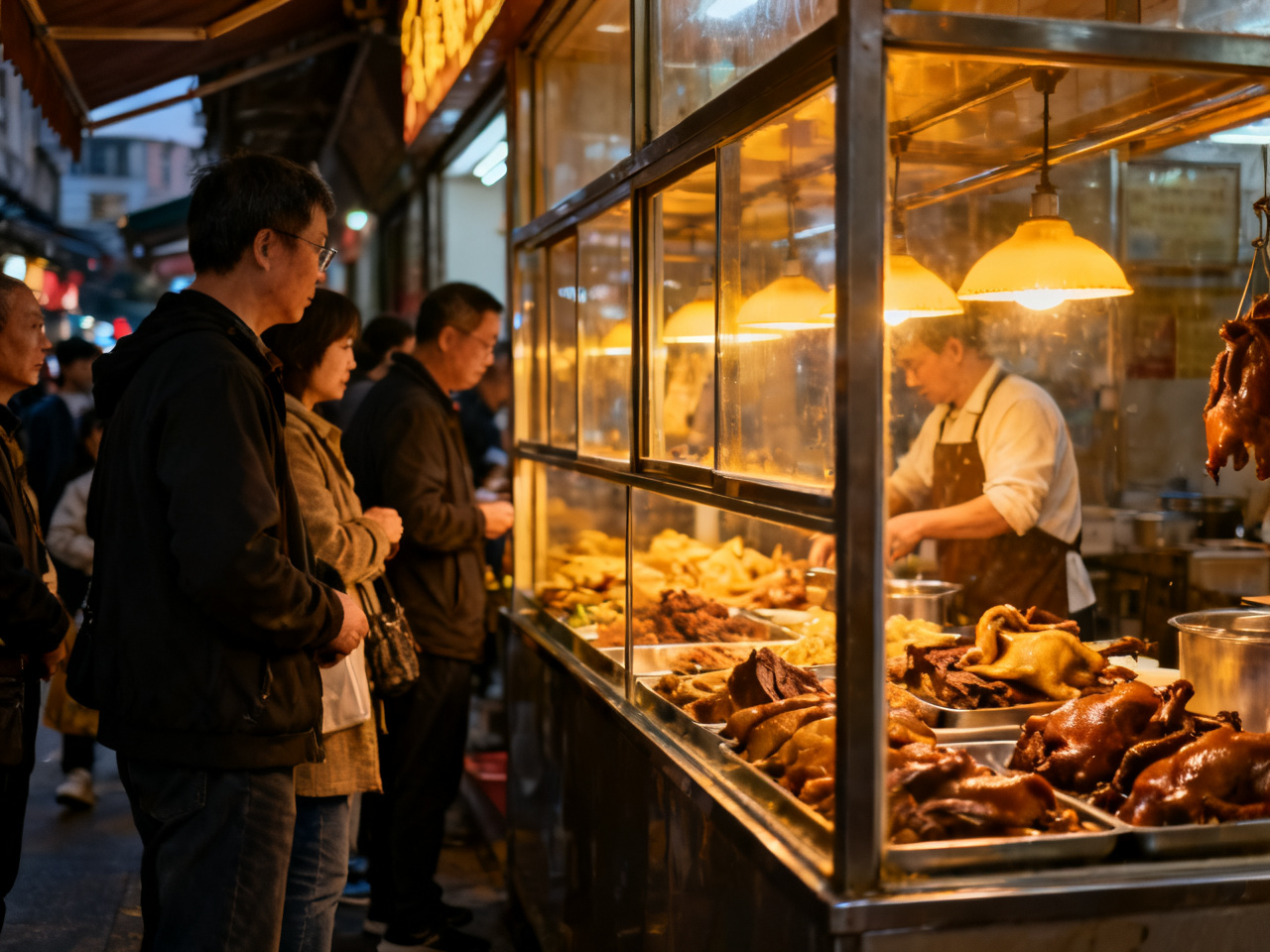
后来我去了几次,慢慢发现这种“先说人数”的方式特别实用,也特别符合中国家庭式用餐的逻辑。很多时候熟食并不是一顿饭的全部,而是和家里现成的米饭、粥、青菜、汤或者第二个热菜一起出现。所以同样一份牛肉,如果只是一个人配面吃,和一家三口再加两个热菜一起吃,意义完全不一样。老板娘之所以先问人数,不只是为了帮你算账,更是在帮你避免餐桌失衡:肉太多、素菜太少,或者看着丰盛其实吃到最后很腻。她们熟悉的不是抽象重量,而是“这种搭配够不够”“这个天气大家想吃清一点还是重一点”“今晚是不是懒得开火”。对我来说,这是一种以前很少接触的、非常生活化的判断系统。
After a few more visits, I gradually saw how practical this habit of asking the number of diners really was, and how deeply it fit the logic of Chinese home-style meals. Deli items are often not the whole dinner. They appear alongside rice, porridge, greens, soup, or another hot dish already being made at home. So the same amount of beef means something completely different if one person is eating it with noodles than if a family of three is sharing it with two other dishes. When the boss lady asks first how many people are eating, she is not only helping with the total cost. She is helping prevent imbalance at the table: too much meat and too little vegetable, or a spread that looks generous but becomes greasy by the end. What she knows is not abstract weight. It is whether a combination feels enough, whether the weather calls for lighter or heavier food, and whether a household is in the mood to cook anything else that night. For me, this was a very domestic decision system I had encountered only rarely before.
我也开始注意别的顾客怎么说话。熟门熟路的人通常不会像我第一次那样僵硬地点每样多少克,而是用一种更接近日常生活的方式描述需求:家里老人牙口不好,切薄一点;孩子要写作业,今天快一点随便配;晚上有客人,再多加个荤菜;天气热,凉菜多来一点。老板听完,几乎总能很快组合出一顿像样的饭。这种交流让我很着迷,因为它说明中国很多吃饭场景里,购买食物并不是把菜单上的项目机械相加,而是在很短几句话里把人数、口味、时间、麻烦程度甚至今天的体力都一起算进去。
I also started noticing how other customers spoke. People familiar with the place rarely ordered the way I had on my first visit, stiffly naming exact weights for each item. Instead they described their needs in the language of daily life: the older person at home has weak teeth, so slice it thinner; the child still has homework, so make it quick and simple tonight; guests are coming, add one more meat dish; the weather is hot, so give us more cold vegetables. After hearing that, the owner could almost always put together a decent dinner very quickly. I found this fascinating because it shows that in many eating situations in China, buying food is not a matter of mechanically adding up menu items. It is about folding headcount, taste, timing, effort, and even everyone’s remaining energy for the day into a few short sentences.
有一次我差点又买过头。那天我饿得厉害,看到卤鸭、凉拌木耳和红油肚丝都想吃,顺手就点了不少。老板娘听完没立刻称,反而又问:“家里还有别的菜吗?”我说还有一锅刚煮好的米饭和冰箱里的番茄鸡蛋汤。她立刻笑了,说那就别拿这么多肉了,不然吃不完,明天口感也差。我本来还觉得她是不是少做我生意,后来回家一摆上桌,才发现她减过的份量刚刚好,连剩菜都很少。那种“替你刹一下车”的经验,只有长期站在社区晚饭节奏里的人才会有。
Once I almost overbought again. I was very hungry that evening, and when I saw the braised duck, cold wood-ear salad, and chili tripe strips, I wanted all of them and started ordering too much. The boss lady did not weigh anything immediately. Instead she asked, “Do you already have other dishes at home?” I told her there was a pot of fresh rice and a tomato-and-egg soup in the fridge. She laughed and said that in that case I did not need so much meat, otherwise we would not finish it and the texture would be worse the next day. At first I almost felt she was talking herself out of a sale. But when I set everything on the table at home, I saw that the reduced amount was exactly right, with hardly any leftovers. That kind of instinct—the ability to tap the brakes for you—comes only from someone who has spent a long time standing inside the rhythm of neighborhood dinners.
顺着这个判断方法继续看,中国街边食物怎么点更自然和中国午饭高峰里的小判断也能互相印证。
Following the same way of reading a scene, 中国街边食物怎么点更自然 and 中国午饭高峰里的小判断 also reinforce this habit from other angles.
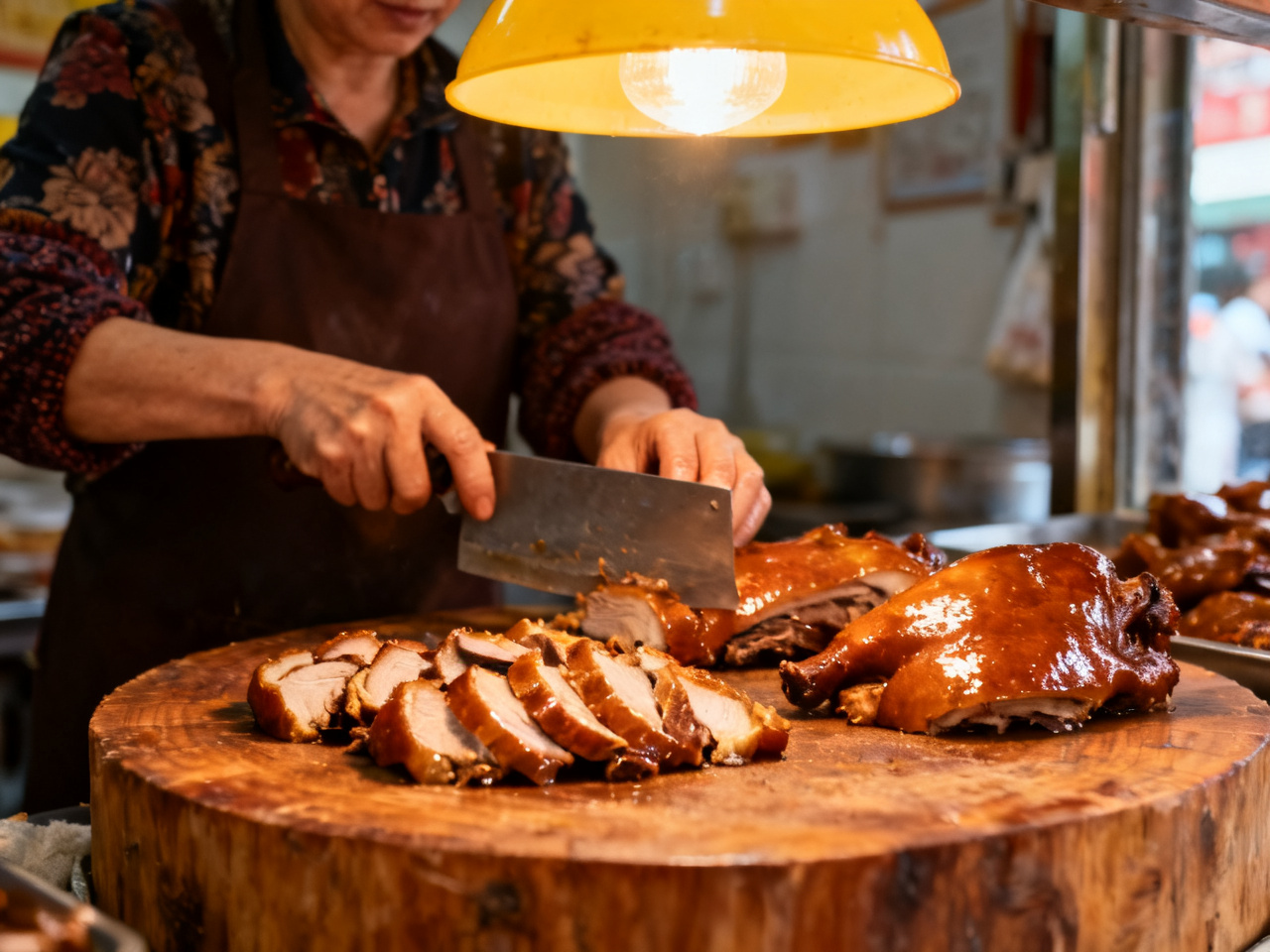
现在如果有刚来中国生活的朋友问我,去社区熟食店最值得先学会什么,我会说,不是先背食物名字,也不是急着学怎么精确点克数,而是先学会把“这顿饭有几个人吃、还会配什么”说清楚。这样做并不是偷懒把决定交给老板,而是承认对方比你更熟悉这种场景的份量感。对我来说,熟食店玻璃柜前那句“几个人吃”很像一道小门槛:跨过去以后,我才真正开始明白,中国很多日常饮食场景里讲究的不是绝对标准,而是恰到好处。够吃,但不过头;丰富,但不浪费;花钱买方便,也顺便把一顿饭安排得更像一顿饭。学会这一点以后,我每次拎着老板娘配好的熟食走回家,都觉得自己不只是买了晚饭,也又听懂了一点这里的生活语言。
Now, if a friend newly arrived in China asks me what is most worth learning first before visiting a neighborhood deli, I would say it is not memorizing food names, and not rushing to master exact weight-based ordering. It is learning to explain clearly how many people will eat and what else will be served with it. That is not lazily handing the decision over to the shopkeeper. It is recognizing that she understands the portion logic of this scene better than you do. To me, that one question at the glass deli counter—“How many people are eating?”—was like a small threshold. Once I crossed it, I finally began to understand that what many everyday eating situations in China value is not absolute standardization but proportion that feels just right. Enough, but not excessive. Varied, but not wasteful. Paying for convenience, while also shaping a dinner that truly feels like a meal. Since learning that, every time I carry a bag of prepared dishes home, I feel I have not only bought supper. I have understood one more piece of the local language of daily life.

- 我在贵州山里迷了七天路 | Seven Days Lost in the Mountains of Guizhou
- 中国景区门口的安检队伍,其实有自己的节奏 | Security Lines at Chinese Scenic Spots Have Their Own Rhythm
- 南京那场雨后,我在梧桐树下把行程表慢慢放下 | After the Rain in Nanjing, I Let My Itinerary Go Beneath the Plane Trees
- 南京五月的雨把我们一家三口困在城墙边,却顺手送来了一顿最好吃的鸭血粉丝汤 | A May Rain by Nanjing's City Wall Stranded Our Family of Three and Delivered the Best Bowl of Duck Blood Soup Instead
- 一张桌角二维码,让我先核对店名再付款 | A Table-Corner QR Code Taught Me to Check the Shop Name Before Paying
- 中国高铁乘车全攻略(境外游客版) | Complete HSR Guide for Foreign Tourists
- 雾江边的一晚重庆火锅 | A Foggy-River Evening of Chongqing Hotpot
- 成都出发的周末逃离:三条路线,三种节奏 | Weekend Escapes from Chengdu: Three Routes, Three Rhythms
- 南京这座城最难拍准的地方,是城墙底下那些还在发生的今天 | The Hardest Thing to Capture Accurately in Nanjing Is the Living Present Beneath Its Walls
- 泉州古城的香火与街巷 | Incense and Lanes in Quanzhou Old City
Comments (0)