
我在中国高铁上学会安静地分享空间,不是靠规则,而是靠先读懂别人的节奏 | On a Chinese High-Speed Rail Trip, I Learned to Share Space Quietly Not Through Rules, but by Reading Other People’s Rhythm First
我在中国高铁上学会安静地分享空间,不是靠规则,而是靠先读懂别人的节奏 | On a Chinese High-Speed Rail Trip, I Learned to Share Space Quietly Not Through Rules, but by Reading Other People’s Rhythm First
我第一次真正意识到自己在中国高铁上“占了空间”,不是因为行李太大,也不是因为我坐错了位置,而是因为我的声音和动作比周围人都更散。那天我从上海出发,车厢里很干净,空调带着一点稳定的凉意,窗外的楼群很快退成灰白色的带子。刚开车不久,我就一边低头回消息,一边把水杯、充电宝、票据和耳机全摊在小桌板上,椅背也调了两次。直到坐我旁边的一位阿姨轻轻把自己的袖口往里收了一下,我才突然意识到,原来所谓“分享空间”不只是不要碰到别人,而是不要把自己的节奏扩散到别人身上。
The first time I truly realized I was “taking up space” on a Chinese high-speed rail trip, it was not because my luggage was too big or because I had the wrong seat. It was because my voice and movements were looser and more scattered than everyone else’s. I was leaving from Shanghai. The carriage was clean, the air conditioning had that steady coolness Chinese trains often have, and outside the window the buildings quickly flattened into grey-white bands. Soon after departure, I was replying to messages while spreading my cup, power bank, paper ticket, and earphones across the tray table, and I adjusted my seat twice. Only when the auntie next to me quietly pulled her sleeve inward did I suddenly understand that “sharing space” means more than not physically touching someone. It means not letting your personal rhythm spill onto other people.
后来我开始观察车厢里那些看起来特别熟练的乘客。我发现他们并不是僵硬地遵守什么规定,而是很自然地把自己缩进一个稳定、可预测的范围里。手机有声音就立刻调低,接电话先压一句“我在高铁上,等会儿说”,需要拿东西时动作很短,不会把整排人都带着一起警觉起来。有人吃早餐时会先把包装收在一边,不让气味和碎屑拖得太久;有人去接热水,回来坐下就先看一下有没有碰到别人的腿边。那种安静不是冷漠,而是一种成熟的公共默契。我也越来越理解为什么在中国旅行时,先把乘车流程和个人动作整理顺会让整段路轻松很多,因为秩序感本身就会减少对别人的打扰。
Later I began watching the passengers who looked especially practiced. I noticed that they were not rigidly obeying a set of rules. Instead, they naturally kept themselves within a stable, predictable range. If a phone made noise, they lowered it immediately. If they answered a call, the first sentence was often, “I’m on the train, I’ll talk later.” When they needed something, the movement was short and contained, not something that made the whole row alert itself. If someone ate breakfast, they gathered the wrappers to one side so the smell and crumbs would not linger too long. If someone returned from getting hot water, they sat down and first checked whether they had brushed against another person’s leg space. That quietness was not coldness. It was a mature form of public understanding. I also started to understand more clearly why, when traveling in China, getting your train routine and personal movements into order first makes the whole journey easier, because a sense of order reduces how much you disturb others.
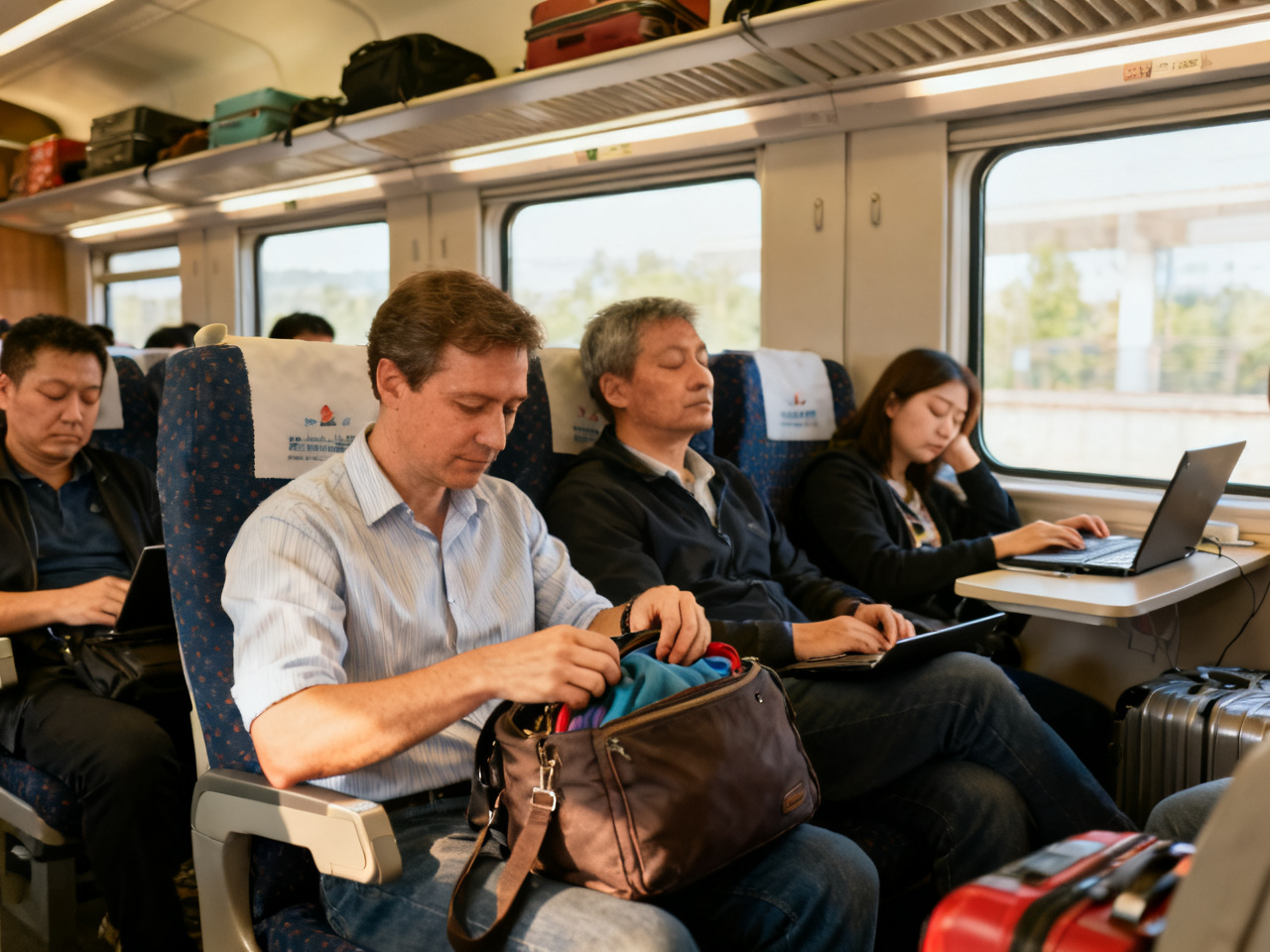
我自己最明显的改变,是学会先收,再用。以前我一坐下就想把东西全拿出来,仿佛这样才算真正进入旅程;现在我只留当下十分钟内会用到的东西,其他继续放包里。护照或身份证信息放在最顺手的位置,水杯靠窗,手机和耳机尽量不越过中间界线。这样一来,不只是桌板更清爽,我整个人也不容易慌。高铁上最怕的其实不是小,而是乱。你一乱,就容易反复找东西、反复起身、反复碰到别人。我后来甚至觉得,这跟我在别的中国日常场景里学到的东西很像:先做几层确认,再开始动作,往往比临场补救更体面。
The clearest change in me was learning to store first and use second. I used to sit down and immediately pull everything out, as if that were how a journey properly began. Now I keep out only what I will need in the next ten minutes and leave the rest in my bag. My passport or ID-related information stays in the easiest-access place, my water sits toward the window, and my phone and earphones try not to cross the middle boundary. As a result, the tray table feels cleaner, but more importantly, I feel calmer. On high-speed rail, the real problem is usually not smallness. It is disorder. Once you become disordered, you start searching for things again and again, standing up again and again, and brushing into people again and again. Eventually I felt this was very similar to what I had learned in other Chinese daily settings: make several checks before acting, and you preserve much more dignity than if you keep improvising repairs.
还有一个我以前没注意、后来特别在意的细节,是“声音的长度”。在中国高铁上,大多数人并不是完全不说话,孩子也不可能一直没有动静,但大家很少把一个声音拖得太久。铃声响一下就结束,视频外放如果真的出现,也会很快被压掉;聊天可以有,却通常不会像在餐馆那样铺开。我有一次忍不住和朋友发语音,刚说到第二条,就发现对面座位的人已经把眼睛从平板上抬起来。我那一刻没有觉得被冒犯,反而觉得自己终于读懂了这个环境:车厢允许存在感,但不欢迎持续扩张的存在感。对外国人来说,这个区别很重要,因为它让你知道自己该怎么自然地融进去,而不是总担心有没有触犯某条明文规定。
Another detail I barely noticed before and care about a lot now is what I think of as “the length of sound.” On Chinese high-speed rail, most people are not completely silent, and children obviously cannot remain motionless forever, but people rarely let a sound drag on too long. A ringtone goes off once and ends. If someone accidentally plays audio out loud, it is usually lowered quickly. Conversation can exist, but it usually does not spread out the way it might in a restaurant. Once I started sending voice messages to a friend, and by the second one I noticed someone across from me lifting their eyes from a tablet. I did not feel offended in that moment. Instead, I felt I had finally understood the environment. The carriage allows presence, but it does not welcome presence that keeps expanding. For foreigners, that distinction matters a lot, because it teaches you how to blend in naturally instead of anxiously wondering whether you have violated some written rule.
我也慢慢学会了对“共享”这个词更实际的理解。它包括扶手怎么用,脚怎么放,行李什么时候拿,甚至包括你吃东西时愿不愿意先看一下周围有没有人在睡觉。早班车上很多人补觉,午间车上有人安静办公,傍晚车上也有人刚结束出差,脸上已经很疲惫。你只要先看一眼,就会知道这一排现在更适合轻一点、慢一点还是尽量不打扰。我越来越认同安全感和舒适感常常建立在细小可用的判断上。高铁车厢也是一样,真正让人舒服的公共礼貌,往往不是表演出来的,而是提前替别人省掉一点负担。
I also slowly learned a more practical definition of the word “shared.” It includes how you use the armrest, where you place your feet, when you take luggage down, and even whether, before eating, you first check if someone nearby is sleeping. On early trains many people are catching up on rest. On midday trains some are quietly working. On evening trains others look tired after business travel. If you simply look once, you can usually sense whether that row currently calls for lighter movement, slower movement, or as little disturbance as possible. I came to agree more and more with the idea that comfort and security are often built on small usable judgments. A high-speed rail carriage works the same way. The most effective public politeness is usually not something you perform. It is something that quietly saves another person a little burden in advance.
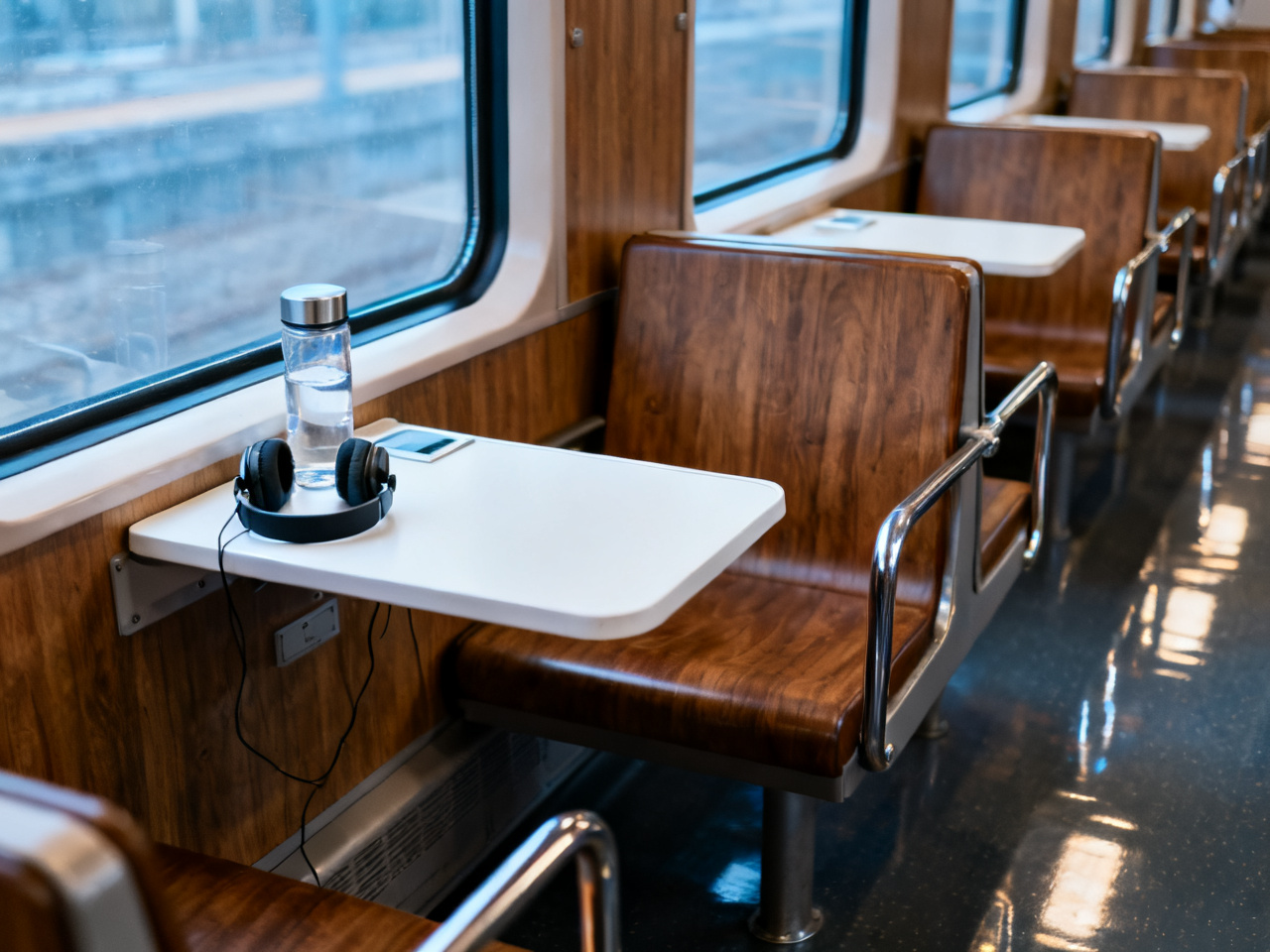
现在回头看,我在中国高铁上学会安静地分享空间,真的不是因为谁专门提醒了我,而是因为我慢慢看懂了车厢里那种很中国式的公共节奏:不夸张,不抢戏,给别人留余地,也给自己留秩序。这个习惯后来甚至影响了我在咖啡店、地铁和候车室里的动作。对我来说,旅行成熟的一部分,就是终于明白“存在”并不等于“占满”。在一节高速前进的车厢里,最好的融入方式,往往就是把自己安静地放对位置。
Looking back now, I learned to share space quietly on Chinese high-speed rail not because anyone formally corrected me, but because I gradually learned to read a very Chinese kind of public rhythm inside the carriage: do not exaggerate, do not dominate the scene, leave room for others, and leave order for yourself. That habit later affected how I move in coffee shops, metros, and waiting halls too. For me, part of travel maturity is finally understanding that “being present” is not the same as “filling the space.” Inside a fast-moving train carriage, the best way to blend in is often to place yourself quietly and correctly within it.

- 在景德镇看一只碗怎么出生:窑火、白粉和老师傅的手势 | Watching a Bowl Be Born in Jingdezhen: Kiln Fire, White Clay Dust, and a Master's Hands
- 在重庆住满一个月以后,镜头终于开始拍到景点以外的日常骨架 | After a Full Month in Chongqing, the Camera Finally Catches the Everyday Framework Beyond the Sights
- 一次小小的药店交流,怎么让我开始信任在中国开口求助这件事 | How a Small Pharmacy Interaction Taught Me to Trust Asking for Help in China
- 秦淮河灯影之外,我在夫子庙听见一堂夜课 | Beyond Qinhuai's Lantern Reflections, I Found a Night Lesson at Fuzimiao
- 一张桌角二维码,让我先核对店名再付款 | A Table-Corner QR Code Taught Me to Check the Shop Name Before Paying
- 广州真正上镜的,不只是早茶和烧味,而是吃这件事怎样带着整座城往前走 | What Truly Films Well in Guangzhou Is Not Only Dim Sum and Roast Meats but the Way Eating Pulls the Whole City Forward
- 木偶戏后台的一晚:我第一次知道“线”也能有性格 | One Night Behind a Puppet Theatre: The First Time I Learned That Strings Can Have Personality
- 冬至温泉之旅:全国最佳泡汤地 | Winter Solstice Hot Spring Tour
- 深夜便利店里那几分钟,让我第一次觉得自己也进入了中国城市的夜班节奏 | A Few Minutes in a Late-Night Convenience Store Made Me Feel I Had Entered the Night Rhythm of a Chinese City
- 手机支付失败后我学会准备备用方案 | After My Mobile Payment Failed, I Learned to Prepare a Backup Plan in China
Comments (0)