
我带父母第一次来中国,不是先去最红景点,而是先把一天过顺 | When I Brought My Parents to China for the First Time, I Focused on a Smooth Day Before Famous Sights
我带父母第一次来中国,不是先去最红景点,而是先把一天过顺 | When I Brought My Parents to China for the First Time, I Focused on a Smooth Day Before Famous Sights
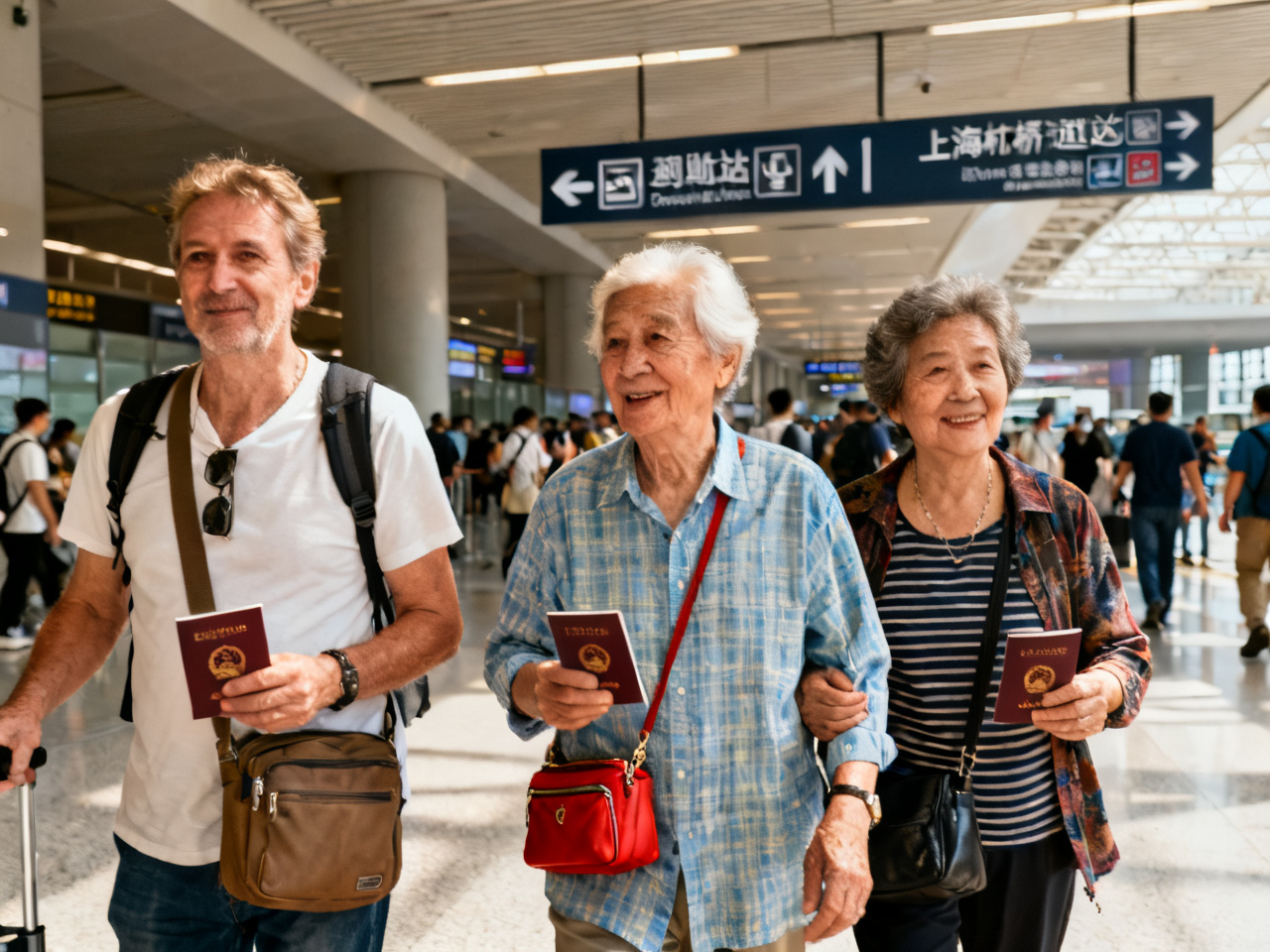
上海虹桥站外那天风不大,天色却有一种刚下过雨之后的灰白。下午两点十分,母亲把护照捏在手里,肩上背着一个装药盒和充电线的小包;父亲站在出租车指示牌下,眯着眼看一排排车辆和不断滚动的中文电子屏。刚走出到达层时,他们都没有说累,但我一眼就看出来,他们真正需要的不是“上海最值得看的地方”,而是一种确定感:下一步去哪里、多久能坐下、厕所在哪儿、水去哪儿买、如果手机没网怎么办、晚饭是不是能吃得惯。那一刻我突然决定,今天不先冲最红的景点了,我先把他们的一天过顺。
Outside Shanghai Hongqiao Station that day, the wind was mild, but the sky held that gray-white tone that comes after recent rain. It was 2:10 p.m. My mother gripped her passport in one hand and carried a small shoulder bag filled with medicine boxes and charging cables. My father stood beneath the taxi sign, squinting at the rows of vehicles and the scrolling Chinese LED boards. The moment we stepped out of the arrivals level, neither of them said they were tired, but I could see it clearly: what they needed most was not “the most famous place in Shanghai.” They needed certainty—where the next stop was, how soon they could sit down, where the restroom was, where to buy water, what would happen if the phone connection failed, and whether dinner would feel familiar enough. In that moment, I made a decision. We would not rush toward the biggest sights first. I would make the day run smoothly before anything else.
一、第一次来中国的长辈,最怕的往往不是陌生,而是连续的不确定 | For Older First-Time Visitors, the Hard Part Is Often Not Strangeness but Continuous Uncertainty
年轻人第一次到一个新国家,常常把不确定当作刺激;可对长辈来说,不确定一旦连续出现,就会很快转化成疲惫。虹桥站那天就是这样。站里很现代、指示也清楚,可信息量对父母来说太大了:不同出口、网约车上车点、出租车排队区、英文和中文并排的标识、来来往往的行李箱轮子声、广播、自动门、扶梯。每样东西单独看都不难,但全部在十分钟里一起涌上来,人会很快失去节奏。所以我给自己的第一个原则是:到达后的前两小时,不追求效率最大化,只追求决策最少化。
Young people often treat uncertainty as part of the thrill when entering a new country. For older parents, though, uncertainty repeated in quick succession turns into fatigue very quickly. Hongqiao Station showed me exactly that. The station was modern and the signage was clear, but the information load was enormous for them: different exits, ride-hailing pickup points, taxi queues, bilingual signs, rolling luggage sounds, announcements, automatic doors, escalators. None of these things was difficult alone, but when all of them arrived within ten minutes, the rhythm disappeared. So I gave myself a first rule: in the first two hours after arrival, I would not optimize for maximum efficiency. I would optimize for minimum decisions.
具体怎么做?我没有带他们直接去人最多、换乘最多的地方,而是先去一家交通简单、办理顺畅、附近有便利店和咖啡店的酒店。路线不一定最便宜,却最平稳:跟着明确的出租车指示走,排队,上车,把酒店中文地址给司机看,二十多分钟后直接到门口下。父亲上车后第一句话是:“原来就这样啊。”母亲把护照放回包里,肩膀明显松了一点。我知道这就是第一步成功了——不是因为看到了什么,而是因为“流程被接住了”。
How did I do it? I did not take them directly to the busiest, most transfer-heavy destination. Instead, I took them first to a hotel with simple transport access, a smooth check-in process, and a convenience store and café nearby. The route was not necessarily the cheapest, but it was the steadiest: follow the clear taxi signs, queue, get in, show the driver the Chinese hotel address, and arrive at the door twenty-something minutes later. My father’s first sentence in the taxi was, “So this is all it is.” My mother put her passport back into her bag, and her shoulders visibly loosened. I knew then that step one had worked—not because they had seen anything famous, but because the process had caught them.
二、酒店不是功能点,而是“恢复站” | The Hotel Is Not Just a Facility, It Is a Recovery Station
很多人安排行程时,会把酒店当作晚上睡觉的地方,可带父母第一次来中国时,我发现酒店更像一个恢复站。那天下午三点,我们到静安一带的酒店,前台小姐姐说话很快,但态度很稳。我先把预订单、护照和入住信息整理好,尽量不让父母面对太多同时发生的手续。前台递房卡时,母亲先问厕所在哪儿,父亲先问热水壶能不能烧水。就是这两个问题让我更确定:长辈落地后的需求,首先是身体秩序恢复,其次才是观光情绪启动。
When planning trips, many people treat hotels simply as places to sleep. But when I brought my parents to China for the first time, I found the hotel functioned more like a recovery station. At three in the afternoon, we arrived at a hotel near Jing’an. The receptionist spoke quickly but steadily. I organized the reservation, passports, and check-in information myself so my parents would not have to face too many simultaneous formalities. When the room cards were handed over, my mother’s first question was where the restroom was, and my father’s first question was whether the electric kettle worked for boiling water. Those two questions confirmed something important to me: after landing, older visitors need their bodily order restored before their sightseeing mood can begin.
所以我把原本想好的“放下行李就去外滩”临时取消,改成一个非常朴素的落地流程:回房间、烧水、洗脸、坐十分钟、连上酒店Wi‑Fi、确认空调和灯怎么开、把第二天要带的药放在容易拿的位置、再一起下楼买水和酸奶。听起来毫无浪漫可言,但这一步几乎决定了他们后面对中国的感受是“太复杂了”,还是“其实可以慢慢来”。旅行里很多焦虑,并不是来自困难本身,而是来自身体还没缓过来时,被迫继续处理新信息。
So I canceled my original idea of “drop bags and rush to the Bund” and replaced it with an extremely plain arrival sequence: go to the room, boil water, wash faces, sit for ten minutes, connect to hotel Wi‑Fi, learn how the air conditioner and lights work, place the next day’s medicine somewhere easy to reach, then go downstairs together to buy water and yogurt. It sounded utterly unromantic, but this step nearly determined whether they would later describe China as “too complicated” or “actually manageable if taken slowly.” Much travel anxiety does not come from difficulty itself. It comes from being forced to process fresh information before the body has settled down.
三、我给他们的第一条“上海路线”,其实是确定感路线 | The First “Shanghai Route” I Gave Them Was Really a Route of Certainty
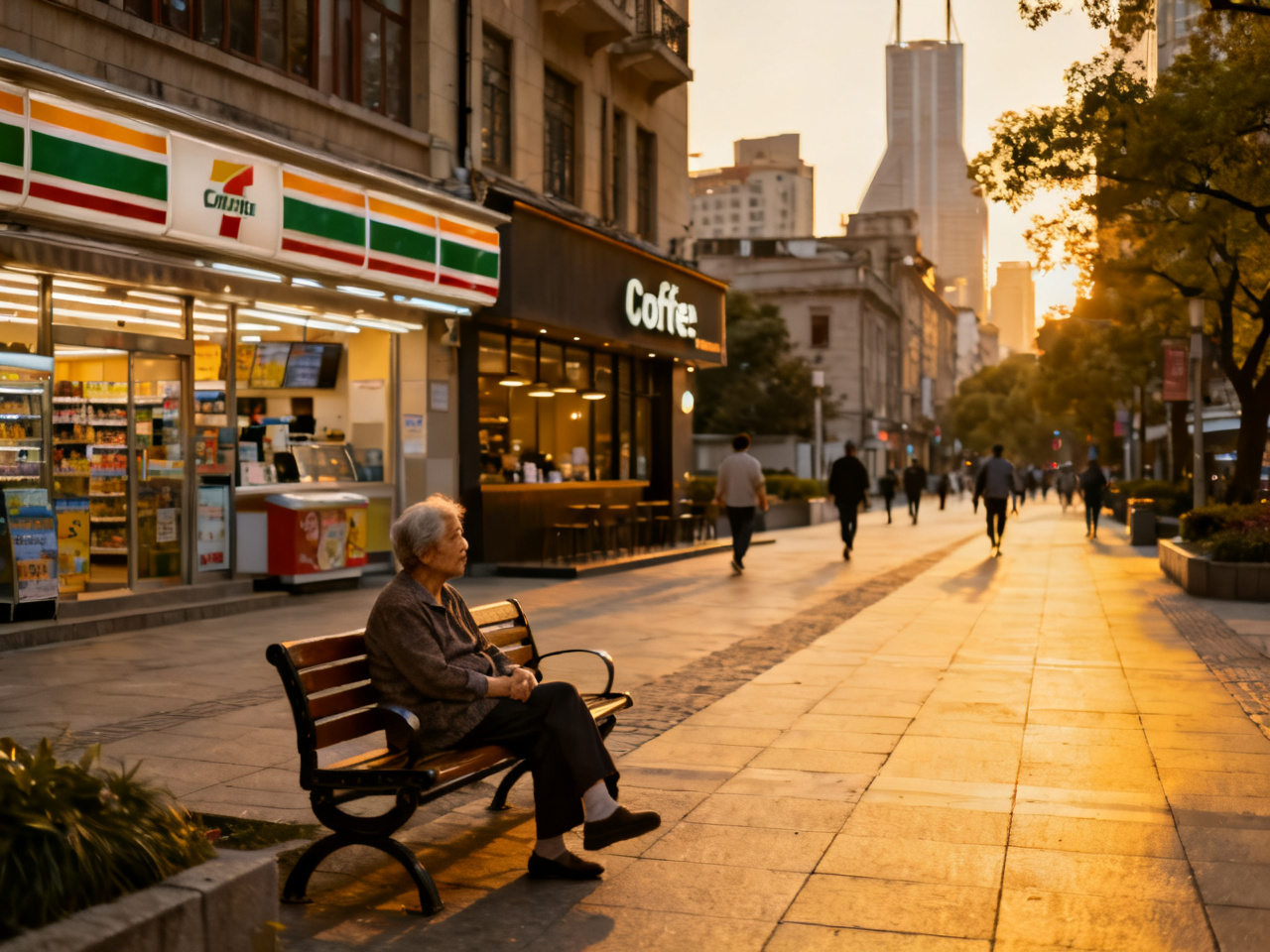
下午四点半左右,我们才真正出门。但我给他们安排的,不是景点清单,而是一条确定感路线:酒店步行五分钟到便利店,便利店再走三分钟到街角咖啡店,咖啡店旁边就是有座椅的小广场和一条树荫不错的人行道。整个路线不到二十分钟,几乎不需要穿越复杂车流,也不需要频繁看地图。母亲能随时坐下,父亲能一路观察路边怎么排队、怎么过街、怎么进店。我自己则可以一边陪他们,一边判断他们什么时候开始真正放松。
Only around 4:30 p.m. did we really head out. But what I arranged for them was not a list of attractions. It was a certainty route: five minutes on foot from the hotel to a convenience store, three more minutes to a corner café, and beside the café a small plaza with seats and a shaded sidewalk. The entire route took less than twenty minutes. It required almost no crossing through complicated traffic and almost no map-checking. My mother could sit down whenever she wanted. My father could observe how people queued, crossed streets, and entered shops. I could accompany them while quietly judging when they were beginning to relax for real.
我们先去便利店。父亲在门口看了几秒自助热柜和冷藏柜,问我:“这里买东西是不是都很快?”我说是。母亲拿起一瓶常温水,又站在酸奶区前犹豫口味。收银时店员动作很熟练,我顺手用手机付款,父母站在旁边看完整个过程。那一刻我没有急着给他们上支付课,也没有要求他们马上学会扫码。我只是让他们先看到:原来一个陌生国家的日常消费,也可以如此短、如此清楚、如此不费力。如果想真正适应这些细节,支付方式当然很重要,我后来也把这篇关于在中国准备支付工具的实用文章发给了父亲,让他回酒店慢慢看。
We went first to the convenience store. My father paused for a few seconds at the entrance, looking at the self-service hot shelf and the refrigerated section, and asked, “Is buying things here usually this quick?” I said yes. My mother picked up a bottle of room-temperature water and then hesitated in front of the yogurt flavors. At the register, the clerk moved with practiced speed, and I paid with my phone while my parents watched the whole process. I did not rush into a lesson on digital payment, and I did not demand that they learn scanning immediately. I just let them see that even ordinary shopping in an unfamiliar country could be this short, this clear, and this effortless. Payment methods matter, of course, and later I sent my father this practical guide to preparing payment tools in China so he could read it slowly back at the hotel.
从便利店出来,我们去旁边咖啡店坐了二十分钟。父亲不喝咖啡,要了热茶;母亲点了温牛奶;我自己喝冰拿铁。窗外有人牵着孩子过街,有穿运动服的年轻人跑步经过,也有推婴儿车的夫妻停下来整理小毯子。父亲盯着街景看了很久,说了一句我后来一直记得的话:“这里不像我想象的那种‘必须一直赶景点’的旅行地,更像一个人真的会住下来的城市。”这句话让我意识到,长辈第一次来中国,先建立生活感,往往比先建立震撼感更重要。
After the store, we sat in the nearby café for twenty minutes. My father does not drink coffee, so he ordered hot tea. My mother asked for warm milk. I had an iced latte. Outside the window, people crossed with children, young adults in sportswear jogged past, and a couple with a stroller stopped to adjust a small blanket. My father watched the street for a long time and said something I kept remembering later: “This doesn’t feel like the kind of destination where you have to keep chasing sights. It feels more like a city where people actually live.” That sentence made me realize that for older first-time visitors to China, building a sense of ordinary life often matters more than building a sense of spectacle.
四、晚饭决定他们会不会真正觉得“今天过得成” | Dinner Often Decides Whether They Feel the Day Truly Worked
晚上六点,我没有带他们去最火的餐厅排队,而是选了一家步行可到、灯光明亮、菜单直观、能点清淡也能点热菜的小馆子。父母第一次来中国,晚饭千万别只考虑“本地名气”,要考虑咀嚼难度、油盐接受度、坐下后的噪音水平,以及吃完后回酒店是不是还要折腾。那晚我们点了清炒时蔬、番茄牛肉、蒸蛋和一份汤面。父亲吃到一半才真正放松下来,开始主动问隔壁桌在吃什么;母亲则注意到服务员会把热水随时添上,轻声对我说:“这样我就不怕了。”
At six in the evening, I did not take them to the hottest restaurant with the longest queue. I chose a place within walking distance, with bright lighting, a clear menu, and options that could be mild while still served hot. When parents are visiting China for the first time, dinner should not be chosen only by local fame. You also need to consider ease of chewing, tolerance for oil and salt, the noise level after sitting down, and whether getting back to the hotel afterward will create another wave of effort. That night we ordered stir-fried greens, tomato beef, steamed egg, and a bowl of soup noodles. Halfway through the meal, my father truly relaxed and began asking what the neighboring table had ordered. My mother noticed that the server kept refilling hot water and whispered to me, “This is when I stop feeling afraid.”
她说的“怕”,当然不是具体害怕谁,而是害怕自己跟不上。怕看不懂,怕问不对,怕走错,怕吃不惯,怕休息不够又要继续赶。长辈旅行时,这种担心很少大声说出来,但会体现在他们越来越少发问、越来越快说“都行”的时候。我的经验是,你越早把这些小担心拆掉,他们越容易真的享受后面的行程。所以晚饭后我没有再安排夜景打卡,而是沿着灯比较柔和、人行道比较宽的一段街慢慢走回酒店,让他们在没有任务的状态下,自己消化这座城市。
What she meant by “afraid” was not fear of a specific person. It was fear of not keeping up—fear of not understanding, of asking the wrong thing, of taking the wrong turn, of not liking the food, of not having rested enough before the next push. Older travelers rarely say this anxiety out loud, but it often appears when they ask fewer questions and begin saying “anything is fine” too quickly. My experience is that the earlier you dismantle those small worries, the more they truly enjoy the days that follow. So after dinner, I did not schedule a night-view checkpoint. We simply walked slowly back to the hotel along a wider sidewalk with softer lights, letting them absorb the city without any task attached to it.
五、真正适合长辈的第一天,不是“看了多少”,而是“还剩多少体力和好奇心” | The Best First Day for Parents Is Measured Not by What They Saw, but by the Energy and Curiosity They Still Have Left
回到酒店时不到八点半。父亲坐在床边翻白天拍的几张照片,居然主动问我第二天能不能去坐一次地铁;母亲则一边整理药盒一边说,如果明天早上附近有卖热豆浆的地方,她想试试。这两个问题让我比任何“今天去了几个景点”都高兴。因为它们说明,父母已经不是在被动承受中国,而是开始对中国产生自己的兴趣。旅行从这一刻起,才算真正展开。
We were back at the hotel before 8:30 p.m. My father sat on the edge of the bed scrolling through the photos he had taken and, to my surprise, asked whether we could try the metro the next day. My mother, while reorganizing her medicine box, said that if there was a place nearby selling hot soy milk in the morning, she wanted to try it. Those two questions pleased me more than any count of how many attractions we had visited. They meant my parents were no longer passively enduring China. They were beginning to form their own curiosity about it. That is the moment when a trip truly begins.
后来我把这一天总结成一个非常简单的路线逻辑:到站先稳住、入住先恢复、出门先熟悉、吃饭先适口、晚间先收束。它看起来一点都不“网红”,却比我以前那种密密麻麻塞景点的安排有效得多。尤其是带第一次来中国的长辈,你要给他们的不是“你看我安排得多满”,而是“你看,这里其实可以一步一步来”。如果你也在想怎么让第一次落地更顺,我还很推荐读读这篇相关的落地节奏经验,以及另一篇关于把日常细节安排顺的参考文章。它们和我这次带父母的实际感受非常贴近。
Later I summarized that day with a simple route logic: stabilize after arrival, recover after check-in, familiarize before exploring, eat for comfort before fame, and close the evening before exhaustion. It does not look “viral” at all, yet it worked far better than my older habit of stuffing a schedule with famous stops. Especially when bringing older relatives to China for the first time, what you should give them is not proof of how full your itinerary is, but proof that life here can be taken one clear step at a time. If you are thinking about how to make that first landing smoother, I also recommend this related arrival-rhythm article and another reference on arranging everyday details smoothly. They feel very close to what I experienced with my parents.
如果一定要我再给一个更细的小建议,那就是:第一天别把“惊喜”安排得太密,把“可重复”安排得更清楚。让父母知道酒店门口往左能买水,往右能吃早餐;知道大堂有人可问,房间里热水怎么烧,附近哪条路晚上灯更亮。长辈一旦掌握两三个可以重复使用的小坐标,整座城市就会从“巨大而陌生”变成“虽然新,但我能处理”。这种变化特别微妙,却往往决定他们第二天愿不愿意继续出门。
If I had to add one even more specific suggestion, it would be this: on the first day, schedule fewer surprises and make repeatable anchors much clearer. Let your parents know that turning left from the hotel gets them water, turning right gets them breakfast; that there are people in the lobby they can ask; that the kettle in the room is easy to use; and that one nearby street stays brighter at night. Once older visitors grasp two or three repeatable coordinates, the whole city changes from “huge and unfamiliar” into “new, but manageable.” It is a subtle shift, yet it often determines whether they will want to go out again the next day.
我现在回头看,最庆幸的不是自己选对了哪家餐馆、哪间酒店,而是那天及时放下了“第一次来就必须看最经典”的执念。很多陪父母旅行的焦虑,都来自带路的人想证明自己安排得周全,结果反而把节奏压得太紧。可长辈真正记住的,往往不是你塞进了多少点位,而是你有没有在他们累之前让他们坐下,在他们渴之前让他们喝水,在他们犹豫之前就把下一步说清楚。旅行被照顾好的感觉,常常比风景本身更先进入记忆。
Looking back now, I am most grateful not that I chose the perfect restaurant or hotel, but that I let go of the obsession that a first visit must include the most iconic sights immediately. Much of the stress in traveling with parents comes from the guide wanting to prove how well everything has been arranged, only to compress the rhythm too tightly. Yet what older parents usually remember first is not how many locations you squeezed in. It is whether you let them sit before they were exhausted, drink before they were thirsty, and understand the next step before hesitation had time to grow. The feeling of being well cared for often enters memory earlier than the scenery itself.
那天晚上母亲回房前,还特地把第二天的外套、纸巾和药盒摆在桌角,像是在给自己做一个小小的确认;父亲则把酒店名片放进钱包,说万一走散了也知道怎么回来。我看着这些动作,忽然觉得第一天最重要的成果不是路线完成了,而是他们开始主动建立自己的秩序。只要这一步出现了,后面无论去外滩、坐地铁,还是逛更热闹的地方,心里都会稳很多。
That evening, before going to bed, my mother carefully placed the next day’s jacket, tissues, and medicine box on the corner of the table, as if creating a small reassurance ritual for herself. My father slipped the hotel card into his wallet and said that if we somehow got separated, at least he would know how to come back. Watching those gestures, I suddenly felt that the most important achievement of the first day was not that the route had been completed. It was that they had started building their own order inside the trip. Once that happens, whether you go to the Bund, ride the metro, or enter a busier district later, the heart stays much steadier.
对我来说,这也是带长辈来中国最温柔的一课:先让人安顿,再让风景登场。顺序一旦对了,很多原本担心会出现的慌乱,根本不会发生。
For me, this became the gentlest lesson of bringing older parents to China: let people settle first, then let the scenery arrive. Once that order is correct, much of the confusion you feared in advance never actually appears.
第二天早上,上海的天放晴了一点。我们下楼时,母亲已经没有前一天下午那种抓着护照不放的紧张,父亲则比我先走到门口,看外面哪边是早餐店。酒店外的人行道被清晨的水汽洗得干净,路边梧桐树叶还带着一点夜里的潮意。我们去喝热豆浆,吃小笼和鸡蛋,父亲开始研究地铁图,母亲开始比较不同酸奶的口味。我站在他们对面,忽然觉得自己前一天放弃景点一点都不亏。因为真正难得的,不是让父母在中国第一天就“看到了多少”,而是让他们在第一天结束之后,还有兴趣继续往前走。那份兴趣,比任何打卡照片都更像一段旅程真正的开头。
The next morning, Shanghai brightened a little. When we came downstairs, my mother no longer held her passport with that tight grip she had the previous afternoon, and my father reached the doorway before I did to figure out where breakfast might be. The sidewalk outside the hotel looked freshly washed by morning moisture, and the plane-tree leaves still held a trace of the night’s dampness. We went for hot soy milk, soup dumplings, and eggs. My father began studying the metro map, and my mother started comparing yogurt flavors. Standing across from them, I suddenly felt that giving up major sights on the first day had not cost us anything at all. What really matters is not how much your parents “saw” on their first day in China. It is whether, at the end of that first day, they still want to keep moving forward. That desire is far more like the true beginning of a journey than any checklist photo could ever be.

- 春节倒计时:除夕夜到初七,每天都在干什么 | Chinese New Year Day by Day: What Actually Happens from New Year's Eve to Day 7
- 青岛夜里最重要的准备,不在背包里,而在你肯不肯及时收住脚步 | The Most Important Preparation for a Qingdao Night Is Not in the Bag but in Knowing When to Slow Down
- 零下二十多度的哈尔滨,先考验的不是勇气,是手机电量 | In Harbin Below Minus Twenty, the First Test Was Not Courage but Phone Battery
- 我们在常熟尚湖的五月雨里轮流拿伞拍照,最后笑到谁都不在乎照片拍没拍好 | Passing One Umbrella Around in Changshu's May Rain, We Laughed Until None of Us Cared About the Photos Anymore
- 少数民族服饰巡礼:苗族藏族彝族 | Ethnic Minority Costumes: Miao, Tibetan & Yi
- 扇面书画体验:我第一次觉得“留白”也可以是一种邀请 | Fan Painting and Calligraphy: The First Time I Felt Blank Space Could Be an Invitation
- 人民币使用常识:面额、兑换与防伪 | RMB Basics: Denominations, Exchange & Counterfeit Tips
- 在重庆住满一个月以后,镜头终于开始拍到景点以外的日常骨架 | After a Full Month in Chongqing, the Camera Finally Catches the Everyday Framework Beyond the Sights
- 中国八大菜系全览 | The 8 Great Cuisines of China
- 我在杭州菜市场学会了不装懂:真正的文化融入,常常从承认自己不会开始 | In a Hangzhou Wet Market I Learned Not to Pretend: Real Cultural Integration Often Starts by Admitting You Don't Know
Comments (0)