
我在重庆第一次学会先确认自己在哪一层,再决定往哪边走 | In Chongqing, I Learned to Confirm My Floor First Before Deciding Which Way to Go
我在重庆第一次学会先确认自己在哪一层,再决定往哪边走 | In Chongqing, I Learned to Confirm My Floor First Before Deciding Which Way to Go
我第一次在重庆真正被“方向感”打败,不是在山路上,而是在一个商场、地铁和街道叠在一起的傍晚。导航明明告诉我目的地就在几百米外,可我站在出口附近,左边是扶梯,右边是玻璃门,眼前还能看见另一层的餐馆灯牌,却完全不知道自己此刻算在几楼。那一刻我才明白,在重庆,很多时候你不是先缺方向,而是先缺楼层。
The first time Chongqing truly defeated my sense of direction was not on a mountain road, but in an evening scene where a mall, a metro station, and street-level routes were stacked together. My map clearly said the destination was only a few hundred meters away, yet I was standing near an exit with escalators on one side, glass doors on the other, and restaurant signs from another level visible in front of me, with no real idea which floor I was actually on. In that moment, I understood something important: in Chongqing, what you often lack first is not direction, but floor awareness.
后来我慢慢学会了一个很实用的顺序:先确认自己现在在哪一层,再决定是往左、往右、上楼还是下楼。这个习惯听起来很普通,可它几乎直接改变了我在重庆行动的效率。因为重庆最容易让外国人混乱的,不是路名,而是“同一个点可以同时连着几套空间”:商场层、地铁层、街面层、天桥层,甚至还有从另一栋楼里穿出来的连接层。你如果只盯着平面的蓝点走,常常会一直离目的地很近,却始终到不了。
Later I developed a very practical sequence: confirm which floor I am on first, and only then decide whether to go left, right, up, or down. The habit sounds ordinary, but it almost completely changed my efficiency in Chongqing. What confuses foreigners most here is often not street names, but the fact that one single point may connect to several different spaces at once: mall level, metro level, street level, skybridge level, and sometimes a connector that exits through another building entirely. If you stare only at the flat blue dot on the map, you can stay physically close to the destination while never actually reaching it.
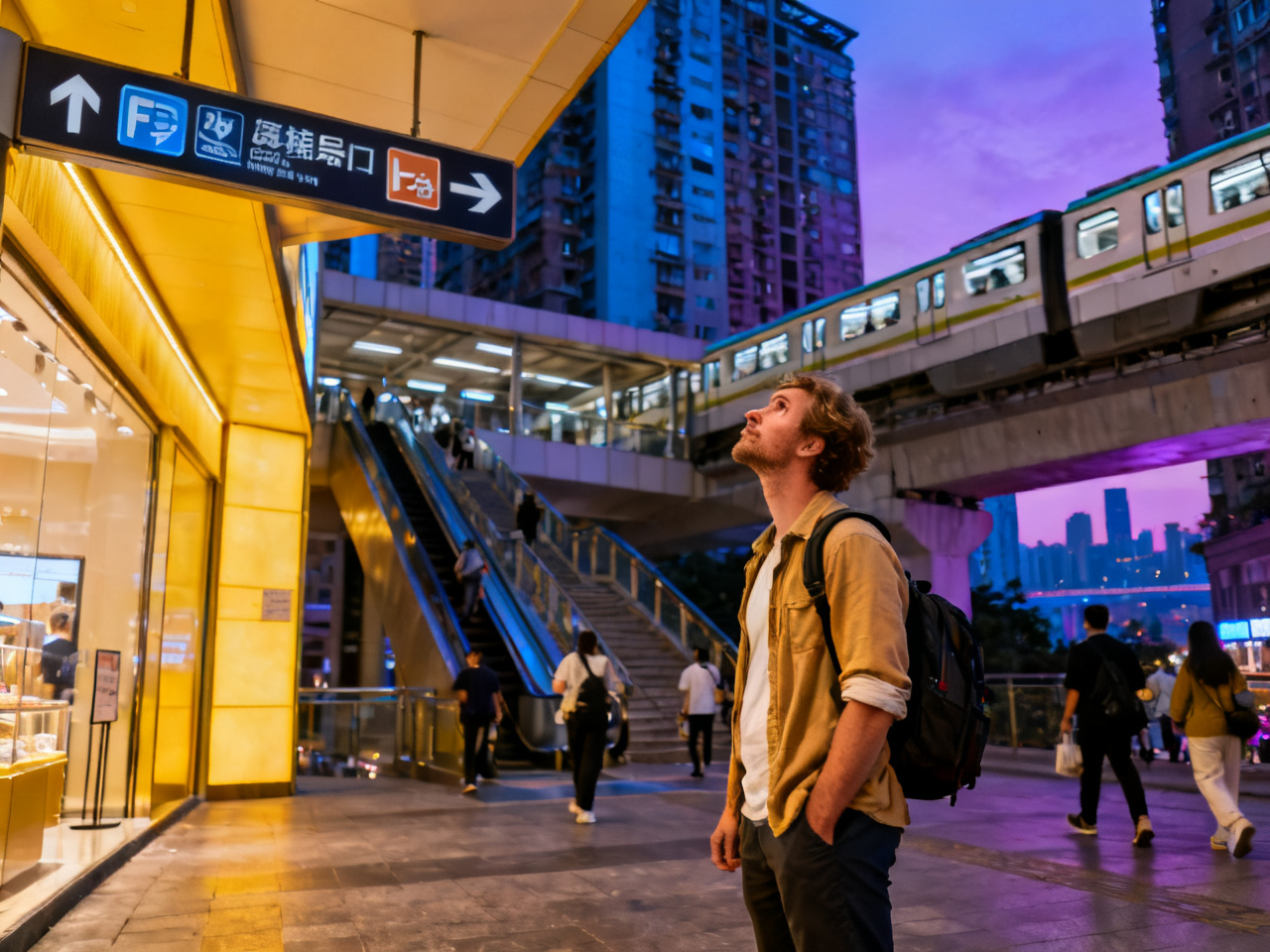
我真正把这个教训记牢,是在观音桥附近的一次会面前。导航显示咖啡馆就在前方,可我在商场里绕了两圈,经过同一面广告墙两次,还是没找到。最后我停下来,不再急着走,而是先看指示牌上写的是B1、L1还是LG,又确认自己到底是从地铁出来后还没上到街面,还是已经在比街面更高的一层。等楼层关系一理顺,路线突然就简单了。那一刻我特别理解多重确认比单一判断更稳这件事,因为在重庆,楼层本身就是方向信息的一部分。
I truly fixed this lesson in my mind before a meetup near Guanyinqiao. The map showed the café right ahead, yet I looped twice inside the mall, passed the same advertising wall two times, and still did not find it. In the end I stopped walking in a hurry and checked the signage first: was I on B1, L1, or LG? Had I come out of the metro but not yet reached street level, or was I already one level above it? Once the floor relationship became clear, the route suddenly turned simple. In that moment I deeply understood why layered confirmation is steadier than single judgment, because in Chongqing the floor itself is part of the directional information.
后来我给自己定了几个很机械的小动作。出了地铁先不急着跟着人流冲,而是先看出口旁边有没有写“接街面”“连商场”“连天桥”之类的信息;打开导航时,也不只看距离,还会顺手看附近商家的楼层标注。如果约人在重庆见面,我现在甚至会主动问一句:你是在几楼门口,还是在路边?这句话比“你具体在哪儿”有效得多,因为它一下就把空间立体化了。
Later I gave myself a few almost mechanical habits. When I leave the metro, I do not immediately rush with the crowd. I first check whether the exit says something like “to street level,” “to mall,” or “to skybridge.” When I open the map, I do not only look at distance; I also check whether nearby businesses show floor labels. If I am meeting someone in Chongqing now, I even ask directly: are you at an entrance on a certain floor, or are you at roadside level? That question is often much more useful than “where exactly are you,” because it instantly turns the space into something three-dimensional.
有一次我晚上在解放碑附近找一家火锅店,导航看起来只差一百多米,可我越走越觉得不对,因为眼前明明已经能看见店招,脚下的路线却始终绕不过去。后来我没有继续硬走,而是先退到一个能看见楼层标识和出口编号的地方,重新判断自己是在下沉广场一侧,还是已经到了主街那一面。几分钟后我就找到了正确入口。那次之后,我越来越认同先通过小动作融入当地节奏的价值,因为很多困住人的并不是语言,而是你还没学会当地空间的读法。
One evening, I was looking for a hotpot restaurant near Jiefangbei. The map suggested it was only a little more than a hundred meters away, but the more I walked, the stranger it felt. I could already see the restaurant sign, yet my route still would not connect to it. Instead of forcing myself onward, I stepped back to a place where floor markers and exit numbers were visible and re-evaluated whether I was on the sunken-plaza side or already facing the main street. A few minutes later, I found the correct entrance. After that, I believed even more strongly in the value of integrating through small actions, because what traps people is often not language, but not yet knowing how local space is read.
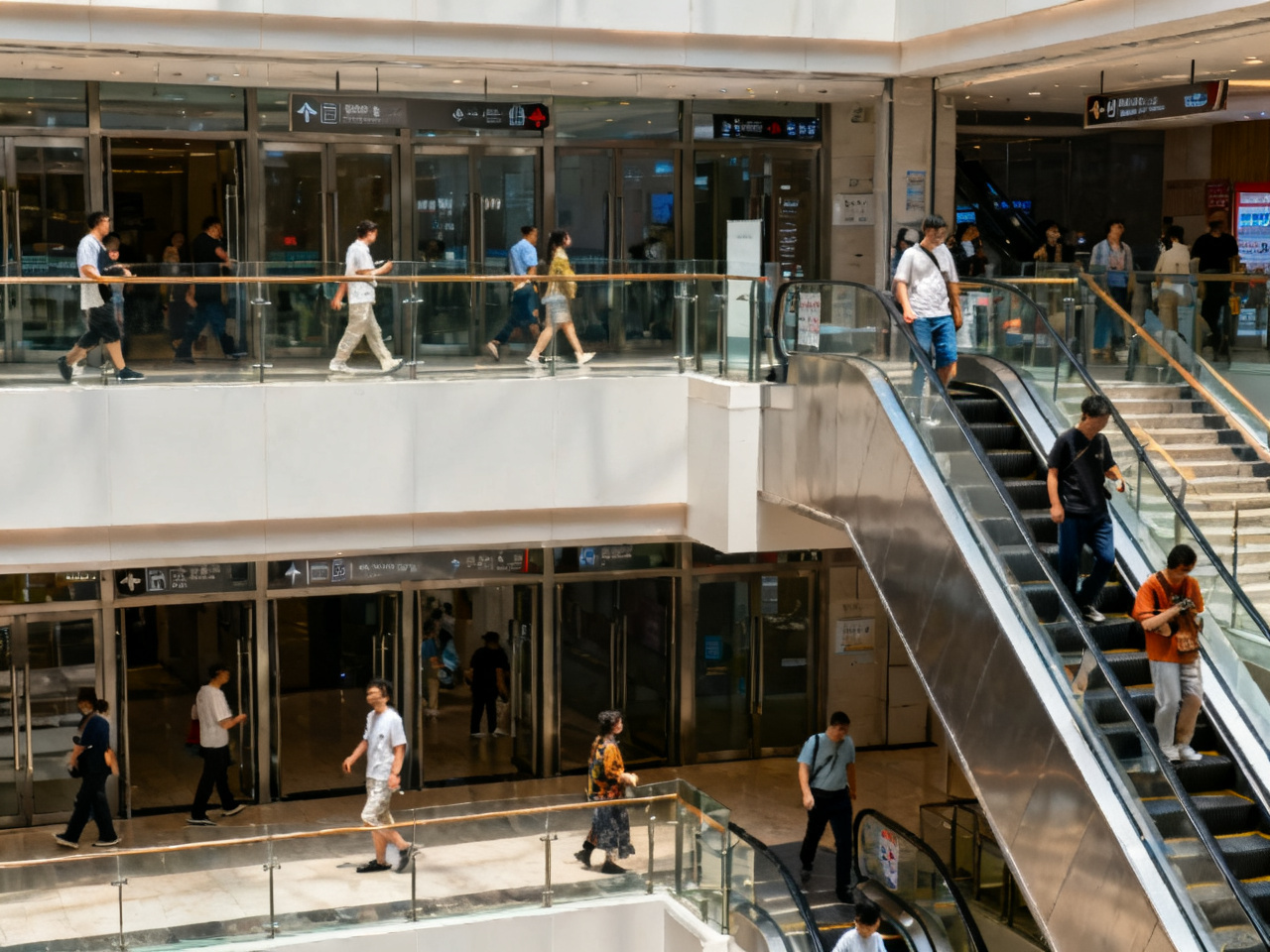
现在如果有人问我,在重庆最值得先学会的一件事是什么,我不会先说爬坡,也不会先说打车。我会说,先确认自己在哪一层。只要这一点清楚了,很多看起来很魔幻的路都会一下子变得合理起来。真正让我在重庆轻松下来的,不是记住了多少路名,而是终于接受:这座城市不是平面谜题,而是一座需要先读懂楼层的立体地图。
If someone asks me now what single thing is most worth learning first in Chongqing, I would not begin with hills or taxis. I would say: confirm what floor you are on. Once that part is clear, many routes that first seem almost surreal suddenly become logical. What finally made Chongqing feel easier for me was not memorizing more street names, but accepting that this city is not a flat puzzle. It is a three-dimensional map that must be read by floor first.
- 中国民间艺术:剪纸、皮影与年画 | Chinese Folk Art: Paper-Cutting, Shadow Puppets & New Year Prints
- 中国茶道体验指南:从功夫茶到茶山 | Chinese Tea Culture: From Gongfu Tea to Tea Plantations
- 广州最厉害的地方,是你很难说清自己到底是在逛街,还是已经坐进了一顿饭里 | Guangzhou’s Gift Is That You Can Hardly Tell Whether You Are Walking the City or Already Sitting Inside a Meal
- 我在重庆磁器口边走边吃陈麻花:现金和扫码怎么备份 | Walking and Snacking in Ciqikou, Chongqing: Payment Backup Plan
- 海口出门前那几分钟,天气、潮气和路线都先挤进了手机里 | In the Minutes Before Going Out in Haikou, Weather, Humidity, and Route All Crowd into the Phone
- 我在夜里的重庆,学会把害怕也当成风景 | In Chongqing at night, I learned to treat fear as part of the view
- 皮影戏:光与影之间的千年叙事 | Shadow Puppetry: A Thousand Years of Storytelling Between Light and Shadow
- 外国人第一次夜游中国城市的安全感 | The Sense of Safety I Felt on My First Night Walk in a Chinese City
- 手机支付失败后我学会准备备用方案 | After My Mobile Payment Failed, I Learned to Prepare a Backup Plan in China
- 秋季红叶最佳观赏地 | Best Autumn Foliage Spots in China
Comments (0)