
中国八大菜系全览 | The 8 Great Cuisines of China
八大菜系这个说法,其实有点误导人 | The "Eight Cuisines" Framework Is a Bit Misleading
很多人来中国之前,背了一张表:鲁菜、川菜、粤菜、苏菜、浙菜、闽菜、湘菜、徽菜。
然后到了中国,发现根本对不上号。
Before coming to China, many travelers memorize a list: Shandong, Sichuan, Cantonese, Jiangsu, Zhejiang, Fujian, Hunan, Anhui. Eight cuisines. Neat and tidy.
Then they arrive, and nothing quite matches the list.
这张表是怎么来的
"八大菜系"是上世纪八十年代中国烹饪协会整理出来的分类框架,目的是给中国饮食做一个系统性的梳理。它有历史依据,也有地域逻辑,但它本质上是一个行政分类,不是一个吃饭指南。
就像你不会用"华东地区文学"来推荐一本小说一样,"苏菜"这个标签太宽了——它同时包含淮扬菜的精细、苏州菜的甜糯、南京菜的厚重,三种完全不同的口味体验。
The "Eight Cuisines" framework was formalized by the Chinese Culinary Association in the 1980s as a way to systematically categorize Chinese food. It has historical grounding and regional logic — but at its core, it's an administrative classification, not a dining guide.
It's like using "East China Literature" to recommend a novel. The label "Jiangsu cuisine" is too broad — it covers the delicate refinement of Huaiyang cooking, the sweet softness of Suzhou dishes, and the hearty flavors of Nanjing, all under one umbrella.
那应该怎么理解中国饮食?
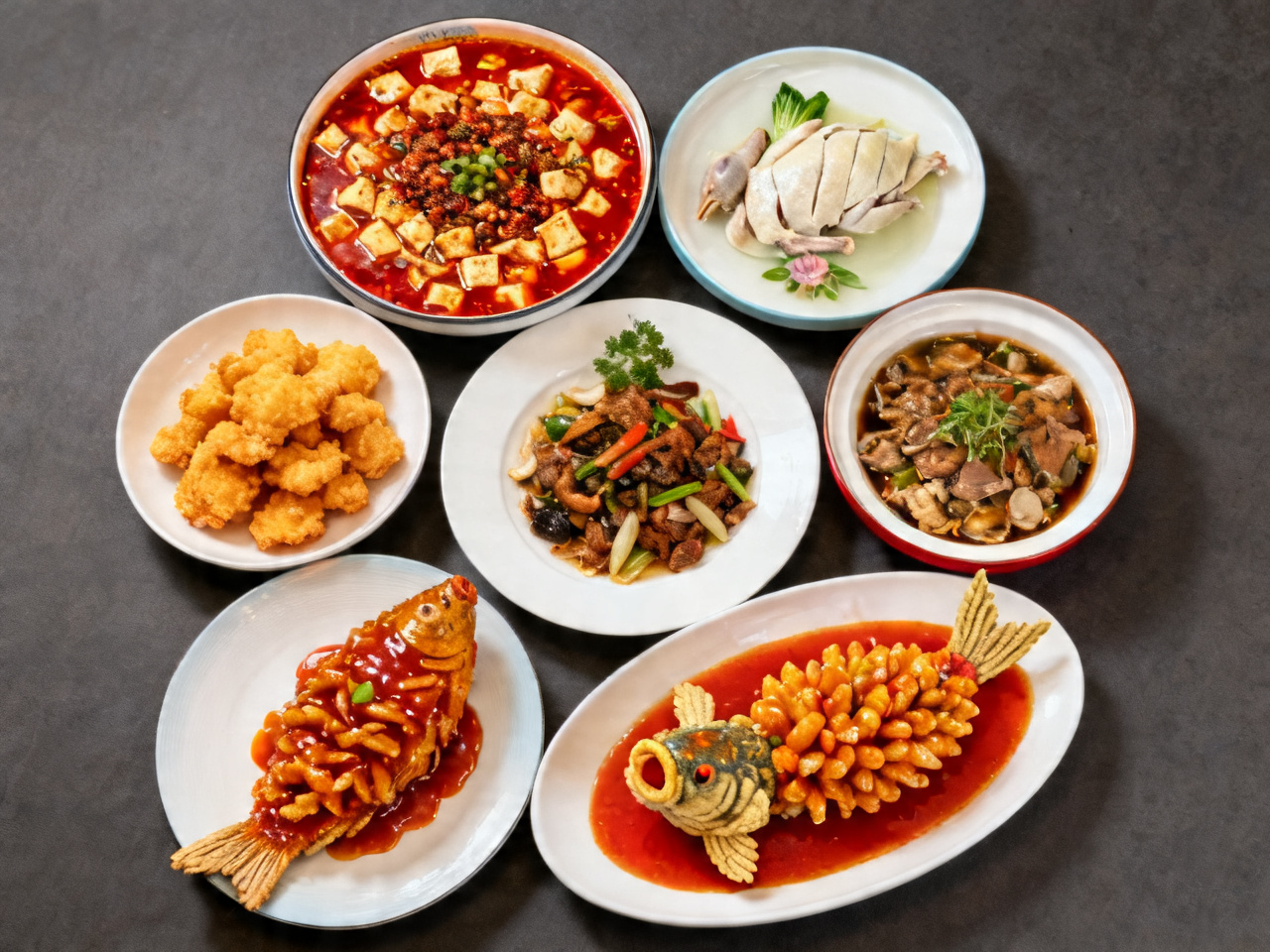
与其记八大菜系,不如记住两条轴线:
轴线一:辣不辣
中国的辣味版图大致是一个"辣带"——从西南的四川、重庆,往东延伸到湖南、湖北、江西。这条带子以外的地方,辣椒是调味品,不是主角。
轴线二:甜咸之争
大致以长江为界:江南(苏州、上海、杭州)偏甜,北方(山东、东北)偏咸鲜,广东偏清淡,西北偏咸香。
Instead of memorizing eight categories, try thinking along two axes:
Axis 1: Spicy or not
China's spice belt runs roughly from Sichuan and Chongqing in the southwest, east through Hunan, Hubei, and Jiangxi. Outside this belt, chili is a seasoning — not the main event.
Axis 2: Sweet vs. savory
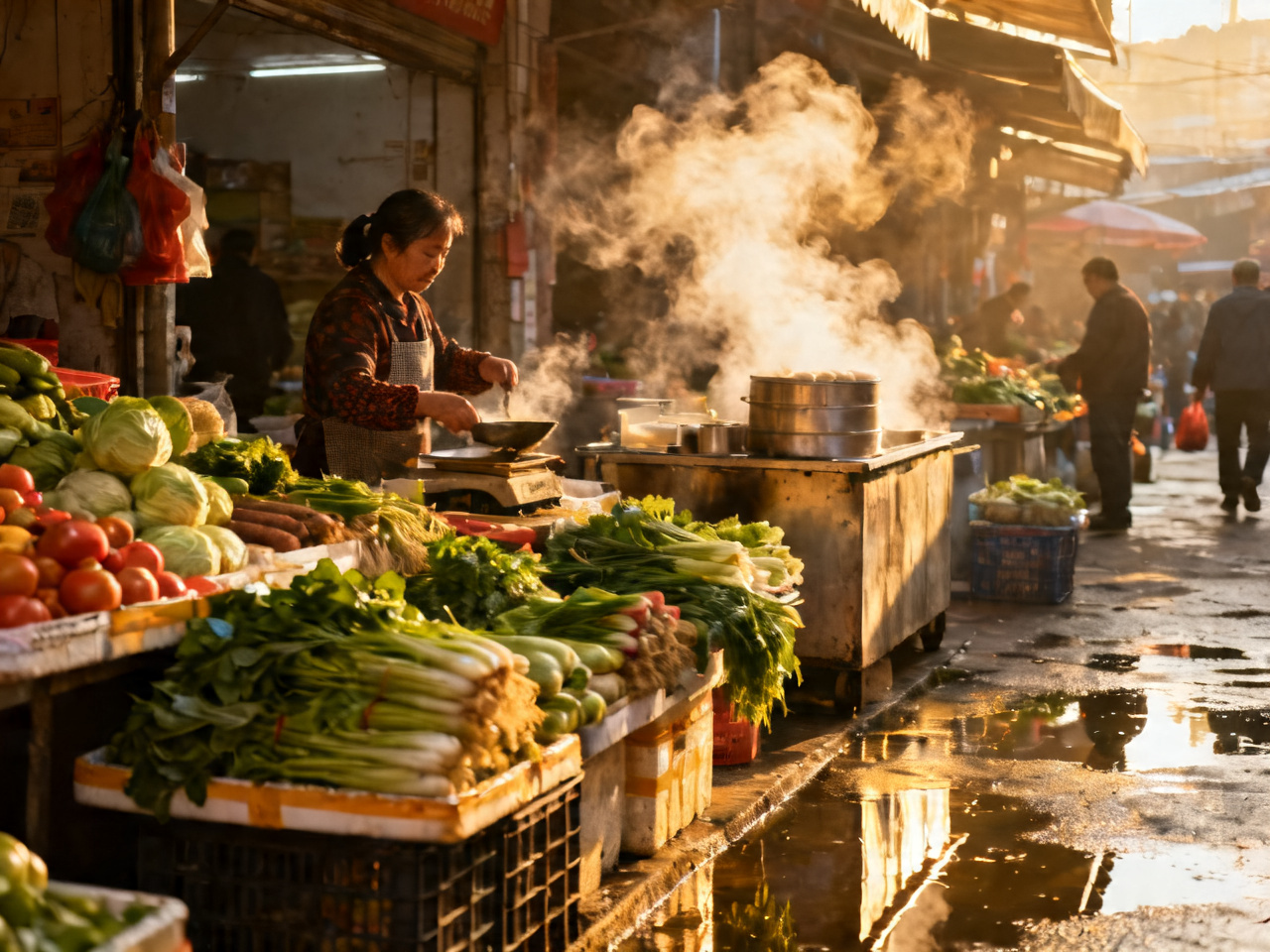
Roughly divided by the Yangtze River: Jiangnan (Suzhou, Shanghai, Hangzhou) leans sweet; northern China (Shandong, Northeast) leans salty and savory; Guangdong favors light and clean flavors; the Northwest goes for salty and aromatic.
八大菜系里,哪几个最值得专门去了解
说完批评,也说说它的价值。八大菜系里,有几个确实代表了中国饮食最有辨识度的风格:
川菜——不只是辣,是"麻辣鲜香"四味同时在场。一碗水煮鱼,辣椒是表面,花椒才是灵魂。
粤菜——中国饮食里最讲究"原味"的一支。清蒸鱼、白灼虾,调料是为了衬托食材,不是盖住它。
淮扬菜(苏菜的核心)——刀工是门艺术。文思豆腐,一块豆腐切出几百根细丝,放进汤里不散。这不是炫技,是对食材的尊重。
湘菜——比川菜更直接的辣。没有花椒的麻,就是纯粹的辣,配上腊肉的烟熏味,是另一种层次。
Now for the flip side — the framework does capture some genuinely distinct culinary identities worth knowing:
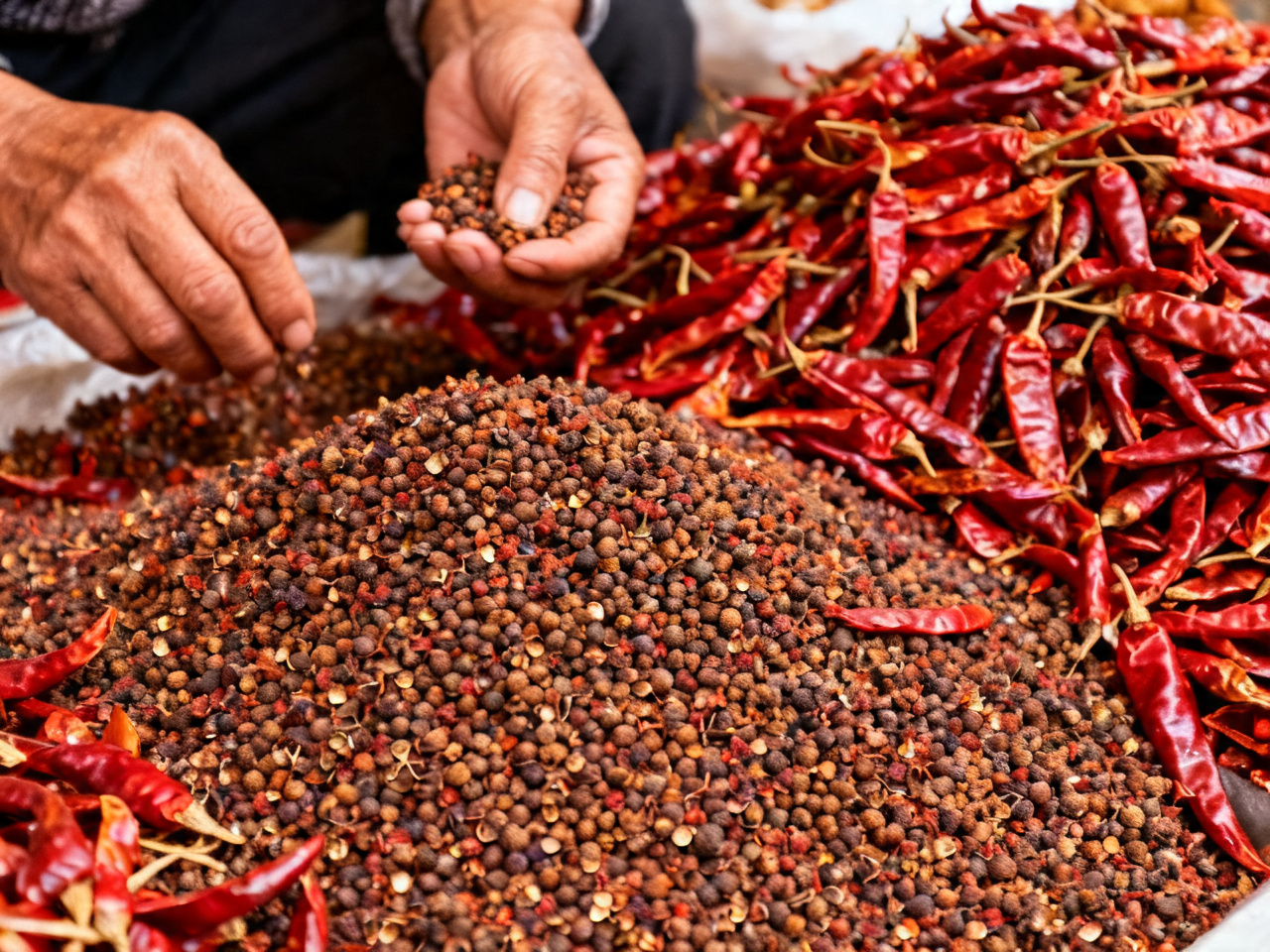
Sichuan — Not just spicy, but the simultaneous presence of numbing (麻), spicy (辣), fresh (鲜), and aromatic (香). In a bowl of water-boiled fish, the chili is the surface; the Sichuan peppercorn is the soul.
Cantonese — The cuisine most obsessed with natural flavor. Steamed fish, blanched shrimp — the seasoning exists to highlight the ingredient, not hide it.
Huaiyang (the heart of Jiangsu cuisine) — Knife work as art. Wensi tofu: a single block of tofu cut into hundreds of hair-thin strands, dropped into broth without falling apart. Not a trick — a form of respect for the ingredient.
Hunan — A more direct heat than Sichuan. No numbing, just pure spice, layered with the smokiness of cured pork. A different kind of depth.
一个实用建议
如果你在中国旅行,与其按菜系点菜,不如按这个逻辑:
- 问当地人"这里什么最出名",而不是"这里有什么菜系"。每个城市都有自己的招牌,和菜系分类关系不大。
- 看店里坐的是什么人。本地人多的地方,通常比旅游区的"正宗XX菜"更值得信任。
- 早餐是最诚实的一餐。一个城市的早餐摊,能告诉你这里的人真正喜欢吃什么。
If you're traveling in China, here's a more practical approach than ordering by cuisine category:
- Ask locals "what's this place known for?" — not "what cuisine is this?" Every city has its signature dishes, and they rarely map neatly onto the eight-cuisine framework.
- Look at who's eating there. A place full of locals is usually more trustworthy than a restaurant advertising "authentic [X] cuisine" in a tourist area.
- Breakfast is the most honest meal. The morning food stalls in any Chinese city will tell you more about what people actually eat than any taxonomy ever could.
八大菜系这张表,背了也没坏处。但别让它框住你对中国饮食的想象。
The eight-cuisine framework isn't wrong — it's just incomplete. Don't let it limit what you're willing to try.
延伸阅读 / Related Reads
- 第一口就着了魔:一个外乡人在成都的麻辣沉沦 | Spellbound at First Bite: A Stranger's Descent into Chengdu's Heat
- 街头那碗热气,才是中国城市的真实体温 | Street Steam: The Real Pulse of Chinese Cities
- 花椒档案:一个植物学者眼中的四川味觉地图 | The Peppercorn Dossier: Sichuan's Flavor Map Through a Botanist's Eyes
- 烤鸭不只是一道菜,它是北京给世界的一封信 | More Than a Dish: Peking Duck as Beijing's Letter to the World
- 华东五城10日经典环线 | 10-Day East China Five-City Loop
- 我在北京学会别把最后一班地铁当成唯一计划 | In Beijing I Learned Not to Treat the Last Metro as My Only Plan
- 皮蛋:一颗被误解的中国蛋 | Century Egg: China's Most Misunderstood Delicacy
- 西藏:世界屋脊 | Tibet: The Roof of the World
- 黄山云海与迎客松:四季皆美 | Huangshan Sea of Clouds & Welcome Pine: Beautiful in All Seasons
- 烤鸭不只是一道菜,它是北京给世界的一封信 | More Than a Dish: Peking Duck as Beijing's Letter to the World
- 中医传统疗法 | Traditional Chinese Medicine
- 中国麻将文化:规则、礼仪与社交密码 | Chinese Mahjong Culture: Rules, Etiquette & the Social Code
- 广州最厉害的地方,是你很难说清自己到底是在逛街,还是已经坐进了一顿饭里 | Guangzhou’s Gift Is That You Can Hardly Tell Whether You Are Walking the City or Already Sitting Inside a Meal
- 站在深圳北站外第一个红灯前,我开始读懂这座城的速度 | At My First Red Light Outside Shenzhen North, I Began to Read the City’s Speed
- 第一次在中国夜市买烤串,我学会先控制手,而不是先追最热闹的摊子 | The First Lesson I Learned Buying Skewers at a Chinese Night Market Was to Control My Hand Before Chasing the Busiest Stall
Comments (0)