
我在中国学会外卖自取礼貌,不是学会说哪句话,而是先别挡住别人的流程 | Learning Takeout Pickup Etiquette in China Was Not About Memorizing a Phrase, but About Not Blocking Other People’s Flow First
我在中国学会外卖自取礼貌,不是学会说哪句话,而是先别挡住别人的流程 | Learning Takeout Pickup Etiquette in China Was Not About Memorizing a Phrase, but About Not Blocking Other People’s Flow First
我第一次在中国外卖自取时感到自己特别笨拙,是在广州一栋商场写字楼连着的餐饮层。那天中午人很多,柜台前面一半是堂食顾客,一半是等外卖和自取的人,骑手的保温箱排在门边,取餐号一阵一阵被店员念出来。我明明只是来拿一杯咖啡和一个三明治,却因为不知道该站哪儿、什么时候报手机号后四位、是不是该先给店员看订单,整个人在柜台前犹豫了好几次。最后我虽然拿到了餐,但回头一想,最尴尬的不是语言,而是我像一块临时卡在流程里的石头。
The first time I felt especially clumsy while picking up takeout in China was on a restaurant floor connected to an office-and-mall complex in Guangzhou. It was lunchtime and crowded. Half the people in front of the counter were dining in, and the other half were waiting for delivery or self-pickup. Delivery riders’ insulated boxes lined the door, and order numbers were being called out in waves. I was only there to collect a coffee and a sandwich, yet because I did not know where to stand, when to say the last four digits of my phone number, or whether I should show the order screen first, I hesitated at the counter several times. I did get my food in the end, but when I looked back, the most awkward part was not the language. It was the fact that I had been like a temporary stone caught in the middle of the workflow.
后来我才慢慢发现,中国很多外卖自取场景其实都有自己的隐形秩序。你不是一到柜台就立刻冲上去报信息,而是先看这家店有没有专门的取餐区,有没有“外卖/自取在此等候”的牌子,店员现在是在处理堂食点单、打包、还是在核对一长排订单。尤其午高峰的时候,最有礼貌的动作往往不是先说,而是先站对地方。你只要站在不挡道、又能被看到的位置,店员通常会在轮到你时自然抬头问一句“取餐吗”或者“尾号多少”。我越来越理解,很多在中国看起来顺畅的人,并不是更会说,而是更会先读现场。这和我以前在面馆、高铁站学到的节奏感非常像,也让我更认同自然求助比完美开口更有用。
Later I slowly realized that many takeout-pickup scenes in China have their own invisible order. You do not necessarily rush to the counter and immediately announce your details. First you look to see whether the shop has a designated pickup area, whether there is a sign saying something like “delivery/self-pickup wait here,” and whether the staff are currently handling dine-in ordering, bagging, or checking a long queue of orders. Especially during lunch rush, the most polite first move is often not speaking first, but standing in the correct place first. If you stand somewhere that does not block traffic and yet remains visible, staff will usually look up naturally when it is your turn and ask, “Pickup?” or “Last four digits?” I came to understand more and more that the people who seem smooth in China are often not the ones who speak best. They are the ones who read the scene first. It felt very similar to the rhythm I had learned in noodle shops and stations, and it made me agree even more with the idea that natural help-seeking often works better than perfect phrasing.
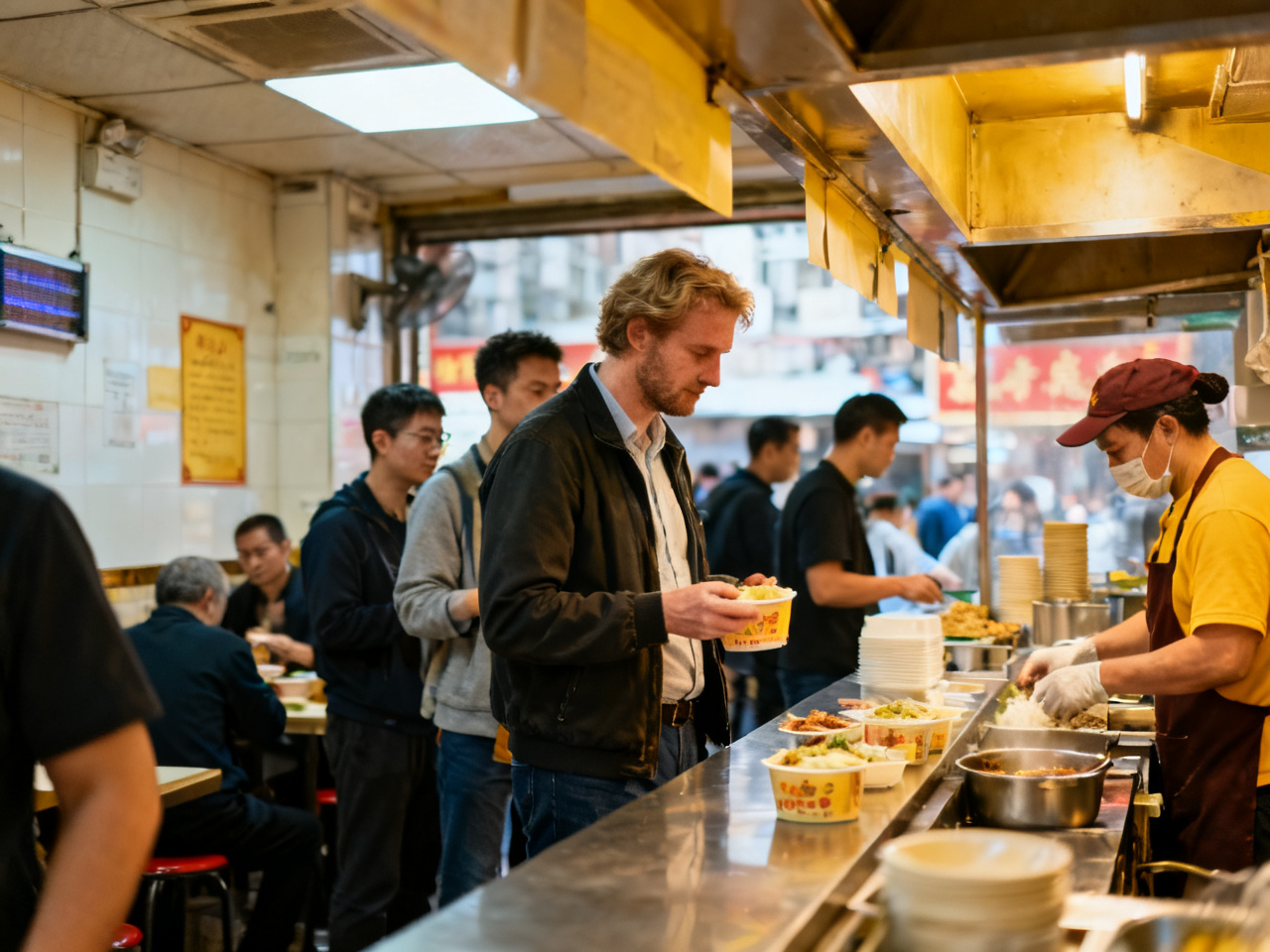
我现在去取外卖,第一步总是先扫描动线。门口有没有骑手在等?旁边有没有已经打包好的袋子按号码放着?顾客是排成一列,还是分成点单和取餐两股?如果空间很小,我就更不会把自己贴在柜台上,因为那样店员既不好递餐,后面的人也过不去。有一次我在杭州一家轻食店取沙拉,前面两个白领都只是站在侧边,等店员空一下再报尾号。我照着做,果然整个过程非常顺。店员甚至没有显出任何不耐烦,只是接过我的手机看了一眼订单,转身把袋子递给我。那一刻我才真正明白,礼貌在这种场景里不是“客气”两个字,而是你有没有帮这个系统继续流动。
Now when I go to pick up takeout, my first step is always to scan the traffic flow. Are delivery riders waiting by the door? Are packed bags already arranged by number nearby? Are customers forming one line, or separating into dine-in and pickup streams? If the space is small, I make an even bigger effort not to press myself against the counter, because that makes it harder for staff to hand things over and harder for other people to pass. Once in Hangzhou, I went to collect a salad at a light-meal shop and noticed that the two office workers ahead of me simply stood to one side and reported their last digits only when the staff had a moment. I copied them, and the whole process went smoothly. The staff showed no impatience at all. They just glanced at my phone order and handed me the bag. That was the moment I truly understood that politeness in this setting is not about saying “excuse me” in a perfect way. It is about whether you help the system keep moving.
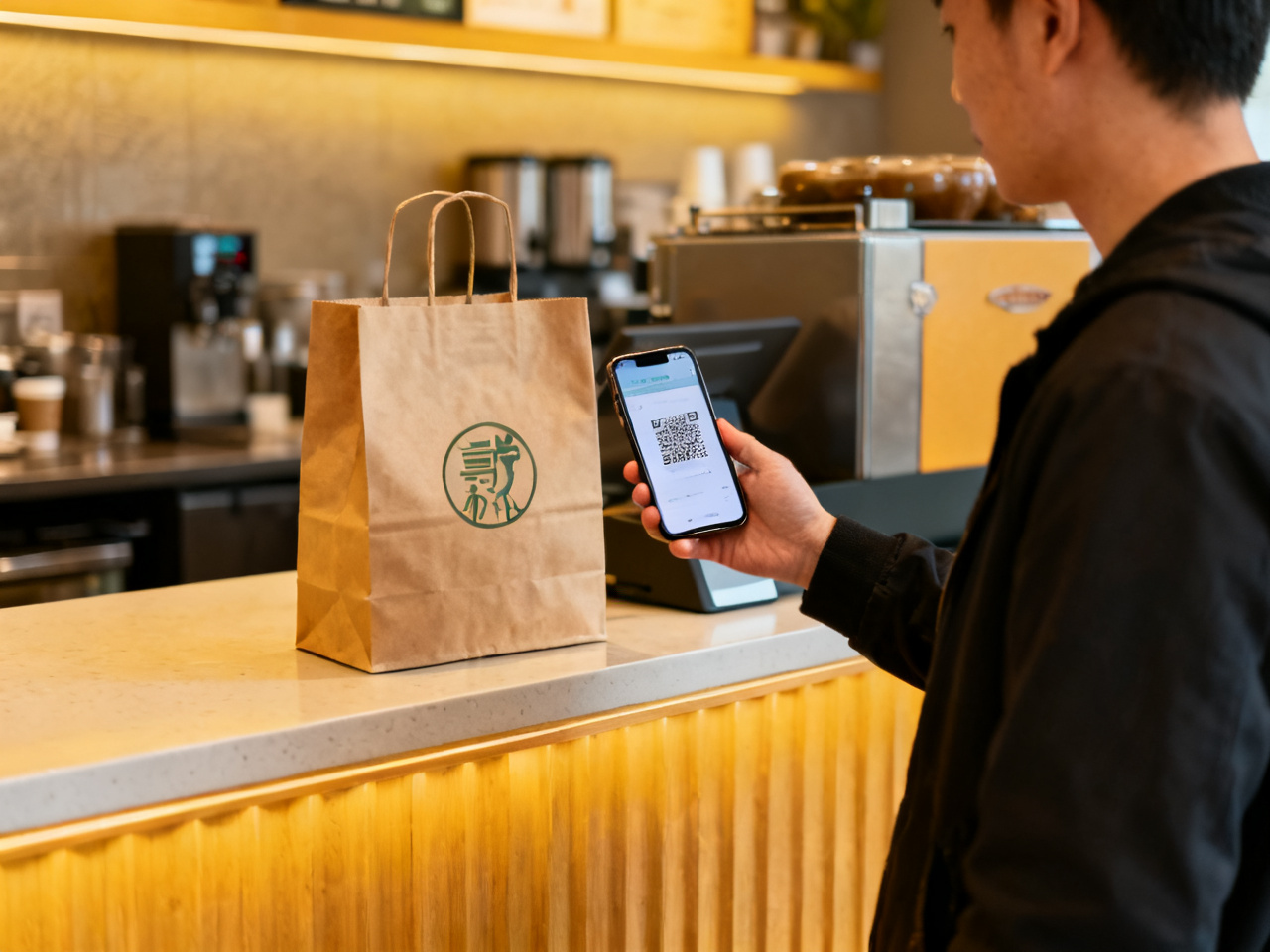
我还学会了一个很实用的小习惯:信息先准备好,再靠近柜台。以前我总是轮到自己了才慌忙打开小程序、翻订单页面、调亮屏幕,店员和后面的人都得陪我一起等。后来我吸取教训,走到店门口时就先把取餐码、手机号后四位或者订单页面准备好,耳机也先摘一边。这样店员一看我,我就能直接给信息,不需要在最忙的时候重新组织自己。这种提前准备,和我在中国高铁站学会的那种“把要出示的东西放顺手”特别像,也让我更能体会把流程和个人动作整合成一套顺序有多重要。中国城市节奏快,但它并不排斥慢一点的人,它排斥的是让整个流程突然断掉的人。
I also learned one very practical habit: prepare your information before approaching the counter. I used to wait until it was my turn and then frantically open the mini-program, find the order page, and raise the screen brightness while the staff and everyone behind me waited. Later I corrected that. As soon as I reach the shop entrance, I prepare the pickup code, the last four digits of the phone number, or the order page, and I also remove one earbud. That way, when the staff look at me, I can provide the information immediately instead of reorganizing myself at the busiest possible moment. This kind of advance preparation feels very similar to what I learned in Chinese high-speed rail stations about keeping the things you may need to show in the easiest-access position, and it helped me appreciate even more how important it is to integrate the workflow with your own physical sequence. Chinese urban rhythm is fast, but it does not reject people who move a little slowly. It rejects people who abruptly break the whole flow.
还有一点是我后来才懂的:取到餐以后别立刻停在原地检查太久。很多外国人,包括以前的我,拿到袋子第一反应就是站在柜台边确认有没有吸管、餐具、少不少东西。确认当然重要,但如果你堵在最前面,后面的人就没法上来。现在我通常会先把餐拿好,往旁边让两步,再看订单内容或者把咖啡放稳。如果真的缺东西,再很短地回头补问一句。这个动作小得几乎不值得一提,却非常符合中国日常里那种“先让出主通道”的默契。我后来越来越认同让安全感和顺畅感建立在细节节点上,因为外卖自取这种事情,真正决定你舒不舒服的,往往就是这些小节点。
There was another point I understood only later: once you get the food, do not stay planted in the same spot checking everything for too long. Many foreigners, including my earlier self, instinctively stop at the counter to confirm whether there is a straw, whether utensils are included, or whether anything is missing. Of course checking matters. But if you block the front position, the next person cannot step in. Now I usually take the order first, move two steps aside, and then check the contents or settle the coffee in my hand. If something is really missing, I turn back briefly and ask. This action is so small it almost feels unworthy of mention, yet it fits perfectly with that common Chinese daily understanding of clearing the main channel first. I came to agree more and more with the idea of building security and smoothness on small practical points, because in takeout pickup, those tiny points are often what decide whether the experience feels easy.
现在回头看,我在中国学会外卖自取礼貌,确实不是背会了哪一句固定表达,而是终于理解了一个更底层的规则:别让自己变成流程里的障碍。先站对位置,先准备好信息,拿到餐先让开,再补检查。听上去都很琐碎,可这些琐碎动作一旦连起来,你就会发现自己突然变得很像那些熟练的本地上班族——不是因为你更像他们说话,而是因为你终于能和他们一起顺着同一个城市节奏移动。
Looking back now, learning takeout pickup etiquette in China really was not about memorizing one ideal phrase. It was about finally understanding a deeper rule: do not let yourself become an obstacle inside the workflow. Stand in the right place first, prepare your information first, step aside first after receiving the food, and only then do your checking. These all sound trivial, but once they connect together, you suddenly find yourself moving much more like the practiced local office workers around you—not because you sound more like them, but because you can finally move with the same urban rhythm.

- 我在中国学会先看队伍,再决定吃什么 | In China I Learned to Read the Queue Before Choosing What to Eat
- 把中国拍成高铁大线以后,最值钱的内容其实藏在换乘和转场里 | Once China Becomes a High-Speed Rail Arc on Camera, the Real Value Hides in Transfers and Transitions
- 中国时区与营业时间指南 | China Time Zones and Business Hours
- 新疆最容易拍出大片,可真正决定一条线能不能走顺的是那些留白路段 | Xinjiang Is Easy to Film Spectacularly, but the Blank Stretch Between Highlights Determines Whether the Route Works
- 中国住宿选择指南:酒店民宿客栈 | China Accommodation Guide: Hotels, B&Bs & Inns
- 古镇民俗体验:赶集、社戏与手工艺 | Ancient Town Folk Culture: Markets, Opera & Crafts
- 中国医疗就诊指南:看病买药与保险 | Medical Care in China: Hospitals, Pharmacies & Insurance
- 我在上海城隍庙买南翔小笼:怎么支付最快、最稳 | Buying Nanxiang Soup Dumplings at Shanghai City God Temple
- 我在杭州小馆里第一次听懂“清淡一点” | In a Hangzhou Eatery, I Finally Understood “A Little Lighter”
- 优雅的旗袍 长衫 | The Elegant Qipao/Cheongsam
Comments (0)