
我第一次在中国用公共洗衣房,才发现洗衣这件小事也有一套共享秩序 | The First Time I Used a Public Laundry Room in China, I Realized Even Washing Clothes Has a Shared Order
我第一次在中国用公共洗衣房,才发现洗衣这件小事也有一套共享秩序 | The First Time I Used a Public Laundry Room in China, I Realized Even Washing Clothes Has a Shared Order
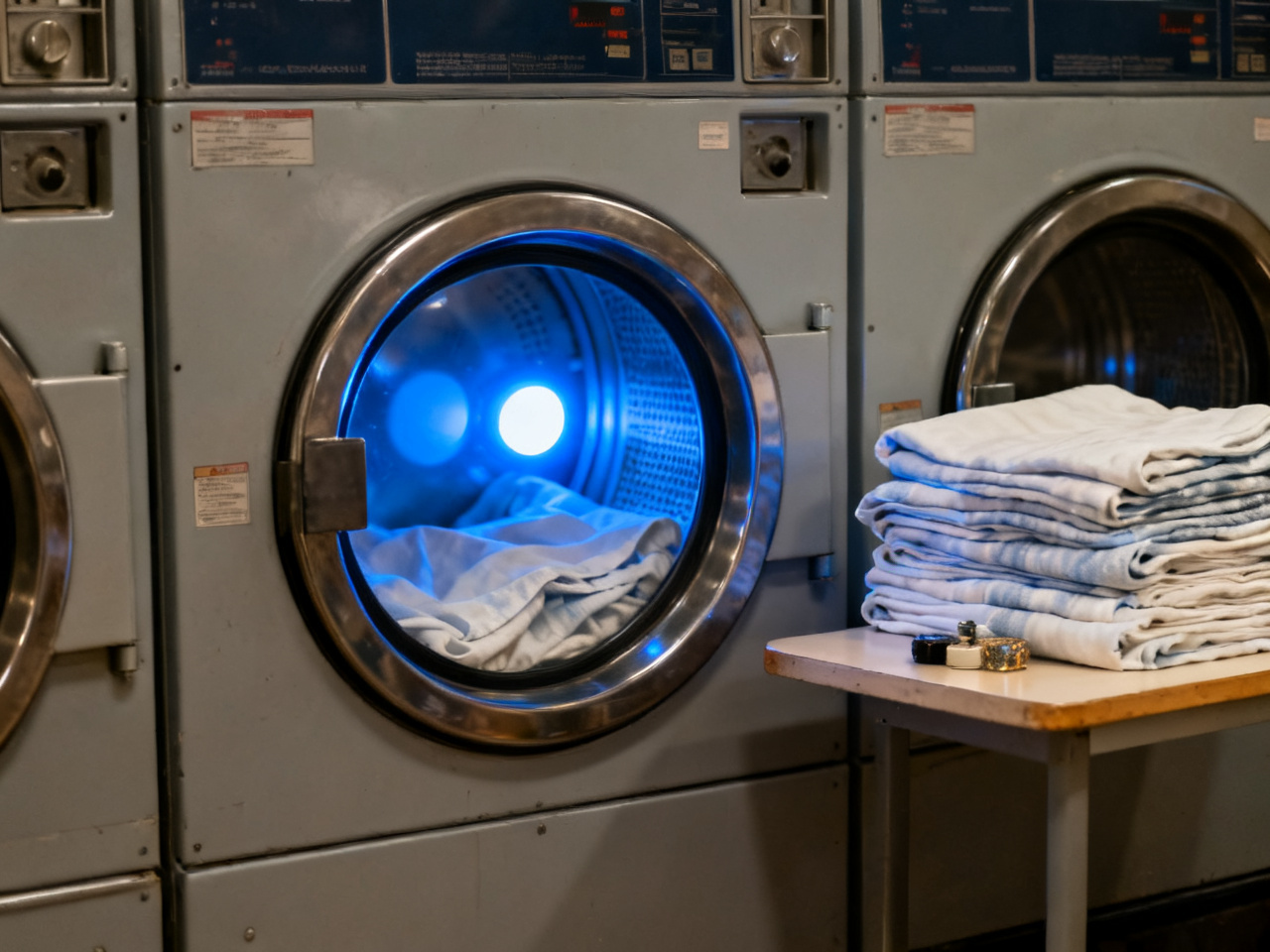
刚搬进杭州一栋长租公寓的第三天晚上,我抱着一袋衣服下楼找公共洗衣房。电梯门一开,走廊里有一点洗衣液和潮湿布料混在一起的味道,尽头那间玻璃门小房里,几台洗衣机正亮着蓝白色的灯。门边贴着简单的使用提示,旁边有一张小桌子,上面放着别人临时取出的空洗衣液瓶和两只忘记拿走的衣架。我原本以为,公共洗衣房这种地方最容易让人觉得混乱:机器要不要排队,别人衣服洗完了没人拿怎么办,烘干机是不是会被一直占着,自己的衣服会不会放错地方。可那天晚上我站在门口看了十分钟,反而第一次认真意识到,在中国,连洗衣这样看似琐碎的公共场景,也常常有一套不大声张、却运转得很稳定的共享秩序。
On the third evening after moving into a long-term apartment building in Hangzhou, I carried a bag of clothes downstairs to find the shared laundry room. When the elevator doors opened, the hallway held a faint mix of detergent and damp fabric, and at the far end a small glass-doored room glowed with the blue-white lights of several washing machines. A simple usage notice was taped beside the door, and next to it stood a small table holding an empty detergent bottle someone had temporarily set down and two hangers nobody had claimed. I had assumed a public laundry room would be exactly the kind of place most likely to feel chaotic: would people have to queue for machines, what happened if someone’s load finished and they did not return, would the dryers be occupied forever, would my own clothes end up in the wrong place? Yet after standing there for ten minutes that night, I found myself noticing the opposite. In China, even a small shared scene as ordinary as doing laundry often runs on an understated but surprisingly stable social order.
那时已经快九点,洗衣房里一共有四个人。一个女生蹲在机器前看倒计时,手里拿着手机,耳机只戴了一边;一个男生把烘干好的床单叠得很方正,放进袋子里;还有一对室友模样的人站在角落,小声讨论到底要不要再加一次漂洗。最让我印象深刻的是,没有人把这里当成完全私人的空间,也没有人把它当成谁都不用顾及的地方。大家说话声音都不高,取衣服动作也很快,哪怕只是把洗好的衣服暂时放到桌上,也会尽量整理一下,不让湿水滴得到处都是。这不是我事先从规则里读到的,而是我看着别人怎么做,一点点学会的。
It was almost nine o’clock. Four people were inside the laundry room. One young woman crouched in front of a machine watching the countdown while holding her phone, one earbud hanging from only one ear. A young man folded his dried bedsheet into a neat square and put it into a bag. In the corner, what looked like two roommates were quietly debating whether to add one more rinse cycle. What struck me most was that nobody treated the place as fully private, but nobody treated it as a space beyond consideration either. People spoke softly, removed their items quickly, and even when they had to place freshly washed clothes temporarily on the table, they tried to arrange them so that water would not drip everywhere. This was not something I learned by reading posted rules in advance. I learned it gradually by watching how other people behaved.
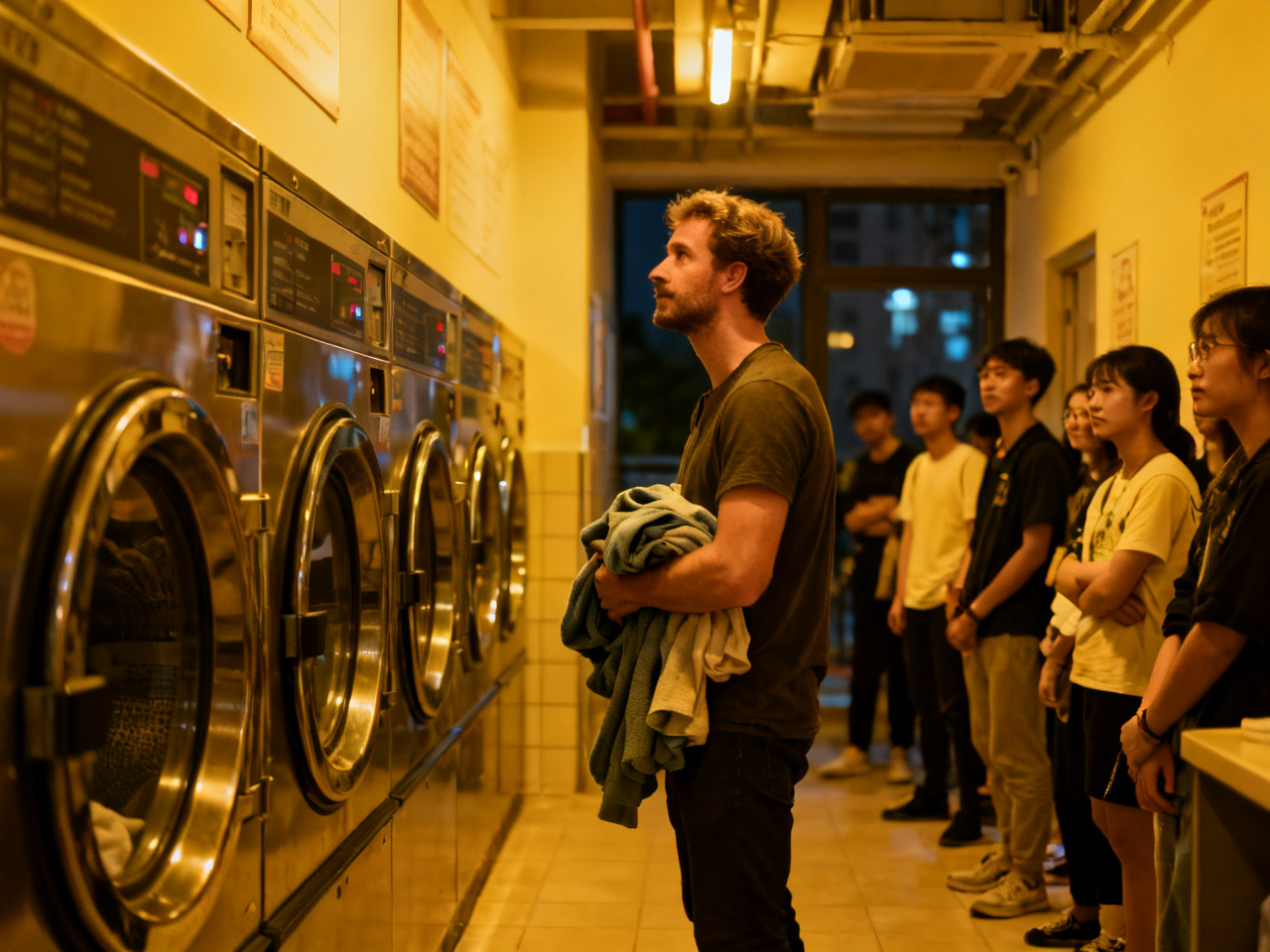
我第一次真正“出错”,是在那晚十点左右。我的一桶深色衣服洗完后,我一边回微信一边慢吞吞整理,结果后面已经有人拿着洗衣篮站在不远处等机器。我当时并没有被催,可那种安静的等待本身就已经很明确:在这种共享空间里,机器一旦结束,默认节奏就是尽快清空,而不是把洗衣机继续当成自己的临时衣柜。后来我连忙把衣服转去烘干,给对方让出位置。对方只是轻轻点了点头,没有不耐烦,但我一下子就明白了这里真正重要的礼貌,不是夸张地道歉,而是让流程重新顺起来。
The first time I truly “got it wrong” came around ten that night. My dark load had finished, and I was slowly sorting things while replying to messages. By then someone was already standing a short distance away with a laundry basket, waiting for the machine. No one urged me verbally, yet that quiet waiting was already clear enough: in a shared laundry room, once a cycle ends, the expected rhythm is to clear the machine quickly, not to keep using it as your temporary wardrobe. I hurried to move the load into a dryer and free the washer. The other person only gave me a small nod, with no sign of irritation, but I understood something immediately. In this kind of space, the important courtesy is not dramatic apology. It is restoring the flow.
后来我慢慢观察出几个特别典型的细节。第一,很多人会在机器快结束前两三分钟回来,而不是彻底等到停了才出现,因为这样更不占别人时间。第二,如果真的临时赶不过来,别人通常会先把洗好的衣服轻轻挪到一边的篮子或桌面,不会乱翻,也不会故意弄散。第三,洗衣液、消毒液和烘干纸这些东西,大家虽然各用各的,但对“别把公共台面弄得黏糊糊”这件事有一种默认共识。第四,晚上高峰时段最容易看出一个人是不是熟悉这里:熟悉的人动作都不大,却总能准确地在该走的时候走、该等的时候等。
Over time I began to notice several very typical details. First, many people came back two or three minutes before a cycle finished instead of waiting until the machine stopped completely, because that took up less of other people’s time. Second, if someone truly could not return in time, others would usually move the finished laundry gently to a basket or table nearby rather than rummaging through it or scattering it carelessly. Third, detergent, sanitizer, and dryer sheets were privately owned, but there seemed to be a shared understanding that the public surface should not be left sticky or messy. Fourth, the evening rush was the easiest moment to tell whether someone was familiar with the place: experienced users moved without fuss, yet somehow always knew exactly when to leave and when to wait.
这种感觉让我想到,中国很多生活秩序其实都不是靠特别硬的管理维持的,而是靠“别让下一步更麻烦”这种非常实用的共识在撑着。公共洗衣房就是这样。它不像地铁进站那样有那么多明显的箭头和闸机,也不像餐厅排号那样有清楚的叫号系统,可大家依然会自然形成一种节奏:你洗完就拿走,我需要机器就安静等,你忘了回来我先帮你挪开,但不会越界太多。对外国人来说,这种秩序一开始不一定看得懂,因为它并不总是被写在墙上。可一旦你进入这个节奏,就会发现很多共享空间其实并没有那么可怕。
The feeling reminded me that much of everyday order in China is not maintained by rigid enforcement alone, but by a practical consensus of “do not make the next step harder for others.” A public laundry room is exactly like that. It does not have as many visible arrows and gates as a metro station, nor as explicit a numbering system as a restaurant queue, yet people still form a rhythm naturally: when your wash ends, you remove it; if I need the machine, I wait quietly; if you forget to return, I may move your items aside, but not too intrusively. For foreigners, this kind of order is not always easy to read at first because it is not fully written on the wall. But once you enter the rhythm, many shared spaces become far less intimidating than they first appear.
第二周我已经完全换了做法。我会先看一眼哪台机器剩余时间最短,再决定要不要现在洗;会提前把洗衣液和衣架准备好,不在公共台面前慢慢翻包;如果发现烘干机都满了,我就干脆晚一点再下楼,而不是把湿衣服堆在那里占地方。有一次,一个刚搬来的留学生问我,是不是要一直守在洗衣机旁边。我笑着说,不用,但你最好记得时间,别让别人替你收尾。说完这句话时,我才意识到,自己已经从那个站在门口紧张观察的人,变成了能把这套秩序再解释给别人的人。
By the second week, my own habits had completely changed. I would first check which machine had the shortest remaining time before deciding whether to wash immediately. I prepared detergent and hangers in advance instead of searching through my bag at the public counter. If all the dryers were full, I simply went back upstairs and returned later rather than leaving a pile of damp clothes to occupy space. Once, a newly arrived international student asked me whether he had to stand beside the machine the whole time. I laughed and said no, but you should remember the timing and not leave the ending for someone else to handle. As soon as I said that, I realized I had already changed from the nervous observer at the doorway into someone able to explain the rhythm to another newcomer.
现在如果有人问我,在中国公共洗衣房最值得先学的是什么,我不会先说机器按钮怎么按,也不会先说哪种洗衣液好用。我会说,先学会读共享节奏:什么时候该快一点,什么时候该安静等一下,什么时候该帮忙挪开,什么时候又不要碰得太多。洗衣这件事看起来很小,可它特别能说明一座城市里陌生人之间是怎么合作的。大家未必要说很多话,却能靠一套重复出来的动作,把一个容易产生摩擦的空间,过成一个还算顺手的公共场景。对我来说,那是我在中国生活里学到的一种很细小、却很踏实的文明感。
If someone asks me now what is most worth learning first in a Chinese public laundry room, I would not begin with which buttons to press or which detergent works best. I would say: learn to read the rhythm of sharing—when to move a little faster, when to wait quietly, when to help move something aside, and when not to touch too much. Washing clothes may seem tiny, but it reveals a great deal about how strangers cooperate inside a city. People do not need to talk much. Through repeated small actions, they turn a space that could easily produce friction into one that usually works with surprising ease. For me, that became one of the smallest yet most solid forms of everyday civility I learned while living in China.

- 南京这座城最难拍准的地方,是城墙底下那些还在发生的今天 | The Hardest Thing to Capture Accurately in Nanjing Is the Living Present Beneath Its Walls
- 青岛海岸三站法:栈桥、八大关和崂山怎么排更顺 | Qingdao in Three Stops: Pier, Badaguan, and Laoshan in Better Order
- 九月金秋草原:中国最美的秋天从这里开始 | September on the Grasslands: Where China's Most Beautiful Autumn Begins
- 深夜便利店里那几分钟,让我第一次觉得自己也进入了中国城市的夜班节奏 | A Few Minutes in a Late-Night Convenience Store Made Me Feel I Had Entered the Night Rhythm of a Chinese City
- 雨季旅游攻略:雨中别有风味 | Rainy Season Travel: Beauty in the Rain
- 低价团不是不能报,但合同要比宣传页更重要 | Cheap Tours Are Not Always Bad, but the Contract Matters More Than the Brochure
- 杭州西湖边那阵风,提醒我热门景区也要会躲人流 | A Breeze by West Lake Reminded Me How to Dodge Crowds at Famous Attractions
- 我在中国老小区晾衣绳下学会的,是先看天气,也先看邻里的节奏 | Under the Laundry Lines of an Old Chinese Residential Compound, I Learned to Watch the Weather and the Neighborhood Rhythm First
- 广东广西10日海陆游 | 10-Day Guangdong-Guangxi Sea & Land Tour
- 西藏:世界屋脊 | Tibet: The Roof of the World
Comments (0)