
沿着嘉峪关的风走到长城尽头 | Following the Wind to the End of the Great Wall at Jiayuguan
沿着嘉峪关的风走到长城尽头 | Following the Wind to the End of the Great Wall at Jiayuguan
清晨六点四十分,列车把我放在嘉峪关时,天色刚从铁灰里透出一点蓝。站前广场空得让行李箱的轮子声显得过分响亮,出租车顶灯还亮着,司机们裹着外套靠在车边。我原以为五月的河西走廊已经有了暖意,推门出去却被一股干冷的风迎面撞住,鼻腔像突然碰到一小片冰。接我的司机马师傅把我的背包塞进后备箱,见我只穿一件薄夹克,笑着说:“别看太阳,嘉峪关早上先看风。”我当时只把这句话当作当地人惯常的天气提醒,还不知道它会改变我看这座关城的方式。
At 6:40 in the morning, the train set me down in Jiayuguan just as a trace of blue began to show through the iron-grey sky. The station square was so empty that the wheels of my suitcase sounded unreasonably loud. Taxi roof lights were still glowing, and the drivers stood beside their cars wrapped in coats. I had assumed that the Hexi Corridor would already be warm in May, but the moment I stepped outside, a dry, cold gust struck me head-on, as if a sliver of ice had touched the inside of my nose. My driver, Master Ma, put my backpack in the boot and laughed at my thin jacket. “Don’t look at the sun first in Jiayuguan,” he said. “Look at the wind.” I took it as an ordinary local warning about the weather. I did not yet know that it would change the way I understood the fortress.
车驶出站区后,城市很快向两侧退开,路边的楼房变矮,树也稀了。戈壁并不是我想象中一片平整的黄沙,它有碎石、灰褐色硬土、低伏的草团,还有被车轮和风反复压出的浅浅纹路。风从没有遮拦的地面上横着跑,偶尔卷起一缕尘,敲在车窗上,声音细碎得像有人撒了一把干豆。马师傅没有开音乐,只把暖风调高了一格。他指着前方说,天气好的时候,祁连山会一直跟在公路左边。我贴近玻璃找了半天,只见地平线上压着一层苍白的云,以为他是在拿远山逗一个刚到的游客。
Once we left the station district, the city quickly fell away on both sides. Buildings grew lower and trees became sparse. The Gobi was not the smooth field of yellow sand I had imagined. It was made of gravel, grey-brown packed earth, crouching tufts of grass, and faint lines pressed into the ground again and again by tyres and wind. Gusts ran sideways across the open land, sometimes lifting a thread of dust that tapped against the window like a handful of dried beans. Master Ma left the radio off and turned the heater up one notch. He pointed ahead and said that on a clear day the Qilian Mountains would follow the road on the left. I leaned toward the glass and searched, but saw only a pale bank of cloud resting on the horizon. I suspected he was teasing a visitor who had only just arrived.
七点半左右,我们到了关城外。游客中心还没有热闹起来,保洁员正把昨夜吹到台阶角落的纸屑扫进簸箕,几名早到的游客缩着脖子拍照。远看城楼时,我的第一反应竟有些失望:它没有独自立在荒漠尽头,也没有像旧电影那样被黄沙吞没;整齐的道路、停车场和入口设施把它托在一个清楚、可抵达的现实里。我甚至误判,这大概是一座适合在外面看全景、进去后很快就能走完的古代城堡。马师傅替我关上车门,临走前朝城墙方向抬了抬下巴:“别急着登楼,先在下面走一圈。门套着门,进去才知道大。”
We reached the outer area of the fortress at about half past seven. The visitor centre had not yet grown busy. A cleaner was sweeping scraps of paper, blown into the corners of the steps overnight, into a dustpan, while a few early arrivals hunched their shoulders against the cold to take photographs. My first reaction to the towers from a distance was, unexpectedly, disappointment. The fortress did not stand alone at the end of a desert, nor was it being swallowed by yellow sand like a scene from an old film. Neat roads, a car park, and modern entrance facilities held it firmly in an accessible present. I made the further mistake of assuming that it was the sort of ancient castle best seen from outside and quickly covered once inside. Before driving away, Master Ma shut my door and tipped his chin toward the walls. “Don’t rush up the tower. Walk around below first. One gate sits inside another—you only understand the size after you enter.”
他的话让我把原定的直奔城楼改成了贴墙慢走。迎面的夯土墙挡住了视线,墙根的地面仍带着夜里的凉,鞋底踩过细砂,发出低低的摩擦声。走近以后,城墙不再是照片里平整的一条线:土层有深浅不同的颜色,边角被风磨圆,有些地方能看见细密裂纹。风撞到墙面,又沿墙脚折回来,力道忽然变得乱而急。我不得不按住帽檐,也因此停在一道门洞前。洞内比外面暗,门的另一侧只露出半面墙和一角屋檐,仿佛关城故意不肯一次把自己交出来。
His advice made me abandon my plan to head straight for the tower and instead walk slowly along the wall. The first stretch of rammed earth blocked my view. The ground at its base still held the night’s chill, and fine grit whispered beneath my shoes. Up close, the wall was no longer the smooth line seen in photographs: its layers carried different shades of earth, its corners had been rounded by wind, and fine cracks showed in places. The wind struck the wall and curled back along its base, suddenly confused and forceful. I had to hold down my cap, which made me stop inside a gateway. It was darker there. Beyond it, only half a wall and the corner of an eave were visible, as though the fortress refused to reveal itself all at once.
穿过门洞,空间忽然不是变开阔,而是被重新切成院落、坡道、廊檐和下一重门。人在其中总要先转弯,再抬头,然后才发现刚才以为的边界只是另一面墙的开始。一个穿藏青工作服的管理员正在收起拦绳,他看见我对着导览图来回比划,问我是不是要找“最高的拍照点”。我点头,他却让我先站到瓮城中央,闭嘴听十秒。起初只有风声,随后我听见它掠过城砖、钻进门缝、从木檐下发出不同的音调。管理员说,守关的人看见的是墙,听见的却是通道;哪边来人、哪道门开,声音会先在院子里改变。他一句话把平面的地图推成了立体,我也第一次意识到,这里真正厉害的不是一座高楼,而是一连串控制视线与脚步的空间。
Beyond the gateway, the space did not simply open up. It divided itself again into courtyards, ramps, covered eaves, and another gate. Inside, I always had to turn first, look up second, and only then discover that what I had taken for a boundary was merely the beginning of another wall. An attendant in a navy work jacket was taking down a barrier rope. Seeing me repeatedly compare the site map with my surroundings, he asked whether I was looking for “the highest photo spot.” I nodded, but he told me to stand in the centre of the barbican and keep quiet for ten seconds. At first there was only wind. Then I heard it skim the bricks, slip through the gate seams, and take on different notes beneath the timber eaves. Guards, he said, saw walls but listened to passages: approaching people and opening gates altered the sound of the courtyard before anything else. His remark turned my flat map into a three-dimensional place. For the first time, I understood that the fortress’s strength lay not in one tall tower, but in a sequence of spaces that controlled both sight and movement.
太阳升高了一点,我沿着坡道往上,风也跟着无遮无挡地扑过来。就在城墙转角,先前那层“云”忽然显出锋利的轮廓:祁连山的雪线从灰白天光里分离出来,一段接一段,远得像悬在戈壁之外,清楚得又像伸手便能摸到。那一刻我才明白马师傅并没有夸张。关城并非孤零零堵住一片沙海,它的南侧有雪山提供方向,脚下有戈壁把距离彻底摊开,墙体、山脉与地平线共同构成一套尺度。没有这道视线,城楼容易被看成供人仰望的古建筑;把祁连山纳入眼中,它才像河西走廊上一个谨慎选择过的位置。
As the sun climbed, I followed the ramp upward and the wind came at me without obstruction. At a corner of the wall, the bank of “cloud” I had seen earlier suddenly acquired a sharp outline. The snowline of the Qilian Mountains separated itself from the grey-white light, ridge after ridge, so distant that it seemed suspended beyond the Gobi and yet so clear that I felt I could touch it. Only then did I understand that Master Ma had not exaggerated. The fortress was not a lonely obstruction in a sea of sand. Snow mountains fixed its southern direction, while the Gobi spread distance openly beneath it; walls, ranges, and horizon formed a single measure of scale. Without that view, the towers could be mistaken for ancient architecture made to be admired. With the Qilian Mountains in sight, the fortress became a carefully chosen position on the Hexi Corridor.
我靠在背风一侧,把帽子重新扣紧。早晨那个“半小时看完”的判断已经站不住了:我才走过几道门,方向感便被墙体拆散,又被雪山重新拼起。此时入口处传来第一拨人群的说话声,声音经过门洞压低、放大,再散进院子,与管理员刚才的解释严丝合缝。我试着回望来路,却只能认出一截坡道,已经看不见最初进来的门。关城不是把人拒在一堵墙外,而是让进入者在层层转折中失去直冲而过的速度;我先前用一张正面照片估量它,错的不只是大小,还有观察它的方法。
I leaned into the sheltered side of the wall and tightened my cap. My early assumption that the place could be finished in half an hour no longer survived. After only a few gates, the walls had taken apart my sense of direction, and the snow mountains had assembled it again. Voices from the first arriving group now drifted in from the entrance, compressed and amplified by the gateways before scattering across the courtyard, exactly as the attendant had described. I looked back, but could identify only a section of ramp; the gate through which I had first entered was already hidden. The fortress did not merely keep people outside a wall. Through repeated turns, it took away the speed of anyone trying to pass straight through. By measuring it from one frontal photograph, I had misjudged not only its size, but the very way it needed to be seen.
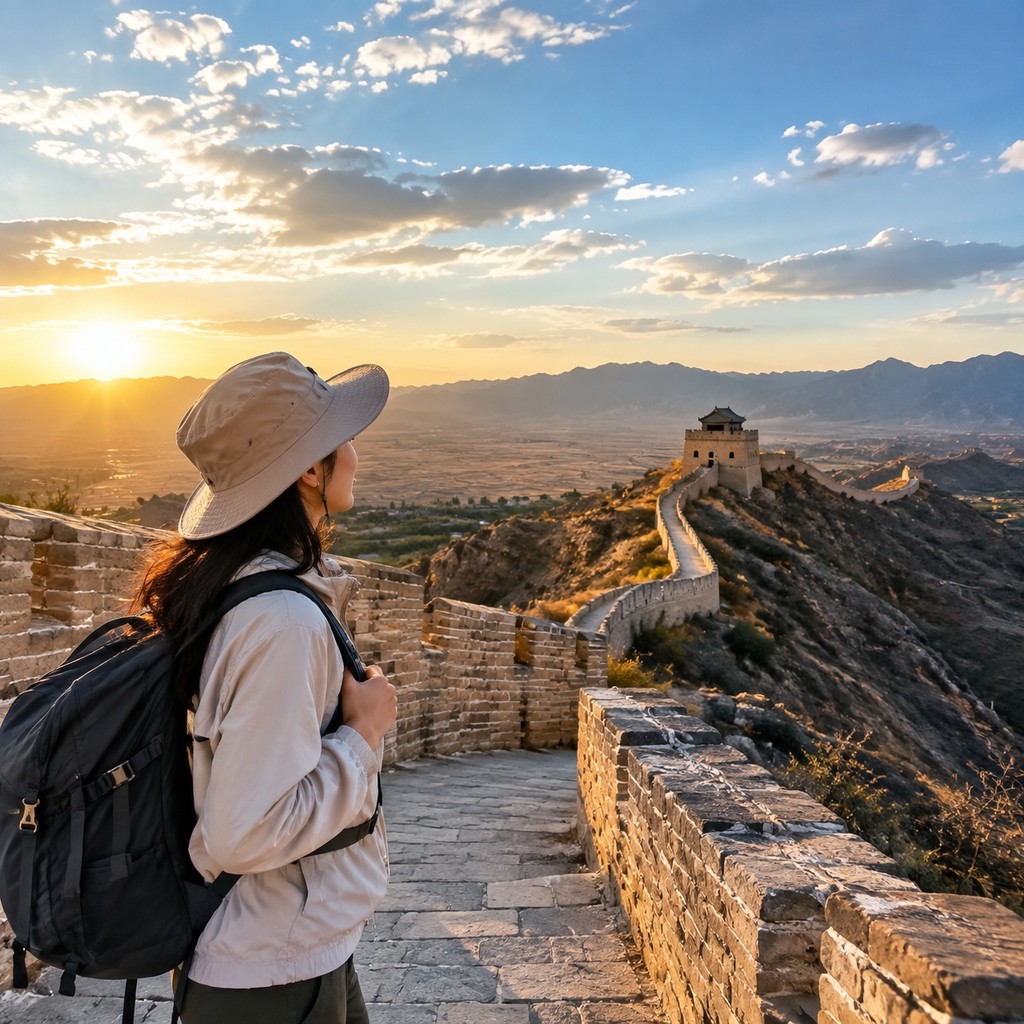
管理员从下面经过,抬手催我别停太久,说再晚一会儿旅行团就进来了。我顺着他指的窄道继续向里走,身后的门洞把戈壁裁成一块明亮的长方形。风从那块光里追进来,推着我的后背,也把我带向尚未显露的下一层关城。
The attendant passed below and waved for me not to linger, warning that tour groups would soon arrive. I followed the narrow way he indicated. Behind me, the gateway cut the Gobi into a bright rectangle. Wind chased me in from that frame of light, pressed against my back, and carried me toward the fortress’s next, still-hidden layer.
窄道尽头接着一段马道,坡面比远看时陡,铺地被无数鞋底磨得发亮。我起初仗着风从背后推,三两步便越过前面一对老夫妻,等坡向折转,迎风面突然打开,胸口像被一扇看不见的门顶住。刚才省下的力气转眼全要还回去,呼吸也被干风切得短而急。那位老先生从后面赶上来,没有劝我坚持,只指指墙边的阴影:“贴里走,步子小一点,别跟风较劲。”他和妻子一前一后慢慢上坡,节奏几乎没变。我照着做,把相机收进包里,肩膀不再悬着,才发现马道并非单纯通向高处,它也是一段逼人调整速度的路。
The narrow passage ended at a horse ramp, steeper than it had looked from below, with paving polished by countless soles. With the wind at my back, I bounded past an elderly couple in a few quick steps. Then the ramp turned and opened onto the windward side; it felt as if an invisible door had struck my chest. Every bit of effort I thought I had saved was demanded back at once, and the dry air chopped my breathing into short bursts. The older man caught up but did not tell me to push harder. He pointed to the shade along the inner wall. “Stay close in and shorten your steps. Don’t compete with the wind.” He and his wife climbed one behind the other without changing pace. I copied them, put my camera away, and let my shoulders drop. Only then did I see that the ramp was not merely a route upward. It was a road that forced the body to reconsider its speed.
到了墙顶,脚下的院落被城墙切成大小不同的几何形状。刚进入关城时显得高大的门楼,如今只露出层层屋脊,檐角彼此错开;再往外,停车场与新城被压低在远处,戈壁则一直铺到颜色变淡的天边。我沿女墙往城楼走,每经过一个垛口,视野便闪开一次:一会儿是雪山,一会儿是荒地,一会儿又只剩厚实墙体。站在这里无法拥有连续而舒适的全景,眼睛必须随着缺口转动。我忽然明白,城上的视线像被安排过的呼吸,开处用来寻找远方,闭处让人重新确认身边的防线。
At the top of the wall, the courtyards below had been divided into geometric shapes of different sizes. The gate towers that seemed so imposing when I entered now showed mainly as layered ridgelines, their eaves staggered against one another. Beyond them, the car park and modern city sat low in the distance, while the Gobi extended to a horizon drained of colour. I walked toward the tower along the parapet. At every crenel, the view flashed open: now the snow mountains, then the waste ground, then nothing but the massive wall. There was no single, comfortable panorama to possess. My eyes had to turn with each opening. The sightline up here felt like regulated breathing—openings for searching the distance, solid sections for remembering the defence close at hand.
城楼的木梯把脚步声收得很紧。前面一个背红色书包的小男孩爬到一半,忽然被楼外的风声吓住,两只手抓着栏杆不动。他父亲站在下一级,没有从背后推,只让他先看脚边的木纹,再数三块踏板。我侧身等着,也跟着把目光从远景收回到脚下。孩子数完,挪上一级,又回头小声说“风只是声音大”。这一句说得他自己先笑了,堵住的几个人也都放松下来。轮到我继续时,我没有再边走边举相机;老木梯微微发颤,掌心碰到的扶手却被磨得温润,这些近处的触感反而让高处不再显得飘。
The timber stair inside the tower gathered every footstep into a tight echo. A boy with a red backpack stopped halfway up, frightened by the roar outside, and gripped the rail with both hands. His father stood one step below. Instead of pushing him, he asked the boy to look at the grain beneath his feet and count three treads. I waited to one side and found myself drawing my own gaze back from the distant scenery to the stair. After counting, the boy moved up one step and whispered over his shoulder, “The wind is only loud.” He laughed first, and everyone held up behind him relaxed. When it was my turn to move, I stopped trying to raise my camera while climbing. The old stair trembled faintly, but the handrail beneath my palm had been worn smooth and warm; those close sensations made the height feel solid again.
登上城楼外廊后,风从檐下穿过,比墙面上更尖。我没有马上走向最外侧,而是在木柱背后站了片刻,喝两口水,让心跳慢下来。先前那对老夫妻也到了,老太太从布袋里拿出一小块馍,掰一半递给丈夫,两人面对雪山吃得很安静。老先生看我嘴唇发干,提醒我这里不觉得出汗,却一样耗水。他说完便把空水瓶压扁收好,没有留下任何东西。阳光已经发白,阴影却仍冷。我学他们把停留当成行程的一部分,而不是承认疲惫的失败:每走一段便找背风处,先喝水,再看景,最后决定是否继续。
On the outer gallery, the wind funnelled beneath the eaves with a sharper edge than it had along the wall. I did not go straight to the exposed side. Instead, I stood behind a timber column, drank twice, and waited for my heartbeat to slow. The elderly couple arrived too. The woman took a small piece of flatbread from a cloth bag, broke it in half, and handed some to her husband. They ate quietly facing the snowy range. Seeing my dry lips, the man reminded me that people might not feel themselves sweating here, but still lost water. Then he flattened his empty bottle and put it away, leaving nothing behind. The sunlight had turned pale and hard, while the shade remained cold. I began to treat each pause as part of the route rather than an admission of defeat: find shelter, drink first, look second, and only then decide whether to move on.
从西侧窗洞望出去,戈壁上的道路细得像铅笔划痕,偶尔一辆车移动,半天才显出位置变化。转到另一面,关城内部却近得能看清人群如何被门道分开:旅行团在院内聚成一团,导游旗一转,队伍便被墙角吞掉;过一会儿,他们的声音先从另一道门后冒出来,人影才重新出现。那个小男孩趴在较低的窗沿上寻找刚走过的马道,怎么也拼不完整。他父亲让他别找路线,找红色书包在院中的影子。孩子很快指到一处墙根,兴奋地说原来自己已经走了那么高。他的发现也替我校正了视角:高度不只为了看远,它还把刚才费力走过的转折压缩成一张可以回读的图。
Through a western opening, roads across the Gobi looked like pencil scratches. A vehicle moved now and then, but it took a long time before its change of position became visible. On the other side, the fortress interior was close enough to show how gates divided the crowd. A tour group gathered in one courtyard; the guide’s flag turned, and the entire line was swallowed by a wall corner. Their voices emerged behind another gate before the people themselves appeared again. The boy leaned over a low window ledge, trying unsuccessfully to piece together the ramp he had climbed. His father told him not to search for the route, but for the shadow of his red backpack in the courtyard. The boy quickly pointed to the base of a wall and exclaimed that he had already come so high. His discovery corrected my perspective too: height was not only for seeing far away. It compressed the turns we had laboured through into a map that could be read backward.
再往前,廊道尽头有一处正迎横风的开口。几名游客轮流冲过去拍照,衣角和围巾被吹得笔直,快门一响便笑着撤回。我也试了一次,刚跨出柱子的遮挡,身体便不由自主向侧面偏,镜头里的地平线也歪了。旁边那位管理员不知何时登上楼来,伸手示意我把双脚错开,不要并排站。他说城楼上看路,也得先站稳;风大的日子,最好的位置未必是最靠外的位置。我退回半步,把前景的一段城墙纳进画面,雪山反而有了尺度。那张照片少了凌空感,却更接近我此刻认识的嘉峪关:它从不要求人战胜风,而是教人借墙、借门、借一步距离保存力气。
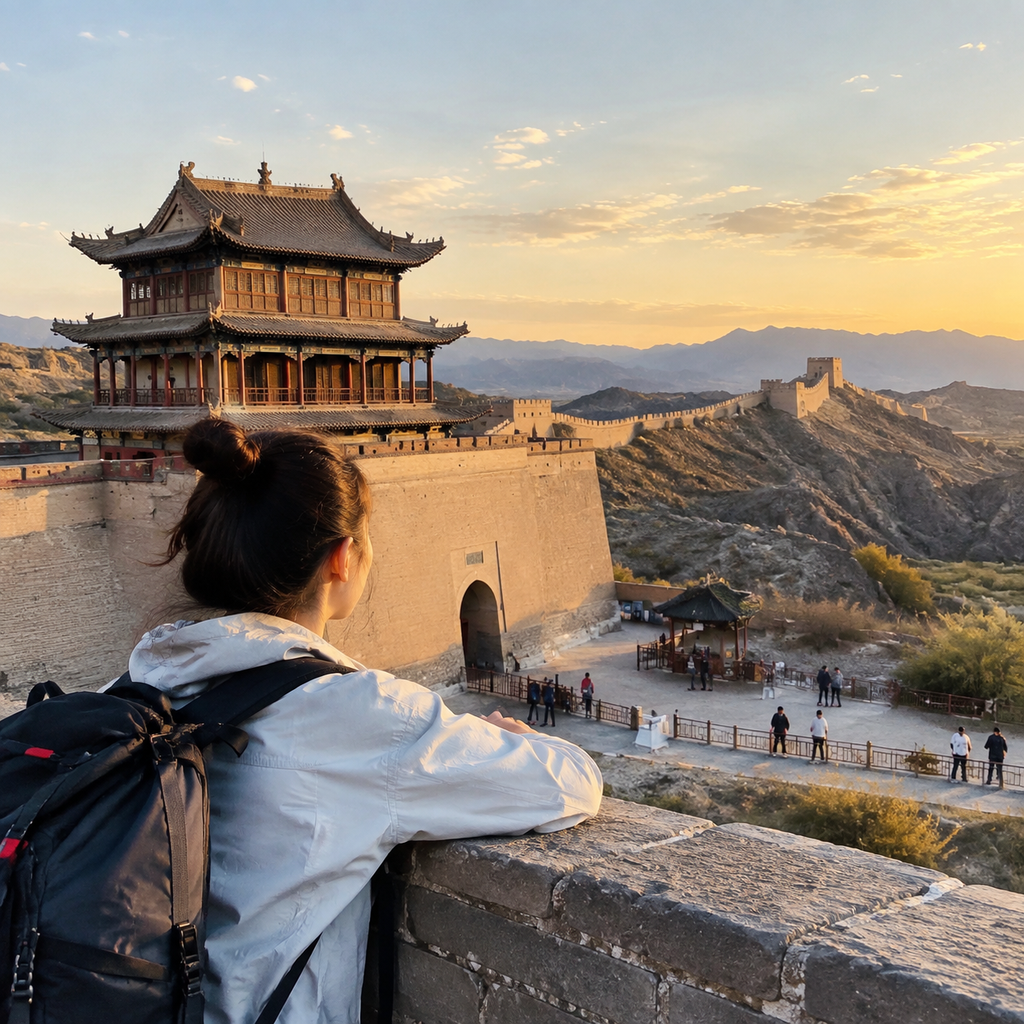
At the gallery’s far end, an opening faced the crosswind directly. Several visitors took turns darting out for photographs, hems and scarves stretched straight, retreating with laughter as soon as the shutter clicked. I tried once. The instant I stepped beyond the column’s shelter, my body tilted sideways and the horizon in my frame tipped with it. The attendant had somehow come up to the tower. He motioned for me to stagger my feet instead of placing them side by side. To watch the road from a tower, he said, one first had to stand securely; on a windy day, the best position was not necessarily the outermost one. I stepped half a pace back and included a section of wall in the foreground. The mountains immediately gained scale. The photograph was less dramatic, but closer to the Jiayuguan I was beginning to know: this place never asked anyone to defeat the wind. It taught them to borrow shelter from a wall, a gate, or a single step of distance.
下楼时,旅行团已经挤进院落,我没有原路冲下马道,而是在转角的平台让出位置。那位父亲牵着男孩经过,孩子主动提醒我:“靠里面风小。”他把刚学会的话转送给别人,神情比上楼时轻快许多。我跟在他们后面,用短步稳稳下行。坡底一位推清洁车的阿姨正把被风卷散的落叶拢回墙根,她让我们从车旁窄处先过,还顺手按住差点飞走的纸帽。关城里的每个人似乎都在和风协商:有人调整站姿,有人压住物件,有人把道路让得更从容。风没有停,秩序却没有被吹乱。
By the time I descended, a tour group had crowded into the courtyard. Rather than rushing back down the ramp, I waited on the corner landing and let others pass. The father and boy came by hand in hand. “It’s less windy on the inside,” the boy volunteered. He was passing on something he had learned only minutes earlier, and he looked much lighter than he had on the climb. I followed them down in short, steady steps. At the bottom, a cleaner with a cart was gathering leaves blown apart along the wall. She let us squeeze through first and caught a paper hat just before it escaped. Everyone inside the fortress seemed to be negotiating with the wind: changing stance, securing loose things, or yielding space more patiently. The gusts did not stop, yet they did not scatter the order of the place.
接近十一点,阳光把墙顶照得发亮,院中的阴影缩到檐下。我在一处背风长凳坐下,把剩下的水分成几小口喝完,没有急着赶去下一个景点。马道上仍有人迎风上行,红书包在垛口间时隐时现;城楼檐铃只偶尔响一下,很快又被更大的风声盖住。上午还没有结束,关城内部也远未走完,但我已把计划里的速度划掉。等腿上的酸意退一些,我会从下一道门继续进去。此刻先让身体留在阴影里,让目光沿着墙线慢慢走到雪山,再慢慢回来。
It was nearing eleven. Sunlight brightened the wall tops, and the courtyard shadows had withdrawn beneath the eaves. I sat on a sheltered bench and finished my water in several small sips, making no attempt to hurry toward another sight. People were still climbing the ramp into the wind, and the red backpack appeared and vanished between the crenels. A bell beneath the tower eaves sounded only now and then before the larger voice of the wind covered it. The morning was not over, and I had seen far from all of the fortress interior, but I had already crossed speed off my plan. Once the ache in my legs eased, I would continue through the next gate. For now, I let my body remain in the shade and allowed my gaze to travel slowly along the wall to the snowy mountains, then slowly return.
休息过后,我从西门出了关城。门内的风还会被墙角切碎,到了门外却忽然连成一股,贴着戈壁低低推来。碎石在鞋边滚动,枯草梗不断擦过裤脚,远处土路上的尘带被拉得很长,像有人用淡褐色的笔在地面上迅速划了一道。回头看,刚才层层包围我的高墙已经收成一块沉静的土色轮廓,檐角浮在亮白天空下。没有院落替我挡风之后,距离也像被放大了:看似只有几百米的烽燧,走了好一阵仍停在原处。戈壁风并不靠突然的猛烈让人畏惧,它更像一只持续抵住胸口的手,在每一步里悄悄收走热量和耐心。
After resting, I left the fortress through the west gate. Inside, corners and walls had broken the wind into separate currents; outside, it became one continuous force sweeping low across the Gobi. Gravel rolled beside my shoes, dry stalks brushed my trouser legs, and a distant ribbon of dust stretched along the track like a quick stroke of pale-brown pencil. When I looked back, the walls that had surrounded me layer by layer had contracted into a quiet earthen outline beneath the white sky. With no courtyard to shelter me, distance seemed to expand. A beacon tower that appeared only a few hundred metres away remained stubbornly in place after a long walk. The Gobi wind was intimidating not because of one violent gust, but because it pressed steadily against the chest, quietly taking warmth and patience from every step.
在岔路边,我遇见一位骑电动车巡查的工作人员。他看了看我只剩空瓶的侧袋,问我是不是打算沿外墙一直走到悬壁长城方向。我说地图上两处离得不算远,他立刻摇头:“图上是直线,脚下不是。外面没有补水点,回程还可能顶风,腿有余量再走。”他建议我只到前方能看清关城西壁的土坡,之后原路返回游客中心,再乘车去下一处。我原本把这当成过分谨慎,直到他让我背对关城站定,我才发现来时推着我的风,返程会正面撞上来。他还提醒我,干燥天气里口渴往往晚于缺水,不能等嗓子发紧才休息。
At a fork, I met a staff member making his rounds on an electric bike. He glanced at the empty bottle in my side pocket and asked whether I intended to follow the outer wall all the way toward the Overhanging Great Wall. I said the two places did not look far apart on the map. He shook his head at once. “The map shows a straight line; the ground does not. There is nowhere to refill water outside, and you may face the wind on the way back. Continue only if your legs have reserve.” He advised me to go no farther than the rise ahead, where the western wall could be seen clearly, then return to the visitor centre and take a vehicle onward. I initially thought him overly cautious, until he asked me to stand with my back to the fortress. Only then did I realise that the wind which had pushed me outward would strike me head-on when I returned. In such dry air, he added, thirst often came later than dehydration, so I should not wait for a tight throat before resting.
我仍按原想法走上土坡,准备从另一侧绕回去。坡顶看见一道浅车辙向南弯,我便认定它能接回入口,还为避开人群暗自庆幸。走了十来分钟,城楼却没有移到身后,反而越来越偏向左侧;脚下车辙也逐渐分成几条,被风抹得断断续续。我停下来对照手机里的离线图,才发现自己把维护车辆留下的支线当成了步道。继续向前或许也能靠方向绕回,但会穿过更松软的砾地,体力和水都不允许我拿“或许”下注。我立刻转身,以城楼西南角和一根电线杆作双重参照,沿原脚印退回岔口。这次修正只多花了二十分钟,却让我明白,戈壁上最危险的判断常常不是完全迷路,而是觉得大方向没错,便容忍眼前的小偏差不断累积。
I still climbed the rise, intending to loop back from the other side. At the top, I saw a faint pair of tyre tracks bending south and decided they must reconnect with the entrance. I was even pleased to have found a way around the crowds. After ten minutes, however, the tower had not moved behind me but was drifting farther to my left, while the tracks split and faded under the wind. I stopped and checked my offline map. What I had taken for a footpath was merely a branch used by maintenance vehicles. I might have regained the entrance by continuing in roughly the right direction, but that would have meant crossing looser gravel, and neither my water nor my strength justified wagering on “might.” I turned back immediately, using the fortress’s southwest corner and a utility pole as two separate bearings, and followed my own prints to the fork. The correction cost only twenty minutes, but taught me that the most dangerous judgement on the Gobi is often not being completely lost; it is believing the general direction is right and allowing small errors to accumulate.
回程果然比来时慢。风把夹克压在胸前,我每走几十步就停在低坡背面,让呼吸恢复均匀。那位工作人员还在岔路附近,见我折返,只点点头,没有取笑我的误判。他把自己未开封的一小瓶水递来,让我先喝几口,又说下一段若还想看长城,应当坐接驳车,把力气留给真正需要步行的地方。回到西门时,我没有遗憾少走了一条荒路。相反,门洞里那片阴影显得格外可靠,连脚下坚实的铺地都让人安心。关城外的风最终给我的不是征服荒野的故事,而是一套朴素的尺度:路线要用地标反复核对,体力要为返程预留,发现判断有误时,越早回头,付出的代价越小。
The return was indeed slower. Wind pinned my jacket to my chest, and every few dozen steps I paused behind a low rise until my breathing became even. The staff member was still near the fork. Seeing that I had turned back, he merely nodded, without mocking my mistake. He handed me a small unopened bottle of water and told me to drink before moving on. If I still wanted to see another section of the Great Wall, he said, I should take the shuttle and save my strength for the places where walking truly mattered. At the west gate, I felt no regret about abandoning an empty track. Instead, the gateway’s shade seemed exceptionally dependable, and even the firm paving beneath my feet was reassuring. The wind beyond the fortress had not given me a story about conquering wilderness, but a plain set of measures: verify a route repeatedly against landmarks, reserve strength for the return, and when a judgement proves wrong, turn back early, while the cost is still small.
中午过后,我在游客中心补满水,又吃了一碗热汤面,才搭车前往悬壁长城。车窗外没有突然出现的新景色,仍是砾石、浅沟和被风压低的灌木,可身体经过休息后,终于能分辨这些单调中的变化:背阴处的土色更深,干涸河床铺着较圆的石头,远山脚下偶尔闪出一小片耕地。司机说下午风通常比早晨更硬,若登到半途觉得脚步发飘,就在烽火台下停,不必为了“走完全程”把晚上的安排也赔进去。我把这句话记在手机备忘录里,也把原先紧密相连的三个目的地删掉一个。戈壁上的路线不能只按公里计算,还要把逆风、海拔起伏和找不到遮蔽的时间一起算进去。
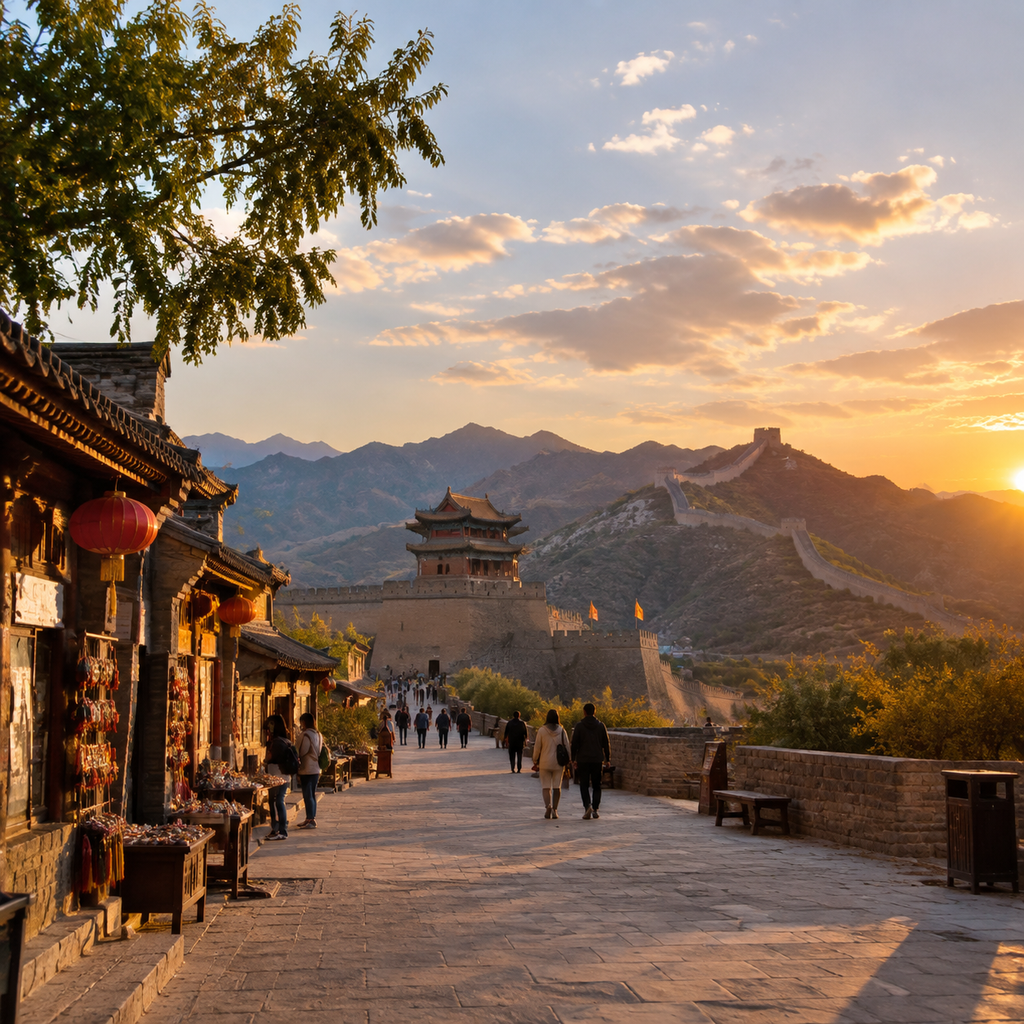
After noon, I refilled my water bottle at the visitor centre, ate a bowl of hot noodle soup, and only then took a vehicle toward the Overhanging Great Wall. No dramatically new scenery appeared beyond the window—only gravel, shallow gullies, and shrubs pressed low by wind—but after resting, my body could finally notice variations within the apparent monotony: darker soil on shaded slopes, rounder stones in a dry riverbed, and an occasional patch of farmland at the foot of the distant mountains. The driver said the afternoon wind was usually harder than the morning wind. If my steps began to feel unsteady halfway up, I should stop below a beacon tower rather than sacrifice the evening merely to say I had completed the route. I saved his advice on my phone and removed one of the three tightly scheduled stops. Distances on the Gobi could not be calculated in kilometres alone; headwinds, changes in elevation, and long stretches without shelter also had to be counted.
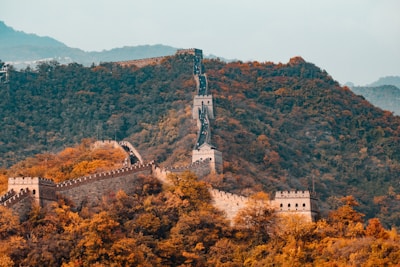
悬壁长城贴着黑山向上收紧,台阶从下面看像一条不长的折线,真正踏上去却一级比一级高。午后的风顺山沟抬升,到了转折处便从侧后方猛推,刚抬起的脚有时会落偏半个鞋掌。我不再盯着最高处,而把目标缩成眼前二十级:走完便靠内侧停一会儿,喝一小口水,检查小腿是否发紧。几位年轻人从身边快步超过,没多久又在上方弯腰喘气;而一位拄登山杖的阿姨始终保持同样的节奏,遇到阵风就把杖尖先扎稳。她说上午已经走过关城,现在只打算到能看见山口的位置。那种主动给行程划界的从容,比登顶更让我羡慕。我在第二座台旁停下时,腿还有余力,心里也第一次没有把“没走到尽头”当成遗漏。
The Overhanging Great Wall tightened against the dark mountain. From below, its steps looked like a short zigzag, but each riser seemed higher once I began climbing. Afternoon wind rose through the ravine and shoved from behind at the turns, sometimes shifting my lifted foot half a shoe-width from where I meant to place it. I stopped staring at the highest point and reduced the route to the next twenty steps: climb them, rest along the inner side, sip water, and check whether my calves were tightening. Several young visitors hurried past, only to bend over breathless at the bend above. A woman with trekking poles, by contrast, kept an unchanged rhythm and planted a pole securely whenever a gust arrived. She had already walked through the fortress that morning, she said, and intended to go only as far as the view of the pass. I admired the ease with which she set a boundary for her own journey. When I stopped beside the second tower, there was still strength in my legs, and for the first time I did not regard failing to reach the end as something missed.
下山时,风向又换了。上坡时推着后背的气流,此刻贴着石阶迎面卷来,细沙在脚踝附近打转。我把重心放低,侧身经过最陡的几段,宁愿让后面的人先走,也不抢那几分钟。回到山脚,太阳已向西偏,城墙的土色从刺眼的浅黄慢慢变成温暖的赭色。售票处旁的长椅上,有人讨论赶去第一墩看日落,我看了眼时间和剩余水量,决定放弃更远的绕行,改乘车回关城南侧。傍晚路线因此简单下来:先在九眼泉附近慢走,等光线变柔,再到能同时看见城楼与祁连山的开阔地停留,天黑前返回市区。少一个景点,反而给每一次停步留出了余地。
On the descent, the wind changed direction again. The current that had pushed my back uphill now rolled toward me along the steps, spinning fine sand around my ankles. I lowered my centre of gravity and turned slightly sideways through the steepest sections, letting others pass rather than fighting for a few minutes. By the time I reached the foot of the mountain, the sun had shifted west and the wall’s harsh pale yellow was warming toward ochre. People on a bench near the ticket office were discussing a rush to the First Beacon Tower for sunset. I checked the time and my remaining water, abandoned the farther detour, and chose a ride back toward the southern side of the fortress. My evening route became simple: walk slowly near Jiuyan Spring, wait for the light to soften, then stop on open ground where both the towers and the Qilian Mountains could be seen, returning to the city before dark. One fewer attraction created room for every pause.
傍晚六点多,白天持续不断的风终于松了一些,却没有完全停。它掠过泉边芦苇时只剩窸窣声,穿到开阔处仍会把衣领轻轻掀起。夕阳从云隙里落下来,先照亮城楼上沿,再沿夯土墙缓慢下移;远处雪山没有上午那样锋利,轮廓融进淡紫色天光。我的小腿已经发沉,但这段平路不再需要证明什么,只需在风起时停稳,在风缓时继续。回望一天的路线,真正连起关城、戈壁和悬壁长城的不是打卡顺序,而是身体一次次做出的调整:快了便放慢,渴了便补水,走偏便回头,天色将晚便缩短路程。嘉峪关的风始终没有顺从旅人,却让一天的边界变得清楚。
A little after six, the wind that had persisted all day finally loosened, though it never disappeared. Beside the spring it became a rustle through reeds; over open ground it still lifted my collar. Sunlight slipped through a break in the clouds, touched the upper edge of the tower, and travelled slowly down the rammed-earth wall. The snowy mountains were less sharply defined than in the morning, their outlines dissolving into pale violet light. My calves felt heavy, but this level stretch demanded no achievement. I only needed to stand steady when a gust rose and continue when it eased. Looking back, the fortress, the Gobi, and the Overhanging Great Wall had not been connected by a checklist, but by the body’s repeated adjustments: slow down after moving too fast, drink before thirst deepens, turn back after drifting off course, and shorten the route as evening approaches. Jiayuguan’s wind never submitted to the traveller, but it made the boundaries of the day unmistakably clear.
回城的车开出景区时,最后一线阳光正贴在关城的西墙上。白天看起来粗粝发白的夯土,此刻像被炉火从里面烘暖,墙垛投下细长的紫影,城楼的黑色檐角则一层层压在橙红天幕上。司机没有立即加速,只沿景区道路慢慢驶过。我把车窗留了一条缝,进来的风已经不再锋利,带着晒过砂石的干燥气味。后视镜里,关城先缩成一块赭色方印,随后被路边的杨树遮住。直到它完全消失,我才把一直扶在膝上的手松开,身体也像终于收到“今天不用再登高”的消息。
As the car left the scenic area, the last band of sunlight was resting against the fortress’s western wall. The rammed earth, chalky and rough in daylight, now seemed warmed from within by a furnace. Crenels cast long violet shadows, while the dark eaves of the towers pressed in layers against an orange-red sky. The driver did not accelerate at once but followed the park road slowly. I left the window slightly open. The air entering the car had lost its edge and carried the dry smell of sun-heated gravel. In the rear-view mirror, the fortress contracted into an ochre seal and then slipped behind a row of poplars. Only after it vanished did I release the hand that had rested on my knee, as if my body had finally received the message that there would be no more climbing that day.
进城前,司机在路边一家亮着白灯的小店停了几分钟。我买了温水和一杯带甜味的酸奶,坐回车里先慢慢喝水,再吃几口东西。暖气吹到小腿,绷紧的肌肉一点点松开,先前因逆风而隐隐发疼的太阳穴也安静下来。恢复并不是忽然精神百倍,而是一些微小信号依次回来:手指不再发凉,呼吸能自然落到腹部,看到路牌时愿意抬头,甚至开始留意窗外成排亮起的灯。司机问我要不要直接回住处,我说先在城里吃顿热饭。那句话出口时,我才确认体力已经从“只想躺下”恢复到还能好好度过夜晚。
Before entering the city, the driver stopped for a few minutes at a roadside shop lit by a plain white lamp. I bought warm water and a mildly sweet yoghurt. Back in the car, I drank first and then ate in small spoonfuls. Heat from the vent reached my calves, and the tightened muscles slowly released; the dull ache at my temples, left by hours of walking into the wind, also subsided. Recovery did not arrive as a sudden burst of energy. Small signs returned one after another: my fingers were no longer cold, my breath settled naturally into my abdomen, I was willing to lift my head when road signs appeared, and I began to notice the rows of lights coming on outside. The driver asked whether I wanted to go straight to my lodging. I said I would eat a hot meal in town first. Hearing myself answer, I knew my body had moved beyond “I only want to lie down” and had enough left to experience the evening properly.
车穿过迎宾路一带,戈壁的空旷逐渐被城市的尺度收拢。路灯在宽阔道路中央排成笔直的金色点线,杨树枝梢仍被余风摇动,影子一阵阵掠过车窗。远处几栋楼的轮廓灯先亮起来,蓝白色光线勾住屋顶,沿街商铺则是更低、更暖的颜色:面馆窗内泛着蒸汽,烤肉摊前的炭火偶尔腾起红星,便利店的绿色灯牌照着门口停放的电动车。这里的夜景没有用一整片耀眼光墙迎人,而是一盏灯接着一盏灯,把从荒野归来的人重新领回日常。
As we passed through the Yingbin Road area, the openness of the Gobi gradually narrowed into the scale of a city. Streetlamps formed straight golden dotted lines down the broad avenues. Poplar crowns still moved in the remaining wind, sending waves of shadow across the window. Outline lights came on around several distant buildings, tracing their roofs in blue and white, while the shops at street level gave off lower, warmer colours: steam clouded the glass of noodle restaurants, sparks occasionally rose red above the charcoal at barbecue stalls, and a green convenience-store sign shone over electric scooters parked by the door. Jiayuguan’s night did not greet me with one dazzling wall of light. Lamp by lamp, it guided a traveller returning from the wilderness back into ordinary life.
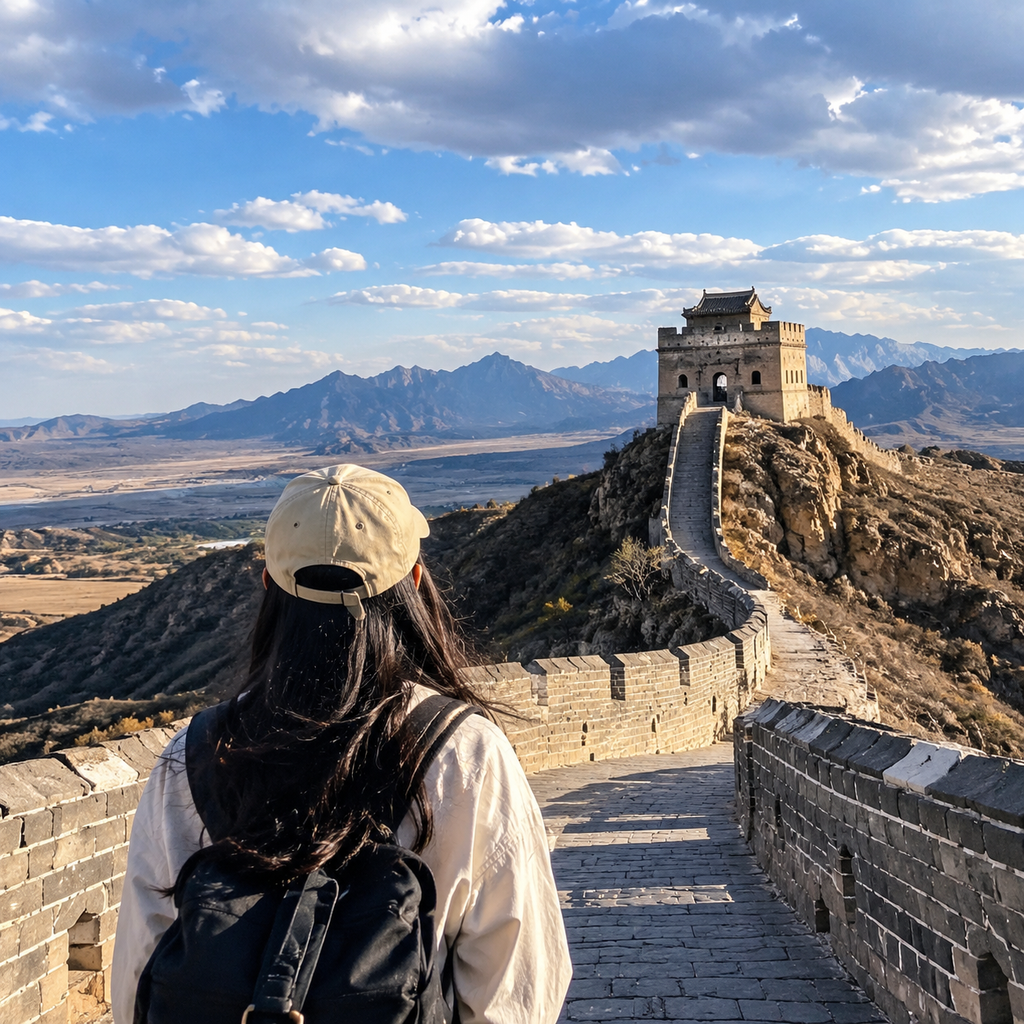
我在一条不算喧闹的街上吃晚饭。玻璃门一推开,牛肉汤和辣椒油的香气便迎上来,碗沿的热气把眼镜蒙白。坐下后我没有急着翻照片,只把两只手围在热茶杯旁。汤面端来时,青菜仍带着亮色,萝卜片沉在清汤里,筷子挑起面条,热气一口一口把胃里的空荡填实。邻桌几名下班的人说着当地方言,墙上电视播着天气预报,门帘每被推开一次,街上的凉风和烤肉香就一起钻进来。吃到半碗时,我的背终于不再僵直;走出店门时,脚步虽慢,却已经稳了。
I ate dinner on a street that was lively without being loud. When I pushed open the glass door, the scents of beef broth and chilli oil met me, and steam from the bowls clouded my glasses. I did not immediately review my photographs after sitting down. Instead, I wrapped both hands around a cup of hot tea. The noodles arrived with bright greens and slices of radish beneath the clear broth. Each mouthful of heat filled the hollow feeling in my stomach. Several people finishing work spoke in the local dialect at the next table; a television on the wall carried the weather forecast. Whenever the door curtain lifted, cool street air entered together with the smell of grilled meat. Halfway through the bowl, my back finally stopped holding itself rigid. When I stepped outside, my pace was still slow, but it was steady.
饭后我没有打车,而是沿明珠东路附近走了一小段。道路湿润处映着红绿信号灯,公交车经过时,车窗像一格格移动的暖黄灯箱;骑车的人在路口停成一排,外卖员低头确认地址,头盔反光条一闪便融进下一条街。路旁小广场上,孩子追着一只发光的塑料飞盘跑,老人把手揣在袖口里聊天,音箱播放的舞曲被风吹散,却总能从下一拍重新聚拢。白天的关城靠墙和门洞组织脚步,夜里的新城则用斑马线、站台与店铺门口接住人流,两种秩序并不相像,却都让我知道该在哪里停、从哪里继续。
After dinner, I chose not to take a taxi and walked for a while near Mingzhu East Road. Damp patches of pavement reflected red and green traffic lights. As buses passed, their windows looked like rows of moving amber light boxes. Cyclists gathered at junctions; delivery riders checked addresses, and reflective strips on their helmets flashed before dissolving into the next street. In a small roadside square, children chased a glowing plastic disc while older residents chatted with their hands tucked into their sleeves. Wind scattered the dance music from a speaker, yet the rhythm always gathered itself again on the next beat. The daytime fortress organised movement through walls and gateways; the modern city at night received people with crossings, bus stops, and shop entrances. The two kinds of order looked nothing alike, but both told me where to pause and where to continue.
再往西看,城市灯光上方仍留着一块很深的蓝。没有高楼完全遮住天际,远处的黑山只是更黑的一道起伏,几颗星从薄云边缘露出来。路口悬挂的红灯笼随风轻晃,灯面一明一暗;商场外墙的冷白灯、餐馆招牌的橙红光和车尾灯在地面叠出三种颜色。最让我记住的却是路边树干上细小的串灯,它们没有照亮整棵树,只把枝杈勾成零碎的金线。风吹来,线条似乎也跟着颤动。远离关城后,风并未退出这座城市,它只是从推搡人的力量,变成了让灯影保持流动的手。
Looking west, I could still see a wide field of deep blue above the city lights. No high-rise completely blocked the horizon. The distant Black Mountains formed a darker undulation, and several stars appeared along the edge of thin cloud. Red lanterns hanging at an intersection swayed in the wind, brightening and dimming as they turned. Cool white light from a shopping centre, orange-red restaurant signs, and car tail lamps laid three separate colours across the pavement. What stayed with me most, however, were the tiny strings of lights wrapped around roadside trees. They did not illuminate whole trunks; they only drew broken golden lines along the branches. When the wind came, the lines seemed to tremble. The wind had not withdrawn from Jiayuguan after I left the fortress. It had merely changed from a force that shoved the body into a hand that kept the lights in motion.
回到住处前,我在十字路口等了一次很长的绿灯。白天被风吹得只顾低头时,我以为体力恢复意味着还能多走几个地方;站在这里才明白,它更像重新拥有观察的耐心。我看见清扫车喷出的水雾在灯下短暂发银,看见末班公交停稳后司机等一位老人坐好才起步,也看见远处楼顶的灯光熄掉一圈,让夜色重新露出来。绿灯亮起,我随人群慢慢过街,没有再打开导航。身后的烤肉烟向东飘,前方酒店门廊落下一方安静的暖光。我走进去时,关城的风声还留在耳边,但脚下已经是城市夜晚平整、可靠的地面。
Before reaching my lodging, I waited through one long red light at a crossroads. During the day, when the wind had kept my head lowered, I thought recovering strength meant becoming able to visit more places. Standing there, I realised it meant recovering the patience to notice things. I saw mist from a street-cleaning vehicle turn briefly silver under a lamp, watched a late bus driver wait until an elderly passenger was seated before moving, and noticed a ring of rooftop lights switch off in the distance, allowing darkness to return to the sky. When the signal changed, I crossed slowly with the crowd and did not reopen the map. Barbecue smoke drifted east behind me; ahead, the hotel entrance cast a quiet square of warm light. The fortress wind was still sounding in my ears when I stepped inside, but beneath my feet was the level, dependable ground of Jiayuguan at night.
进门后我没有立刻拉严窗帘。房间在较高楼层,窗下的新华南路仍有稀疏车流,红色尾灯沿路口拐弯,像被风吹散后又接续起来的细线。更远处看不见关城本身,只能辨出西面低伏的暗影;城市上空没有厚重光晕,深蓝天色一直压到地平线附近。十点过后,沿街招牌陆续熄灭,广场舞的音乐也停了,只剩偶尔经过的出租车、楼下卷帘门合拢的金属声,以及风擦过窗框的一声轻响。我把相机电池插上充电器,把沾着细沙的鞋放在门边,却没有再整理照片。嘉峪关这一夜最完整的画面,不在取景框里,而是窗玻璃同时映出的台灯、街灯和我终于松下来的肩膀。
Once inside, I did not close the curtains immediately. From the upper floor, sparse traffic was still moving along Xinhua South Road below. Red tail lights turned at the junction, forming thin lines that broke apart in the wind and joined again. The fortress itself was no longer visible; only a low dark shape could be distinguished to the west. With no heavy halo above the city, the deep-blue sky reached almost to the horizon. After ten, shop signs went out one by one and the square-dancing music stopped. What remained were an occasional taxi, the metallic crash of a roller shutter closing downstairs, and a soft scrape of wind against the window frame. I plugged in the camera battery and left my sand-dusted shoes beside the door, but did not sort the photographs. The most complete image of Jiayuguan that night was not in the viewfinder. It was in the window glass, where the desk lamp, streetlights, and my finally relaxed shoulders appeared together.
摊开第二天的地图时,三个去处挤在屏幕上:第一墩、魏晋墓和再回关城补拍晨光。若按距离硬塞,早起后都能碰一下,但第一墩往返受车程牵制,墓室参观需要安静和耐心,重返关城又会把今天已经走透的路线重复一遍。天气预报显示午前仍有大风,我便删掉“补拍”这一项,把上午只留给魏晋墓,午后回市区取行李;第一墩则留给下一次能专门沿讨赖河峡谷安排的行程。这个决定并不浪漫,却很具体:腿需要恢复,镜头里已有足够的城墙,而墓砖画里的宴饮、耕作与出行,会给这趟边塞之旅补上普通人的生活。与其收集三个匆忙的入口,不如完整走进一个此前尚未理解的空间。
When I opened the map for the following day, three possibilities crowded the screen: the First Beacon Tower, the Wei-Jin tombs, and a return to the fortress for morning photographs. It was technically possible to touch all three with an early start, but the beacon tower required a substantial drive, the tombs deserved quiet attention, and another fortress visit would repeat ground I had already explored thoroughly. The forecast still showed strong wind before noon, so I deleted the “retake” from the plan, reserved the morning for the Wei-Jin tombs, and left the afternoon for returning to town and collecting my luggage. The First Beacon Tower would wait for a future journey built properly around the Taolai River gorge. The choice was not romantic, but it was concrete: my legs needed recovery, I already had enough walls in my camera, and the tomb paintings of meals, farming, and travel could add ordinary human life to this frontier journey. Rather than collect three hurried entrances, I would enter one unfamiliar space completely.
第二天清晨,我被窗外公交报站声叫醒。夜里摇晃的树影已经停住,晨光把楼顶照成干净的灰白色,只有旗面仍绷得很直。我下楼买豆浆时,店员听说我要去魏晋墓,提醒我先确认返程车辆,不要在空旷路边临时等车。我把预约时间和司机电话重新核对一遍,删掉收藏夹里最后一个“顺路景点”,然后坐到靠窗的小桌旁。热豆浆表面结起薄薄一层豆皮,窗外上班的人裹紧外套穿过路口。昨夜那些灯已经熄了,城市恢复了朴素的轮廓;而我的第二天,也因为明确舍弃了什么,终于有了可以从容完成的形状。
The next morning, a bus-stop announcement outside woke me. The tree shadows that had shaken through the night were still, and the early light rendered the rooftops a clean grey-white, although flags remained stretched taut in the wind. When I went downstairs for hot soy milk, the shop assistant heard that I was heading to the Wei-Jin tombs and advised me to confirm my return vehicle rather than wait beside an exposed road. I checked the booking time and the driver’s number again, removed the final “nearby attraction” from my saved list, and sat at a small table by the window. A delicate skin formed across the soy milk as commuters crossed the junction with their coats pulled tight. The lights of the previous night were gone, and the city had returned to plain outlines. My second day, too, had acquired a shape I could complete calmly because I had decided exactly what to leave out.
- 盐业历史博物馆的楼梯声,把自贡的地下记忆带到了地面 | The Sound of Wooden Stairs Brought Zigong’s Underground Memory to the Surface
- 五月黄山脚下的一场雨,让本人第一次明白赶景点不如先安顿情绪 | A Rainy May Day at the Foot of Huangshan Taught Me to Settle My Mood Before Chasing Views
- 从贵阳到荔波的慢线 | The Slow Line from Guiyang to Libo
- 中国西部丝绸之路探险 | Silk Road Adventures in Western China
- 中国街头小吃十选:从北到南,一路吃过去 | Ten Chinese Street Snacks: Eating Your Way from North to South
- 江南水乡7日慢行:苏州杭州乌镇 | 7-Day Jiangnan Water Towns: Suzhou, Hangzhou & Wuzhen
- 支付失败怎么办:来华游客应急指南 | Payment Failed? A Visitor's Emergency Guide
- 川藏线进藏路线拆解与海拔应对 | Sichuan-Tibet Highway: Route Breakdown & Altitude Tips
- 我在中国学会求助,不是因为无助,而是因为这里的回应速度太真诚 | I Learned to Ask for Help in China Not Because I Was Helpless, but Because People Responded So Honestly
- 热海蒸汽打湿车票后,我把腾冲行程缩短了 | Steam at Rehai Wet My Ticket and Made Me Shorten the Tengchong Plan
Comments (0)