
热海蒸汽打湿车票后,我把腾冲行程缩短了 | Steam at Rehai Wet My Ticket and Made Me Shorten the Tengchong Plan
热海蒸汽打湿车票后,我把腾冲行程缩短了 | Steam at Rehai Wet My Ticket and Made Me Shorten the Tengchong Plan
我是在一场不算大的雨后走进腾冲热海的。那天上午,山路边的树叶还挂着水,鞋底踩过景区入口附近的石板时,会带起很轻的沙沙声。我把一张准备带回家的长途车票夹在外套口袋里,手里只拿着手机和一瓶水,想着先沿着步道慢慢走,再把下午留给别的地方。同行的人走在我前面几步,回头提醒我别只顾着看冒气的地面。我当时笑了一下,觉得这只是一个普通的提醒,没想到那张车票很快会改变我当天的安排。
I entered Tengchong Rehai after a modest rain. Water still clung to the leaves, and my shoes made a faint dry-rustle sound on the stone paving near the entrance. A long-distance bus ticket I wanted to keep was tucked into my jacket pocket; I carried only my phone and a bottle of water. I expected to stroll along the paths first and leave the afternoon for somewhere else. My companion, a few steps ahead, turned around and reminded me not to watch only the steaming ground. I laughed, treating it as an ordinary reminder, without knowing that the ticket would soon change the shape of my day.
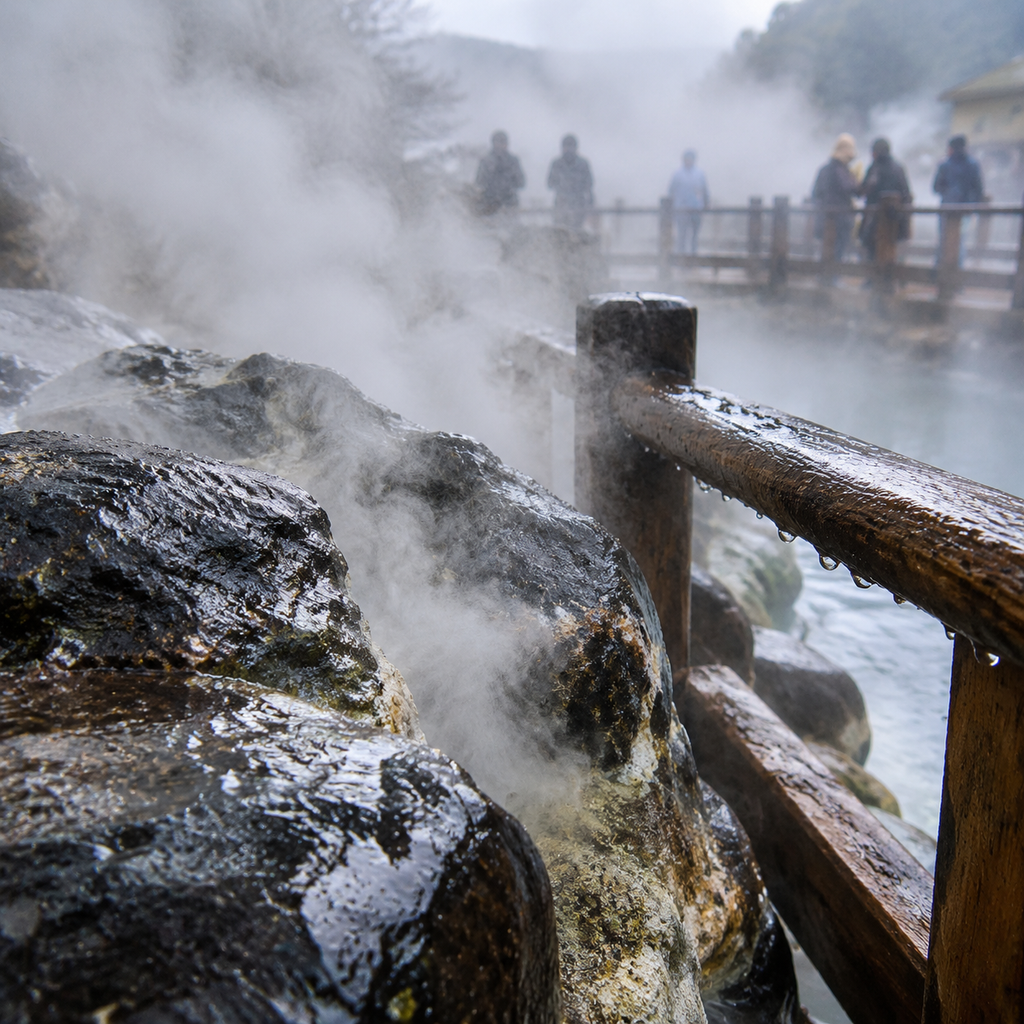
热海的蒸汽不是一片均匀的白雾,它从岩缝、池边和坡下的缝隙里一股一股地冒出来,有的贴着地面缓慢滑动,有的在风里散开,只留下潮湿的空气。走近以后,我先感到的是皮肤上细小的水珠,随后才看清木栏、警示牌和被水汽染得发亮的石头。蒸汽让远处的声音变得有点闷,游客说话要比平时更靠近一些才能听见。这里的美并不要求人一直向前冲,反而逼着我把步子放小,先辨认脚下哪里干燥,哪里可能滑,再决定下一步往哪边落。
The steam at Rehai was not one even white cloud. It rose in separate breaths from cracks in the rock, beside pools, and from openings lower on the slope. Some drifted slowly along the ground; some dissolved in the breeze, leaving only damp air. I first noticed tiny droplets on my skin, then the wooden rails, warning signs, and glossy stones made bright by moisture. Steam softened distant voices, so visitors had to stand closer to hear each other. The landscape did not invite me to hurry. It made me shorten my stride, identify the dry and potentially slippery patches, and choose where to place my next foot.
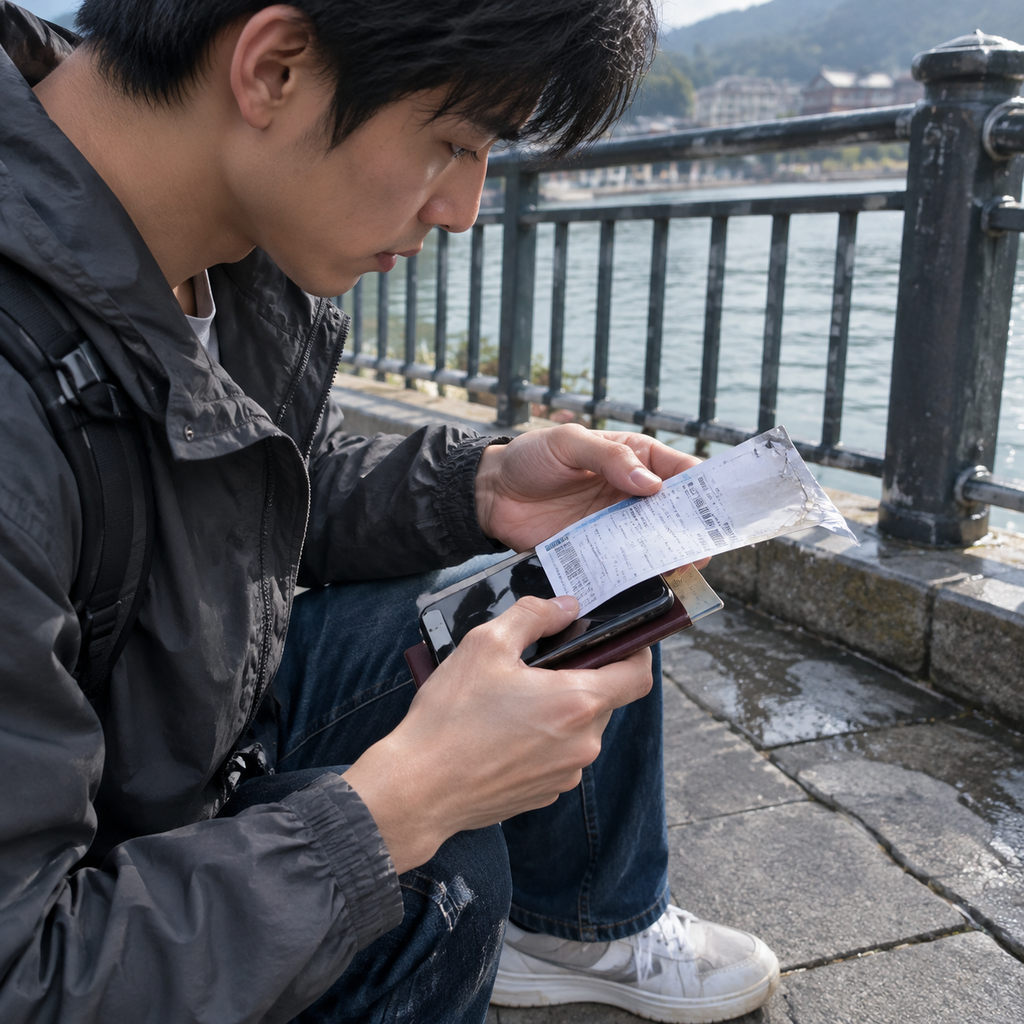
我原本把车票和一张纸巾放在口袋的同一层,手伸进去时,纸巾已经有些潮。我以为那只是雨水从袖口蹭进去,直到走到一处蒸汽更密的路段,才感觉口袋外侧突然变暖。那种暖不是烫手,而是隔着布料慢慢传过来的湿热。我赶紧把车票抽出来,票面一角已经被打湿,墨迹没有完全散开,却出现了皱褶,边缘也软了。事情小得让人不好意思抱怨,可它确实提醒我:在这样的地方,贴身口袋并不等于干燥保险箱。
I had kept the ticket and a tissue in the same pocket. When I reached in, the tissue was already slightly damp. I assumed rain had slipped in from my sleeve until I entered a denser patch of steam and felt warmth suddenly spread through the outside of the pocket. It was not hot enough to burn, just a slow, humid warmth through the fabric. I pulled out the ticket and found one corner wet. The ink had not run completely, but the paper was creased and soft at the edge. It was too minor to complain about, yet it reminded me that a close-to-the-body pocket is not automatically a dry one in a steaming landscape.
我站在栏杆旁边把票摊开,想用手机壳夹住它晾一晾。这个动作本身很笨拙,因为风把票面吹得轻轻翻动,我又不敢把手伸过栏杆去追。旁边一位游客看到后,指了指入口方向的服务点,又指指我的口袋,意思是让我先收好,别在湿滑路边忙着抢一张纸。我顺着他的手势看过去,才发现自己为了保住票,肩膀已经探出了安全线,脚也停在一块泛着水光的石板上。那一刻我先把脚收回干燥处,再把票夹进手机和证件之间。
I unfolded the ticket beside the rail and tried to dry it by holding it under the edge of my phone case. The attempt was awkward. Wind kept lifting the paper, and I did not dare reach over the rail to chase it. A nearby visitor pointed toward the service station and then toward my pocket, suggesting that I put the ticket away instead of trying to rescue it beside a wet path. Following his gesture, I realized that I had leaned past the safe line, with one foot on a stone shining with water, all for the sake of a small piece of paper. I drew my foot back onto a dry patch first, then tucked the ticket between my phone and identification.
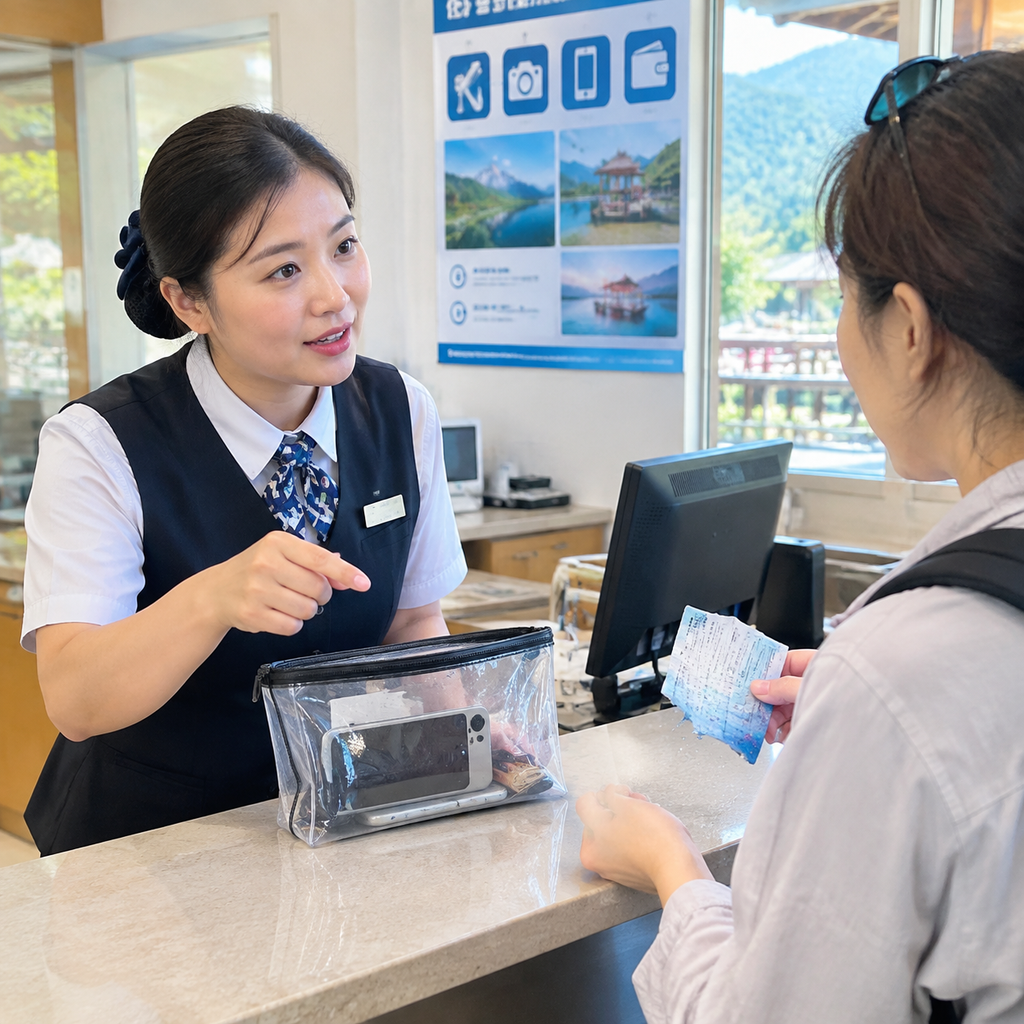
我走到服务点询问有没有可以保护纸票的透明袋。工作人员先看了一眼票面,又看了看我站的位置,提醒我离池边远一点再整理物品。他没有把蒸汽说成什么神奇东西,只是告诉我这里的水汽会让纸张、镜片和衣服很快变潮,贵重物品最好放进有拉链的袋子里。服务点能提供的帮助是很实际的:让我在相对干爽的地方把票压平,告诉我前方哪一段台阶湿气更重,也提醒我如果觉得闷热或脚下不稳,就在休息处停一停。我把这些话听进去,开始重新检查自己的行走路线。
At the service station, I asked whether there was a clear sleeve that could protect a paper ticket. The staff member looked at the ticket, then at where I was standing, and first reminded me to move farther from the pool before sorting my belongings. He did not describe the steam as anything magical. He simply explained that moisture could quickly affect paper, glasses, and clothing, so valuables were better kept in a zipped bag. The help was practical: he let me flatten the ticket in a drier place, pointed out which steps ahead held more moisture, and told me to pause at a rest area if I felt uncomfortable or unsteady. I listened and began to reconsider my route.
从服务点离开后,我没有立刻继续往最热闹的地方走,而是先观察一小段步道。栏杆内侧的石面颜色深浅不一,深色位置通常更湿;台阶边缘有水珠,鞋底落下去时摩擦感会突然变弱。人群也不是均匀移动的,有人停在观景处拍照,有人从蒸汽后面快步穿过,还有人把雨伞横在身前,差点挡住后面游客的视线。我开始用一种很慢的节奏走:先看三步以内的落脚点,再看前方是否有人停下,经过狭窄处时把手机收进包里。这样做不浪漫,却让我能把注意力留在真实的路面上。
After leaving the service station, I did not immediately head toward the busiest point. I watched one section of the path first. The stones inside the rail varied in color, and the darker patches were generally wetter. Droplets gathered at the edges of the steps, and traction suddenly weakened when a shoe landed there. People did not move evenly either: some stopped to take photographs, some hurried through the steam, and some held umbrellas across their bodies, nearly blocking the view of those behind them. I adopted a slower rhythm: I checked the next three places for my feet, watched for people stopping ahead, and put my phone away in narrow sections. It was not romantic, but it kept my attention on the actual ground.
热海的气味也随着步道变化。靠近水汽集中处时,空气里有潮石头、湿木头和植物叶面的味道,走开几步,味道就淡下去,耳边反而能听见鞋底摩擦台阶的声音。有人在栏杆外压低声音说这里比自己想象中更“有力量”,他的同伴马上提醒他不要靠太近。我没有加入他们的讨论,只是注意到大家其实都在做同一件事:先满足好奇,再给身体留出退开的空间。蒸汽看起来柔软,地面却可能湿,水边也不该因为景色好看就忽略距离。
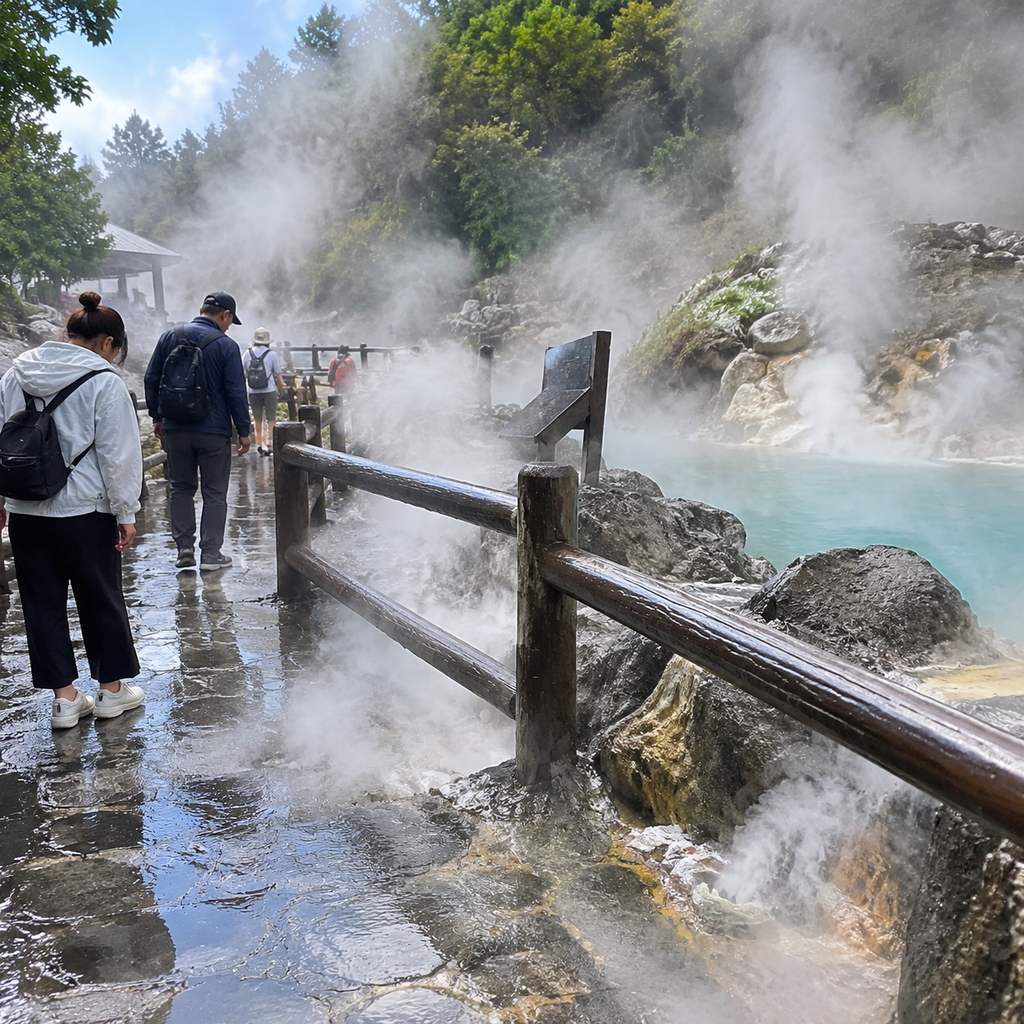
The smell changed as the path changed. Near the concentrated steam, I noticed damp stone, wet wood, and leaves carrying moisture. A few steps away, the scent faded, and I could hear the scrape of shoes against the steps. Someone quietly said that the place felt more powerful than expected, while a companion immediately reminded him not to lean too close. I did not join their conversation, but I noticed that everyone was doing something similar: satisfying curiosity first, while leaving the body room to step back. Steam looked soft, yet the ground could be wet, and a beautiful view was not a reason to ignore distance from the water.
我把车票交给同行的人暂时夹在他的干燥文件袋里,自己只保留手机和水。这个小小的分工让我有些惭愧,因为出门前我一直觉得自己的准备已经够简单,实际上却把最怕受潮的东西放在了最不合适的地方。同行的人没有取笑我,只说下一次遇到雨和蒸汽叠在一起,纸质票、护照复印件和纸巾应该分开装。我们还用手机拍下了票面的状态,免得后面真的看不清信息时手里没有记录。旅行里的协作常常不是谁更会安排,而是谁发现问题后愿意马上调整。
I handed the ticket to my companion, who placed it inside a dry document sleeve, while I kept only my phone and water. The small division of responsibility made me a little embarrassed. Before leaving, I had considered my packing simple and sensible, but I had put the item most vulnerable to moisture in the wrong place. My companion did not make fun of me. They only said that when rain and steam overlap, paper tickets, passport copies, and tissues should be separated. We also photographed the ticket in case its information later became difficult to read. Travel cooperation is often less about who planned best than about whether someone adjusts promptly after noticing a problem.
我原计划把热海的步道走得更完整,再去附近找一个地方吃午饭,下午继续赶往下一个点。可是车票湿过以后,我的注意力已经发生了变化。原先我只想把沿途的池子和蒸汽都看一遍,后来我开始计算自己的状态:外套内层有点潮,鞋底沾了湿泥,手机镜头边缘起了一层薄雾,走快时呼吸也比刚进来时急。每一项都不严重,放在一起却说明我不适合再用“既然来了就全部走完”的想法逼自己。我的行程表可以少一个地点,身体和车票却没有必要拿来冒险。
I had planned to complete more of the Rehai paths, find lunch nearby, and continue to another stop in the afternoon. After the ticket became wet, my attention changed. At first I wanted to see every pool and stream of steam. Then I began checking my condition: the inside of my jacket felt damp, wet soil clung to my shoes, a thin mist had appeared around the phone camera, and my breathing grew quicker when I walked fast. None of these signs was serious alone, but together they told me that I should not force myself to finish everything simply because I had arrived. One place could be removed from the schedule; my body and ticket did not need to be tested.
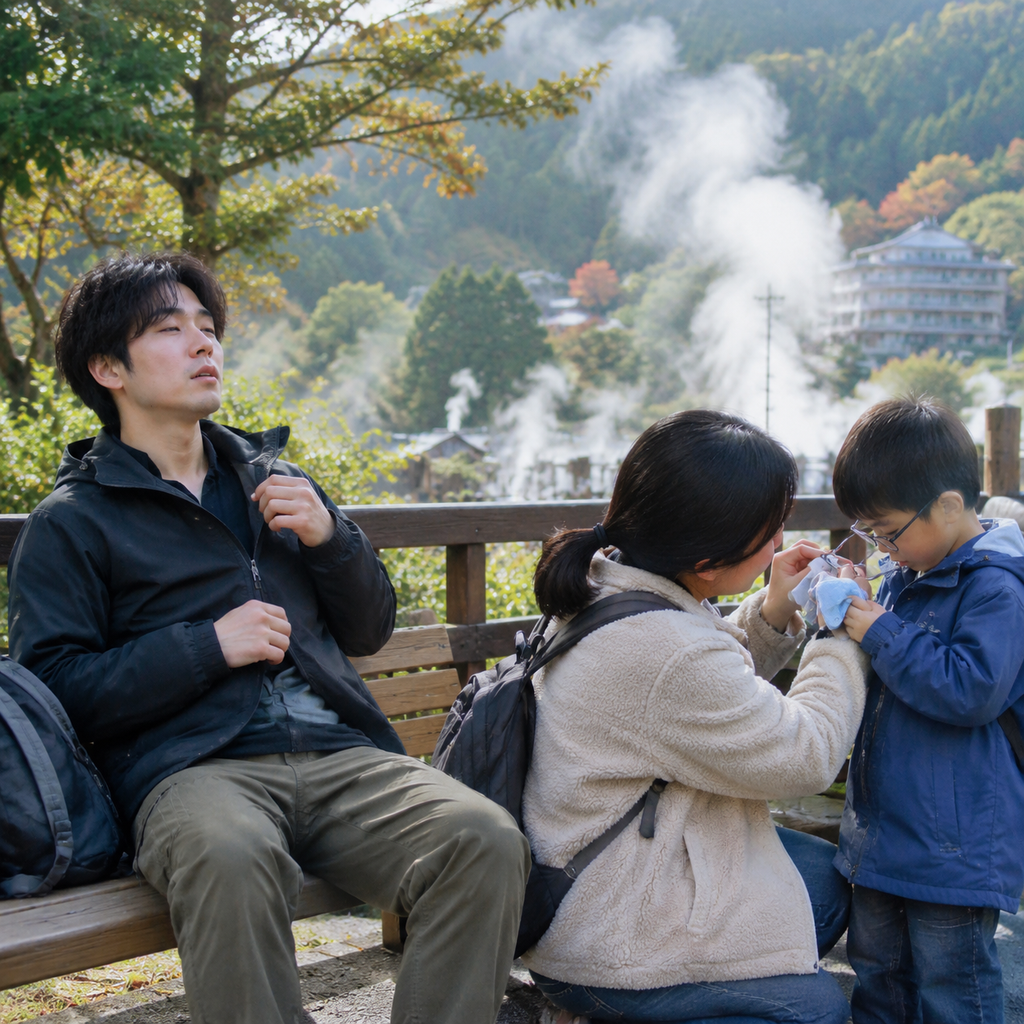
我在一处休息点坐下来,把外套拉链打开一点,让潮气慢慢散掉。长椅表面并不干,我先用纸巾擦了擦,又确认纸巾没有继续湿透才坐下。旁边一位带着孩子的游客正在给孩子擦眼镜,孩子嫌镜片模糊,反复问为什么雾气总跟着他们。大人没有讲复杂的解释,只让他站到通风处,看清台阶后再走。孩子很快不再抱怨,拿着自己的小毛巾认真擦镜片。这个画面让我想到,景区里最重要的照顾往往不是把所有地方都打卡,而是让每个人都能清楚看见下一步。
At a rest point, I opened my jacket slightly and let the dampness escape. The bench was not dry, so I wiped it first and checked that the tissue was not becoming soaked before sitting down. Beside me, a visitor with a child was cleaning the child’s glasses. The child complained that the lenses were blurry and repeatedly asked why the mist kept following them. The adult offered no complicated explanation; they simply moved the child to a more ventilated place and asked him to see the steps clearly before walking. The child soon stopped complaining and carefully wiped the lenses with a small cloth. It reminded me that care in a scenic area often means making sure everyone can see the next step, not checking every possible viewpoint.
休息时我开始听见自己真正想吃的东西不是一顿正式的大餐,而是一碗热米线或一份清淡的小吃。腾冲的饮食给我的印象很具体:米线端上来时,汤面的热气会把眼镜再次熏得发白,配料的颜色却从雾后慢慢显出来;腌菜、葱花和辣椒可以按自己的接受程度添加,不能因为同行人吃得辣就跟着多放。那天我选择先吃几口原味,再加一点酸味和辣味,旁边桌的人看到我的动作,笑着示意我把调料留到后面。这个顺序让我更能分辨汤、米线和配菜的味道,也避免在身体已经闷热时突然吃得太刺激。
During the break, I realized that I wanted neither a formal feast nor a complicated meal. I wanted a bowl of hot rice noodles or a light snack. Tengchong food came across to me through specific details: when rice noodles arrived, the rising heat fogged my glasses again, while the colors of the ingredients gradually appeared behind the haze. Pickled vegetables, scallions, and chili could be added according to one’s tolerance, and I did not need to match the spice level of the person beside me. I first tasted the noodles plain, then added a little sourness and heat. Someone at the next table smiled and gestured that the seasonings could wait. That order helped me distinguish the broth, noodles, and toppings without making an already warm body feel overwhelmed.
吃饭的人来自不同地方,桌边的交流也很自然。有位游客问我是不是第一次到腾冲,我说是,并指了指手机里刚拍的蒸汽照片。他没有给我一串夸张的推荐,只说自己更喜欢留意路面和风向,因为水汽重的时候,镜头、眼镜和纸张都容易受影响。另一位游客补充说,走累了就找有座位的地方,不要把“看完全部”当成任务。我们没有交换姓名,也没有约着继续同行,但这几句短话恰好把我的注意力从景观数量带回到现场条件。旅行者之间有时只需分享一个实用判断,彼此就能少走一点弯路。
The diners came from different places, and conversation began easily. One visitor asked whether it was my first time in Tengchong. I said yes and showed a steam photograph on my phone. He did not give me an exaggerated list of recommendations. He said he preferred watching the path and the direction of the air, because heavy moisture could affect lenses, glasses, and paper. Another visitor added that when a person grew tired, it was better to find a seat than to treat seeing everything as a task. We did not exchange names or arrange to travel together, yet those few practical sentences moved my attention from the number of sights back to the conditions around me. Travelers sometimes need to share only one useful judgment to save each other a needless detour.
饭后我没有马上站起来赶路,而是等喉咙和呼吸都舒服一些,再去看车票。票面已经比刚才平整,湿角留下了明显的波纹,但关键信息还能辨认。我把票重新放进文件袋,并在手机备忘录里写下出发时间和车站名称。这样做不是为了把旅行变成一串检查项目,而是因为湿掉的纸会继续变形,临到乘车前才发现看不清就太迟了。同行的人也把车票信息拍照留存,我们确认各自手机都有记录后,才决定不再绕去更远的路线。
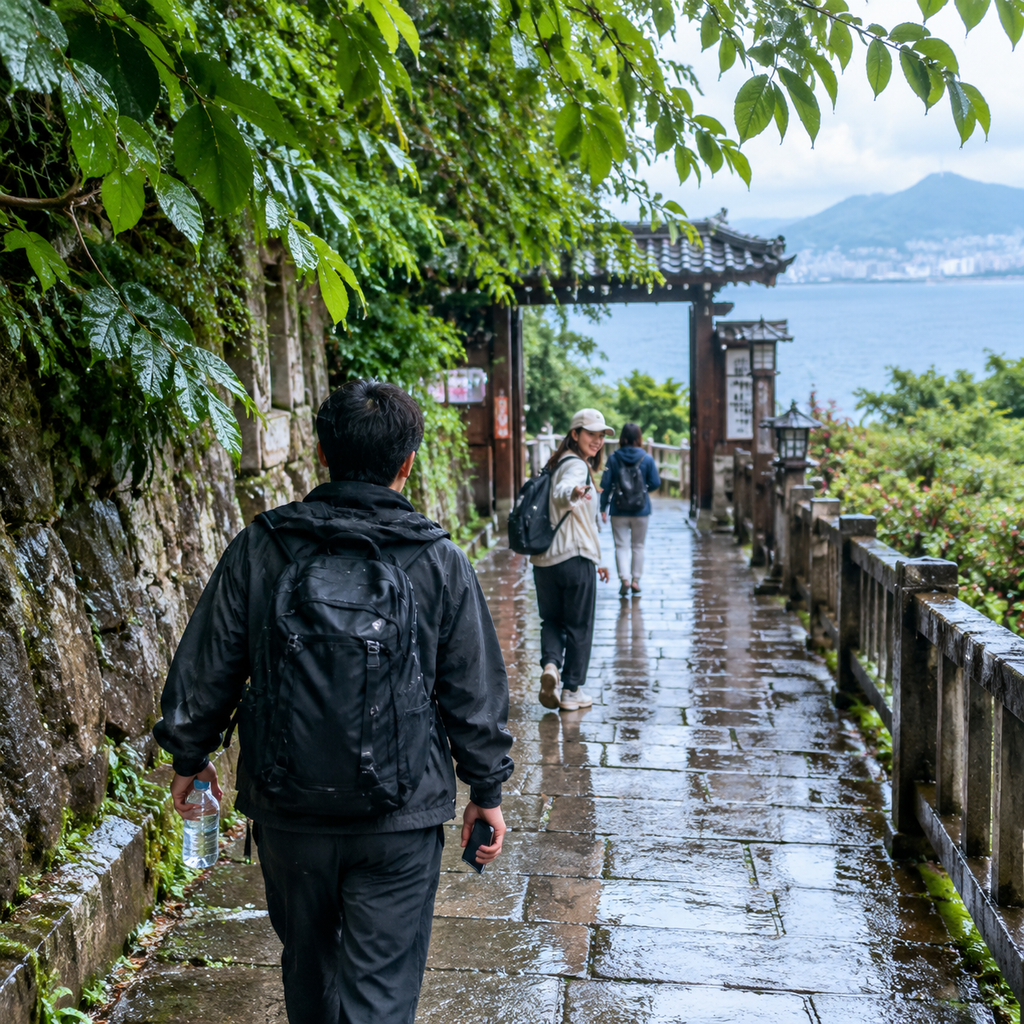
After eating, I did not stand up and rush away. I waited until my throat and breathing felt comfortable, then checked the ticket. It had flattened somewhat, though the wet corner still carried clear ripples and the important information remained readable. I placed it back in the document sleeve and wrote the departure time and station name in my phone notes. This was not an attempt to turn the trip into a checklist. Damp paper could keep changing shape, and discovering an unreadable ticket just before departure would be too late. My companion photographed the ticket information as well. Once both phones held a record, we agreed not to take a longer detour.
决定缩短行程并没有立刻带来轻松感。离开热海之前,我还是站在一处视野较开的地方看了很久。蒸汽在坡面上缓慢升起,阳光从云缝里落下来,白色水汽一会儿亮,一会儿灰,栏杆上的水珠像一排没有擦干的玻璃珠。有人为了拍照往前挪了一步,工作人员立即用手势让他退回栏杆外侧。那不是吓唬人的提醒,而是对距离的重复确认。我后来也学着把手机举到安全位置,宁愿少拍一张,也不让取景动作牵着脚步往危险处走。
Choosing a shorter itinerary did not make me feel relieved immediately. Before leaving Rehai, I still stood at a more open viewpoint for a long while. Steam climbed the slope slowly. Sunlight fell through a break in the clouds, making the white vapor alternately bright and gray. Droplets on the rail looked like a row of unwiped glass beads. A visitor stepped forward for a photograph, and a staff member immediately gestured for him to return behind the rail. It was not a frightening warning, only a repeated confirmation of distance. I began to hold my own phone from a safer position, willing to take one fewer photograph rather than let framing pull my feet toward danger.
我还重新走了一小段已经走过的路,因为我想确认自己不是被一时的狼狈吓退。回头看时,步道的节奏和来时完全不同:来时我把蒸汽当作目的,回头时我看到它怎样改变能见度、怎样把石板变暗、怎样让人群在池边自然放慢。一个背包客在前面停下来系鞋带,后面的人没有催促,只从旁边留出的空位绕开;一个孩子伸手想摸栏杆上的水珠,被家长轻轻拉回。很多安全做法不是写在纸上的规定,而是人们在现场一遍遍演示给彼此看的动作。
I walked back over a short section of the path because I wanted to know whether I was retreating only because of temporary embarrassment. The route looked different on the return. At first I had treated the steam as the destination; now I noticed how it changed visibility, darkened the stones, and naturally slowed people near the pools. A backpacker stopped to tie a shoe, and those behind did not complain; they went around through the space left beside him. A child reached toward droplets on the rail, and a parent gently drew him back. Many safe habits are not written as dramatic rules. They are actions that visitors repeatedly demonstrate to one another on site.
在出口附近,我向工作人员再次确认当天是否还需要注意什么。他先问我车票有没有收好,我把文件袋给他看,他点点头,然后指向我鞋边沾着的泥,提醒我离开后先找地方把鞋底清理一下,避免在后面的光滑地面上打滑。他还建议我如果下午继续活动,就把节奏放慢,多喝水,觉得不舒服时及时休息。我特意记住了他的表达方式:没有承诺任何温泉或蒸汽能带来医疗上的作用,也没有把普通的疲劳说成严重问题,只围绕湿度、脚下、衣物和人的状态给出提醒。这样的信息边界让我觉得可靠。
Near the exit, I asked the staff member whether there was anything else I should watch for that day. He first asked whether the ticket was secured. I showed him the document sleeve, and he nodded. Then he pointed to mud on the edge of my shoe and suggested that I clean the sole before walking on smoother surfaces outside. He also advised me to slow down, drink water, and rest promptly if I continued elsewhere in the afternoon. I remembered the boundaries in his advice. He did not promise any medical effect from the hot water or steam, and he did not turn ordinary tiredness into a serious diagnosis. He stayed with humidity, footing, clothing, and how a person felt. That made the information trustworthy.
出景区以后,空气仍然带着一点湿意,但没有池边那么浓,街道上的声音也重新清楚起来。小店门口有人把刚洗过的碗倒扣在架子上,摩托车经过时带起一阵短促的风,远处传来招呼客人的声音。我在路边找了一个能坐下的地方,把鞋底的泥擦掉,再把外套搭在椅背上。同行的人问我要不要按原计划继续,我摇头说今天就到这里,找一处安静的地方吃点东西、休息,然后提前去车站附近。这个决定听起来像放弃,实际却让我不用一路盯着时间,也不用担心那张软皱的车票再次接触湿气。
After leaving the scenic area, the air still held some moisture, but nothing like the concentration beside the pools. Street sounds became clear again. Outside a small shop, freshly washed bowls were upside down on a rack. A motorcycle passed with a brief gust, and someone called to customers in the distance. I found a place to sit, wiped mud from my soles, and draped my jacket over the back of the chair. My companion asked whether I wanted to follow the original plan. I shook my head and said that for today we should stop here, eat something quietly, rest, and go toward the station earlier. It sounded like giving something up, but it meant I no longer had to watch the clock constantly or worry about the soft, wrinkled ticket meeting more moisture.
我们后来吃的是一份不复杂的当地饭菜,桌面有细细的木纹,碗边还留着洗过后的水痕。店里没有大声播放音乐,后厨传来锅铲碰到锅沿的声音,间或有人推门进来,带进街上的湿空气。我没有急着拍照,也没有把菜名全部记下来,只在入口处先问清楚口味,再按自己当时的状态点少一点。旅行中的饮食选择有时和“必吃清单”关系不大,它更像一场现场判断:人是否饿,胃口是否稳定,饭后还要不要走路,天气会不会让人更容易疲惫。那顿饭让我慢慢找回了身体的节奏。
Later we ate a simple local meal at a shop with fine wood grain on the table and faint washing marks around the bowls. No loud music played. From the kitchen came the sound of a spatula touching the rim of a wok, and each opening door brought in a trace of damp street air. I did not rush to photograph everything or memorize every dish name. I asked about the flavor first, then ordered a smaller amount suited to how I felt. Food choices on a trip are not always about completing a must-eat list. They can be a live judgment involving hunger, a settled stomach, the amount of walking still ahead, and whether the weather may increase fatigue. That meal gradually returned my body to its own rhythm.
休息的时候,同行的人把车票从文件袋里拿出来让它透气,但没有把它放到店里的热源旁边。我们都知道纸张遇到过高温和潮气时可能继续变形,所以只是让它平放在干燥的桌角,隔一会儿看一眼。店里一位年长的客人注意到那张皱票,问是不是被雨淋了。我说是蒸汽打湿的,他听完笑着点点头,说这种地方看景时也要看自己手里的小东西。那句话不是完整的格言,却很贴近当天发生的事:旅行的大麻烦有时不是突发事件,而是一个被忽视的小细节慢慢累积出来的焦虑。
During the break, my companion took the ticket out of the sleeve so it could breathe, but did not place it beside a heat source in the shop. We both knew that paper exposed to too much heat and moisture could warp further, so we left it flat on a dry corner of the table and checked it from time to time. An older customer noticed the creased ticket and asked whether rain had soaked it. I said steam had done it. He smiled and remarked that in a place like this, visitors should watch the small things in their hands as well as the scenery. It was not a polished proverb, but it fit the day. Travel anxiety can grow from a minor detail that no one notices until it has accumulated.
去车站的路上,我没有再安排新的景点。车窗外的山色被雨后空气洗得很清楚,路边屋檐下挂着衣物,颜色一件比一件鲜明;经过小店时,能看见蒸笼的白气从门缝里出来,和热海的蒸汽完全不同。前者来自一顿饭的准备,后者来自地表的热湿环境,但它们都让我想到“靠近之前先判断”。我把车票放在文件袋最里面,手机里留着照片,包的拉链也一路拉好。行程少了几个名字,车内的心情却比早上更安稳。
On the way to the station, I made no new sightseeing plan. Through the window, the hills looked freshly washed by the post-rain air. Clothes hung beneath eaves, each color unusually clear. Near a small shop, white steam escaped from a steamer through the doorway, entirely different from the steam at Rehai. One came from preparing a meal; the other from a hot, humid ground environment. Both made me think that approaching something should begin with a judgment. I placed the ticket deep inside the document sleeve, kept its photograph on my phone, and left the bag zipped. The itinerary had fewer names on it, but the mood inside the vehicle was steadier than it had been that morning.
后来我回想那段被蒸汽打湿的车票,最先想起的不是狼狈,而是自己站在湿石板上追一张纸的样子。那几秒钟里,景色把我吸引得太近,车票又把我推得太急;真正需要做的其实很简单,先退到稳的位置,再处理物品。工作人员的提醒、陌生游客的手势、同伴替我收好票,以及饭桌边关于口味和休息的几句交流,组成了我当天最有用的记忆。它们没有把热海变成一处抽象的奇观,也没有把一次小事故夸大成冒险传奇,只让我更清楚地知道,步行、观看、吃饭和赶车都应该服从现场。
When I later remembered the ticket dampened by steam, I first pictured myself chasing a piece of paper on wet stone, not the embarrassment. For those few seconds, the view had drawn me too close and the ticket had made me move too quickly. The necessary response was simple: step back to a stable place, then deal with the object. The staff member’s reminder, a stranger’s gesture, my companion securing the ticket, and the short conversations about flavor and rest around the table became the most useful memories of the day. They did not turn Rehai into an abstract wonder or inflate a minor accident into an adventure legend. They taught me to let the actual conditions guide walking, looking, eating, and catching transport.
如果朋友问我腾冲热海值不值得专门安排,我现在不会只回答“值得”或“不值得”。我会先问他当天准备走多远,是否带着纸质票据,雨后是否愿意把速度放慢,同行的人能不能接受临时删掉一个地点。热海的蒸汽值得看,但它需要距离、耐心和对脚下的关注;附近的米线和小吃值得尝,但要按自己的胃口决定调味;休息也不是把时间浪费掉,而是让接下来的判断不被疲劳推着走。至于那张车票,我最后把它夹在一本小册子的透明内页里带走。皱褶没有消失,正好替我保留了那天最实际的一课。
If a friend asked whether Tengchong Rehai deserved a dedicated visit, I would not answer only “yes” or “no.” I would first ask how far they planned to walk, whether they were carrying paper tickets, whether they could slow down after rain, and whether their companions could accept removing a stop at short notice. The steam is worth seeing, but it asks for distance, patience, and attention to the ground. The local rice noodles and snacks are worth tasting, but seasoning should follow one’s own appetite. Rest is not wasted time; it protects later decisions from being pushed around by fatigue. I brought the ticket home inside the clear page of a small booklet. The creases remained, which was fitting: they preserved the most practical lesson from that day.
我在热海入口重新整理背包时,才发现自己对“防潮”的理解很粗糙。手机有防护壳,水瓶有盖子,偏偏车票只是随手塞进外套口袋。雨后的腾冲空气本来就湿,走到蒸汽密集的地方,衣料会把外面的水汽带进贴身空间,纸张也会跟着失去挺度。后来我把物品分成三类:必须随时取用的手机和证件,不能受潮的票据和纸张,以及可以湿一点的外套和毛巾。分类不是为了增加装备,而是让每件东西都有明确的位置,遇到变化时不用在路边翻包。
When I reorganized my bag near the Rehai entrance, I realized how rough my understanding of “moisture protection” had been. My phone had a case and my water bottle had a lid, but the ticket had simply been pushed into a jacket pocket. Tengchong’s air was already damp after rain, and in a dense patch of steam, fabric carried moisture inward while the paper gradually lost its stiffness. I began dividing my belongings into three groups: the phone and identification needed often, tickets and papers that should stay dry, and outer clothing or towels that could tolerate some dampness. The point was not to carry more equipment, but to give each item a clear place so I would not have to search through a bag beside the path.
那张车票的处理也让我意识到,纸张一旦受潮,最重要的不是立刻把它弄得像新的一样,而是先保住信息和完整性。我没有用力擦票面,也没有把它贴到热水瓶或店里的暖气旁边,更没有为了压平皱角反复折叠。我们先拍下正反两面,再让它平放在干燥的文件袋里,避免边角被包里的其他物品挤住。车站名称、出发信息和票面上的关键字只要还能辨认,就先以可使用为目标。旅行途中遇到小损坏,处理顺序往往比处理速度更重要。
The ticket also taught me that once paper becomes damp, the first priority is not to make it look new again, but to preserve its information and structure. I did not rub the surface, place it against a thermos or a shop heater, or fold the creased corner repeatedly in an effort to flatten it. We photographed both sides first, then laid it flat inside a dry document sleeve so other items would not press against the edges. As long as the station name, departure information, and other key words remained readable, usability was the goal. On a trip, the order of small repairs often matters more than doing them quickly.
我再次观察热海的蒸汽时,注意到它并不只影响眼前的风景,也改变了人走路时的视线高度。平时走在平整街道上,我会抬头看招牌或远处的建筑;在这里,视线需要不断在远景、栏杆、台阶和鞋尖之间移动。蒸汽突然变浓时,前面的人影会变得模糊,地面上的水光却更明显。这个时候如果继续盯着池面,脚步就容易失去判断。我把“看景”拆成几个短动作:先看蒸汽,再看边界,再看落脚点,最后确认前方是否有停留的人。
When I watched the steam again, I noticed that it affected more than the view itself. It changed the height at which people needed to look while walking. On an ordinary paved street, I might look toward signs or distant buildings; here, my gaze had to move between the distance, the rail, the steps, and the tips of my shoes. When the steam thickened, people ahead became blurred while wet reflections on the ground became more visible. If I kept staring at the pool, I lost useful information about my footing. I broke sightseeing into short actions: look at the steam, check the boundary, find the next foothold, and confirm whether anyone had stopped ahead.
步道上的安全感不是来自某一个醒目的提醒牌,而是来自许多小边界共同起作用。栏杆把人和池边分开,台阶让高差变得可见,工作人员的手势把注意力拉回安全范围,游客之间留出的空隙又让移动不至于拥挤。有人拍照时会自然转身靠向外侧,有人经过湿滑位置会放慢速度,后面的人看到这些动作,也会跟着调整。对第一次来的人来说,观察这些细节比急着寻找最佳角度更有用。它们让景区的空间关系变得容易读懂,也减少了因为好奇而向前探身的冲动。
A sense of safety on the path did not come from one conspicuous sign alone. It came from several small boundaries working together. Rails separated visitors from the pools, steps made changes in level visible, staff gestures pulled attention back toward a safer area, and gaps left between visitors prevented crowding. People naturally turned outward while taking photographs, slowed at damp sections, and caused those behind them to adjust as well. For a first-time visitor, noticing these details is more useful than rushing to find the perfect angle. They make the space easier to read and reduce the impulse to lean forward simply because curiosity has taken over.
我还留意到,不同游客对蒸汽的反应不一样。有的人一靠近就举起手机,有的人先站在远处等风把雾气吹开,还有人把孩子牵在自己靠外的一侧。没有人需要把所有行为解释成一套规则,现场的选择本身已经形成了默契。一个背着相机的游客先拍远景,等镜头上的水汽散开后才靠近栏杆;他拍完马上把镜头盖扣上,再侧身给后面的人让路。这个动作很普通,却比“这里很特别”的感叹更能说明怎样在热闹景点里保持从容。
I also noticed that visitors reacted to the steam in different ways. Some raised their phones as soon as they approached, some waited at a distance for the breeze to thin the vapor, and others kept children on the outer side of their bodies. No one needed to explain every choice as a formal rule; the choices themselves created a shared understanding. A visitor carrying a camera photographed the wider view first, waited for moisture on the lens to clear, and only then moved closer to the rail. Afterward he replaced the lens cap and turned sideways to make room for those behind him. It was an ordinary sequence, yet it explained how to stay composed in a busy attraction better than any claim that the place was simply unusual.
车票被打湿以后,我对工作人员的帮助有了更具体的期待。我不需要一个模糊的保证,只需要知道哪里适合站着整理,哪一段路应该慢一点,纸票暂时放在哪里比较妥当。工作人员给出的信息也确实停留在这些范围内:他看见我站在靠近湿石板的位置,先让我挪开;看见票角变软,提醒我别在风口反复抖动;看见我们准备继续深入,又提示要留意前方台阶。这样的互动很短,却有明确的先后顺序。它没有替我做决定,而是补上我当时缺少的现场判断。
After the ticket became damp, I had a more precise expectation of what staff assistance should provide. I did not need a vague promise. I needed to know where it was suitable to stand while sorting my belongings, which section required slower steps, and where the paper could rest temporarily. The staff member’s information stayed within those practical limits. He saw me standing near wet stone and asked me to move away first; he saw the softened corner and told me not to keep shaking the ticket in the airflow; he saw us preparing to continue and pointed out the steps ahead. The interaction was brief but orderly. He did not decide for me; he supplied the piece of on-site judgment I had been missing.
游客之间的互动也不是单向的热心帮忙。那位指向服务点的游客没有接过我的票,也没有替我跨过栏杆捡东西,他只是用手势让我看见更合适的处理方向。后来我在休息点看到别人停在台阶中央找东西时,也先退到旁边,把通道让出来,再提醒他注意脚下。提醒别人时,距离和语气同样重要。不要从后面突然推搡,也不要站在湿滑位置长篇讲解;一句简短提示加上让出的空间,通常已经足够。公共景点的友善不是打扰,而是让对方保留自己调整的余地。
Interaction among visitors was not a one-way act of kindness. The visitor who pointed toward the service station did not take my ticket or reach across the rail to retrieve anything. He simply helped me notice a better direction. Later, when I saw someone stop in the middle of the steps to search for an item, I first moved aside to clear the passage and then reminded him to watch his footing. Distance and tone matter when offering a warning. There is no need to jostle someone from behind or give a long lecture on a slippery patch. A short reminder together with a little space is usually enough. Courtesy in a public attraction should not become interference; it should leave the other person room to adjust.
我在休息点坐了更久一些,发现休息并不只是把身体放在长椅上。外套需要打开一点,湿纸巾要和车票分开,手机镜头上的薄雾要等它自然变化,鞋底的泥也要清理。同行的人把水放在伸手可及的位置,却没有催我马上决定下一站。我们看着来往的人群,发现很多人会在休息后先检查孩子、背包和同伴,再重新进入步道。这个顺序很值得借鉴:先确认自己和身边人的状态,再看地图或拍照。休息把匆忙拆开,让人重新获得观察和选择的能力。
I stayed longer at the rest point and realized that resting meant more than sitting on a bench. The jacket needed to be opened slightly, damp tissues kept apart from the ticket, and the thin mist on the phone lens allowed to change naturally. Mud on the soles also needed to be removed. My companion kept water within reach without pressing me to decide on the next stop. As we watched people pass, we noticed that many checked children, bags, and companions before returning to the path. That order is worth borrowing: confirm the condition of yourself and those nearby before consulting the map or taking photographs. Rest breaks apart haste and restores the ability to observe and choose.
热海的步行强度不能只用距离判断。相同长度的路段,在干燥天气里可能很轻松,遇到雨后和蒸汽时,就要加入停步、避让、擦镜片、确认台阶等动作。路面湿度会让每一步都多出一点注意力,人流密集又会让路线选择变得不连续。我的原计划看起来只是多走一些,实际却意味着重复通过湿台阶、在蒸汽里等待人群、背着潮湿外套继续赶路。把路线缩短不是否定景区,而是承认环境增加了行动成本。行程安排若能留出余地,就不必靠意志硬撑完整。
The intensity of walking at Rehai cannot be judged by distance alone. A section of the same length may feel easy in dry weather, yet require extra actions after rain and in steam: stopping, yielding, wiping a lens, and checking the steps. Damp ground adds attention to every footfall, while crowded movement makes a route less continuous. My original plan appeared to involve only a little more walking, but in practice it meant repeating wet steps, waiting for people in the vapor, and continuing with a damp jacket. Shortening the route did not reject the attraction. It acknowledged that the environment had increased the cost of moving through it. A flexible schedule prevents the need to rely on willpower alone.
我把下午的安排改成“只保留一个轻松节点”,而不是继续串联多个地方。这个决定看似简单,真正执行时却要接受一种空出来的感觉:地图上还有几个没有划掉的标记,车窗外也可能有值得下车看的街景,可我不再把每个机会都当成必须抓住的任务。同行的人先确认车票状态,再一起看去车站的方向。我们没有争论谁更辛苦,也没有把缩短说成失败,只是按照湿度、衣物、脚感和出发信息重新排序。旅行计划应该服务于人,而不是要求人去证明计划没有错。
I changed the afternoon into “one easy remaining stop” instead of linking several places together. The decision sounded simple, but carrying it out meant accepting an empty space in the day. Several marks remained on the map, and there might have been attractive streets outside the vehicle, yet I stopped treating every opportunity as an obligation. My companion checked the ticket first, and then we looked together toward the station. We did not debate who was more tired or describe the shorter plan as a failure. We simply reordered the day according to humidity, clothing, footing, and departure information. A travel plan should serve the people using it, not demand that they prove the plan was never wrong.
在街边等待车辆时,我把票袋放在包的内层,手指却没有一直按着它。之前我总觉得贵重纸张必须被紧紧捏住才安全,后来发现过度翻动同样会增加折痕。更稳妥的方式是让文件袋平放,包内不要塞满硬物,取用时站到屋檐或相对干燥的位置,确认周围没有急着通过的人。车来了以后,我先让同行的人上车,再检查票和手机记录,最后才拎包跟上。动作慢半拍,反而少了手忙脚乱。那张票虽然已经皱了,但一路没有再被挤压或淋湿。
While waiting for transport on the street, I kept the ticket sleeve inside the bag rather than gripping it constantly. I had once assumed that valuable paper was safest when held tightly, but excessive handling could create more creases. A steadier method was to keep the sleeve flat, avoid filling the bag with hard objects, retrieve it under an eave or in a relatively dry place, and first check that no one was hurrying through the space. When the vehicle arrived, I let my companion board first, checked the ticket and phone record, and only then lifted the bag and followed. Moving half a beat more slowly reduced the scramble. The ticket was wrinkled, but it was not pressed or soaked again.
坐下以后,同行的人问我是不是还想把下午的时间填满。我看着车窗上没有完全散去的水痕,想到热海里那阵贴着地面走的白雾,回答说不用。空出来的时间可以用来擦鞋、晾外套、确认车票,也可以只是安静地看街道。腾冲的生活气息并不只在景区里,屋檐下的衣物、店门口的蒸笼、路边等车的人和小店里收拾桌面的动作,都有自己的节奏。若一味追着下一个景点,反而会错过这些不需要额外门票或安排的城市片段。
Once we were seated, my companion asked whether I still wanted to fill every minute of the afternoon. Looking at water marks that had not fully disappeared from the window, I thought of the white vapor moving close to the ground at Rehai and said no. The open time could be used to wipe our shoes, air the jackets, and check the ticket, or simply to watch the street quietly. Tengchong’s everyday character was not limited to the attraction. Clothes beneath eaves, steamers outside shops, people waiting by the road, and staff clearing tables all carried their own rhythms. Chasing the next sight too closely could make us miss these ordinary parts of the city that required no extra booking or arrangement.
我后来把“缩短行程”的判断拆成几个可以复用的问题,而不是把它归结为当天运气不好。衣物是否持续潮湿?鞋底是否在某些位置明显失去摩擦?视线是否需要频繁擦拭或等待?同行者是否已经开始不愿意继续靠近湿滑区域?车票、证件或手机是否有受潮风险?如果其中几项同时出现,最实际的选择通常不是加快速度,而是减少距离、增加停留,并把必须完成的交通节点提前确认。这样判断的好处是,它不依赖某个景区的宣传语,也不需要把普通疲劳夸张化。
I later broke the decision to shorten a route into several reusable questions instead of blaming the day on bad luck. Are clothes staying damp? Does traction clearly weaken in certain sections? Does visibility require frequent wiping or waiting? Have companions begun resisting another approach to wet ground? Are tickets, identification, or phones at risk of moisture? When several answers are yes, the practical response is usually not to walk faster. It is to reduce distance, add a pause, and confirm essential transport details earlier. This way of judging a situation does not depend on promotional language or require ordinary tiredness to be exaggerated.
在热海这样的环境里,拍照也需要重新安排动作。手机从包里拿出来之前,我先站稳,再确认镜头没有雾;拍摄时不把身体重量压到栏杆上,也不为了避开前面的人突然横移。拍完后,手机立即回到有拉链的内袋,而不是一直拿在手里等下一次蒸汽出现。同行的人负责观察后方是否有人通过,我负责取景,拍完就交换位置。我们没有追求连续不断的照片,反而留下了几张更清楚的远景和细节。摄影成为步行的一部分,而不是让步行围着手机转。
In an environment like Rehai, photography also required a different sequence of movements. Before taking the phone from my bag, I stood firmly and checked that the lens was clear. While photographing, I did not put my weight on the rail or suddenly move sideways to avoid someone ahead. After each shot, the phone went straight back into a zipped inner pocket instead of staying in my hand while I waited for another plume of steam. My companion watched for people coming from behind while I framed the view, and then we changed positions. We did not pursue a constant stream of images. We ended up with a few clearer wide views and details. Photography became part of walking rather than making walking revolve around the phone.
我也看到工作人员需要同时照顾许多不同节奏的人:有人想靠近看,有人带着孩子,有人步子很快,有人停下来整理雨具。好的提醒往往不是提高音量,而是在恰当的位置用手势、目光和短句把人引回边界。游客若能及时回应,现场就会轻松很多。听见提醒后先停脚、看清指向,再移动到安全处,比一边点头一边继续拍摄更有效。工作人员和游客之间的互动,实际上是一种共同维护空间秩序的过程,双方都需要把信息真正落实到动作上。
I also saw staff members managing people with very different rhythms at once: some wanted a closer look, some had children, some walked quickly, and others stopped to arrange rain gear. An effective reminder did not always require a louder voice. At the right position, a gesture, a glance, and a short sentence could guide people back behind a boundary. Visitors made the situation easier when they responded promptly. After hearing a reminder, stopping, understanding the direction, and moving to a safer place worked better than nodding while continuing to take photographs. Staff and visitors were jointly maintaining the order of the space, and both sides had to turn information into action.
我的车票最后没有被“修复”成平整的新纸,它只是变成了一张仍然可读、被妥善收好的旧票。这个结果很符合当天的气氛。热海的蒸汽没有因为我想拍得更近就改变自己的流动,湿石板也不会因为我赶时间就变得干燥,车票更不会因为焦虑而自动恢复。能做的事情有限,但并不等于无能为力:拍照留存,平放隔潮,询问工作人员,收回越界的脚,安排休息,删掉远处的行程,这些都是小而明确的动作。它们让问题停留在可处理的范围内。
My ticket was never “repaired” into a perfectly flat new sheet. It became a still-readable old ticket kept carefully in a dry place. That result matched the mood of the day. The steam at Rehai did not change its movement because I wanted a closer photograph, the wet stones did not dry because I was in a hurry, and the ticket did not recover automatically because I felt anxious. The available actions were limited, but that did not mean nothing could be done: photograph the information, keep the paper flat and away from moisture, ask staff, bring a foot back from a boundary, rest, and remove a distant stop from the plan. Small, definite actions kept the problem within a manageable range.
如果以后再遇到雨后景区和自然蒸汽重叠的行程,我会在出发前先做三件事:把纸票和纸巾分开,把证件放入有拉链的内袋,再给步行路线留出可以删减的余地。进入现场后,我会先走一小段观察蒸汽、栏杆和台阶的关系,不急着拿出手机。若需要求助,我会把问题说得具体,例如询问哪里适合整理票据,或请工作人员指一下更稳妥的通行方向。离开前再检查票面、鞋底、镜头和同伴的状态。这样的准备没有戏剧性,却能让一次小意外不再牵动整天。
If I encounter a route where rain and natural steam overlap again, I will do three things before leaving: separate paper tickets from tissues, place identification in a zipped inner pocket, and leave room to remove part of the walking plan. Once on site, I will first walk a short section to observe the relationship among steam, rails, and steps instead of immediately taking out my phone. If I need help, I will ask a specific question, such as where to sort paper safely or which direction offers steadier passage. Before leaving, I will check the ticket, shoe soles, lens, and the condition of my companion. This preparation is not dramatic, but it keeps a small mishap from controlling the entire day.
我并不想把腾冲热海写成一个只适合“坚持走完”的地方。有人体力充足,可能愿意看更多步道;有人带着孩子或老人,需要把停顿放得更密;有人像我一样带着纸质车票,必须把防潮当成路线的一部分。不同安排都可以成立,前提是诚实面对当天的天气、衣物、脚感、人流和交通约束。景区的体验不是完成同一张清单,而是找到自己与环境相处的速度。蒸汽提供了景观,步道提供了边界,工作人员和游客的动作则让这些边界变得可理解。
I do not want to describe Tengchong Rehai as a place suited only to people determined to finish every path. A visitor with plenty of energy may choose to see more; someone traveling with a child or an older relative may need more frequent pauses; someone carrying a paper ticket, as I was, may need to treat moisture protection as part of the route. All of these plans can work if they honestly account for the day’s weather, clothing, footing, crowds, and transport constraints. A scenic visit is not about completing one identical list. It is about finding a pace that fits the environment. Steam supplies the landscape, paths supply boundaries, and the actions of staff and visitors make those boundaries understandable.
离开前最后回头时,我看见一小片蒸汽从栏杆下方升起来,先遮住石面,再被风推向树影。工作人员站在不远处看着人流,游客们陆续把手机收起,给准备下台阶的人让出位置。我的文件袋贴在包内侧,车票的皱角没有再碰到水。这个收尾没有新的景点,也没有必须完成的任务,只有一段被重新安排过的路:少走一点,停久一点,提前去车站。对那天的腾冲来说,这样已经足够,也让我在回程车上保留了看清楚窗外山色的精力。
When I looked back one last time before leaving, a small patch of steam rose from beneath the rail, covered the stone, and then drifted toward the tree shadows. A staff member watched the flow of people from nearby. Visitors gradually put away their phones and made room for those preparing to descend the steps. My document sleeve rested inside the bag, and the ticket’s creased corner did not meet water again. There was no new attraction and no task left to complete, only a route rearranged: walk a little less, pause a little longer, and head toward the station earlier. For that day in Tengchong, it was enough, and it left me with enough energy to see the hills clearly through the window on the ride back.
我还把当天的路线选择和同行人的沟通重新想了一遍。一个人觉得还能走,不代表所有人都必须跟上;一个人想多拍几张,也不代表别人要站在湿气最重的地方等待。我们后来约定,遇到需要停下确认的地方,先把意见说清楚,再决定是继续、绕开还是返回。谁发现鞋底变滑,谁就直接提醒,不必担心显得扫兴;谁需要擦镜片或收拾票据,其他人就先让出位置。这样的沟通让“缩短”不再是某个人临时退缩,而是大家共同接受的现场安排。
I also reconsidered how my companion and I made route decisions. One person feeling able to continue did not mean everyone had to follow, and one person wanting more photographs did not mean others should wait in the densest moisture. We agreed that whenever a section required a pause and a check, we would say what we noticed before deciding whether to continue, detour, or turn back. Whoever felt their soles losing traction could speak up without worrying about spoiling the mood; whoever needed to wipe a lens or sort papers would be given space. This made shortening the route a shared on-site arrangement rather than one person’s sudden retreat.
离开腾冲之前,我把那张车票放在行李最上层,却没有把它压在书本下面。它需要平放、保持干燥,也需要在再次取用时容易找到。票面上的皱纹随着纸张慢慢变硬,显得比早上更清楚;我没有因此烦恼,反而觉得它把热海那天的湿度、蒸汽和仓促都留在了纸上。对旅行者而言,物品的状态有时会成为记忆的触点,但记忆不应只停留在“出了小问题”。更有价值的是看见自己如何求助、如何退开、如何休息,以及如何允许计划少一点而不影响旅程的完整感。
Before leaving Tengchong, I placed the ticket on top of my luggage instead of pressing it beneath a book. It needed to lie flat, stay dry, and remain easy to find when I needed it again. As the paper gradually stiffened, its creases became clearer than they had been that morning. I was not troubled by them. They seemed to hold the humidity, steam, and haste of Rehai on that day. An object’s condition can become a touchpoint for memory, but memory should not stop at “a small thing went wrong.” What mattered more was noticing how I asked for help, stepped back, rested, and allowed the plan to become smaller without making the trip feel incomplete.
Public Source Notes
景区公开介绍、公共安全提示、旅行者现场观察、当地餐饮与步行体验等来源类型。
- 泥塑体验:我第一次觉得泥土不是材料,而是一种很慢的语言 | Clay Figurine Experience: The First Time I Felt Earth Was Not a Material, but a Slow Language
- 夜市烧烤摊的烟火气,教我别只找网红餐厅 | Smoke from a Night Grill Taught Me Not to Only Chase Viral Restaurants
- 第一次在中国医院看门诊:挂号、缴费、取药一步不慌 | First Clinic Visit in China: Registration, Payment, and Pharmacy Flow
- 国庆出行避坑指南 | National Day Travel Tips: Avoiding the Crowds
- 学会说“麻烦了”之后,我在中国的人际距离一下子变顺了 | After I Learned to Say Máfan Le, My Social Distance in China Suddenly Became Smoother
- 我为什么开始放心把手机拿在手里:在中国街头学到的日常安全判断 | Why I Began Carrying My Phone in My Hand Without Fear: Everyday Safety Judgments I Learned on Chinese Streets
- 桂林和阳朔真正迷人的,不只是像画,而是那种愿意把人脚步放慢的山水节奏 | What Truly Charms Guilin and Yangshuo Is Not Only Their Painterly Beauty but the Way the Landscape Slows Your Pace
- 江南水乡7日慢行:苏州杭州乌镇 | 7-Day Jiangnan Water Towns: Suzhou, Hangzhou & Wuzhen
- 我在大理的风里,重新听见自己说话 | In Dali’s wind, I heard myself speak clearly again
- 雨季旅游攻略:雨中别有风味 | Rainy Season Travel: Beauty in the Rain
Comments (0)