
第一次在中国地铁安检口,我学会把保温杯先拿在手上 | The First Time at a Chinese Metro Security Check, I Learned to Hold My Thermos Before I Reached the Belt
第一次在中国地铁安检口,我学会把保温杯先拿在手上 | The First Time at a Chinese Metro Security Check, I Learned to Hold My Thermos Before I Reached the Belt
早高峰第一次把我真正震住的,不是上海地铁里的人多,而是地铁站安检口那种几乎不停顿的节奏。那天我背着双肩包,手里还捏着手机,跟着一大群上班族往站里走。闸机前提示音一阵接一阵,地面上鞋底摩擦的声音很密,远处列车进站的风从通道里卷过来,带着一点凉气。安检机前的传送带不停往前送包,保安、乘客、金属框、塑料筐和广播提醒混成一整套流动得极快的日常秩序。我那时作为一个刚在中国适应通勤生活的外国人,以为安检这件事很简单:把包往机器上一放,人走过去,事情就结束了。直到那天我被叫回去,才知道自己忽略的不是大规则,而是一个会让你瞬间手忙脚乱的小动作。
What truly overwhelmed me the first time was not just how many people were in the Shanghai metro during rush hour, but the nonstop rhythm of the security checkpoint itself. I had a backpack on, my phone in one hand, and I was moving with a dense stream of office workers into the station. The beeps near the turnstiles came one after another, the scrape of shoe soles across the floor was constant, and the wind from an arriving train curled through the corridor with a slight chill. At the security machine, the conveyor belt kept feeding bags forward without pause, and guards, passengers, metal rails, plastic trays, and recorded reminders all merged into one very fast-moving piece of daily order. At that point, as a foreigner still learning how commuting in China really works, I assumed security was simple: put your bag on the machine, walk through, and you are done. It was only after I got called back that I realized I had missed not a grand rule, but one small habit that can make you instantly flustered.
那天我前面的人动作都很熟练。有人还没走到机器边,就已经先把包从肩上卸下来;有人一边排队一边把手里的咖啡、雨伞、水杯分出来;还有人几乎不看就知道该把什么放哪儿,整个过程流畅得像身体先于脑子。轮到我时,我也赶紧把背包放上了传送带,自以为跟上了节奏,结果人刚跨出一步,安检员就朝我抬了下手,说了一句:“杯子拿出来。”我先是愣住,接着才意识到,我包侧袋里还插着一个不锈钢保温杯,刚刚完全忘了。更尴尬的是,包已经随着传送带往前走了半截,我只好又逆着旁边的人流退回去,把包拉下来,重新把保温杯单独拿出来。
The people ahead of me that morning were all extremely practiced. Some took their backpacks off before they even reached the machine. Some separated their coffee, umbrella, or water bottle while still in line. Others seemed to know without looking what should go where, and the whole process was so smooth it was as if the body moved before the mind did. When my turn came, I hurriedly placed my backpack on the belt and thought I had matched the rhythm. Then, just as I stepped forward, the security worker raised a hand and said, “Take out the cup.” I froze for a second and then realized that a stainless-steel thermos was still sitting in the side pocket of my bag. I had completely forgotten it. Even worse, my bag had already moved halfway forward on the belt, so I had to step back against the side flow of people, pull the bag down again, and take the thermos out separately.
那一瞬间其实不是什么大事故,却有一种非常典型的尴尬:你并没有违反什么严重规定,但你让整个流动顺下来的节奏因为你卡了一下。我后面的人没说什么,安检员语气也很平,只是重复让我单独过一下杯子。可正因为大家都没发火,我反而更清楚地感到,问题不在于谁凶不凶,而在于我把一件本来可以提前准备好的事,拖到了最后一秒才补救。安检口这种地方最怕的并不是慢,而是那种临门一脚才发现自己忘了什么的慌张。你一慌,就容易退错方向、拿错东西、挡住别人、让后面一整串动作都变得别扭。
It was not a major incident at all, yet it carried a very specific kind of embarrassment. I had not broken any dramatic rule, but I had snagged the rhythm of a process that depends on things moving smoothly. No one behind me complained, and the security worker’s tone stayed calm as he simply repeated that the thermos needed to go through separately. Precisely because nobody was angry, I felt even more clearly that the issue was not about harshness. It was that I had taken something that could have been prepared in advance and forced it into a last-second rescue. At a metro security checkpoint, the biggest enemy is often not slowness itself. It is that flustered feeling of discovering too late that you forgot something. Once you get flustered, you step the wrong way, grab the wrong item, block someone else, and make a whole chain of movements awkward behind you.
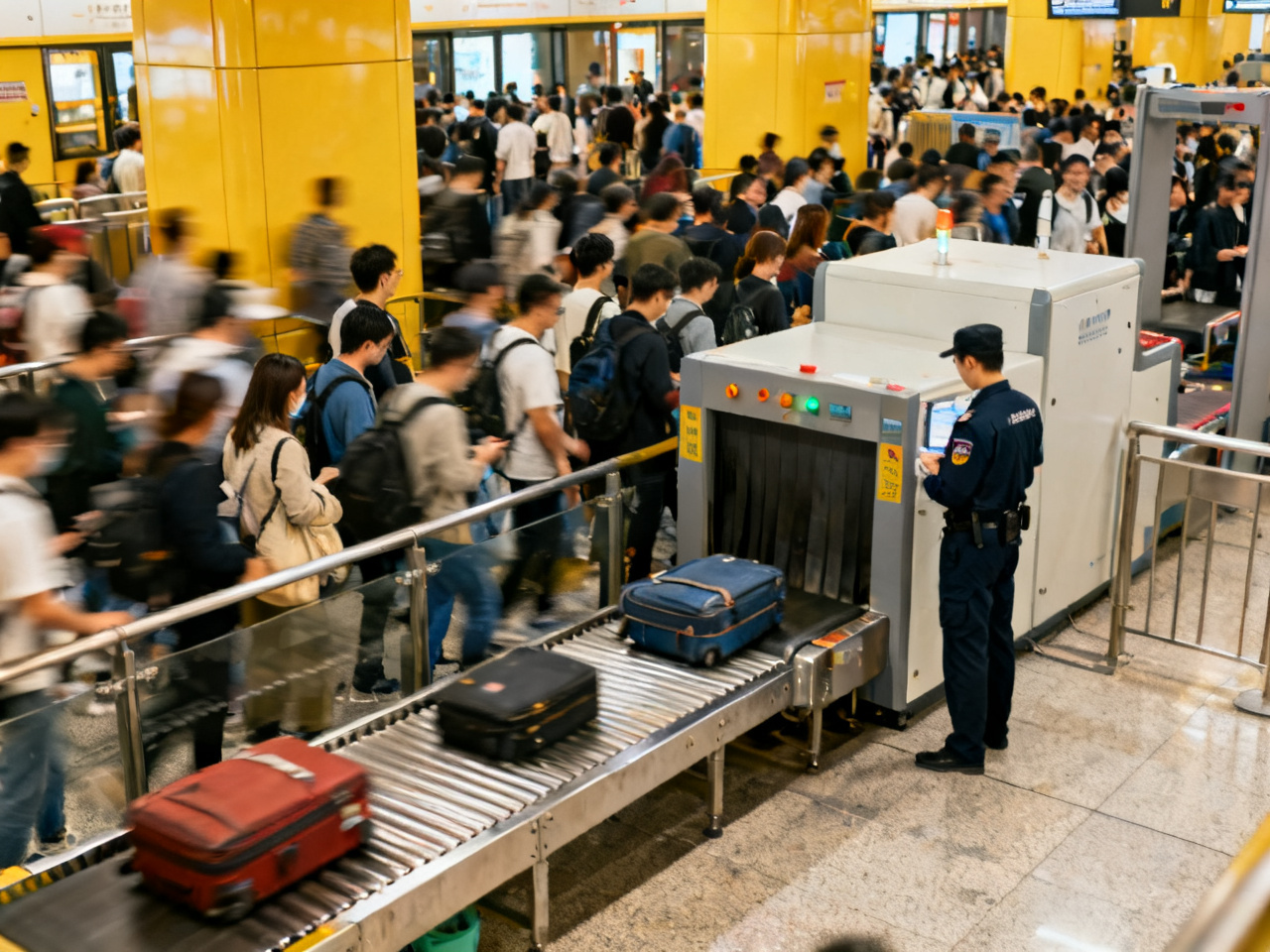
我把保温杯重新单独放到安检台上时,才第一次认真观察这个地方的“默认动作”。很多中国乘客在排队时已经形成了一套很稳定的预处理:手机先收好,包提前卸下,外套口袋里鼓鼓囊囊的东西顺手整理一下,手里如果有水杯或保温杯,就直接拿在手上等着单独过机。原来真正熟悉这里的人,并不是到了机器口才反应,而是在走向机器的那几秒里就把后面的步骤想完了。那种准备不是夸张的紧张,而是一种很实用的城市本能:在高频公共流程里,提前半步就能省掉后面很多补救。
When I placed the thermos on the table separately, I finally began to observe the “default movements” of this space more carefully. Many Chinese passengers had already formed a stable pre-check routine while still waiting in line: phone put away early, backpack removed in advance, bulging pockets quickly tidied, and if they had a cup or thermos, they simply held it in one hand so it could go through separately. I realized that people who were truly familiar with the space were not reacting at the machine itself. They had already mentally completed the next few steps during the last seconds of walking toward it. That preparation was not some exaggerated nervousness. It was a very practical urban instinct: in a high-frequency public process, being ready half a step earlier saves a surprising amount of last-minute correction.
后来我开始留意,不只是保温杯,很多小东西都会暴露一个人是不是第一次遇到这种场景。有人把折叠伞塞在包最里面,到了机器前才想起来;有人耳机线缠着手机,过门前临时手忙脚乱地收;还有人一手拎早餐、一手拽包带,到了安检台前才发现根本腾不出第三只手。相比之下,那些熟练的人常常看起来并不着急,反而更快。他们不是靠冲,而是靠提前把会打断流程的东西都先处理掉。那让我很受触动,因为我以前总把“效率”理解成动作要快,后来才慢慢明白,中国很多公共空间里的效率,真正依赖的是准备充分,而不是现场补救能力强。
Later I started noticing that it was not only thermoses that revealed whether someone was new to the scene. One person would stuff a folding umbrella deep inside a bag and only remember it at the machine. Another would have earphone wires wrapped around a phone and become clumsy trying to fix them before passing through. Someone else would be holding breakfast in one hand and tugging a shoulder strap with the other, then discover at the table that there was no third hand available for anything else. By contrast, the practiced commuters often did not look hurried at all, yet they moved faster. Their speed did not come from rushing. It came from removing whatever might interrupt the sequence before the interruption had a chance to happen. That distinction stayed with me, because I used to define efficiency as moving quickly. Gradually I began to understand that in many Chinese public spaces, real efficiency depends less on heroic recovery and more on preparation.
我有一次还看到一个年轻人跟我第一次一样,包已经推上去了,安检员提醒他水杯没拿。他立刻回头去够,结果后面的人和旁边刚取完包的人差点都和他撞在一起。整个过程不到十秒,但那十秒里,你能非常清楚地看见一条本来顺流的线突然起了褶皱。安检员没有训人,只是熟练地把他的包拽稳,示意后面的人先别挤。那种处理方式也让我印象很深:中国地铁安检口的规则并不总是靠很重的话来强调,很多时候它是靠所有人默认配合,把一个容易乱的地方维持在可用状态。你不需要被骂,光是自己卡住那一秒,就足以记住教训。
Once I even saw a young man repeat exactly what I had done the first time. His bag was already halfway onto the belt when the security worker reminded him that his water bottle had not been taken out. He turned back immediately to grab it, and in that moment he nearly collided with both the people behind him and someone next to him who had just retrieved a bag. The whole thing lasted less than ten seconds, but within those ten seconds you could see a line that had been flowing smoothly suddenly wrinkle. The security worker did not scold him. He simply steadied the bag and signaled to the people behind to wait a moment. That handling stayed with me too. At Chinese metro security points, rules are not always enforced through dramatic words. Very often they are maintained because everyone around the checkpoint quietly cooperates to keep a potentially chaotic space functional. You do not need to be yelled at. Getting stuck for that one second is often enough to teach the lesson.
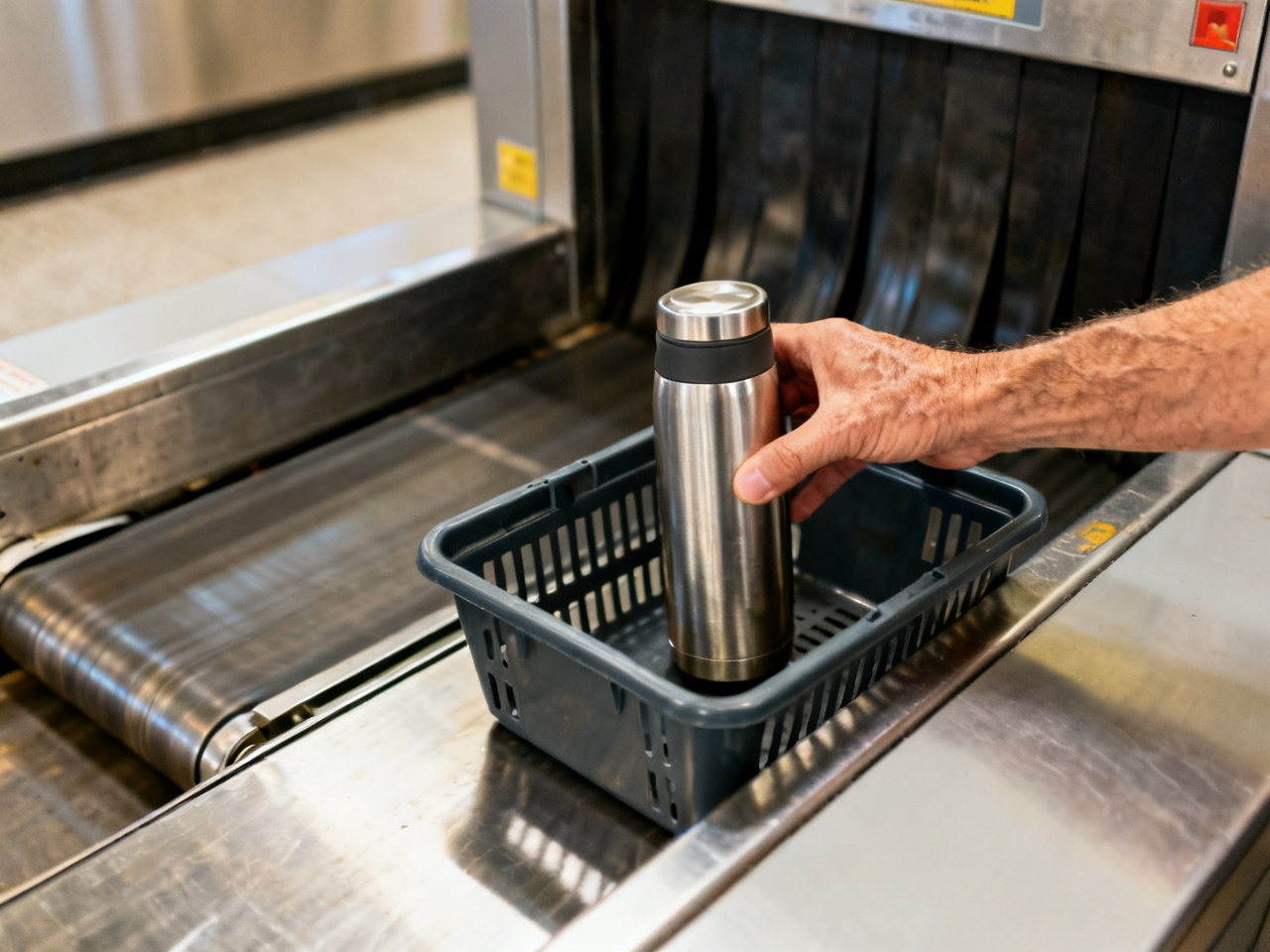
从那以后,我每次走向地铁安检口,都会在排队最后几步就先摸一下包侧,看保温杯还在不在,顺手把它拿出来握在手上。这个动作小得几乎不值一提,却让我的整个通勤状态都稳定了很多。我也渐渐明白,如果有刚来中国生活的外国朋友问我,坐地铁最容易忽略的安检细节是什么,我一定会说:别把保温杯留在包里等别人提醒。不是因为这样会出什么大问题,而是因为一旦你提前准备好,你整个人就不会被那个瞬间的慌张带着走。对我来说,那只保温杯后来变成了一个很具体的提醒——在中国这样高密度、快节奏的公共系统里,让你不狼狈的往往不是临场反应有多聪明,而是你愿不愿意在到达之前先想半步。
Since then, every time I walk toward a metro security checkpoint, I use the last few steps in line to pat the side of my bag, confirm the thermos is there, and take it out into my hand. The gesture is so small that it barely seems worth mentioning, yet it has made my whole commuting state much steadier. And I gradually understood that if a foreign friend newly living in China asked me which security detail is easiest to miss when taking the metro, I would absolutely say this: do not leave the thermos inside your bag waiting for someone else to remind you. Not because the consequence is dramatic, but because once you prepare it in advance, you stop letting that moment of panic control the rest of your movement. For me, that thermos became a very concrete reminder that in a dense, fast-moving public system like China’s, what keeps you from looking lost is often not how clever your reaction is at the last second, but whether you are willing to think half a step ahead before you arrive.
- 我在成都宽窄巷子喝盖碗茶:坐下来才看见成都节奏 | Sitting Down for Gaiwan Tea in Kuanzhai Alley, Chengdu
- 在贵阳换乘的三次支付,教我给旅途留一点现金 | Three Payments in Guiyang Taught Me to Keep Some Cash
- 中国手机上网指南:SIM卡、eSIM与VPN | Getting Online in China: SIM, eSIM & VPN Options
- 7天经典华东行程:上海-杭州-苏州 | 7-Day East China Itinerary: Shanghai-Hangzhou-Suzhou
- 沈阳的雨刚收住,街边烧烤味就把傍晚重新点亮了 | As Shenyang’s Rain Let Up, the Smell of Street Barbecue Lit the Evening Again
- 七月暑假全家游路线规划 | July Summer Family Trip Route Planning
- 中国茶文化 | Chinese Tea Culture
- 从大连到湛江:中国沿海城市的海鲜吃法 | Seafood Along China's Coast: From Dalian to Zhanjiang
- 贵阳的酸汤不是一道菜:从菜市场到晚饭桌 | Sour Soup in Guiyang Is More Than a Dish: From Market to Dinner Table
- 黄山山脚那家白灯小馆,让我在上山前先把胃和心都放平了 | A White-Lit Eatery at the Foot of Huangshan Settled Both My Stomach and My Mind Before the Climb
Comments (0)