
花椒烫过舌尖之后,你才算见过川菜 | Sichuan Cuisine Begins Where the Pepper Numbs You
花椒烫过舌尖之后,你才算见过川菜 | Sichuan Cuisine Begins Where the Pepper Numbs You
争议先摆出来:川菜被严重误解了。
Let's start with the controversy: Sichuan cuisine is profoundly misunderstood.
在中国以外,"川菜"几乎等同于"辣"。在中国国内,很多人也把川菜简化成麻辣火锅和水煮鱼。这两种理解都对,但都只摸到了象腿,没看见象。四川烹饪学院的研究者曾统计,川菜的官方味型有二十四种,其中以辣为主的不超过八种。剩下的十六种,包括鱼香、怪味、荔枝味、糊辣味……每一种都是独立的味觉宇宙。
Outside China, "Sichuan food" is nearly synonymous with "spicy." Inside China, many people also reduce it to mala hot pot and boiled fish in chili oil. Both readings are correct, but both are touching the elephant's leg without seeing the elephant. Researchers at the Sichuan Culinary Institute have catalogued twenty-four official flavor profiles in Sichuan cuisine, of which no more than eight are primarily spicy. The remaining sixteen — fish-fragrant, strange-flavor, lychee, scorched-chili — each constitute an independent universe of taste.
花椒:被翻译耽误的主角
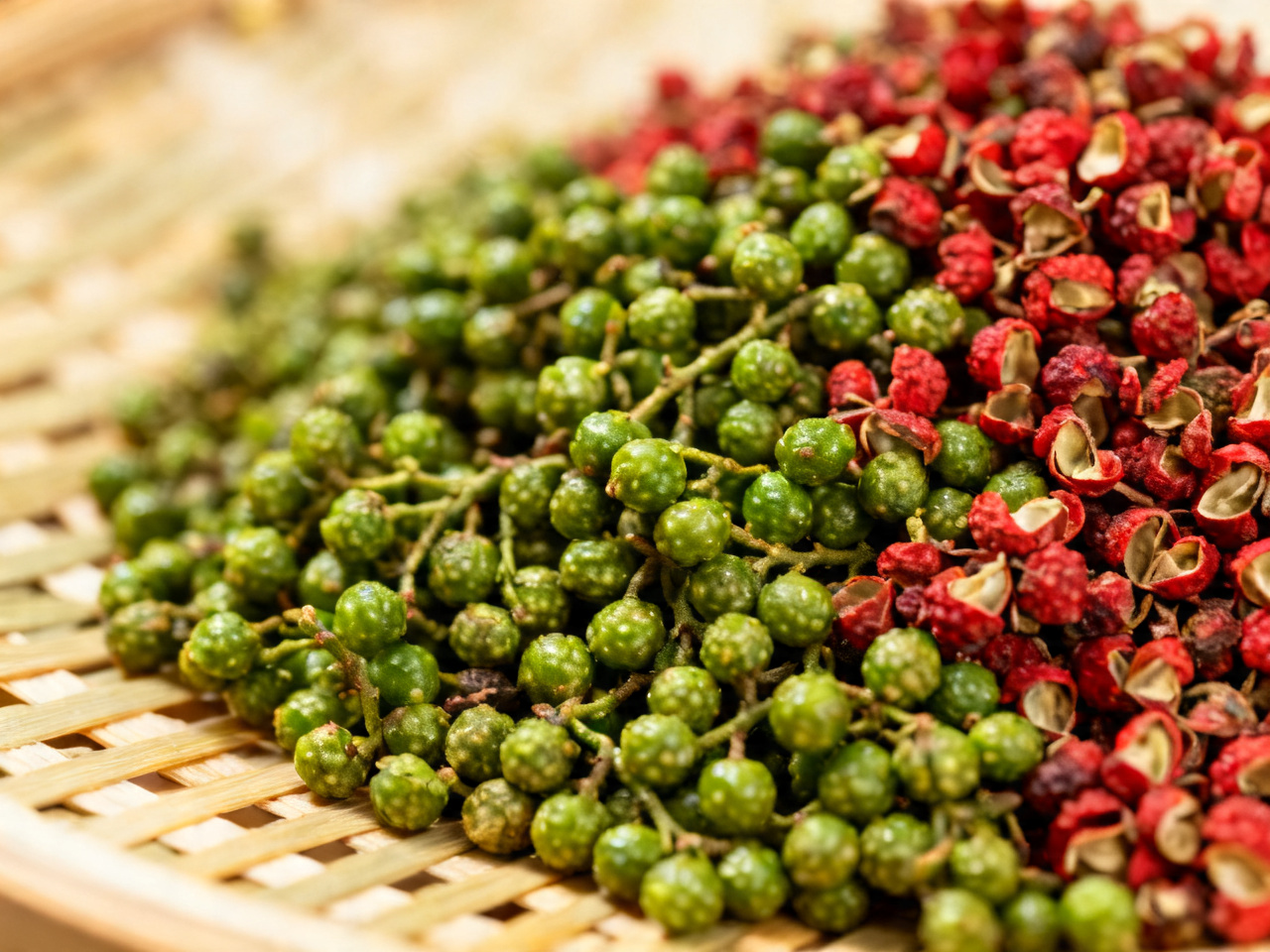
要理解川菜,必须先理解花椒。英文把它译作"Sichuan pepper",这个翻译造成了巨大的误解——花椒不是胡椒,不辣,它的核心作用是"麻"。
To understand Sichuan cuisine, you must first understand Sichuan peppercorn. The English translation "Sichuan pepper" has caused enormous confusion — it is not pepper, it is not spicy, and its defining effect is ma: numbness.
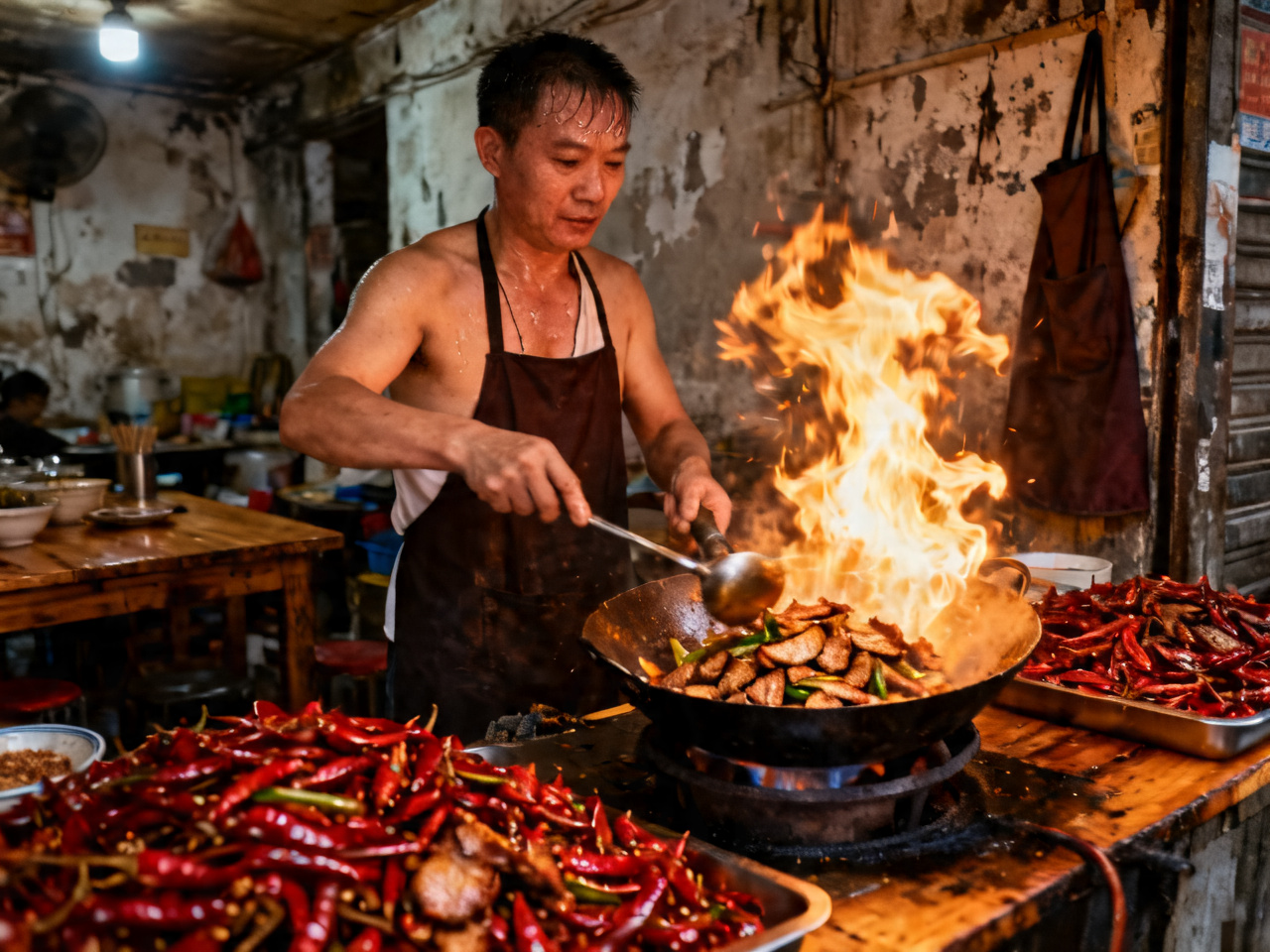
麻是一种神经感觉,不是味觉。花椒里的山椒素作用于口腔黏膜的触觉感受器,产生轻微的电麻感,同时抑制对其他味道的感知阈值,让辣更辣,让鲜更鲜,让香更香。成都的厨师把这个现象叫做"以麻提味"——用麻来放大其他味道。这是川菜最核心的技术逻辑,也是它区别于其他辣系菜系的根本所在。
Ma is a neurological sensation, not a taste. The hydroxy-alpha-sanshool in Sichuan peppercorns acts on tactile receptors in the oral mucosa, producing a mild electric tingling while simultaneously lowering the perception threshold for other flavors — making spice spicier, umami more savory, fragrance more fragrant. Chengdu chefs call this yi ma ti wei: using numbness to amplify flavor. This is the core technical logic of Sichuan cuisine, and what fundamentally distinguishes it from other spice-forward culinary traditions.
鱼香肉丝里没有鱼
研究川菜的人迟早会遇到一个让人困惑的问题:鱼香肉丝里为什么没有鱼?
Anyone who studies Sichuan cuisine will eventually encounter a baffling question: why is there no fish in fish-fragrant shredded pork?
鱼香味型起源于四川民间烹鱼的调味方法:泡辣椒、姜、蒜、葱、糖、醋、盐,这个组合本来是用来去除鱼腥、提升鱼鲜的。后来厨师发现,这套调味用在猪肉、茄子、豆腐上,同样能产生一种类似鱼的鲜甜感,于是"鱼香"就从烹鱼技法变成了一种独立的味型。鱼香肉丝的"鱼香",是一种味觉联想,不是食材描述。
The fish-fragrant flavor profile originated in Sichuan folk methods for cooking fish: pickled chilies, ginger, garlic, scallion, sugar, vinegar, salt — a combination originally designed to eliminate fishiness and enhance the fish's savory quality. Cooks later discovered that the same seasoning applied to pork, eggplant, or tofu produced a similar sweet-savory sensation reminiscent of fish. So "fish-fragrant" evolved from a fish-cooking technique into an independent flavor profile. The "fish fragrance" in fish-fragrant shredded pork is a taste association, not an ingredient description.
一碗担担面的结构分析
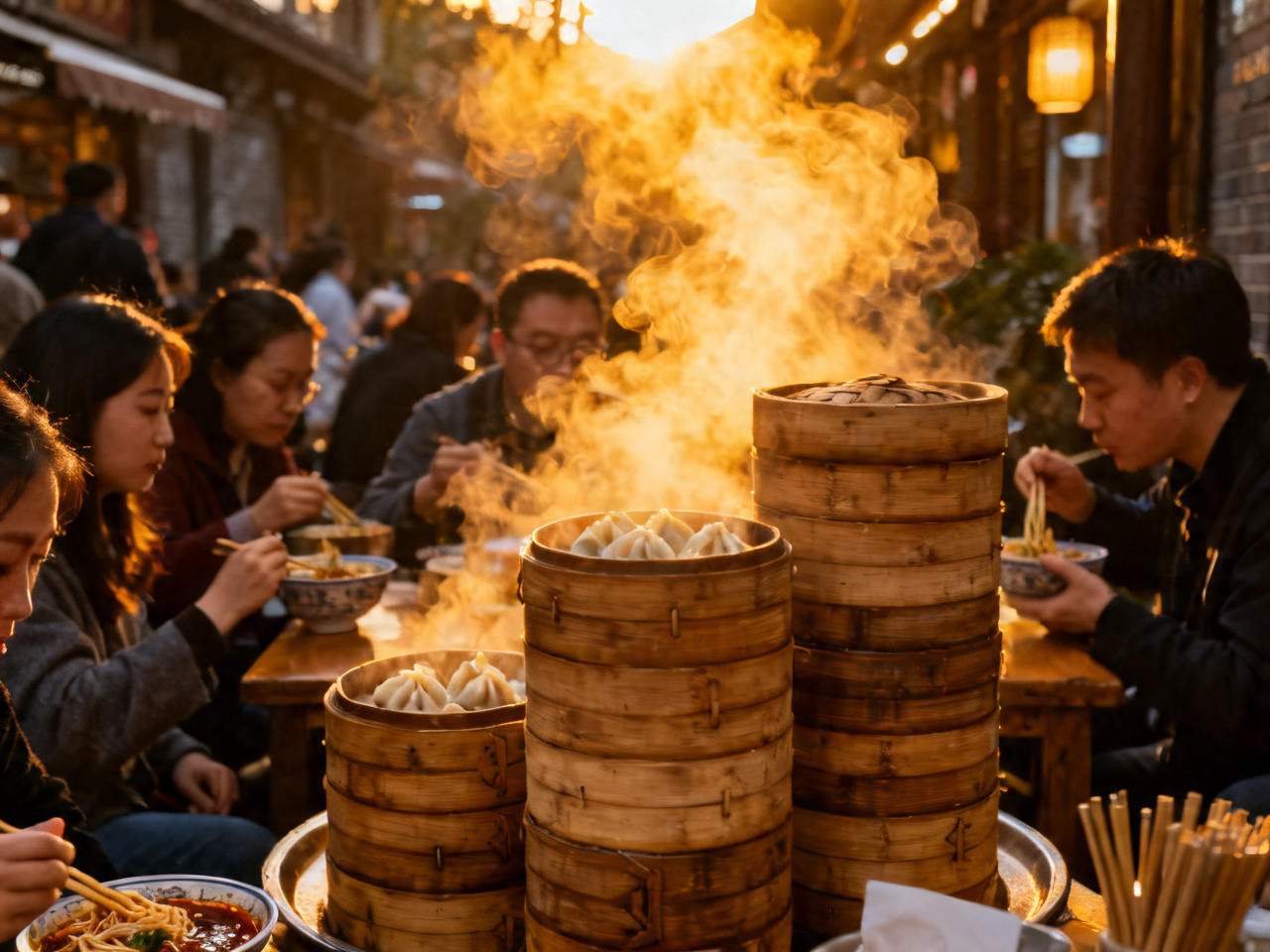
成都青石桥市场附近,有一家开了三十年的担担面馆,老板是个六十多岁的成都婆婆。她的担担面只有一个尺寸,一个价格,不接受任何定制。面条是碱水细面,煮到刚好有嚼劲;碗底是芝麻酱、花椒油、红油、酱油、醋、糖,比例是她三十年前从师傅那里学来的,从未改变;上面铺一勺炒香的猪肉末,撒葱花,完成。
Near Qingshiqiao Market in Chengdu, a dan dan noodle shop has been open for thirty years, run by a Chengdu woman in her sixties. Her dan dan noodles come in one size, one price, with no customization accepted. The noodles are thin alkaline wheat noodles, cooked to just the right chew. The bowl's base is sesame paste, Sichuan peppercorn oil, chili oil, soy sauce, vinegar, and sugar — proportions she learned from her teacher thirty years ago and has never changed. On top goes a spoonful of stir-fried minced pork, a scatter of scallion. Done.
一个台湾来的食评人曾经在她店里坐了一个下午,试图说服她透露配方。婆婆最后说了一句话:"配方我可以告诉你,但你炒不出那个肉末的香。那个香,是这口锅三十年的锅气。"这句话,比任何一本川菜教材都更接近川菜的本质。
A food critic from Taiwan once sat in her shop for an entire afternoon, trying to persuade her to reveal the recipe. The old woman finally said: "I can tell you the recipe, but you can't replicate the fragrance of that minced pork. That fragrance is thirty years of seasoning in this wok." That sentence comes closer to the essence of Sichuan cuisine than any cookbook.
宫保鸡丁的身世争议
宫保鸡丁是川菜里知名度最高的菜之一,但它的起源至今有争议。主流说法是,这道菜由清朝官员丁宝桢发明,他曾任四川总督,"宫保"是他的荣誉头衔。但也有研究者指出,类似的做法在贵州和山东都有记载,丁宝桢只是把它带进了官府菜的体系,并非原创。
Kung pao chicken is one of Sichuan cuisine's most recognized dishes, but its origins remain disputed. The mainstream account credits Qing dynasty official Ding Baozhen, who served as Governor of Sichuan — "Gong Bao" was his honorary title. But other researchers note that similar preparations appear in records from both Guizhou and Shandong; Ding may have brought the dish into the official banquet repertoire without inventing it.
争议本身并不重要。重要的是,宫保鸡丁展示了川菜的一个核心特征:荔枝味型。荔枝味不是荔枝的味道,而是一种酸甜比例接近荔枝的调味——糖和醋的用量都比鱼香味型少,酸甜感更轻盈,更适合搭配鸡肉的细嫩。花生的加入提供了油脂和颗粒感,干辣椒和花椒提供底层的麻辣,整道菜的层次感由此建立。
The dispute itself matters less than what kung pao chicken demonstrates: the lychee flavor profile. Lychee flavor isn't the taste of lychee fruit — it's a sweet-sour balance that approximates lychee, using less sugar and vinegar than the fish-fragrant profile, producing a lighter acidity better suited to tender chicken. Peanuts add fat and texture; dried chilies and peppercorns provide an underlying mala foundation. The dish's layered complexity is built from this architecture.
怎么吃才算入门
第一次认真吃川菜,建议从以下路径进入:先吃夫妻肺片,感受红油和花椒的基础组合;再吃鱼香茄子,理解鱼香味型;然后吃宫保鸡丁,体会荔枝味的轻盈;最后吃一碗素椒杂酱面,看川菜如何在一碗面里完成所有味型的集合。
For a first serious encounter with Sichuan cuisine, this sequence is recommended: start with fu qi fei pian — husband and wife beef slices — to feel the foundational combination of chili oil and peppercorn. Then eat fish-fragrant eggplant to understand the fish-fragrant profile. Follow with kung pao chicken to experience the lightness of lychee flavor. Finally, eat a bowl of su jiao za jiang noodles and watch how Sichuan cuisine assembles all its flavor profiles into a single bowl.
火锅可以最后吃。不是因为它不重要,而是因为它太强烈,容易遮蔽其他味道的细节。就像听交响乐,不能从最后的高潮开始听起。
Save hot pot for last. Not because it's unimportant, but because it's so intense it can obscure the nuances of everything else. Like listening to a symphony, you can't start with the final crescendo.
川菜的复杂性,不是用来炫耀的,是用来享受的。当你第一次吃到一道让你说不清楚"这是什么味道"的川菜,恭喜你,你已经入门了。
The complexity of Sichuan cuisine isn't there to impress — it's there to be enjoyed. The first time you eat a Sichuan dish and find yourself unable to say exactly what flavor it is, congratulations: you've begun.
延伸阅读 / Related Reads
- 中国八大菜系全览 | The 8 Great Cuisines of China
- 第一口就着了魔:一个外乡人在成都的麻辣沉沦 | Spellbound at First Bite: A Stranger's Descent into Chengdu's Heat
- 街头那碗热气,才是中国城市的真实体温 | Street Steam: The Real Pulse of Chinese Cities
- 花椒档案:一个植物学者眼中的四川味觉地图 | The Peppercorn Dossier: Sichuan's Flavor Map Through a Botanist's Eyes
- 华东五城10日经典环线 | 10-Day East China Five-City Loop

- 落地后的第一笔钱:在中国旅行建立支付备用方案 | Your First Payment After Landing: Building a Backup Plan for Travel in China
- 我在中国早餐摊第一次学会热包子要先撕口放气 | The First Time at a Chinese Breakfast Stall, I Learned to Tear Open a Hot Baozi First to Let the Steam Out
- 南甜北咸是个谎言,但也不全是 | "Sweet South, Salty North" Is a Lie — But Not Entirely
- 南京城墙夜走笔记:历史不是展板,是脚下的坡度 | Night Walk on Nanjing City Wall: History Felt Through the Slope
- 在洛阳看牡丹之外:一座古都的日常层次 | Beyond Peonies in Luoyang: The Everyday Layers of an Ancient Capital
- 地铁、打车、便利店:三大场景手机支付实战 | Subway, Taxi & Convenience Store: Mobile Pay in Action
- 中医传统疗法指南 | Traditional Chinese Medicine
- 我们在常熟尚湖的五月雨里轮流拿伞拍照,最后笑到谁都不在乎照片拍没拍好 | Passing One Umbrella Around in Changshu's May Rain, We Laughed Until None of Us Cared About the Photos Anymore
- 厦门老街小店的午饭,让我明白“本地味道”不是网红菜单 | Lunch in a Small Xiamen Old-Street Shop Taught Me Local Flavor Is Not a Viral Menu
- 坡子街地面刚发亮的时候,我决定不再拿长沙和时间赛跑 | When Pozi Street Began to Shine After Rain, I Stopped Racing Changsha
Comments (0)