
我如何在中国换城时给自己留出不慌张的缓冲 | How I Build Calm Buffers When Changing Cities in China
我如何在中国换城时给自己留出不慌张的缓冲 | How I Build Calm Buffers When Changing Cities in China
我来自澳大利亚,在中国旅行最佩服的一件事,就是跨城交通的效率。高铁准时、站点密集、信息系统清楚,理论上你甚至可以把一天切成很多小块,上午在一个城市喝咖啡,下午去另一个城市看博物馆,晚上再回第三个地方住。刚开始我也被这种效率迷住了,觉得只要线路能接上,就应该尽量塞满行程。可真正多跑几次之后,我发现,对外国旅客来说,最宝贵的不是把时间压到最满,而是给自己留下“不慌张的缓冲”。
I am from Australia, and one of the things I admire most about traveling in China is the efficiency of intercity transport. High-speed trains are punctual, stations are dense, and the information systems are clear. In theory, you can divide one day into many small blocks: coffee in one city in the morning, a museum in another city in the afternoon, and a hotel in a third place at night. At first, I was fascinated by that efficiency too. I thought that if connections technically worked, I should pack my itinerary as tightly as possible. But after doing several transfers, I realized that for foreign travelers, the most valuable thing is not maximizing every minute. It is leaving yourself a buffer in which you do not panic.
所谓缓冲,不只是“多留半小时”,而是一种提前承认现实的旅行方式。现实是:我不是本地通勤者,我需要更多时间看标识、确认车厢、处理安检、判断出口;我可能因为语言切换慢几秒,也可能因为第一次去某个站而错过最顺手的换乘路线。承认这一点,并不代表我能力不足,而是代表我愿意根据自己的真实状态设计行程。中国交通越高效,我越觉得自己应该诚实地评估人的限制。
By buffer, I do not mean only “adding thirty minutes.” I mean traveling in a way that honestly acknowledges reality. The reality is that I am not a local commuter. I need more time to read signs, confirm carriage numbers, pass security, and judge exits. I may lose a few seconds while switching languages, and I may miss the most convenient transfer route because I am visiting a station for the first time. Admitting that does not mean I am incapable. It means I am willing to design my itinerary according to my real condition. The more efficient China’s transport system is, the more I feel I should assess human limits honestly.
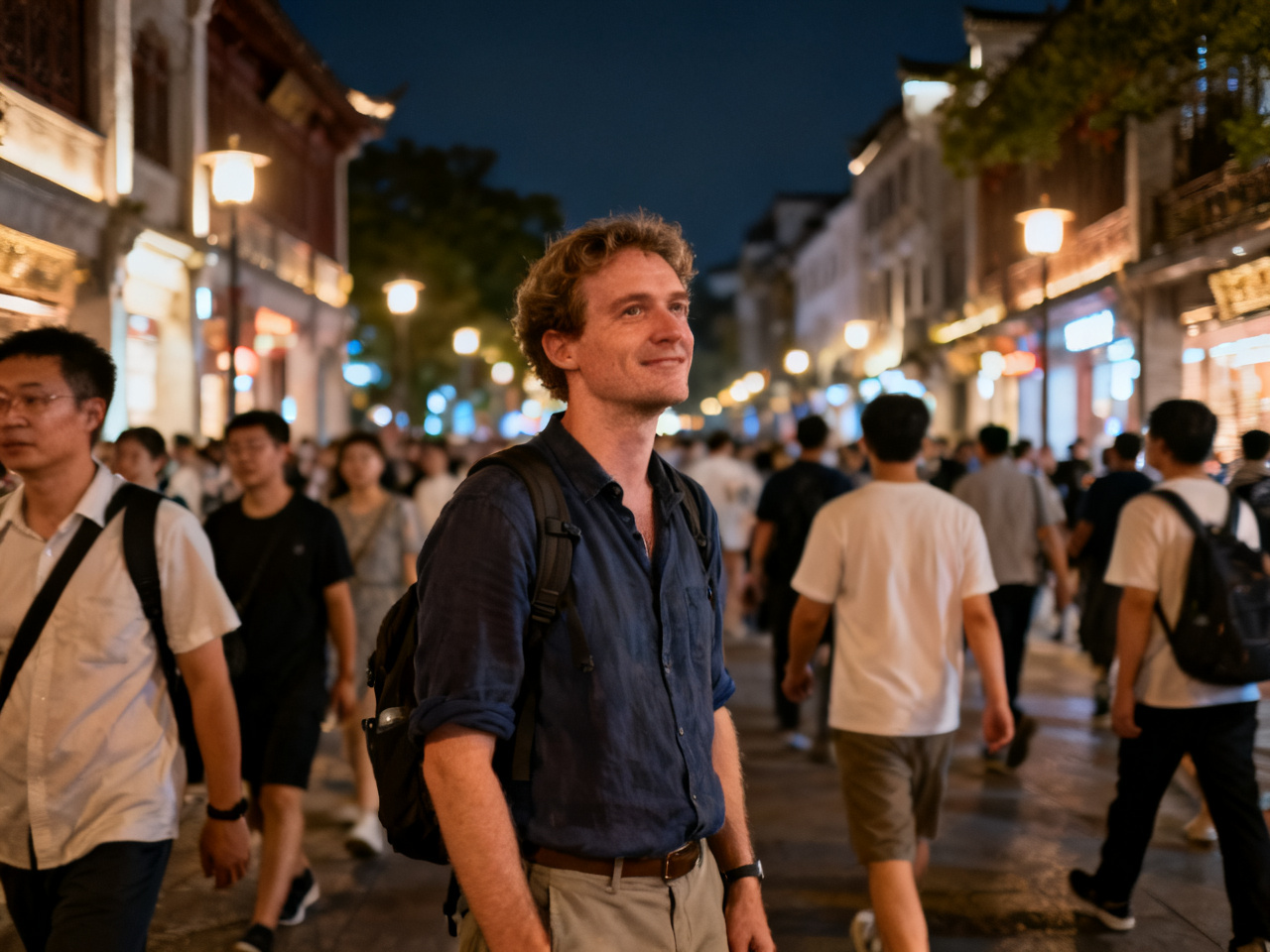
我在南京到苏州的一次行程里学到很深的一课。原计划是中午退房后,先去一个博物馆,再去车站,到了苏州还要赶傍晚的园林预约。纸面上看,所有时间都够。但那天南京地铁里人很多,我拖着箱子换线比预想慢,博物馆入口安检也排队,结果我虽然还是赶上了高铁,却整个人已经进入一种被时间追着跑的状态。到了苏州后,我原本应该欣赏景色,结果满脑子都在算“还能不能赶上下一段”。那次之后,我开始反思:一个计划就算可执行,如果它把人逼到没有余裕,那也不算真正合理。
I learned this lesson deeply on a trip from Nanjing to Suzhou. My plan was to check out at noon, visit a museum, go to the railway station, and after arriving in Suzhou still make an evening reservation for a classical garden. On paper, everything fit. But that day the Nanjing metro was crowded, switching lines with luggage took longer than expected, and there was also a queue at the museum security check. I still caught my train, but mentally I had already entered a state of being chased by time. Once I reached Suzhou, I should have been enjoying the scenery, but instead my mind kept calculating whether I could still make the next segment. After that, I began to reflect: even if a plan is technically possible, it is not truly reasonable if it leaves no room for the traveler to breathe.
后来我调整了自己的换城逻辑。第一,不把退房、景点、换乘和入住都压在同一个高强度时段。第二,凡是涉及首次去的新车站,我都会默认加大缓冲,而不是相信自己一定能一次走对。第三,到达新城市的第一小时尽量不安排“必须准点”的活动,因为那个时段最容易出现小延误、小迷路、小分心。这样做看似保守,却让我实际看到更多,也记住更多。
Later, I adjusted my city-change logic. First, I stopped stacking checkout, sightseeing, station transfer, and hotel check-in into the same high-intensity window. Second, whenever a new station was involved, I automatically increased the buffer instead of assuming I would find the perfect route immediately. Third, I tried not to schedule any “must be exactly on time” activity within the first hour after arriving in a new city, because that is when minor delays, small navigation mistakes, and little distractions happen most easily. This may sound conservative, but in practice it allowed me to see more and remember more.
我也发现,缓冲不只是给交通留的,也是给身体和判断力留的。高铁上坐两个小时,看起来并不累,但对外国人来说,持续注意报站、看手机翻译、保存酒店信息、处理新的站内路线,都是隐性消耗。以前我会在到站后立刻去热门区拍照,后来我更愿意先找到酒店、放下行李、喝水、检查周边,再决定接下来去哪里。这个顺序一点都不浪费,反而让我在真正出门的时候更清醒。
I also realized that buffer is not only for transport. It is for the body and for judgment. Sitting on a high-speed train for two hours may not look tiring, but for a foreigner, continuously tracking station announcements, checking translation apps, saving hotel information, and processing a new station layout all create hidden fatigue. In the past, I would go straight to a famous area for photos as soon as I arrived. Later, I preferred to reach the hotel first, put down my luggage, drink water, and check the surroundings before deciding where to go next. That order is not wasteful at all. It actually makes me sharper when I head out again.
我在厦门还有一次很成功的例子。那天我故意把火车到站时间和第一个正式景点之间留了将近两个小时。结果列车没有晚点,酒店入住也顺利,看起来像是“浪费”了一段空白。但正因为这段空白存在,我可以从容地在附近吃一碗沙茶面、重新整理背包、确认第二天的轮渡票,还顺便发现了酒店后街一条安静又安全的步行路线。后来晚上回去时,我因为提前熟悉过环境,几乎没有任何压力。这种额外获得的安心,往往是紧凑行程永远给不了的。
In Xiamen, I had a very successful example of this approach. I deliberately left nearly two hours between my train arrival and my first formal attraction. The train was on time and hotel check-in was smooth, so on the surface it looked as if I had “wasted” an empty period. But because that empty period existed, I was able to calmly eat a bowl of satay noodles nearby, reorganize my backpack, confirm my ferry ticket for the next day, and even discover a quiet and safe walking route behind the hotel. Later that night, I returned with almost no stress because I had already learned the area. That extra layer of confidence is something an over-packed itinerary rarely gives you.
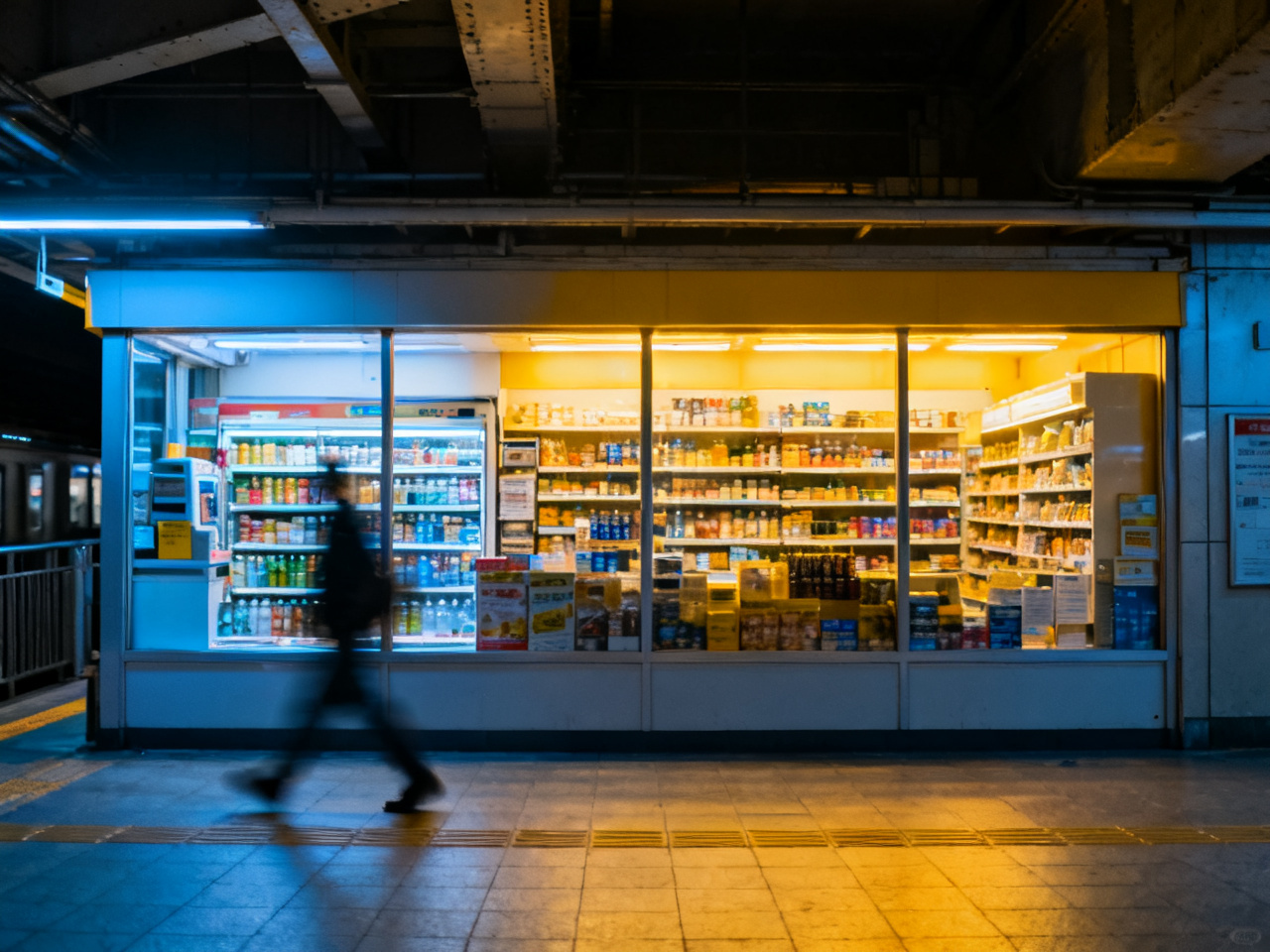
现在我给自己做跨城计划时,会特别遵守下面几条原则。
Now when I plan intercity travel for myself, I follow a few principles very strictly.
- 不把多个“必须准时”的环节堆在同一半天里。
- Do not stack multiple “must be on time” steps into the same half day.
- 新车站、新城市、新酒店同时出现时,缓冲要明显增加。
- When a new station, a new city, and a new hotel appear in the same sequence, the buffer should increase noticeably.
- 到达后第一小时尽量只安排低风险任务,比如入住、补水、熟悉周边。
- Use the first hour after arrival for low-risk tasks such as check-in, hydration, and learning the neighborhood.
- 如果一个计划必须靠“每一步都刚刚好”才能成立,那它通常不够稳。
- If a plan works only when every step goes exactly right, it is usually not stable enough.
- 缓冲不是懒散,而是把注意力留给真正值得体验的部分。
- Buffer is not laziness; it preserves your attention for the parts truly worth experiencing.
中国的城市间移动能力非常强,但我越来越觉得,好的旅行不是和系统比速度,而是学会借系统的效率保护自己的节奏。每次我复盘行程,都会重新看一看 高铁换城节奏安排、到站后一小时怎么用 和 独自旅行时的缓冲设计 这些资料。它们提醒我,真正成熟的换城,不是每一次都跑得飞快,而是即使出现一点偏差,也不会把整天的情绪和判断一起拖垮。
China’s ability to move people between cities is extraordinary, but I increasingly feel that good travel is not about competing with the system on speed. It is about using the system’s efficiency to protect your own rhythm. Whenever I review an itinerary, I revisit materials such as arranging the rhythm of high-speed rail city changes, how to use the first hour after arrival, and designing buffers for solo travel. They remind me that a mature city transfer is not one where you always move at top speed. It is one where even a small deviation does not collapse your whole day’s mood and judgment.
- 广州早茶怎么点:两个人也能吃得体面不浪费 | Cantonese Dim Sum for Two: How to Order Smart
- 那些把中国拍得像特效片的博主,真正厉害的是懂得怎么给震撼留空拍 | The Creators Who Film China Like Special Effects Know How to Leave Space Between the Shocks
- 螺蛳粉:一碗臭出国界的粉 | Luosifen: The Stinky Noodle That Conquered the World
- 龙舟不只是比赛:一个外国人看懂端午的三年 | Dragon Boats Aren't Just Racing: 3 Years of an Outsider Learning Duanwu
- 清晨六点半的重庆小面店,我靠一碗豌杂面听懂了这座城 | At 6:30 a.m. in a Chongqing Noodle Shop, a Bowl of Wanza Mian Explained the City
- 阿坝雨后的路面只给我半个答案 | Aba’s Wet Road Gave Me Only Half an Answer
- 人民币使用常识:面额、兑换与防伪 | RMB Basics: Denominations, Exchange & Counterfeit Tips
- 中药材与养生礼品:枸杞燕窝阿胶 | Chinese Herbal Gifts: Goji, Bird's Nest & Ejiao
- 中医传统疗法 | Traditional Chinese Medicine
- 南京最动人的地方,常常不是讲出来的历史,而是人今天还在怎么顺手用它 | What Moves Me Most in Nanjing Is Not History as Told but the Way People Still Use It Today
Comments (0)