
面塑摊前的半个下午:我第一次看见面团也能有表情 | At a Dough Figurine Stall: The First Time I Saw Flour and Dough Grow a Face
面塑摊前的半个下午:我第一次看见面团也能有表情 | At a Dough Figurine Stall: The First Time I Saw Flour and Dough Grow a Face
如果不是亲眼看见,我可能很难相信,一小团普通的彩色面团竟然可以在几分钟里长出人物的神态、动物的动作,甚至一种让人想笑的活泼性格。第一次接触中国面塑,是在一条游客并不算特别多的老街上。摊位不大,桌上摆着各色面团、小剪子、竹签和已经做好的小老虎、小兔子、戏曲人物。起初我只是觉得这些东西可爱,很适合买来当纪念品;可站在旁边看老师傅真正开始捏的时候,我很快发现,这门民艺的重点并不只是“像”,而是它能在极短时间里把生命感捏出来。
If I had not seen it myself, I might have found it hard to believe that a small piece of colored dough could, within minutes, develop a human expression, an animal gesture, or even a playful personality that makes people smile. My first encounter with Chinese dough figurines was on an old street that was not even especially crowded with tourists. The stall was small, with colored dough, tiny scissors, bamboo sticks, and finished tigers, rabbits, and opera characters laid out on the table. At first I simply found them cute and easy to imagine as souvenirs. But once I stood nearby and watched the craftsman truly begin to shape one, I quickly realized that the heart of this folk art is not only resemblance. It is the ability to mold vitality in a remarkably short time.
老师傅先取一小块面,在手里搓圆、压扁、拉长,动作快得几乎没有停顿。面团在他手里不像材料,更像一种很听话的语言:这里掐一下是鼻子,那里挑一下是耳朵,再用小工具轻轻一压,眼睛和嘴角就突然有了情绪。我最惊讶的是,这个过程几乎没有多余动作。每一下都很轻,却都有效。看了几分钟之后,我开始明白,面塑真正厉害的地方不是复杂,而是准确。
The craftsman took a small piece of dough, rolled it, flattened it, and stretched it in his hand with movements so quick they barely paused. In his hands, the dough did not feel like raw material, but like a language that obeyed him closely: one pinch here became a nose, one lift there became an ear, and a gentle press with a small tool suddenly gave the eyes and mouth emotional tone. What surprised me most was how little waste there was in the process. Every gesture was light, yet every gesture worked. After watching for a few minutes, I began to understand that the real brilliance of dough figurine craft lies not in complexity, but in precision.
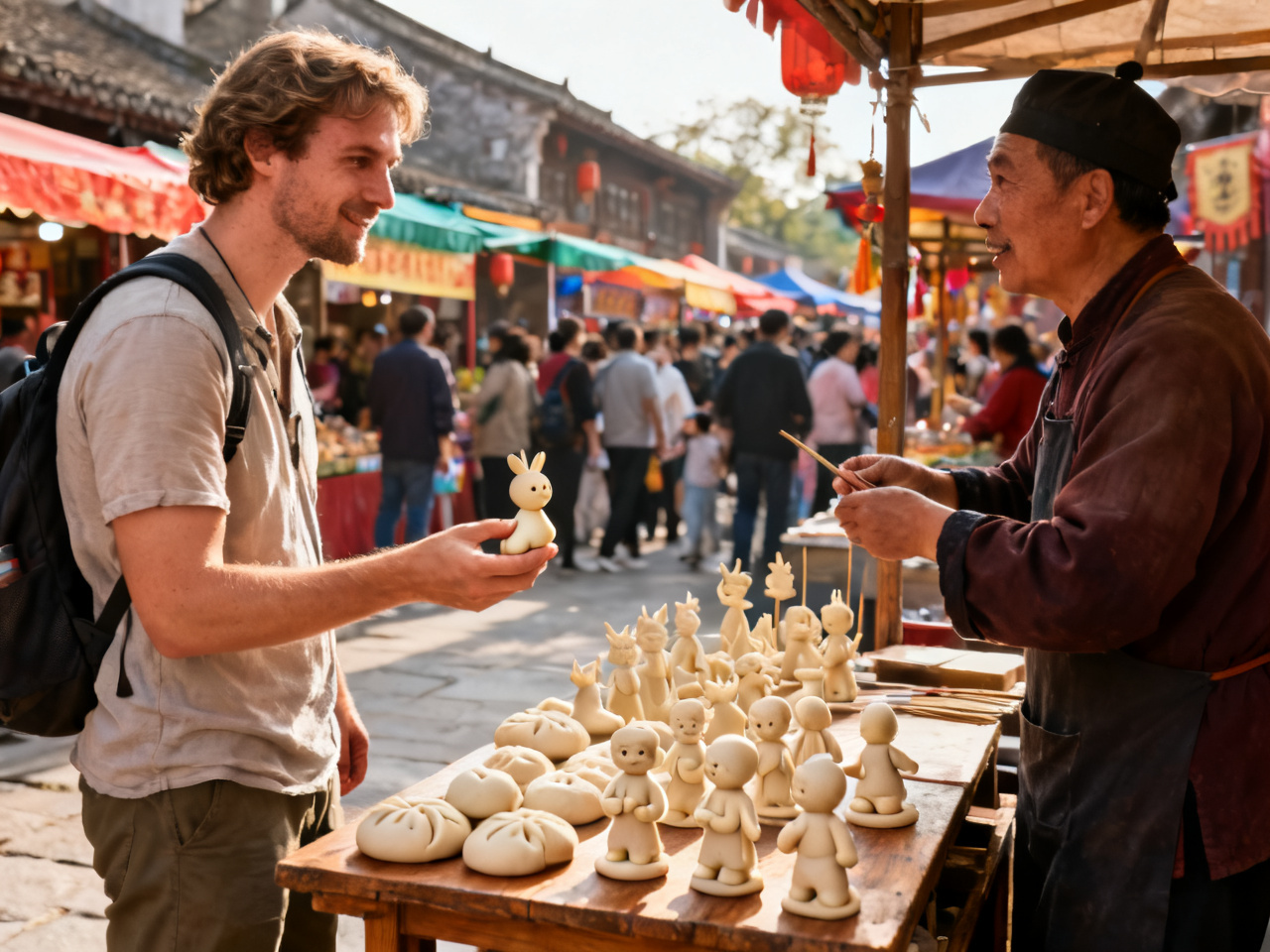
后来我也试着自己做一个。老师傅建议我先从最简单的小动物开始,因为人物最难,尤其是脸,一不小心就会做得呆或者歪。我选了一只小兔子,心想耳朵长一点、身体圆一点,应该不会太难。结果真正上手后,我才知道“可爱”其实是很高的要求。耳朵太厚就显笨,太细又立不住;眼睛点得太靠近会发呆,太分开又会显得散。面团明明柔软,却一点也不意味着随便。
Later I tried making one myself. The craftsman suggested starting with a simple small animal, because human figures are the hardest, especially the face, which can easily become stiff or crooked. I chose a little rabbit, thinking longer ears and a round body could not be too difficult. But once I actually began, I discovered that “cute” is a very demanding standard. If the ears are too thick, the figure looks clumsy; too thin, and they cannot stand. If the eyes are placed too close together, it looks blank; too far apart, and the expression falls apart. The dough may be soft, but that does not mean it allows carelessness.
这正是我最喜欢这门民艺的地方:它用一种看似轻松的方式,偷偷考验你的观察力。你以为只是捏一个小东西,实际上是在判断比例、重心、表情和整体节奏。中国面塑常常做生肖、吉祥动物、娃娃、戏曲人物,这些题材本身就带着民间审美里很重要的一种亲切感。它们不是高高在上的艺术形象,而是很容易进入日常、进入节庆、进入孩子记忆的小型世界。
That is exactly what I love most about this craft: it tests your powers of observation under the disguise of playfulness. You think you are merely shaping something small, but in fact you are judging proportion, center of gravity, expression, and overall rhythm. Chinese dough figurines often depict zodiac animals, auspicious creatures, children, and opera characters. These subjects already carry a warmth that feels central to folk aesthetics. They are not elevated, distant artistic icons. They are a small-scale world that can easily enter everyday life, festivals, and children’s memory.
因为我来自意大利,所以我忍不住把这次体验和意大利的一些食物手工传统联系起来。意大利人当然也很熟悉“手里有一团面”的感觉,无论是做面包、手工面、甜点装饰,还是节庆时的食物造型,面团和手感在我们的文化里并不陌生。可中国面塑给我的感觉还是很不一样。在意大利,面通常通向味道和餐桌;在中国面塑里,面团则被带向了形象、祝福和观看。一个是被吃掉的手艺,一个是被保存和观看的手艺,材料相近,文化方向却完全不同。
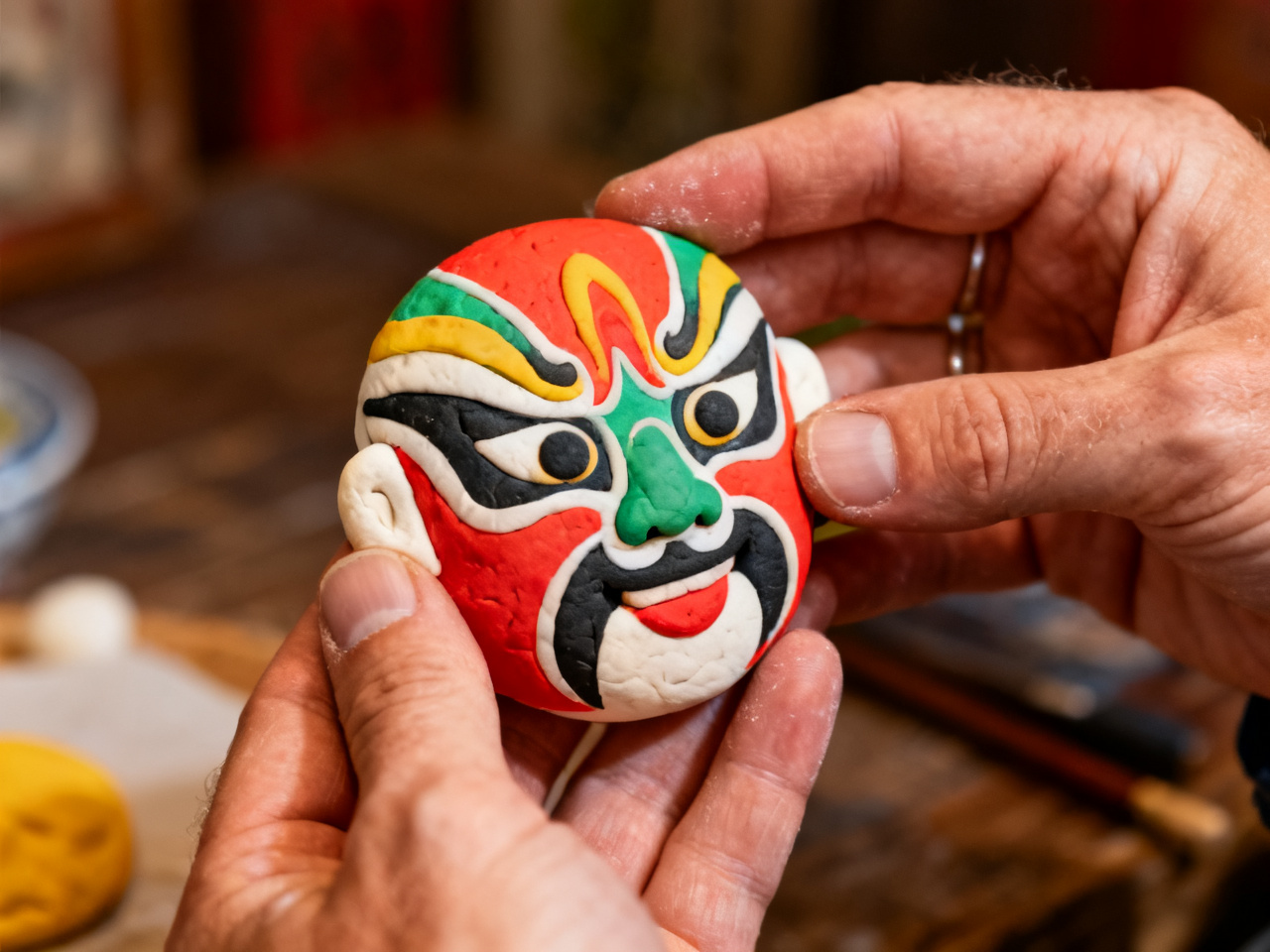
Because I come from Italy, I could not help connecting this experience with our own traditions of working by hand with dough. Italians are of course very familiar with the feeling of a lump of dough in the hand, whether through bread, handmade pasta, dessert decoration, or festive food shaping. Dough and touch are not foreign to us at all. But Chinese dough figurines still felt very different. In Italy, dough usually leads toward flavor and the table. In Chinese dough figurine art, dough is led toward image, blessing, and viewing. One is a craft meant to be eaten; the other is a craft meant to be preserved and looked at. The material may be similar, but the cultural direction is completely different.
这种比较让我特别开心,因为它让我看到文化之间微妙又具体的差异。你原本以为自己熟悉一种材料,结果到了另一个地方,它却被赋予了新的功能和新的情感。中国面塑让我意识到,民间艺术并不一定需要昂贵材料才显得珍贵。有时候,真正重要的是一个社会怎样长期训练自己的眼睛和双手,让最普通的东西也能承载审美。
That comparison made me genuinely happy, because it revealed a subtle but concrete cultural difference. You think you already know a material well, and then in another place it is given an entirely new function and emotional role. Chinese dough figurine art made me realize that folk art does not need expensive materials in order to feel precious. What matters more is how a society trains its eyes and hands over time, until even the most ordinary material can carry aesthetic meaning.
如果今天有外国朋友问我,哪一种中国民艺最容易让人一边看一边笑,我会推荐面塑。不是因为它简单,而是因为它把技巧藏在轻松和亲切里面。你会先被它逗乐,然后才意识到做得好到底有多难。等我离开那条老街时,手里拿着自己捏得有点笨拙的小兔子,旁边袋子里装着老师傅做的小老虎。我一路都在想,旅行最好的时刻也许就是这样:你因为一个很小的民间手艺停下来,结果却被提醒,原来“表情”这种东西,不只长在人的脸上,也可以长在一团面里。
If foreign friends asked me today which Chinese folk art is most likely to make you smile while you watch, I would recommend dough figurines. Not because the craft is simple, but because it hides technical mastery inside warmth and playfulness. You laugh first, and only afterward realize how difficult it is to do well. When I left that old street, I was carrying the slightly awkward rabbit I had made, while a small tiger shaped by the craftsman sat carefully in my bag. All the way back, I kept thinking that perhaps the best moments in travel are exactly like this: you stop because of one small folk craft, and in return it reminds you that expression does not belong only to human faces. It can also live inside a piece of dough.

- 我们在常熟尚湖的五月雨里轮流拿伞拍照,最后笑到谁都不在乎照片拍没拍好 | Passing One Umbrella Around in Changshu's May Rain, We Laughed Until None of Us Cared About the Photos Anymore
- 都江堰的水没有被堵住:我沿着分流口看一座工程怎样工作 | Dujiangyan’s Water Was Not Blocked: How I Read Its Flow
- 中国十大旅游路线 | Top 10 Travel Routes in China
- 我在夜里的重庆,学会把害怕也当成风景 | In Chongqing at night, I learned to treat fear as part of the view
- 签证与入境要求 | Visa and Entry Requirements
- 上海外滩与弄堂文化探索 | Shanghai: The Bund & Longtang Culture
- 第一次在中国医院看门诊:挂号、缴费、取药一步不慌 | First Clinic Visit in China: Registration, Payment, and Pharmacy Flow
- 汉服:传统中国服饰 | Hanfu: Traditional Chinese Clothing
- 陪妈妈在无锡看五月太湖烟雨,我终于学会听她慢慢讲年轻时的事 | Walking with My Mother Through Taihu Mist in Wuxi, I Finally Learned to Listen to Her Younger Stories Slowly
- 过节吃什么:中国三大节日的餐桌密码 | What to Eat at Chinese Festivals: The Table Code of Three Major Holidays
Comments (0)