
我在西安夜市学会了把付款失败当成流程的一部分 | In a Xi’an Night Market I Learned to Treat Payment Failure as Part of the Process
我在西安夜市学会了把付款失败当成流程的一部分 | In a Xi’an Night Market I Learned to Treat Payment Failure as Part of the Process
我以前总把付款失败想成一种很丢脸的插曲。尤其是在国外旅行时,只要结账那一刻手机慢了一秒、卡刷不过、网络突然卡住,我就会立刻紧张,仿佛整个队伍都在等我出错。可是在西安一次夜市里,我第一次把这件事看成了流程的一部分,而不是个人能力的失败。那天晚上回民街附近特别热,烤肉的烟往巷子上空卷,糖蒜和孜然味混在一起,人挤得不算夸张,但每个摊位前都有一种很快的节奏。老板娘收钱、找零、递袋子几乎一气呵成,我手里端着刚买的冰峰,准备再买一份甑糕,轮到我时,付款码却偏偏刷不出来。
I used to treat payment failure as an embarrassing interruption. Especially when traveling abroad, if my phone slowed for even a second at checkout, if a card failed, or if the signal froze, I would tense up immediately, as if the whole line were waiting for me to fail. But in a Xi’an night market, I saw it differently for the first time. That evening near the Muslim Quarter, the air was warm, smoke from grilled meat rolled above the lane, cumin mixed with the sweet smell of preserved garlic, and every stall moved with a quick but familiar rhythm. The owner took money, gave change, and handed over bags almost in one motion. I was holding a bottle of Ice Peak and trying to buy another snack when my payment code suddenly refused to load.
以前的我大概率会马上慌,越急越想证明自己马上能弄好,结果手指乱点,网络更卡,后面的人也只能跟着等。可那天我不知道为什么突然冷静了一点,也许是因为在中国待久了,我开始意识到很多日常场景并没有我想象得那么敌对。于是我先往旁边让了一步,把位置让给后面的人,然后用我提前存好的中文说了一句“稍等一下,我这边网络有点慢”。老板娘抬头看了我一眼,只是点点头,让下一位先来,没有任何不耐烦。我站在边上那几秒钟,第一次真正理解了把支付预案练成日常习惯为什么重要,也突然想起先把节奏放顺再做判断那套方法,原来不仅适用于路线,也适用于结账。
The older version of me would probably have panicked immediately and tried to prove that I could fix everything at once. That usually meant tapping too fast, confusing myself more, and making everyone else wait. But that night, for some reason, I stayed calmer. Maybe after spending more time in China, I had started to realize that many daily situations were far less hostile than I had imagined. So I stepped slightly to the side, let the next person go first, and used a Chinese sentence I had saved in advance: “Please wait a moment, my network is a little slow.” The stall owner looked up, nodded once, and continued with the next customer without any visible impatience. Standing there for those few seconds, I truly understood why turning payment backup into a daily habit matters so much, and I also remembered the logic in getting the rhythm smooth before making more judgments. It applies not only to routes, but also to checkout.
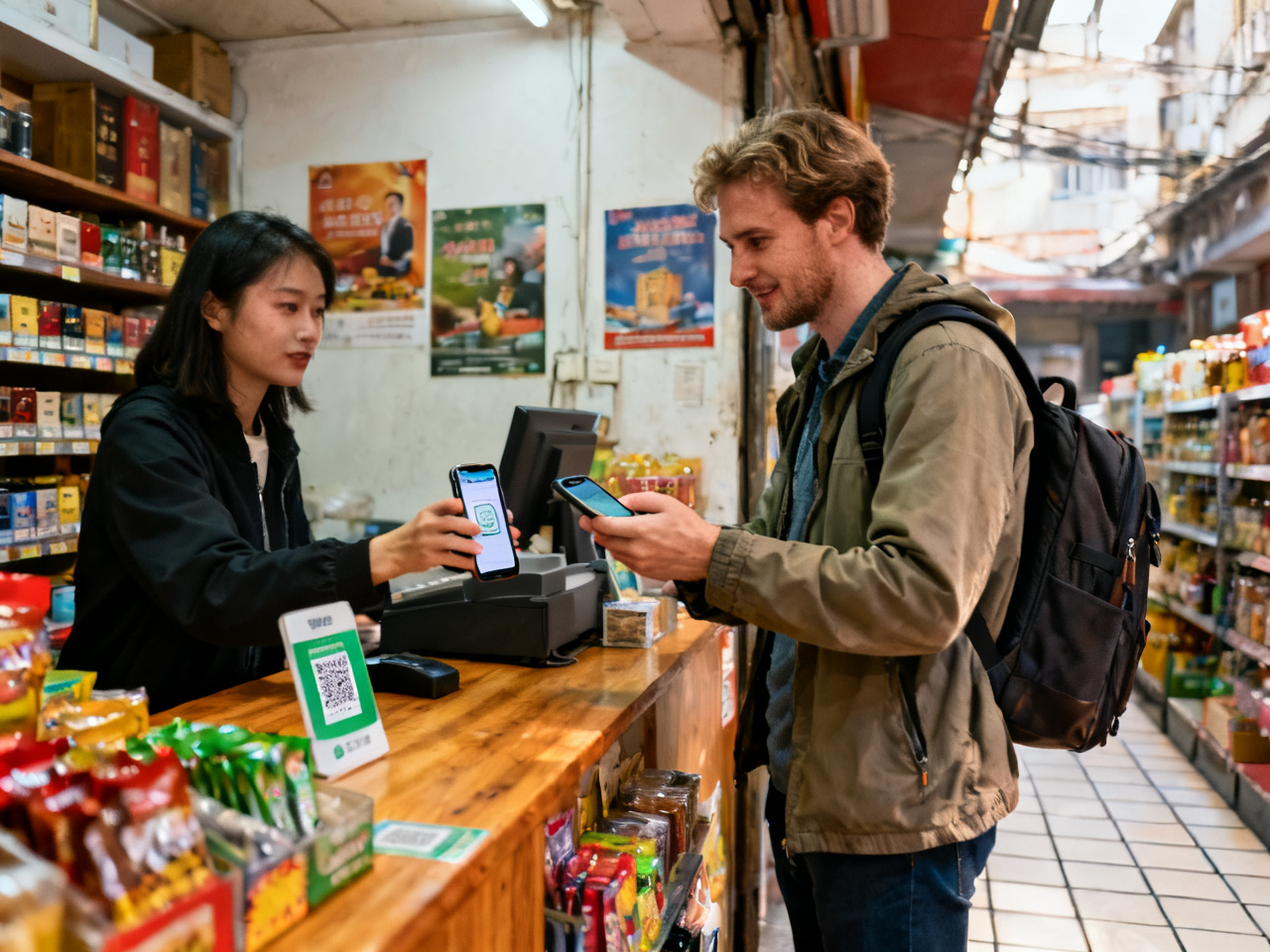
后来我很快切到了第二方案。先关掉再打开付款页面,如果还是慢,就切另一种支付入口;如果再不行,就准备现金或者实体卡;如果当下场景真的太忙,就先买一件最想买的,别在摊位前同时解决所有问题。这些动作说起来很普通,可真正能把外国人在中国的夜市体验从“紧张考试”变成“可控日常”,靠的往往就是这些普通步骤。很多人会把中国移动支付讲得像一种必须瞬间掌握的高门槛技术,可我越来越觉得,它更像一种你可以逐渐练熟的环境规则。只要你知道自己有后手,心里就不会那么乱。
I shifted to my second plan quickly. First close and reopen the payment page. If it is still slow, switch to another payment entry. If that still fails, prepare cash or a physical card. And if the scene is too busy, buy only the one thing you want most instead of solving every problem at the same stall. These actions sound ordinary, but ordinary steps are often what turn a foreigner’s night-market experience in China from a stressful exam into a manageable part of daily life. Many people describe Chinese mobile payment as if it were a high barrier that must be mastered instantly. I increasingly feel that it is more like an environmental rule you can learn gradually. Once you know you have backups, your mind stops scattering.
那次之后,我开始给自己固定三层准备。第一层是技术层:出门前确认电量、网络、常用付款页面位置。第二层是语言层:把“网络慢一点”“我换一个方式试试”“可以等一下吗”这些句子提前存在备忘录里。第三层是心理层:接受付款偶尔出问题并不代表我很笨,它只代表现场条件需要切换。我后来在别的城市也多次用上这套方法。杭州一家小面馆里信号慢过,上海便利店里亮度太低过,成都火锅店里朋友分账时页面也卡过。但因为我已经不再把这些当成“出丑时刻”,反而更容易处理。
After that night, I began preparing on three levels. The first level is technical: check battery, signal, and where the usual payment page is before going out. The second is linguistic: save short sentences such as “The network is slow,” “I will try another method,” and “Could you wait a moment?” in my notes. The third is mental: accept that a payment problem does not mean I am stupid. It only means the conditions at that moment require a switch. I later used the same method in other cities too. The signal slowed in a noodle shop in Hangzhou, screen brightness was too low in a convenience store in Shanghai, and a bill-splitting page froze once in a Chengdu hot pot restaurant. But because I no longer treated such moments as humiliation, they became much easier to handle.
有一次更明显。还是在西安,我在城墙边一家饮料店买水,付款又慢了一次。前面一个本地女孩看见我低头反复划手机,直接说“你先开亮度”。我照做之后,果然一下子就扫上了。这个小提醒对我印象特别深,因为它说明中国很多日常场景里的“帮助”并不是夸张的热心,而是一种非常实用、非常短促的现场修正。你如果愿意接住这种帮助,很多原本觉得尴尬的时刻都会变轻。这也让我越来越相信先把安全感建立在细节上这件事,支付也属于这种细节的一部分。
One later moment made this even clearer. Again in Xi’an, I was buying water near the city wall when payment slowed down once more. A local girl in front of me saw me staring at my screen and simply said, “Raise the brightness first.” I did, and the code scanned immediately. That tiny suggestion stayed with me because it showed that help in many Chinese daily scenes is not dramatic kindness. It is practical, brief, real-time correction. If you are willing to receive that kind of help, many situations that once felt embarrassing become lighter. It also strengthened my belief in building safety through details. Payment belongs to that layer of detail too.
如果你也会在中国街头因为付款卡顿而立刻紧张,我现在会给你几个特别具体的建议。第一,不要等站到柜台前才找付款码,提前把页面调出来。第二,手机亮度要足够高,夜市灯光复杂时这点尤其重要。第三,保留第二付款方式和少量现金,不要把自己锁死在单一方案里。第四,出问题时先侧身让位,不要硬扛着占住付款口。第五,把几句高频中文短句准备好,哪怕只会说很短的话,也能大幅降低现场压力。第六,别试图在最忙的摊位前同时验证所有支付功能,先完成最关键的一笔再说。真正成熟的旅行,不是从不出问题,而是问题一出现你就知道下一步怎么切换。
If payment lag makes you nervous on Chinese streets, I now have a few very concrete suggestions. First, do not wait until you are at the counter to open the code. Prepare the page earlier. Second, keep your screen bright enough, especially in night markets where lighting is uneven. Third, keep a second payment method and a small amount of cash instead of locking yourself into one system. Fourth, if something fails, step aside first rather than blocking the payment point. Fifth, prepare a few short Chinese phrases in advance. Even brief language lowers pressure dramatically. Sixth, do not try to test every payment function at the busiest stall. Finish the most important purchase first. Mature travel does not mean never having problems. It means knowing how to switch as soon as a problem appears.
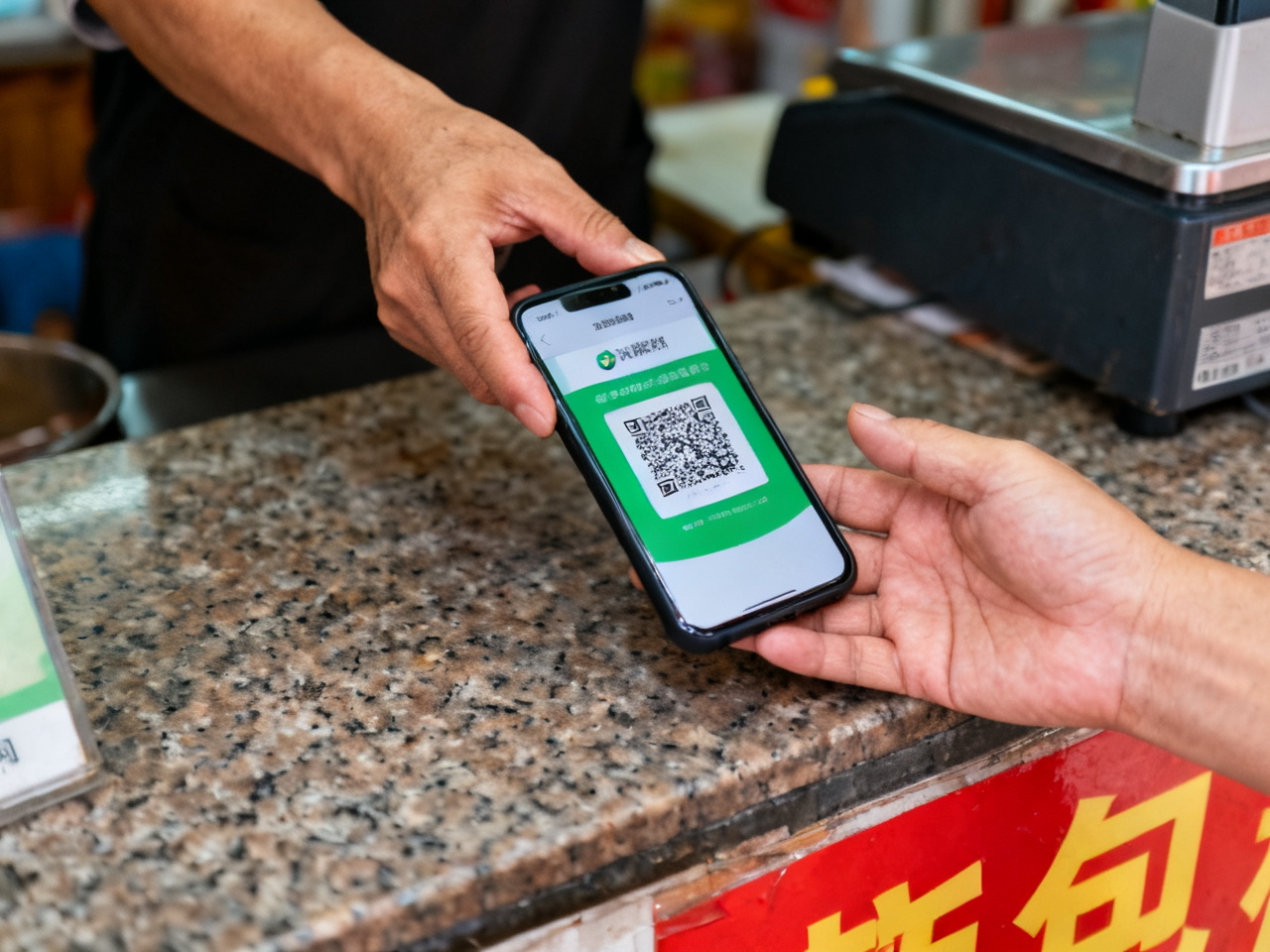
后来我拿着那份甑糕站回夜市巷子里时,手上还有一点刚才紧张留下的汗,耳边是摊主招呼客人的声音,灯光把一排招牌照得很亮。我忽然觉得,自己在西安学会的并不是某个支付技巧本身,而是一种更安稳的判断:在中国这种高频扫码环境里,付款失败不是故事的中断,而只是流程里一个可以被温和处理的小弯。只要我接受这一点,夜市就不再像一场随时会让我出糗的测试,而更像一套我正在慢慢学会配合的日常秩序。
When I stepped back into the market lane with my snack in hand, I could still feel a little sweat from the tension on my palm. Around me were stall owners calling out to customers, and the lights made the row of signs glow brightly. I suddenly felt that what I had learned in Xi’an was not merely a payment trick. It was a steadier judgment: in a high-frequency QR-code environment like China, payment failure is not the interruption of the story. It is only a small bend in a process that can be handled gently. Once I accepted that, the night market stopped feeling like a test waiting for me to embarrass myself. It became a daily order that I was slowly learning to cooperate with.

- 牛肉下锅前,潮州人先把时间切薄 | Before the Beef Enters the Pot, Chaozhou Cuts Time Thin
- 昆明蓝花楹城市漫步:把春天走成一条紫色街巷 | A Jacaranda Walk in Kunming: Turning Spring into a Purple Street
- 中国礼仪与风俗 | Chinese Etiquette and Customs
- 敦煌到吐鲁番:三天穿越丝绸之路 | Dunhuang to Turpan: A 3-Day Silk Road Crossing
- 我在重庆磁器口边走边吃陈麻花:现金和扫码怎么备份 | Walking and Snacking in Ciqikou, Chongqing: Payment Backup Plan
- 成都最会让国外镜头停久一点的,往往不是熊猫,而是人坐下来以后那股松弛 | What Most Often Makes Foreign Cameras Linger in Chengdu Is Not the Pandas but the Ease That Begins Once People Sit Down
- 婚礼与节庆中的传统服饰 | Traditional Dress in Chinese Weddings & Festivals
- 扬州早茶的一场耐心训练 | A Lesson in Patience at Yangzhou Morning Tea
- 成都大熊猫与宽窄巷子 | Chengdu: Giant Pandas & Kuanzhai Alley
- 中国旅游礼仪与文化禁忌 | Travel Etiquette & Cultural Taboos in China
Comments (0)