
京剧昆曲观演入门:买票选座与看懂门道 | Peking Opera & Kunqu: Tickets, Seats & How to Watch
京剧昆曲观演入门 | Beginner's Guide to Peking Opera and Kunqu
京剧和昆曲是中国最具代表性的传统戏曲,被列入联合国非物质文化遗产名录。即使看不懂唱词,视觉和音乐体验也绝对值回票价。
Peking Opera and Kunqu are China's most representative traditional operas, both listed as UNESCO Intangible Cultural Heritage. Even without understanding the lyrics, the visual and musical experience is worth every penny.
京剧入门 | Peking Opera Basics
四大行当 — 生(男性角色)、旦(女性角色)、净(花脸,性格鲜明的角色)、丑(喜剧角色)。光看脸谱颜色就能判断角色:红脸忠义(关羽)、白脸奸诈(曹操)、黑脸刚正(包拯)。
Four role types — Sheng (male), Dan (female), Jing (painted face, strong characters), Chou (comic). Facial paint reveals character: red = loyal (Guan Yu), white = treacherous (Cao Cao), black = righteous (Bao Zheng).
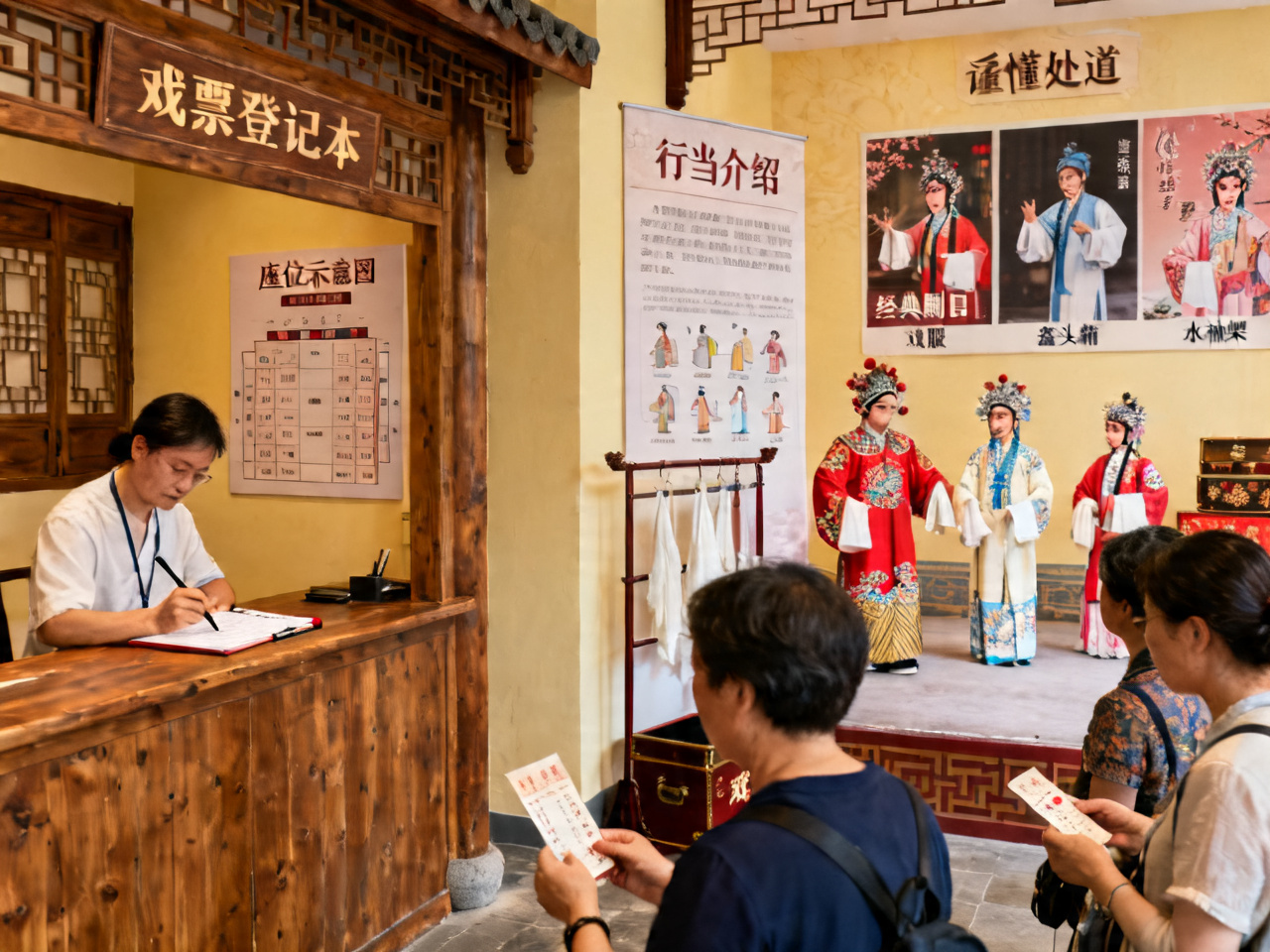
推荐剧目 — 初看京剧选武戏最过瘾:《三岔口》(黑暗中打斗,不需要懂唱词)、《闹天宫》(孙悟空大战天兵)。文戏推荐《贵妃醉酒》。
Recommended for first-timers: martial plays are most exciting — "Crossroads" (fighting in the dark, no lyrics needed), "Havoc in Heaven" (Monkey King battles celestial soldiers). For vocal drama, try "The Drunken Concubine."
昆曲入门 | Kunqu Basics
昆曲比京剧更古老(600年历史),被称为"百戏之祖"。节奏比京剧慢,唱腔更加婉转,文词极其优美。最著名的剧目是汤显祖的《牡丹亭》——一个跨越生死的爱情故事。
Kunqu is older than Peking Opera (600 years) and called "the mother of all Chinese opera." Slower-paced than Peking Opera, with more lyrical singing and exquisitely refined libretto. The most famous work is Tang Xianzu's "The Peony Pavilion" — a love story that transcends life and death.
在哪里看 | Where to Watch
| 城市 City | 剧场 Venue | 特色 Feature | 票价 Price |
|---|---|---|---|
| 北京 Beijing | 梅兰芳大剧院 | 专业京剧 Pro Peking Opera | ¥100-680 |
| 北京 Beijing | 国家大剧院 | 昆曲精品 Premium Kunqu | ¥80-500 |
| 上海 Shanghai | 天蟾逸夫舞台 | 各类戏曲 Mixed Opera | ¥60-380 |
| 苏州 Suzhou | 昆剧院/园林实景 | 园林昆曲 Garden Kunqu | ¥80-300 |
观演礼仪 | Audience Etiquette
中国戏曲观众不像西方那样安静——精彩处可以大声叫"好!"这是对演员最高的赞美。但手机一定要静音。提前到场,演出期间不要频繁进出。
Chinese opera audiences aren't quiet like Western ones — shout "Hao!" (bravo) at impressive moments, the highest praise for performers. But silence your phone. Arrive early and avoid frequent exits during the performance.
小贴士 | Tips: 很多剧场座位上方有中英文字幕屏。选前排可以看清演员的眼神和手势细节。 Many theaters have Chinese-English subtitle screens above the seats. Front rows let you catch actors' eye expressions and hand gesture details.
延伸阅读 / Related Reads

- 在中国夜间抵达后,我怎样判断回酒店的路最稳妥 | How I Judge the Safest Way Back to My Hotel After Arriving Late in China
- 第一次去中国,你可能准备错了 | First Trip to China: You're Probably Preparing for the Wrong Things
- 中国住宿避坑指南:酒店民宿青旅怎么选 | Accommodation in China: Hotels, B&Bs & Hostels
- 中国白酒与黄酒:送礼自饮怎么选 | Chinese Baijiu & Huangjiu: Gift & Tasting Guide
- 上海外滩与弄堂文化探索 | Shanghai: The Bund & Longtang Culture
- 很多人第一次敢把中国行程定下来,往往是因为先在上海找到了顺手感 | Many People Finally Commit to a China Trip Because Shanghai Gives Them a First Sense of Ease
- 我原以为宋代喝茶最讲究的是器物,后来才发现最难学的是桌边那种慢劲 | I Thought Song Tea Culture Was Mostly About Objects Until I Realized the Hardest Thing to Learn Was the Calm Pace at the Table
- 情人节浪漫旅游路线 | Valentine's Day Romantic Travel Routes
- 旗袍租赁体验:哪里拍照最好看 | Qipao Rental Experience: Best Photo Spots
- 最值得购买的中国纪念品 | Best Chinese Souvenirs to Buy
Comments (0)