
我在青岛海边学会先看风和潮的方向,再决定坐在哪一排 | In Qingdao by the Sea, I Learned to Check the Wind and Tide First Before Choosing Where to Sit
我在青岛海边学会先看风和潮的方向,再决定坐在哪一排 | In Qingdao by the Sea, I Learned to Check the Wind and Tide First Before Choosing Where to Sit
我第一次在青岛海边坐下没多久就后悔,不是因为风景不好,而是因为我选座位时只看了“离海近不近”,没有看风和潮的方向。那天下午阳光很好,海面亮得几乎发白,岸边不少人都在拍照、喝咖啡、吹风。我也很自然地想找一个最靠前的位置,觉得这样才算真正“临海”。可坐了不到十分钟,我就发现风一直把细小水汽和凉意往脸上推,旁边有人放在栏杆边的纸袋也被吹得不停抖动。那时我才明白,在青岛,看海不是先抢第一排,而是先判断海风和海水今天怎么动。
The first time I regretted where I sat by the sea in Qingdao, it was not because the view was bad, but because I had chosen only by asking how close the seat was to the water, without checking the wind or the tide. The sunlight that afternoon was excellent, the sea surface almost white with brightness, and many people along the shore were taking photos, drinking coffee, and enjoying the breeze. Naturally, I wanted the very front row too. It felt like the proper way to be “by the sea.” But less than ten minutes after sitting down, I realized the wind was constantly pushing fine mist and chill toward my face, and even a paper bag someone had left near the railing was trembling nonstop. That was when I understood that in Qingdao, seeing the sea is not about grabbing the first row first. It is about judging how the wind and water are moving that day.
后来我慢慢养成了一个很具体的习惯:到海边先不急着坐,而是先站一会儿,看风把人的头发、衣角、塑料杯和树叶往哪边带;再看潮位是不是正在靠近台阶、礁石或者栈道边缘。这个动作特别适合外国游客,因为很多人初到海边,容易只被画面吸引,忽略身体感受和退路。你看起来只是选一把椅子,实际上是在决定接下来半小时会不会舒服、包会不会被打湿、照片会不会一直被风吹乱头发,也在决定如果天气一变,自己是不是能轻松起身离开。
Later I developed a very concrete habit: when I reach the waterfront, I do not sit immediately. I stand for a moment first and watch where the wind is carrying people’s hair, jacket hems, plastic cups, and leaves. Then I check whether the tide is edging closer to steps, rocks, or the edge of the boardwalk. This is especially useful for foreign visitors, because many people arrive at the seaside and get captured by the image alone while overlooking bodily comfort and retreat options. It may look as if you are only choosing a chair, but in reality you are deciding whether the next half hour will be comfortable, whether your bag may get damp, whether every photo will involve windblown hair, and whether you can leave easily if the weather changes.
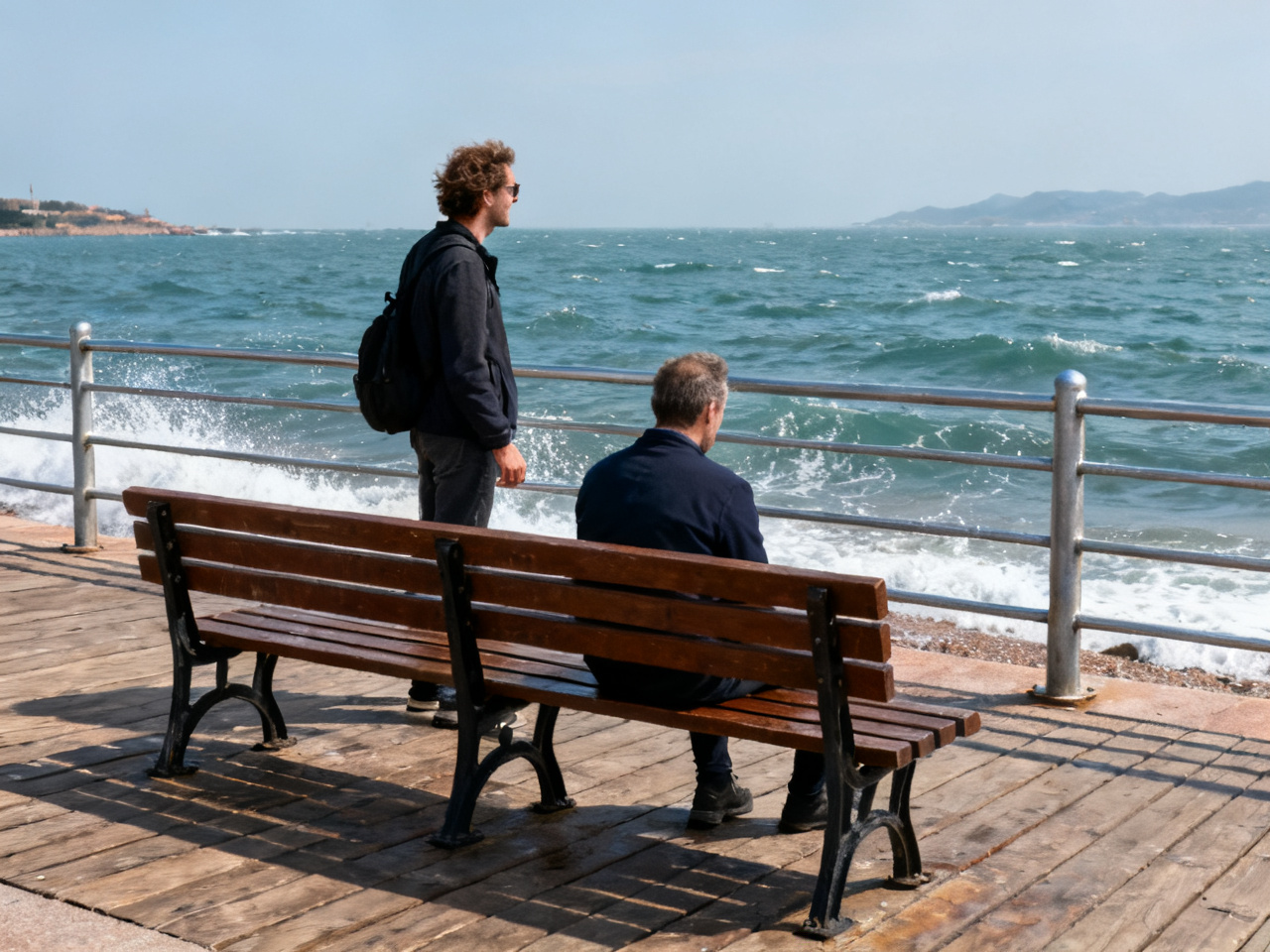
我真正把这个经验记住,是在八大关附近一次傍晚。海边的长椅看上去都差不多,可我站着看了一小会儿后,发现同一排座位里,最靠外的那几张一直吃风,坐在上面的人不是按帽子,就是低头护住饮料;而稍微退后一点、靠近树和墙面的座位,视野虽然只少了一点点,整个人却明显放松得多。那天我没有再执着于“最近”,而是选了一个风能过去但不会直接打在身上的位置。后来朋友到了以后,我们聊天、看海、拍照都很轻松。那一次让我越来越认同多重确认比单一判断更稳,因为在海边,“能看到海”只是条件之一,“能舒服地待着”同样重要。
I truly remembered this lesson one evening near the Badaguan area. The benches by the shore looked almost the same, but after standing there for a little while, I noticed that the outermost seats in the same row were taking the full force of the wind. The people sitting there kept pressing down their hats or lowering their heads to protect their drinks. The seats slightly farther back, closer to trees or a wall, gave up only a tiny amount of view, yet everyone there looked much more relaxed. That day I stopped insisting on being the absolute closest and chose a place where the wind could still pass through without hitting me directly. When my friend arrived, chatting, looking at the water, and taking pictures all felt easy. That experience made me agree more and more that layered confirmation is steadier than single judgment, because by the sea, “I can see the water” is only one condition. “I can stay here comfortably” matters just as much.
后来我也开始看潮。青岛有些海边位置,在潮位上来以后和刚到时会完全不是同一种体验。你刚坐下时觉得脚边很宽,拍照也容易,可过一阵水线抬高,风又往岸上送湿气,原本轻松的地方就会突然变得局促。尤其如果你包里有纸质票据、相机、充电宝或者外套,这种变化会比想象中更烦。所以我现在会先看礁石露出多少、海水离栏杆或台阶还有多远,再决定到底坐多久、坐多靠前。这个小动作和我后来在别的中国城市学会的一样:先看环境是不是支持你放松,再把自己交给风景。
Later I began watching the tide too. In some Qingdao waterfront spots, the experience after the water rises can become completely different from what it felt like when you first arrived. At the beginning, the space by your feet may feel wide and easy for photos. But after a while, the waterline lifts, the wind sends dampness inland, and a spot that once felt relaxed can suddenly become cramped. If you are carrying paper tickets, a camera, a power bank, or an extra jacket, the change can become more annoying than expected. So now I first check how much rock is still exposed and how far the water is from railings or steps before deciding how long to sit and how close to sit. The habit resembles something I later learned in other Chinese cities too: first check whether the environment is actually supporting your comfort, and only then hand yourself over to the scenery.
有一次我在栈桥附近看海,本来已经想直接坐到最前面的栏杆边,后来却先停下来看了几秒。我发现风并不是直吹出去,而是沿着岸线斜着卷过来,海面上的碎浪也不断往同一个方向推。再加上游客来回走动、拍照让出的位置变化很快,最前一排其实并不稳定。于是我退到第二排偏侧的位置,既能看到海,也不用每隔几分钟就挪包、按帽子、整理围巾。那次之后,我越来越相信安全感和舒适感来自日常细节这件事,因为风景再好,如果身体一直在应付风和湿气,人也很难真正放松下来。
Once, near Zhanqiao, I was ready to sit right at the front by the railing, but I paused and watched for a few seconds first. I noticed that the wind was not blowing straight outward. It was sweeping diagonally along the shoreline, and the broken lines of waves were also being pushed in the same direction. Added to that, the constant movement of tourists taking photos meant that the very front row was not actually stable at all. So I stepped back to a slightly off-center seat in the second row. I could still see the sea clearly without having to keep moving my bag, pressing down a hat, or adjusting a scarf every few minutes. After that, I believed even more firmly that comfort and safety grow from everyday details, because no matter how beautiful the scenery is, it is hard to truly relax if your body is constantly negotiating with wind and moisture.
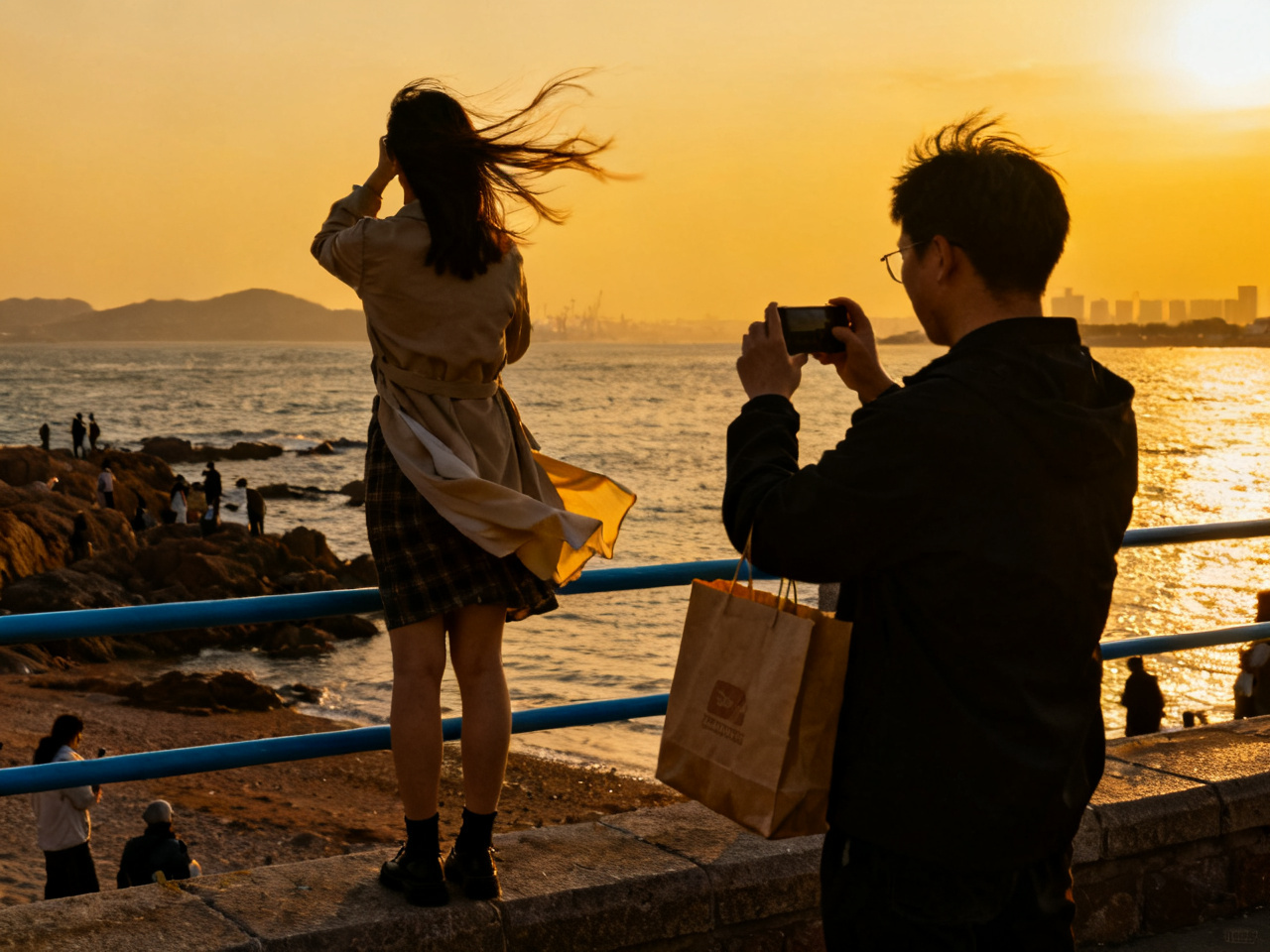
如果现在有人问我,在青岛海边最值得先学会的是什么,我会说,不是抢第一排,也不是立刻拿出相机,而是先看风、先看潮。先判断今天海边是欢迎你久坐,还是更适合站一会儿看看;先确认身体能不能舒服地待住,再决定照片该怎么拍。这个习惯让我后来在青岛看海时轻松了很多,也让我慢慢明白,真正成熟的旅行方式,不是永远离风景最近,而是总能找到一个既看得到、也待得住的位置。
If someone asks me now what is most worth learning first by the sea in Qingdao, I would say: do not rush for the first row, and do not pull out the camera immediately. Check the wind first, then the tide. Judge whether the waterfront is welcoming a long sit that day or whether it is better for standing and watching briefly. Confirm whether your body can stay there comfortably before deciding how to frame the pictures. This habit made Qingdao’s seaside much easier for me to enjoy, and it slowly taught me that mature travel is not about always being physically closest to the scenery. It is about finding a place where you can both see it and remain at ease.

- 暑期汛期去旅行:那场山里暴雨教我的安全课 | A Mountain Rainstorm Taught Me the Real Safety Lesson of Summer Travel in China
- 带爸妈游中国七日:一份不累不赶的行程单 | 7 Days in China with Aging Parents: A No-Rush Itinerary
- 第一次去中国,你可能准备错了 | First Trip to China: You're Probably Preparing for the Wrong Things
- 外国人第一次夜游中国城市的安全感 | The Sense of Safety I Felt on My First Night Walk in a Chinese City
- 我第一次在中国茶馆里学会慢下来 | The First Time I Learned to Slow Down in a Chinese Teahouse
- 夜市烧烤摊的烟火气,教我别只找网红餐厅 | Smoke from a Night Grill Taught Me Not to Only Chase Viral Restaurants
- 面塑摊前的半个下午:我第一次看见面团也能有表情 | At a Dough Figurine Stall: The First Time I Saw Flour and Dough Grow a Face
- 中国社交礼仪速成:称呼、送礼与餐桌文化 | Chinese Social Etiquette: Greetings, Gifts & Dining
- 中国入境全流程:签证、交通与必备App | Entering China: Visa, Transport & Must-Have Apps
- 广州一下雨,真正该重排的不是心情,而是那条原本顺手的晴天路线 | Once Rain Hits Guangzhou, What Needs Rearranging Is Not Your Mood but the Sunny-Day Route You Trusted
Comments (0)