
落地后的第一笔钱:在中国旅行建立支付备用方案 | Your First Payment After Landing: Building a Backup Plan for Travel in China
落地后的第一笔钱:在中国旅行建立支付备用方案 | Your First Payment After Landing: Building a Backup Plan for Travel in China
第二天出门前,先把支付备用方案从“知道怎么做”变成“手边真的能用”。中国旅行中最容易让人措手不及的,不是大型商场,而是早晨赶车时手机突然没有网络、银行卡被风控、二维码页面迟迟打不开。前一晚可以把护照、少量现金、实体银行卡和手机放在同一个容易取出的内袋里,并确认手机电量、充电宝电量都足够。现金不必带很多,准备一些小额人民币更实用,尤其适合早餐摊、老街小店和临时买水。电子支付仍然是主力,但备用方案必须在不依赖单一网络或单一应用的情况下成立。
Before leaving on the second morning, turn your backup payment plan from something you merely understand into something you can actually use. In China, the most stressful failures often happen not in large shopping malls, but while you are rushing for a train and your phone loses data, your bank card is flagged, or a QR-code page refuses to load. The night before, place your passport, a small amount of cash, a physical bank card, and your phone in the same accessible inner pocket, and check both your phone and power bank. You do not need much cash; small RMB notes and coins are especially useful at breakfast stalls, old-town shops, and for buying water. Digital payment may remain your main method, but your backup should not depend on one network or one application.
如果第二天要乘地铁或公交,最稳妥的做法是提前确认交通卡或乘车码仍然有效,并截取必要的行程信息。截图不能代替实时乘车码,但能在没有网络时帮助你核对线路、站名和换乘方向。部分城市的地铁闸机支持银行卡或手机钱包的非接触式支付,部分城市则必须使用本地乘车码,不能想当然地认为每个地方都一样。遇到闸机不识别二维码时,不要连续刷新很多次,这可能让应用进入异常状态。先退出页面、切换网络,再重新打开;如果仍失败,就到服务台说明目的地,让工作人员协助购买单程票或充值。
If you will use the metro or a bus, confirm in advance that your transit card or ride code is still active, and save screenshots of the essential route information. A screenshot cannot replace a live ride code, but it can help you check line names, station names, and transfer directions when data is unavailable. Some cities accept contactless bank cards or mobile wallets at metro gates, while others require a local transit code, so never assume every city works the same way. If a gate fails to recognize your QR code, do not keep refreshing repeatedly, as the app may enter an abnormal state. Exit the page, change the network, and reopen it. If that still fails, go to the service counter, show your destination, and ask for a single-ride ticket or a top-up.
早上的小店是检验备用支付是否可靠的好场景。面馆、包子铺、便利店可能只有一个贴在柜台上的二维码,店员也未必能处理复杂的外卡支付。付款前先看清收款名称和金额,避免把个人收款码误当成商户码,也不要在公共场合大声念出验证码。若二维码打不开,可以直接问“可以现金吗”,同时拿出小额纸币。店家找零不足时,可以改买价格接近的商品,或请店员协助使用其他收款方式。付款成功后保留订单页面或通知记录,等几秒确认不是“处理中”,再离开柜台。
A small morning shop is an excellent test of whether your backup plan really works. A noodle stall, bun shop, or convenience store may have only one QR code taped to the counter, and the cashier may not be able to handle complicated foreign-card payments. Before paying, check the merchant name and amount carefully. Do not mistake a personal collection code for a business code, and never read a verification code aloud in public. If the QR code will not open, simply ask whether cash is accepted and use a small note. If the shop cannot make change, choose items with a similar total or ask whether another payment method is available. Keep the payment confirmation and wait a few seconds to make sure it is not still processing before leaving.
乘坐出租车或网约车时,支付故障通常发生在行程结束的瞬间。车已经到达,后面又有其他车辆排队,乘客容易因为着急而重复点击付款。遇到扣款失败,先向司机解释正在处理,不要立刻卸载应用或更换账号。检查网络和余额后重新尝试一次,并查看银行是否已经产生预授权或扣款记录。如果银行显示已扣款而平台仍提示未支付,保存截图和订单号,向司机展示处理状态,避免重复付款。确实需要改用现金时,应先确认最终车费,并索取电子行程记录或发票入口,方便之后核对。
With taxis and ride-hailing services, payment problems often appear at the exact moment the trip ends. The car has arrived, other vehicles may be waiting behind it, and the passenger may panic and tap the payment button repeatedly. If a charge fails, tell the driver that the transaction is being processed instead of immediately deleting the app or switching accounts. Check your connection and balance, try once more, and look at your bank app for an authorization or completed charge. If the bank shows a deduction while the ride platform still says unpaid, save screenshots and the order number, show the status to the driver, and avoid paying twice. If cash is truly necessary, confirm the final fare and keep the trip record or invoice entry for later checking.
到酒店办理第二晚入住或续住时,最好不要只依赖手机里的电子凭证。前台可能需要护照原件,也可能要求再次验证预订人的姓名、入住日期和付款状态。若酒店系统显示“未付款”,先不要急着再次刷卡,把预订确认、银行记录和平台订单放在一起核对。有些订单只是担保预授权,真正的房费会在入住或退房时结算;也有些平台已经收款,但酒店尚未同步。请前台标明需要支付的项目,是房费、押金、早餐,还是城市相关费用,并确认押金退还方式和时间。
When checking in for the second night or extending your stay, do not rely only on an electronic voucher on your phone. The front desk may need your passport and may ask to verify the reservation name, dates, and payment status again. If the hotel system says “unpaid,” do not immediately swipe your card a second time. Compare the booking confirmation, bank record, and platform order together. Some reservations are only pre-authorizations, with the actual room charge collected at check-in or checkout; in other cases, the platform has already collected the money but the hotel has not synchronized its system. Ask the staff to identify each charge—room rate, deposit, breakfast, or local fee—and confirm how and when the deposit will be returned.
酒店押金是第二天复核中最值得记录的一项。入住时拍下或记下押金金额、支付方式和前台说明,退房时确认取消预授权或办理退款,而不是只听到“已经退了”就离开。不同银行到账时间可能不同,尤其是境外卡,解除预授权有时不会马上显示为一笔入账。若使用现金押金,应当场拿回现金并核对金额;若使用银行卡,应保留小票或交易凭证。发现重复扣款、金额不一致或房间消费记录错误时,先请酒店打印明细,再联系预订平台或发卡行,按时间、金额和订单号逐项说明。
The hotel deposit deserves special attention during the second-day review. At check-in, note or photograph the deposit amount, payment method, and the front desk’s explanation. At checkout, confirm that the authorization has been released or that a refund has been initiated rather than leaving with only a verbal assurance. The timing varies by bank, and overseas cards may not show the release immediately as a new credit. If the deposit was paid in cash, count the returned money at the desk. If it was paid by card, keep the receipt or transaction record. For duplicate charges, mismatched amounts, or incorrect room-consumption records, first request an itemized statement, then contact the booking platform or card issuer with the time, amount, and booking number.
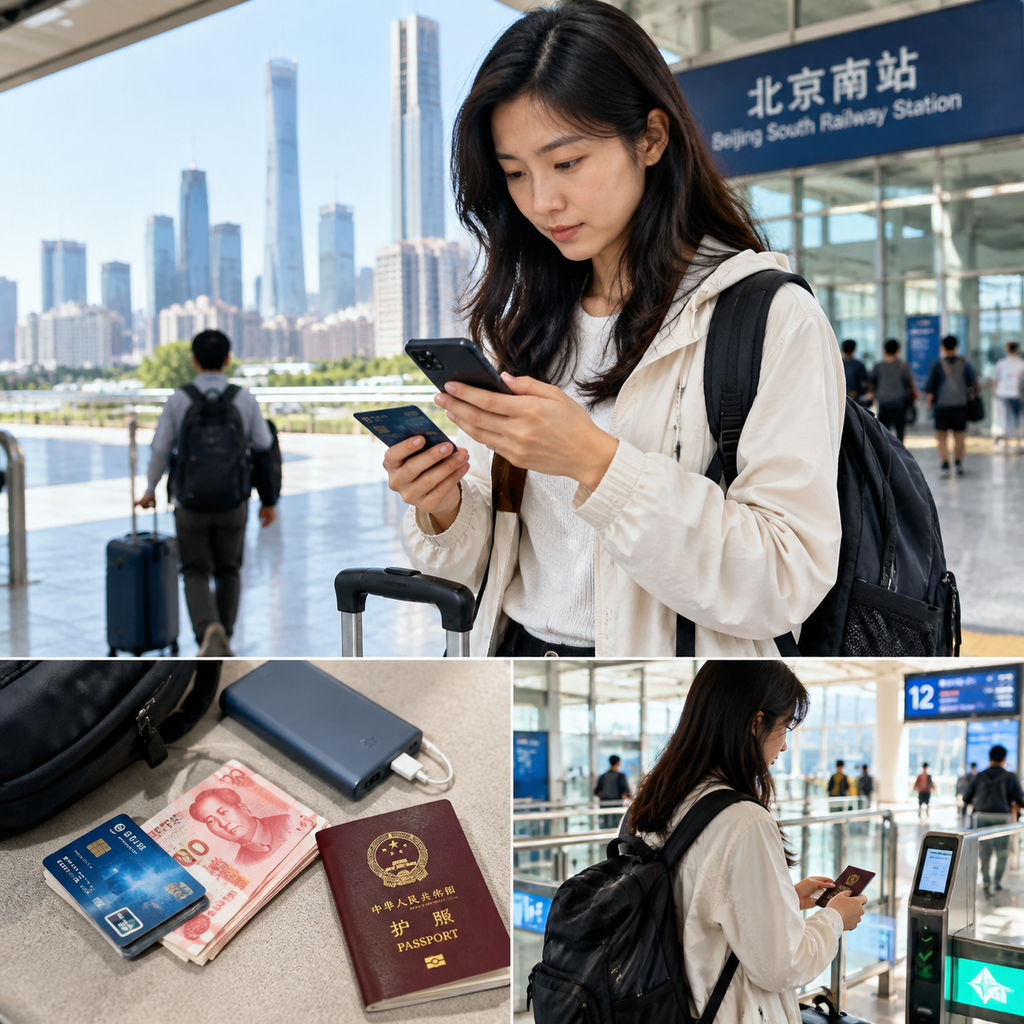
晚上回到房间后,用几分钟做一次支付复核:看银行通知是否出现陌生扣款,检查当天交通和小店订单有没有重复,确认钱包里还剩多少现金,并给手机和充电宝充电。不要把所有现金、卡片和证件放在同一个地方;第二天若要长途移动,可以把一部分现金放在行李夹层,把常用的小额现金放在随身钱包。若某个应用连续报错,记录错误提示和发生时间,不要为了“恢复正常”反复输入密码。必要时联系银行或平台客服,并在安全的网络环境下操作。这样处理,支付故障就不会从一次小麻烦扩展成误扣款、赶不上车或无法入住的连锁问题。
After returning to your room, spend a few minutes reviewing the day’s payments: check for unfamiliar bank notifications, look for duplicate transport or shop orders, count your remaining cash, and charge both your phone and power bank. Do not keep all your cash, cards, and documents in one place. If you will travel farther the next day, store some cash in a separate luggage compartment and keep only a small working amount in your wallet. If an app repeatedly shows an error, record the message and time instead of entering your password again and again. Contact the bank or platform when necessary and use a trusted network. With this routine, a payment failure remains a manageable inconvenience rather than becoming a chain of duplicate charges, a missed departure, or a hotel check-in problem.
从机场或车站前往市区时,先把“抵达后的首段交通”单独做成预算,不要把所有费用都压在同一个支付账户里。机场快线、地铁和出租车的收费方式可能完全不同,网络拥堵时也可能出现扣款延迟。下车或进站前,确认目的地、票价和付款页面显示的币种;如果机器只接受特定卡片或本地二维码,就不要在闸机前反复尝试已经失败的方式。可以先到人工窗口询问单程票,再利用车站的免费网络处理账户问题。把酒店地址用中文保存到手机,也准备一张写有地址的纸条,避免支付失败时还要依赖无法打开的地图。
When travelling from an airport or railway station into the city, set aside a separate budget for the first transport leg instead of placing every expense in one payment account. An airport express, a metro system, and a taxi may use completely different payment methods, and a crowded network can delay a charge. Before boarding or leaving the station, check the destination, fare, and currency shown on the payment screen. If a machine accepts only a particular card or local QR code, do not keep repeating the same failed attempt at the gate. Ask at a staffed counter for a single-ride ticket, then use the station’s free Wi-Fi to solve the account problem. Save the hotel address in Chinese and keep it on paper as well, so a failed payment does not also leave you without reliable map access.
使用自动售票机时,最重要的是分清“机器没有出票”和“银行卡已经扣款”这两种情况。机器卡住或屏幕返回首页后,不要立刻再次购买同一张票。先查看出票口、退币口和打印凭条的位置,再检查银行通知。如果已经扣款但没有车票,拍下机器编号、时间和错误提示,向服务台说明情况,通常比在另一台机器上盲目重复付款更容易追踪。现金购票也要当场数清找零;若机器只收大额纸币,可以请工作人员兑换,或者改到窗口办理。
At a ticket machine, distinguish between “no ticket was issued” and “the bank card was already charged.” If the machine freezes or returns to its home screen, do not immediately buy the same ticket again. Check the ticket slot, change tray, and receipt outlet, then review your bank notification. If the charge went through without a ticket, photograph the machine number, time, and error message and report them to the service desk. This is easier to trace than making an unrecorded second payment at another machine. Count change immediately when paying cash. If the machine accepts only large notes, ask staff to make change or use a staffed window instead.
网约车上车后也要留意订单状态。有时司机已经接单并开始行程,但平台仍显示待支付或定位异常,导致终点费用无法自动结算。不要把手机交给陌生人输入密码,也不要根据弹出的陌生链接重新绑定银行卡。可以请司机在平台内结束订单,记录车牌和订单信息,再在安全地点处理付款。若司机无法等待,可在确认金额后用现金支付,并让司机在订单中备注已收款;之后联系平台客服时,同时提供行程时间、车牌和付款凭证。
Pay attention to the ride status after entering a ride-hailing car. The driver may have accepted the trip and started driving while the platform still shows an unpaid order or a location error, preventing automatic settlement at the destination. Do not hand your phone to a stranger to enter a password, and do not rebind your bank card through an unfamiliar pop-up link. Ask the driver to end the trip inside the platform, note the plate number and order details, and handle the payment in a safe place. If the driver cannot wait, pay cash only after confirming the amount, and ask the driver to mark the order as collected. When contacting support later, provide the trip time, plate number, and payment evidence together.
酒店入住时若刷卡终端离线,前台可能提出现金押金或要求稍后补刷。先问清楚这是临时授权、正式扣款还是现金担保,并把金额写在入住单上。不要为了尽快拿到房卡而接受没有明细的收费;如果房费已经由平台支付,应要求前台把“已付房费”和“待付押金”分开显示。没有足够现金时,可以礼貌询问是否能降低押金额度、改用另一张实体卡,或等待网络恢复后再办理,而不是把多张卡连续插入同一台故障终端。
If the hotel card terminal is offline at check-in, the front desk may suggest a cash deposit or ask you to pay by card later. Clarify whether the amount is a temporary authorization, a completed charge, or a cash guarantee, and have the amount written on the check-in form. Do not accept an unexplained fee simply to obtain the room key quickly. If the room was prepaid through a platform, ask the front desk to show the paid room charge and the outstanding deposit separately. If you do not have enough cash, politely ask whether the deposit can be reduced, another physical card can be used, or check-in can wait until the connection returns. Avoid inserting several cards repeatedly into a malfunctioning terminal.
备用方案的核心不是携带大量现金,而是让每一步都有可替代的出口:地铁失败时能买纸票,网约车失败时能核对车费并保留行程,酒店系统不同步时能用订单和银行记录证明付款。把客服入口、银行紧急电话、酒店电话和同行人的联系方式提前保存,并在离开机场或车站前完成一次小额测试。测试成功后仍要保留现金和实体卡,因为真正的故障往往发生在最赶时间的那几分钟。
The goal of a backup plan is not to carry a large amount of cash, but to give every step an alternative exit: buy a paper ticket when the metro fails, verify the fare and retain the trip record when ride-hailing payment fails, and prove payment with booking and bank records when a hotel system is out of sync. Save the support channels, emergency bank number, hotel phone number, and a companion’s contact details in advance. Complete a small test payment before leaving the airport or station. Even after it succeeds, keep some cash and a physical card, because real failures often occur during the few minutes when you are under the greatest time pressure.
支付故障发生后,银行和平台的复核要分开进行。先看银行端是否显示“已完成”“处理中”或“已撤销”,再打开支付平台核对订单状态、商户名称和实际金额。银行通知里的商户名称有时是收单机构名称,不一定与店铺招牌相同,因此还要结合消费时间和金额判断。若两边状态不一致,不要只截取一张模糊的通知图;应保存订单详情、交易编号、币种、时间和错误提示。信息越完整,客服越容易判断是预授权、重复扣款、延迟入账,还是支付根本没有成功。
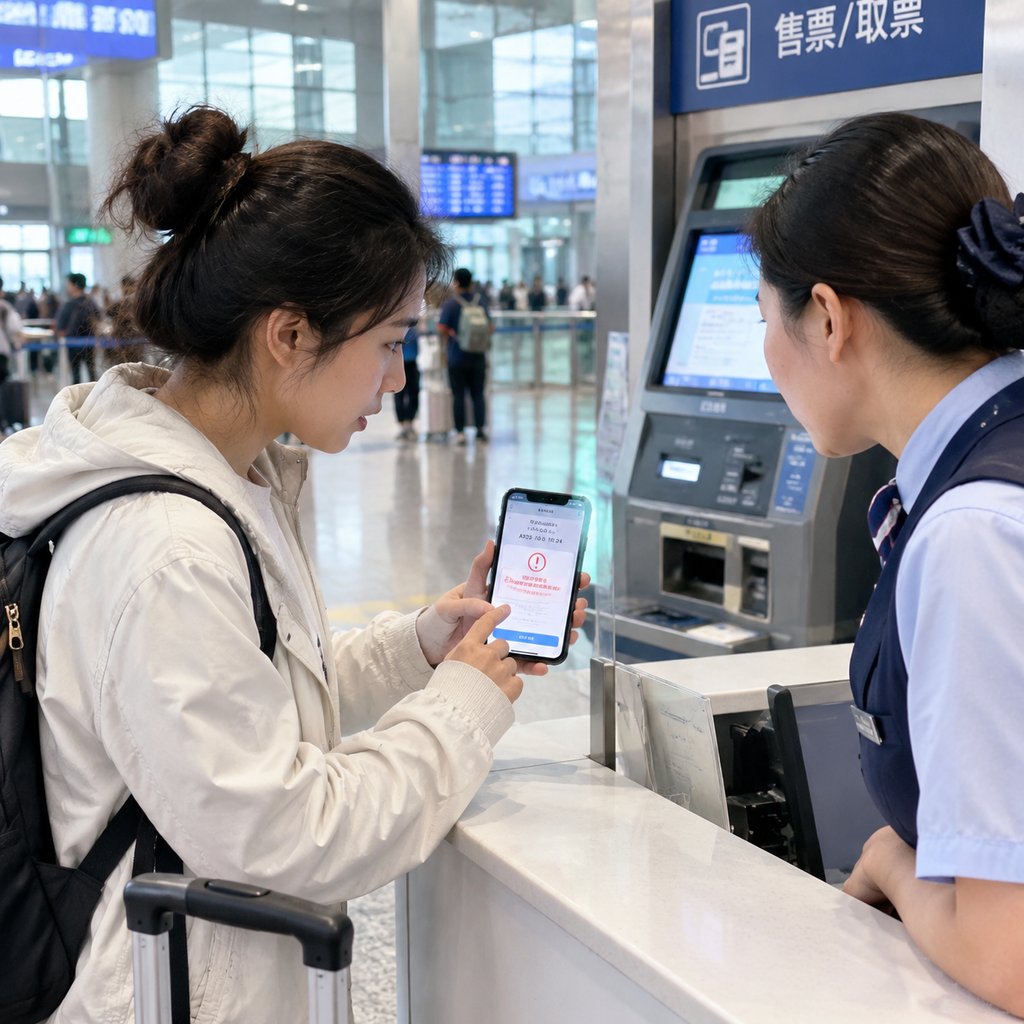
After a payment failure, review the bank and the platform separately. First check whether the bank marks the transaction as completed, pending, or reversed; then open the payment platform and compare the order status, merchant name, and exact amount. The merchant name in a bank alert may belong to a payment processor rather than the shop sign, so use the time and amount as additional clues. If the two systems disagree, do not save only a blurry notification screenshot. Keep the order details, transaction number, currency, time, and error message. The more complete the record, the easier it is for support staff to distinguish a pre-authorization, duplicate charge, delayed posting, or a payment that never succeeded.
联系发卡行时,最好使用银行卡背面的官方电话或银行应用内的客服入口,不要从搜索结果中的陌生号码拨打。说明自己人在中国、交易发生的城市和时间,并询问这笔款项是授权冻结还是已经结算。如果银行卡被临时风控,客服可能要求确认本人消费、解除境外交易限制,或建议更换实体卡。处理过程中不要透露短信验证码、完整密码或安全问题答案。银行解除限制后,也不要马上进行大额支付,可以先用一笔小额、明确的消费测试卡片是否恢复正常。
When contacting the card issuer, use the official number printed on the card or the support channel inside the bank’s app rather than an unfamiliar number found in a search result. Explain that you are in China, and give the city and time of the transaction. Ask whether the amount is an authorization hold or a settled charge. If the card has been temporarily blocked for fraud protection, the bank may ask you to confirm the purchase, enable overseas transactions, or use another physical card. Never disclose a text-message code, full password, or security-question answer. After the restriction is lifted, test the card with a small, clearly understood purchase before attempting a large payment.
联系平台客服时,叙述要客观而具体:订单何时生成,服务是否已经完成,平台显示什么,银行显示什么,以及你是否已经用现金或另一张卡支付。若是出租车、酒店或餐馆,附上车牌、入住单、消费小票等能够证明服务已经发生的资料。不要在同一个订单下反复提交互相矛盾的说明,也不要为了催促退款连续开很多工单。保留每次沟通的时间和工单编号,平台承诺退款时要问清退款原路返回、预计处理时间以及银行端可能出现的显示方式。
When contacting platform support, describe the facts precisely: when the order was created, whether the service was completed, what the platform shows, what the bank shows, and whether you paid with cash or another card. For a taxi, hotel, or restaurant, attach evidence such as a plate number, check-in form, or receipt. Do not submit contradictory explanations under the same order, and do not open many duplicate tickets just to speed up a refund. Keep the time and ticket number for every conversation. When a refund is promised, ask whether it will return to the original method, how long processing may take, and how it may appear on the bank statement.
第二天离店前,安排一个不赶时间的结账窗口。先检查房间抽屉、保险箱、浴室和充电插座,再到前台索取逐项账单。逐条确认房费、早餐、洗衣、迷你吧和押金,不明白的项目立即提出,不要等离开城市后才回忆。若前台说押金稍后释放,请让工作人员在账单或收据上注明金额和处理方式,并拍下自己的凭证。离店后把酒店名称、订单号、退房时间和押金金额记在同一条备忘录里,后续银行或平台追查时会省去许多往返解释。
Before leaving the next day, set aside enough time for checkout. Check the drawers, safe, bathroom, and charging outlets before going to the front desk, then request an itemized bill. Confirm the room rate, breakfast, laundry, minibar, and deposit one by one, and ask immediately about anything you do not understand. If staff say the deposit will be released later, ask them to note the amount and method on the bill or receipt, and photograph your copy. After leaving, record the hotel name, booking number, checkout time, and deposit amount in one note. This will save repeated explanations if the bank or platform needs to investigate later.
拿到退房凭证后,不要急着把相关信息删掉。可以在手机里建立一个临时文件夹,保存酒店账单、交通订单、退款截图和银行通知,文件名采用日期加地点,便于回国后统一核对。若使用公共网络处理敏感账户,结束后退出账号,并关闭自动保存的登录状态。离店前还应把下一段交通费用单独留出,确认手机网络、导航和翻译工具可用;如果要去车站,提前查好入口和检票时间,避免把支付争议拖到赶车的最后几分钟。
After receiving the checkout document, do not delete the related information immediately. Create a temporary folder on your phone for the hotel bill, transport orders, refund screenshots, and bank alerts, using the date and place in each filename so you can review everything after returning home. If you use public Wi-Fi for a sensitive account, sign out and disable any saved login session afterward. Before leaving, set aside the fare for your next trip and confirm that mobile data, maps, and translation tools work. If you are going to a station, check its entrance and boarding time early instead of carrying a payment dispute into the final minutes before departure.
离开酒店一小时后,可以做最后一次现场核对。确认行李件数、护照和银行卡都在,查看平台是否已经生成离店状态,并给账单和收据各做一份云端或邮件备份。若发现遗失物品或账单项目有误,此时仍在同一城市,联系前台通常比几天后跨地区处理更快。对于仍处于“处理中”的款项,只记录变化,不要再次发起相同金额的付款。当天晚上再看一次银行动态即可,不必每隔几分钟刷新账户,让未完成的清算流程有正常处理时间。
About an hour after leaving the hotel, perform one final local check. Count your bags, confirm that your passport and bank cards are with you, see whether the platform now shows checkout as completed, and back up the bill and receipts to cloud storage or email. If you discover a forgotten item or billing error while still in the same city, contacting the front desk is usually easier than resolving it from another region several days later. For any charge still marked as pending, record the change but do not initiate another payment for the same amount. Check the bank again that evening rather than refreshing every few minutes, allowing normal settlement time.
如果银行或平台在当天仍未给出最终结果,也不必因此取消后续行程。只要你已经确认没有重复付款,保留了足够的现金和另一种支付方式,就可以把案件编号、金额和待办事项写清楚,按承诺时间跟进。回到熟悉的网络环境后,再检查最终账单和退款是否到账;若超过承诺期限,带着完整记录再次联系官方客服。一次故障不应定义整段旅行。真正可靠的做法,是在问题发生时不慌乱,在离店时把证据收好,在旅程结束后把每一笔钱核对清楚,然后带着更成熟的经验继续上路。
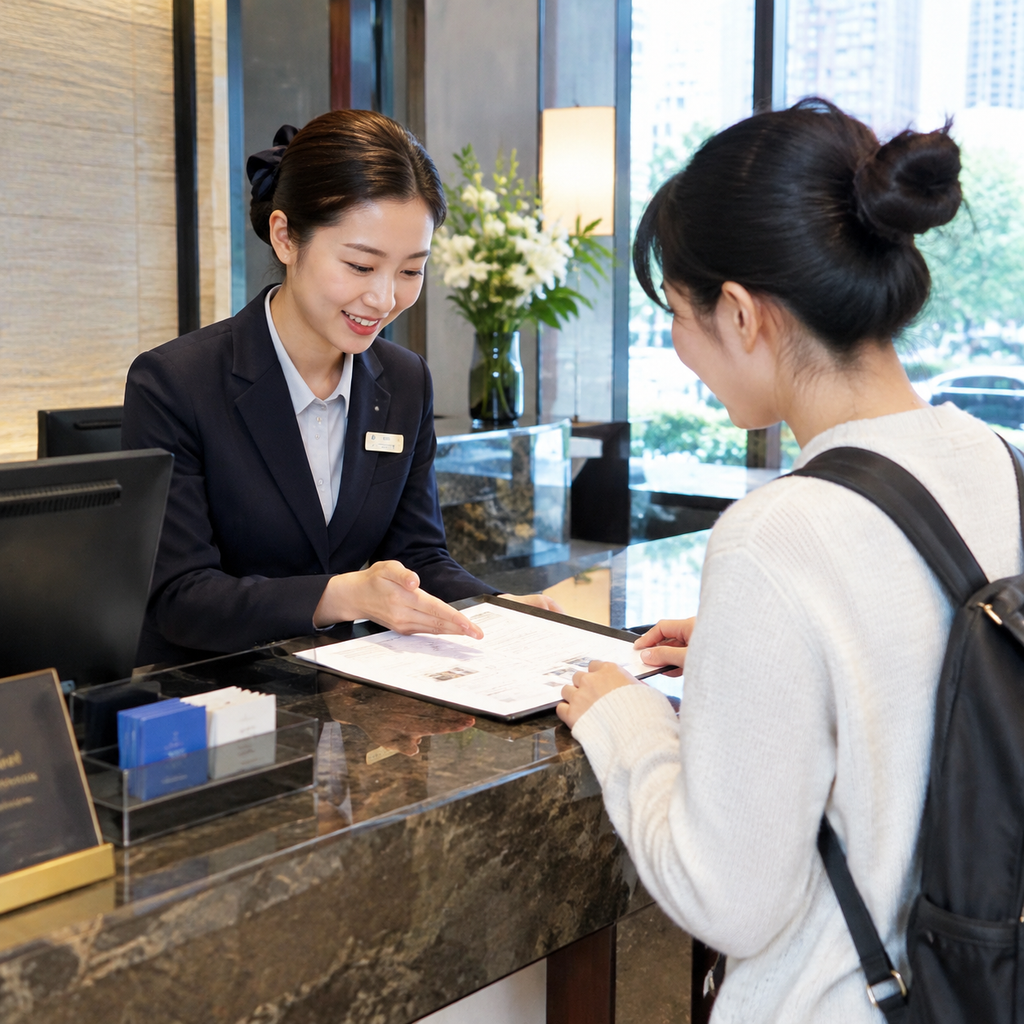
If the bank or platform has not reached a final decision by that day, there is no need to cancel the rest of your trip. Once you have confirmed that no duplicate payment was made and still have cash plus another payment method, write down the case number, amount, and next follow-up date. Review the final statement and refund after returning to a familiar network, and contact official support again if the promised deadline passes. One failure does not define an entire journey. A reliable response is to stay calm, preserve the evidence at checkout, reconcile every charge after the trip, and continue travelling with better experience and confidence.
如果准备前往偏远景区、古镇或跨省长途线路,实体卡和现金的作用会更加明显。出发前查清下一站是否有稳定的网络、银行网点和便利店,不要把“到了再取钱”当成必然可行的计划。实体银行卡最好分开存放,主卡放在随身钱包,备用卡放在行李夹层,并记住卡片背面的官方客服电话。现金则按一天交通、餐饮和紧急住宿的大致需要分成两份,避免钱包遗失后完全失去周转能力。
For a remote scenic area, an old town, or a long interprovincial route, a physical card and cash become even more valuable. Before leaving, check whether the next stop has reliable data service, a bank branch, or a convenience store; never assume you can withdraw money after arrival. Keep physical cards separately: place the main card in your daily wallet and a spare card in a luggage compartment, and save the official number printed on the card. Divide cash into two portions, roughly covering one day of transport, meals, and emergency lodging, so losing your wallet does not remove all your options.
实体卡使用时要注意卡片状态和交易环境。插卡、刷卡或感应付款前,先确认终端显示的金额和币种,尽量不要让卡片离开视线。若终端连续失败,先收回卡片,询问是否可以更换另一台机器或改用现金,不要在短时间内连续尝试多张卡。境外交易被拒并不代表卡片损坏,可能只是银行的地区限制、额度限制或风控拦截;记录失败时间,等确认原因后再行动。
When using a physical card, pay attention to both the card status and the payment environment. Before inserting, swiping, or tapping, check the amount and currency shown on the terminal, and keep the card in sight whenever possible. If the terminal fails repeatedly, take the card back and ask for another machine or a cash option instead of trying several cards in quick succession. A declined overseas transaction does not necessarily mean the card is damaged; it may reflect a regional restriction, spending limit, or fraud block. Record the time of failure and investigate before trying again.
现金也需要像电子账单一样管理。每天早上只带当天可能用到的数额,晚上把剩余现金和当天支出分开清点,发现少钱时还记得最近去过哪些柜台。小额纸币适合早餐、短途车费和临时购物,大额纸币则留给酒店、正规商店或需要找零能力较强的场所。收到找零后当场数清,破损或过度污损的纸币可能被小店拒收,可以及时在银行或大型商户处更换。
Cash needs the same discipline as digital statements. Each morning, carry only what you may need that day, and in the evening count the remainder separately from the day’s expenses. If the amount is short, you can still recall which counters you visited. Small notes are useful for breakfast, short rides, and quick purchases, while larger notes are better reserved for hotels or established shops that can make change. Count change at the counter. Torn or heavily damaged notes may be refused by small vendors, so replace them promptly at a bank or larger merchant.
充电不是附属事项,而是支付备用方案的一部分。长途出发前把手机和充电宝都充满,确认充电线能正常传输和充电,并准备一个适配当地插座的转换头。车站、机场和咖啡店的插座不一定安全或可用,公共充电口也可能存在数据风险,优先使用自己的充电头和充电宝。手机电量降到三成左右时就开始补电,不要等到付款、导航和翻译同时需要时才寻找插座。
Charging is not a minor detail; it is part of your payment backup plan. Fully charge both your phone and power bank before a long journey, test the cable for both charging and data transfer, and pack a plug adapter that fits local outlets. Sockets at stations, airports, and cafés may be occupied or unreliable, while public USB ports can create security risks, so use your own adapter and power bank whenever possible. Start charging when the phone reaches roughly thirty percent rather than waiting until payment, maps, and translation are all urgently needed.
如果手机进水、摔坏或无法开机,实体卡和现金应立即接替它,而不是花时间反复重启。先把护照、卡片和现金收好,到安全地点再处理手机。若必须借用同行者或店员的设备联系平台,只输入订单号等必要信息,不要登录银行账户,也不要把验证码转发给任何人。手机恢复后,检查是否出现重复订单、异常登录或未经授权的绑定,再修改相关密码并退出临时登录。
If your phone is wet, damaged, or unable to start, let the physical card and cash take over immediately instead of spending time restarting it repeatedly. Secure your passport, cards, and cash first, then deal with the phone in a safe place. If you must borrow a companion’s or shop worker’s device to contact support, enter only essential details such as an order number. Do not log in to a bank account or forward a verification code. Once the phone works again, check for duplicate orders, unusual logins, or unauthorized bindings, then change passwords and sign out of temporary sessions.
离境前不要只查看最后一笔消费,还要做一次跨账户的总复核。把现金支出、银行卡账单、电子钱包订单和酒店押金放在同一张清单中,按日期和城市排列,标出仍在处理或尚未退款的项目。确认所有租借设备、交通卡余额和酒店钥匙已经归还,避免离境后继续产生费用。若有未解决争议,保存客服工单、交易截图和承诺期限,并写下回国后可以使用的官方联系方式。
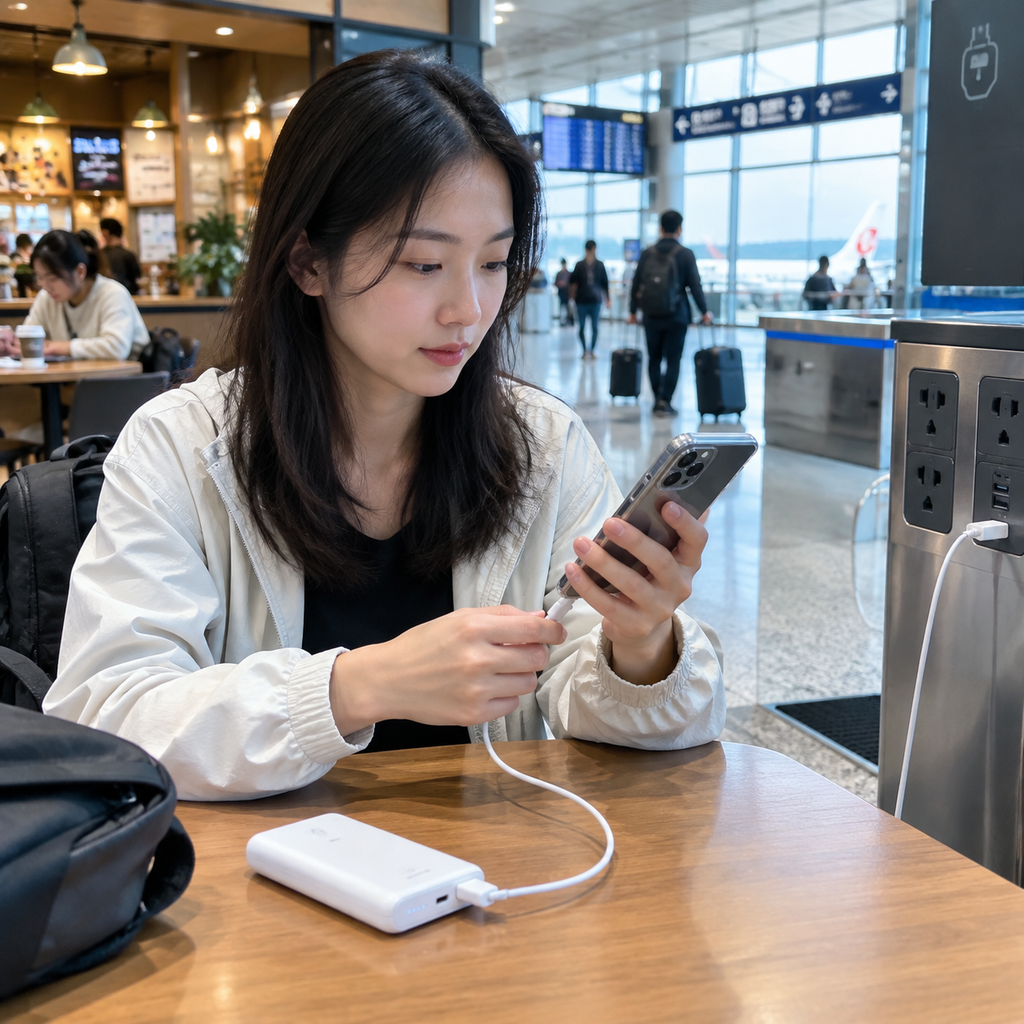
Before departure, do not review only the final purchase; perform a complete cross-account check. Put cash expenses, card statements, e-wallet orders, and hotel deposits on one list arranged by date and city, marking every item that is still pending or awaiting a refund. Confirm that rented equipment, transit cards, and hotel keys have been returned so no further charges accumulate after departure. For unresolved disputes, keep support tickets, transaction screenshots, and promised deadlines, and note the official contact channel you can use after returning home.
在机场或车站准备离境时,给自己预留足够时间处理最后的付款问题。先确认已经付清前往口岸的交通费,再购买餐食和饮料,避免把全部余额留在一个可能临时失效的账户里。若需要退还交通卡或处理押金,先询问办理地点和营业时间;排队时不要把护照、手机、钱包同时放在柜台上。登机或检票前,最后检查实体卡、现金、充电宝和证件,确保支付工具已经收回并放在不同位置。
When preparing to leave from an airport or railway station, allow enough time for a final payment problem. Confirm that the fare to the border, airport, or station has been paid before buying food and drinks, and avoid leaving your entire remaining balance in one account that could temporarily fail. If you need to refund a transit card or settle a deposit, ask first where and when the service is available. While waiting in line, do not place your passport, phone, and wallet together on a counter. Before boarding or passing the gate, check your physical cards, cash, power bank, and documents, storing them in separate places.
回到家后,先等待一两个结算周期,再判断某笔预授权是否真正完成退款。不同银行对境外交易、汇率调整和押金释放的显示方式不同,账单金额可能与当时看到的人民币金额略有差异。把最终账单与旅行清单逐项对照,发现重复扣款或未授权交易时,尽快通过银行官方渠道提出争议。不要因为金额较小就忽略异常,小额问题往往能帮助你发现账户设置或卡片安全上的更大风险。
After returning home, allow one or two settlement cycles before deciding that a pre-authorization has not been released. Banks display overseas transactions, exchange-rate adjustments, and deposit releases differently, so the statement may not exactly match the RMB amount shown at the time. Compare the final statement with your travel list item by item. If you find a duplicate or unauthorized charge, raise a dispute promptly through the bank’s official channel. Do not ignore a small irregularity simply because the amount is low; it may reveal a broader account or card-security problem.
一套成熟的中国旅行支付方案,应该同时覆盖顺利付款、临时失败和离境后追查三种状态。手机负责效率,实体卡负责跨场景使用,现金负责没有网络或无法识别二维码的瞬间,充电设备负责让前面三者保持可用。每天做一次短复核,长途移动和离境前做一次完整复核,遇到故障时保留证据而不重复付款。准备得越具体,越不需要依赖运气,也越能把注意力留给真正值得体验的城市、食物和风景。
A mature payment plan for travel in China should cover three states: successful payment, temporary failure, and follow-up after departure. The phone provides speed, the physical card works across more situations, cash helps when data or QR recognition fails, and charging equipment keeps the other three available. Make a brief review each evening and a full review before long-distance travel and departure. When something fails, preserve evidence instead of paying repeatedly. The more specific your preparation, the less you depend on luck and the more attention you can give to the cities, food, and landscapes you came to enjoy.
如果离境前发现某个账户无法登录,先判断问题属于密码错误、网络限制还是设备验证,不要在机场柜台前匆忙反复尝试。可以利用可信网络完成一次登录,检查绑定的手机号、备用邮箱和通知设置是否仍然正确。若手机号码即将停用,提前确认银行和支付平台是否允许通过应用内消息或人工客服继续处理。把重要订单导出或截图保存,但不要把完整卡号、身份证件照片和验证码放在没有锁定的相册或聊天窗口中。这样既能保留追查所需的证据,也能减少个人信息在设备遗失后的暴露风险。
If an account cannot be opened before departure, first determine whether the cause is a wrong password, a network restriction, or device verification. Do not keep trying in a hurry at an airport counter. Use a trusted connection for one careful login and check that the linked phone number, backup email, and notification settings are still correct. If your phone service will soon be suspended, confirm in advance whether the bank or payment platform can continue support through in-app messages or a human agent. Export or screenshot important orders, but do not leave full card numbers, identity-document photos, or verification codes in an unlocked gallery or chat. This preserves evidence while reducing exposure if the device is lost.
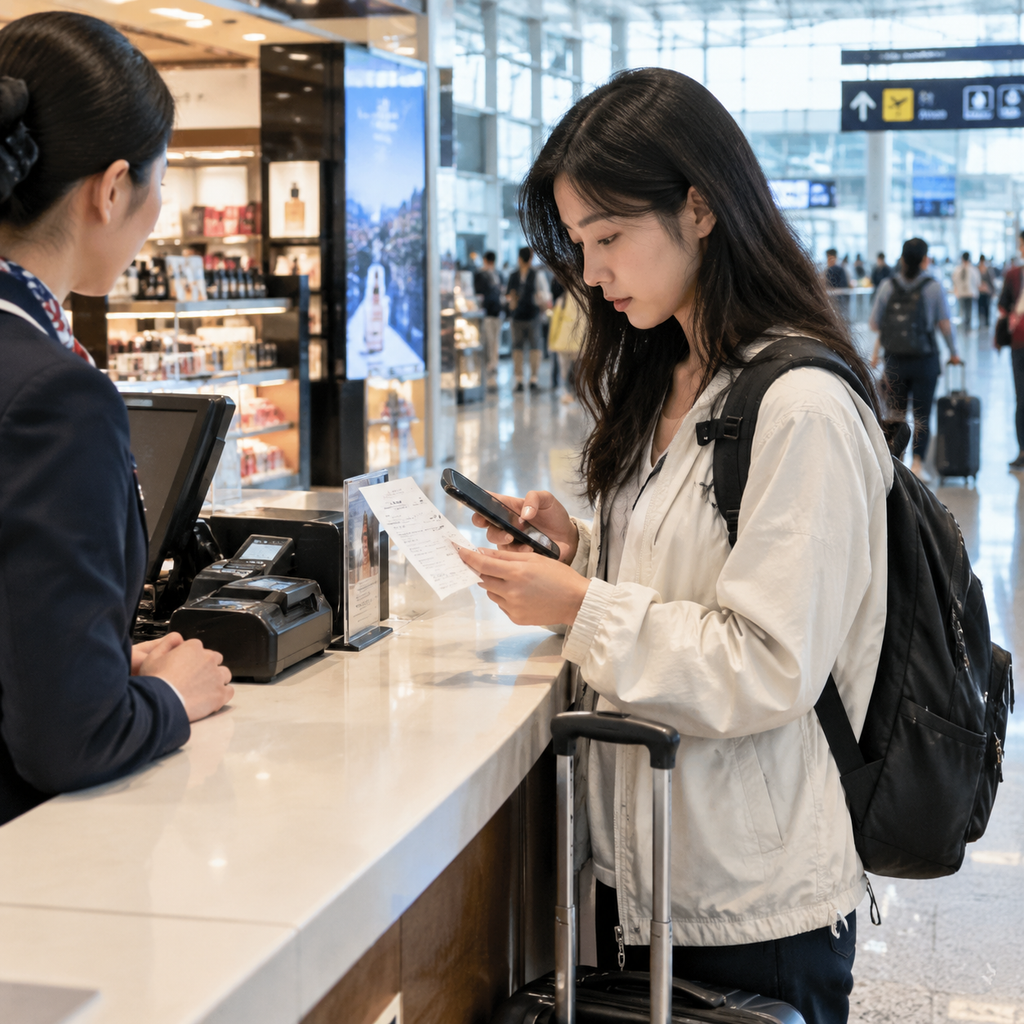
离境前的最后一笔消费最好选择自己熟悉、金额清楚的正规商户,避免在时间紧张时尝试陌生链接或临时下载新的支付应用。付款完成后核对小票与手机通知,确认交易币种、金额和商户名称没有异常。若机场免税店、餐厅或交通窗口出现扣款延迟,先保留收据和柜台信息,再决定是否等待或改用另一种方式。不要因为即将登机就接受无法解释的重复收费;必要时请工作人员在单据上写明处理状态,并把照片与时间一起保存。
The final purchase before departure should preferably be made at a familiar, established merchant with a clear amount. Avoid unfamiliar links or downloading a new payment app while time is short. After paying, compare the receipt with the phone notification and check the currency, amount, and merchant name. If a duty-free shop, restaurant, or transport counter shows a delayed charge, keep the receipt and counter details before deciding whether to wait or use another method. Do not accept an unexplained duplicate charge simply because boarding is near. If necessary, ask staff to write the transaction status on the document and save a photo with the time.
如果离境当天仍有押金或退款没有完成,最实用的做法是把它变成一项明确的跟进任务,而不是带着模糊印象离开。记录应包括原始金额、预计退回金额、交易币种、商户或酒店名称、订单号、客服承诺日期和下一次联系渠道。回国后第一次查看账单时,只对照这些项目,不要被汇率波动或其他日常消费分散注意力。若金额已经部分退回,也要核实差额是否来自手续费、汇率调整或尚未释放的剩余授权,必要时要求对方给出书面解释。
If a deposit or refund is still incomplete on departure day, turn it into a clear follow-up task rather than leaving with a vague memory. Record the original amount, expected refund, transaction currency, merchant or hotel name, booking number, promised date, and next support channel. When you first review the statement at home, compare only these items so exchange-rate movements and other daily purchases do not distract you. If only part of the amount has returned, check whether the difference comes from a fee, an exchange-rate adjustment, or a remaining authorization hold. Ask for a written explanation when needed.
遇到银行卡遗失或怀疑被盗刷时,顺序比速度更重要:先通过官方渠道冻结或挂失,再检查最近交易,最后通知酒店、交通平台或同行者更新付款安排。不要把挂失后的卡片重新启用来“测试一下”,也不要使用不明来电提供的退款服务。若实体卡仍在手中但账户出现异常,立即更换登录密码,退出其他设备,并查看是否有陌生的收款人、自动扣款或新增设备。离境前完成这些动作,能让旅程结束后的账户管理保持在自己掌控之中。
When a card is lost or an unauthorized charge is suspected, sequence matters more than speed. Freeze or report the card through an official channel first, review recent transactions second, and then tell the hotel, transport platform, or companions about any new payment arrangement. Do not reactivate a reported card merely to “test it,” and do not accept refund assistance from an unknown caller. If the physical card is still with you but the account looks abnormal, change the login password, sign out of other devices, and check for unfamiliar payees, automatic debits, or newly added devices. Completing these steps before departure keeps post-trip account management under your control.
出发去机场或口岸前,把当天必须支付的项目按优先级排好:前往机场的交通、可能产生的行李费用、饮水和餐食,以及必要的通信服务。优先确保交通费用独立可用,再安排其他消费;不要把最后一笔余额全部用于购物。若同行者愿意协助,可提前约定一人负责核对订单、一人保管备用现金,但每个人仍应保留自己的证件和至少一种独立支付方式。分工清楚时,即使一个人的手机或账户出现故障,也不会让全队停在原地等待。
Before leaving for the airport or border, rank the day’s essential expenses: transport to the airport, possible baggage fees, water and food, and necessary communication service. Make sure the transport budget is independently available before planning other purchases, and do not spend the final balance entirely on shopping. If companions can help, agree in advance that one person will check orders while another holds backup cash, but everyone should still keep personal documents and at least one independent payment method. Clear roles mean that one failed phone or account will not stop the whole group.
最后一次复核不需要复杂表格,只要能回答几个具体问题:我还能用哪两种方式付款?下一段交通的钱在哪里?哪些款项仍在处理中?如果手机没电,酒店和车站地址是否还能找到?把答案写在离线备忘录和纸条上,随身放一份。完成后把钱包、证件、手机和充电宝分别放回固定位置,提前离开住宿地,给可能的排队和人工处理留下余量。真正安心的离境,不是确认所有事情永远不会出错,而是即使出错,也知道下一步该找谁、拿出什么证据、用哪种方式继续前进。
The final review does not need a complicated spreadsheet. It only needs clear answers: Which two payment methods can I still use? Where is the money for the next transport leg? Which charges remain pending? If the phone dies, can I still find the hotel and station addresses? Write the answers in an offline note and on a paper slip, and carry one copy. Then return your wallet, documents, phone, and power bank to their fixed places, leave the accommodation early, and allow time for queues or manual assistance. A calm departure does not mean nothing will ever go wrong; it means you know whom to contact, what evidence to show, and how to keep moving when it does.
支付问题真正收束时,要把“暂时没解决”和“已经确认无需处理”分开记录。对于仍在处理的预授权、押金或退款,留下最后一次查询日期,并按照银行或平台给出的期限等待,不要因为页面几天没有变化就自行判断失败。对于已经撤销、已退款或确认未扣款的项目,则在清单上标记完成,避免日后重复提交争议。若客服只提供口头答复,也可以在官方聊天窗口中请求文字确认,保存完整对话和工单状态。这样,旅行结束后面对账单时,你看到的是一组有结论的记录,而不是一堆无法回忆的截图。
When a payment issue is finally closed, separate “still pending” from “confirmed and requiring no further action.” For an authorization, deposit, or refund that remains in progress, record the last inquiry date and wait through the deadline given by the bank or platform instead of deciding that it failed merely because the page has not changed for several days. Mark reversed, refunded, or never-charged items as complete so you do not submit the same dispute twice. If support gives only a verbal answer, request written confirmation in the official chat and save the full conversation and ticket status. Then your post-trip statement becomes a set of concluded records rather than a pile of screenshots you cannot interpret.
回国后的核对也应有一个明确终点。把最终账单中的金额换算、退款入账和手续费逐项写回旅行清单,确认每一项都能与订单、收据或银行记录对应。若某笔款项已经按约定退回,哪怕到账日期晚于预期,也应注明实际到账日和最终金额;若发现差额,先确认是否为汇率变化或银行费用,再决定是否继续追问。所有争议处理完毕后,删除不再需要的敏感截图,保留必要的发票和交易凭证,并恢复日常账户提醒设置。完成这一步,支付故障才算真正结束,而不是暂时被下一次消费盖住。
The review at home should also have a definite endpoint. Write the final converted amount, refund posting, and fees back into the travel list, matching every line to an order, receipt, or bank record. If a payment returns as promised, note the actual posting date and final amount even when it arrives later than expected. If there is a difference, first check whether it comes from exchange-rate movement or a bank fee before asking further questions. Once every dispute is closed, delete sensitive screenshots that are no longer needed, retain essential invoices and transaction records, and restore your normal account-alert settings. At that point the payment failure is genuinely finished, rather than merely hidden by the next purchase.
这次经历还可以转化为下一次出行的简明规则:至少两种独立支付方式,一份分开放置的现金,一张写有重要地址和电话的纸条,以及每天一次的账单检查。出发前用小额消费验证卡片和手机网络,离境前完成押金、退款和交通卡的最后确认。不要追求完全没有风险,因为任何系统都可能短暂失灵;应当追求即使失灵也能迅速判断、保留证据、找到人工帮助。付款顺利时安心消费,付款失败时按步骤处理,回国后按清单结案,这就是支付备用方案最有价值的闭环。
This experience can become a short rule for the next trip: keep at least two independent payment methods, divide cash between locations, carry a paper note with essential addresses and phone numbers, and review statements once a day. Test the card and mobile connection with a small purchase before departure, then make a final check of deposits, refunds, and transit-card balances before leaving China. Do not seek a journey with zero risk, because every system can fail briefly. Seek a response that lets you assess the situation, preserve evidence, and reach human help quickly. Enjoy payments when they work, follow a process when they fail, and close the record at home; that is the complete value of a payment backup plan.

- 阿坝雨后的路面只给我半个答案 | Aba’s Wet Road Gave Me Only Half an Answer
- 手机支付失败后,我给自己准备了三套备用方案 | After Mobile Payment Failed, I Prepared Three Backup Plans
- 我在杭州小馆里第一次听懂“清淡一点” | In a Hangzhou Eatery, I Finally Understood “A Little Lighter”
- 真正让我看懂苏州的,从来不是多看了几个园林,而是顺序终于排对了一次 | What Finally Made Suzhou Click for Me Was Never Seeing More Gardens but Getting the Sequence Right Once
- 我原以为古装秀会很“复古”,直到看见现代妆发把整场秀台点亮 | I Expected an Ancient-Costume Show to Feel Purely Historical Until Modern Hair and Makeup Lit Up the Entire Runway
- 灯彩作坊里的一小时:我第一次发现光也可以被“做出来” | In a Lantern Workshop: The First Time I Realized Light Can Be Crafted by Hand
- 从成都出发的三天川西自驾路线 | A 3-Day Road Trip from Chengdu into Western Sichuan
- 五月高原旅游指南:西藏、青海、云南高原怎么玩 | May Plateau Travel Guide: Tibet, Qinghai, and Yunnan Highlands
- 在重庆住满一个月以后,镜头终于开始拍到景点以外的日常骨架 | After a Full Month in Chongqing, the Camera Finally Catches the Everyday Framework Beyond the Sights
- 南京梧桐树下的阴影,让我懂得城市记忆不是口号 | Under Nanjing’s Plane Trees, I Learned City Memory Is Not a Slogan
Comments (0)