
我在上海城隍庙买南翔小笼:怎么支付最快、最稳 | Buying Nanxiang Soup Dumplings at Shanghai City God Temple
我在上海城隍庙买南翔小笼:怎么支付最快、最稳 | Buying Nanxiang Soup Dumplings at Shanghai City God Temple
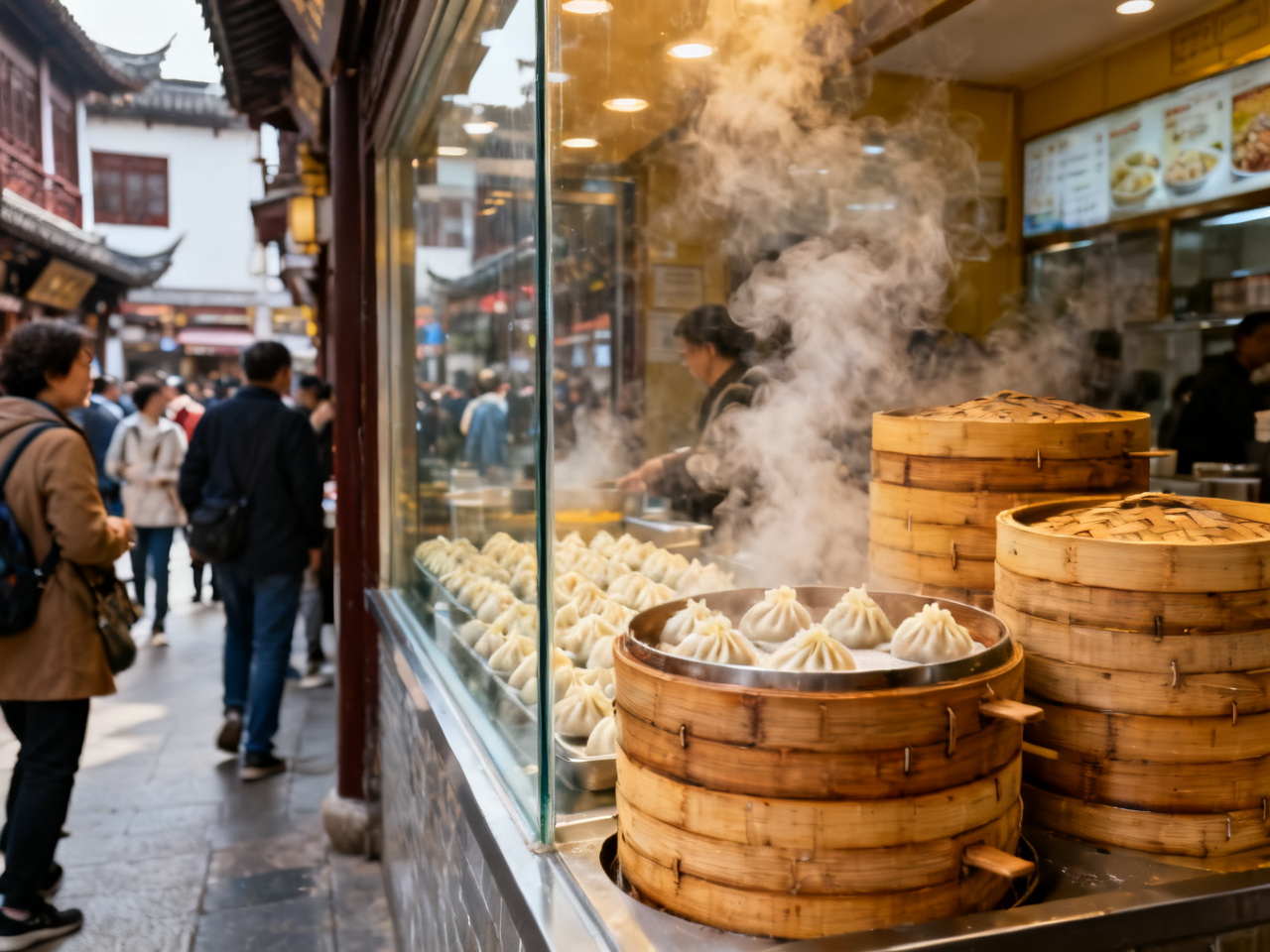
我第一次在上海城隍庙一带专门去买南翔小笼,不是为了打卡“最有名”三个字,而是因为那天下午从豫园外围一路走进来,天有点闷,游客很多,手机电量只剩下百分之二十几,我忽然意识到,真正决定这顿点心吃得顺不顺的,不只是排队时间和口味,还有付款动作能不能一把过。城隍庙这种地方,看起来到处都能买,真站到摊口前才会发现,人流推着你往前,后面有人等位,前面店员喊着下一位,任何一点支付上的迟疑,都会把本来轻松的美食体验变成一种仓促的小型考试。南翔小笼的蒸汽从竹屉边缘一阵阵冒出来,醋香、姜丝香、肉馅热气混在一起,耳边同时还有景区广播、孩子喊饿、导游招呼集合的声音。你如果这时候还在包里翻现金,或者打开手机发现信号卡顿、付款码半天刷不出,情绪立刻就会被现场节奏拖乱。
The first time I went specifically to buy Nanxiang soup dumplings around Shanghai City God Temple, I was not chasing the phrase “most famous.” I had walked in from the outer edge of Yuyuan on a humid afternoon, surrounded by heavy tourist traffic, with my phone battery already down to a little over twenty percent. That was when I realized that what determined whether this snack stop would feel smooth was not only the queue length or the flavor, but whether payment could be completed in one clean move. In a place like City God Temple, it looks as if food is everywhere and buying should be easy, but when you are actually standing at the counter, the crowd pushes from behind, other people are waiting, the staff are calling for the next order, and even a second of hesitation can turn a pleasant food stop into a rushed little test. Steam rises from the bamboo baskets, vinegar and shredded ginger mix with the smell of hot filling, and around you are loudspeakers, hungry children, and tour guides gathering groups. If you are still digging for cash or your phone stalls while loading a payment code, the pace of the place immediately takes control of your mood.
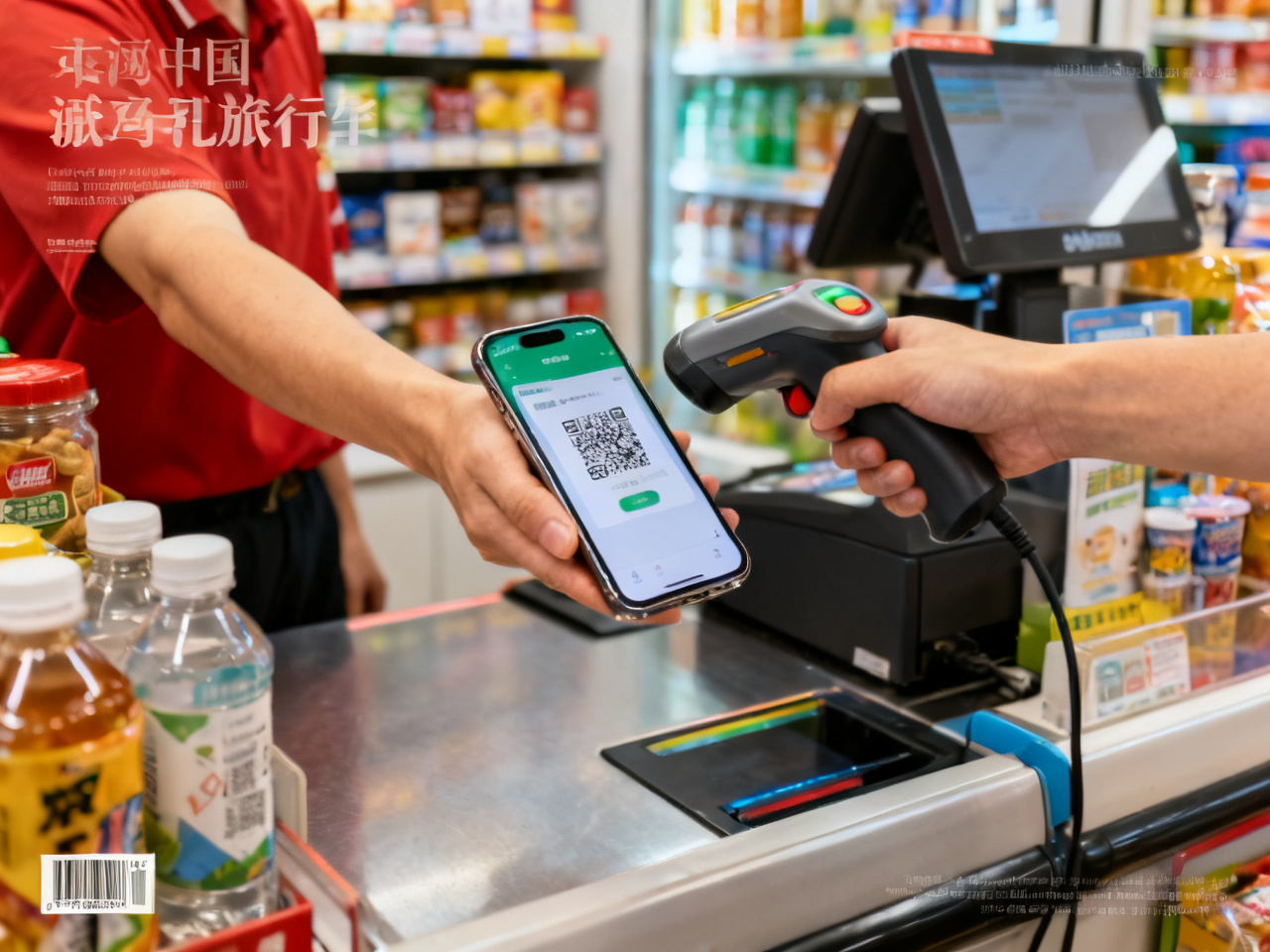
我后来总结,城隍庙买南翔小笼最快、最稳的支付方法,其实不是单一答案,而是“三层备份”。第一层是你最常用、最熟的主力扫码方式,最好提前在进店前就准备好,不要站到收银台前才解锁、找 app、调亮屏幕。第二层是另一套可替代的扫码方式,比如你平时主要用支付宝,那就确保微信也登录着并且绑卡有效;如果平时主要用微信,那就提前确认支付宝不是长期没打开、需要人脸验证或者升级。第三层才是小额现金,数额不需要大,但至少能覆盖一份点心、一瓶水和一段短途交通。这个思路听上去像为小吃准备得过头了,可在热门景区,它的价值很实际:高峰期网络波动、手机发热、镜头污渍导致扫码慢、临时弹窗要求验证,这些都是真会发生的细节。真正成熟的旅行支付,不是赌自己永远不会出问题,而是让问题出现时不耽误吃饭。
I later came to think that the fastest and safest way to pay for Nanxiang soup dumplings is not a single method at all, but a “three-layer backup.” The first layer is your main QR payment method, the one you know best, prepared before you enter the line rather than at the cashier. The second layer is a substitute QR option: if you normally use Alipay, make sure WeChat Pay is also logged in and properly linked to a valid card; if you mainly use WeChat, confirm that Alipay will not suddenly demand facial verification or an update after months of inactivity. The third layer is small cash. It does not need to be much, but enough to cover one snack, one bottle of water, and a short transit segment. That may sound overprepared for dumplings, yet in a crowded tourist district it is deeply practical. Networks wobble at peak hours, phones overheat, camera lenses get smudged and delay scans, and apps suddenly ask for verification. Mature travel payment is not betting that nothing will ever fail; it is making sure that if something fails, your meal does not.
我在城隍庙最深的感受,是这里的消费节奏和普通商场完全不同。商场里你可以慢慢比价、慢慢想;城隍庙的小吃窗口更像一个持续流动的河口,顾客被人流、香味和空间压缩成短促决策。你得先看清队伍是不是点单和取餐分开,是否先付款再领号,是否要自己拿调料和筷子。有些人会把时间都花在想买哪一种馅料,结果真正卡住的是付钱;也有人急着掏手机,点完才发现自己站错了窗口。我的经验是,在排队时就做完三件事:第一,确认菜单和份量,免得到柜台前临时犹豫;第二,把付款界面停在可直接出示的状态;第三,观察前面顾客的流程,看看店员是先报金额、先扫码,还是要你先口头下单。这样到你时,动作会非常完整:说口味、报份数、出示付款码、接小票或取餐牌。整个过程不超过二十秒,才配得上这种景区小吃应有的轻快。
What struck me most at City God Temple was how different its spending rhythm is from that of a normal mall. In a mall, you can compare options slowly; at a snack counter in City God Temple, the line feels more like a river mouth in constant motion, where crowds, smells, and tight space compress you into making quick decisions. You need to notice whether ordering and pickup are separated, whether payment comes before receiving a number, and whether condiments and chopsticks are self-service. Some people spend all their time thinking about which filling to choose, only to get stuck at payment. Others rush to take out their phones and then realize they joined the wrong window. My method is to finish three tasks while still in line: first, decide the menu and portion size; second, keep the payment screen ready to show; third, observe the customers ahead of you and see whether the staff quote the total first, scan first, or expect a spoken order first. Then when your turn comes, your motions are complete: state the flavor, say the quantity, show the payment code, and take the receipt or pickup token. The whole process should stay under twenty seconds, which suits the brisk nature of a scenic snack stop.
如果你是第一次来,城隍庙还有一个常见误区:以为景区里的每家店都对境内常用支付方式一样熟练。实际情况是,大多数店当然能扫,但高峰时“能扫”和“扫得顺”是两回事。有的扫码牌摆得偏,有的收银员更习惯你出示条码,有的则让你扫静态码。如果你带着长辈同行,我会建议把“谁负责点单,谁负责付款”提前说清楚,不要到了台前两个人同时翻手机,互相问密码、问金额。带孩子也一样,先把手里拿的饮料、纸巾、背包安顿好,再付款。吃南翔小笼时最妙的时刻,本来应该是端着小蒸笼找位子,吹一吹,轻轻咬破薄皮,看汤汁先流到勺子里,而不是因为付款失误在窗口边反复重来。旅行体验的质感,很多时候就藏在这种别人看不见的小流程里。
If this is your first visit, there is another common misunderstanding: assuming that every shop in a scenic area handles mainstream domestic payment methods with equal ease. In reality, most shops can scan, but during peak time, “can scan” and “can scan smoothly” are different things. Some place the QR sign awkwardly, some cashiers prefer scanning your displayed barcode, and others expect you to scan a static code. If you are traveling with older family members, I strongly suggest deciding in advance who orders and who pays, so that when you reach the counter two people are not fumbling for phones, asking for passwords, and confirming totals at once. The same applies when traveling with children: set down drinks, tissues, and bags before paying. The best moment of eating Nanxiang soup dumplings should be finding a seat with a bamboo basket in hand, blowing gently, biting open the thin skin, and letting the broth fall into the spoon first—not repeating a payment attempt at the counter. The texture of travel often hides inside these tiny invisible procedures.
我通常会把城隍庙这顿安排在“半主餐、半体验”的位置:不要饿到头晕再来,也不要刚吃饱立刻硬排。最佳状态是有一点食欲、有一点时间余量。那样你既能接受排队,也能在吃完后继续逛周边,不会因为一笔支付、一段人潮就把后面行程都拖垮。如果你想把上海的这类老城厢小吃体验串成更稳定的线路,可以顺手看看武汉过早稳选里那种先判断节奏再下单的思路,也可以对照顺德一日食单旧稿理解“热门美食不等于乱吃一通”的安排方法。至于纯支付层面的经验,高铁付款旧经验里提到的提前解锁、双应用备份、留一点现金,同样适用于城隍庙这种看似热闹、实则非常考验流畅度的场景。对我来说,买到一笼南翔小笼不难,难的是在拥挤和匆忙里仍然把这件小事做得漂亮、稳当,而且不破坏自己看城市的兴致。
I usually place a City God Temple dumpling stop somewhere between a light meal and a travel experience: do not arrive so hungry that you become impatient, but do not force yourself into the queue right after a heavy meal either. The best state is to have some appetite and some time cushion. Then you can tolerate the line, enjoy the food, and keep walking afterward without letting one payment hiccup or one dense crowd ruin the rest of the day. If you want to connect this Shanghai old-town snack experience into a more stable food route, it is worth borrowing the rhythm-first thinking in 武汉过早稳选, or comparing it with the planning logic in 顺德一日食单旧稿, which reminds you that popular food does not mean eating chaotically. For payment specifically, the habits mentioned in 高铁付款旧经验—unlocking in advance, keeping two payment apps ready, and carrying a little cash—apply perfectly to City God Temple, a place that seems lively and casual but actually rewards smooth execution. To me, buying one basket of Nanxiang soup dumplings is not the hard part. The hard part is doing this small thing neatly and steadily inside a crowd, without letting it damage my pleasure in the city.

- 中国八大菜系全览 | The 8 Great Cuisines of China
- 中国寺庙参观礼仪完全指南 | The Complete Guide to Temple Etiquette in China
- 磁湖边跑步者递来的纸巾,让我重新安排黄石的一天 | A Runner’s Tissue Changed How I Planned a Day by Cihu Lake in Huangshi
- 春节期间最值得去的古镇 | Best Ancient Towns to Visit During Spring Festival
- 福建土楼与海岸线7日游 | 7-Day Fujian Tulou & Coastline Tour
- 五月在婺源的雨后清晨,我跟着民宿老板去看一片刚亮起来的白墙黑瓦 | One Rain-Washed Morning in Wuyuan, I Followed a Guesthouse Owner Toward White Walls Just Beginning to Glow
- 打车前多看一眼上车点,能少走很多冤枉路 | Checking the Pickup Point Before Hailing a Ride Saves Many Steps
- 雨季旅游攻略:雨中别有风味 | Rainy Season Travel: Beauty in the Rain
- 第一次进广州,最先扑到脸上的往往不是景点感,而是早餐摊那股热气 | When You First Enter Guangzhou, What Hits Your Face Is Often Not Landmark Energy but the Heat from Breakfast Stalls
- 第一次在中国小区门口等人,我学会站在门侧别贴着门禁 | The First Time I Waited Outside a Chinese Compound Gate, I Learned to Stand to the Side Instead of Pressing Up Against the Access Door
Comments (0)