
我在中国县城汽车站学会先看人群走向,再找检票口 | I Learned at a Chinese County Bus Station to Watch Where People Flow Before Looking for the Gate
我在中国县城汽车站学会先看人群走向,再找检票口 | I Learned at a Chinese County Bus Station to Watch Where People Flow Before Looking for the Gate
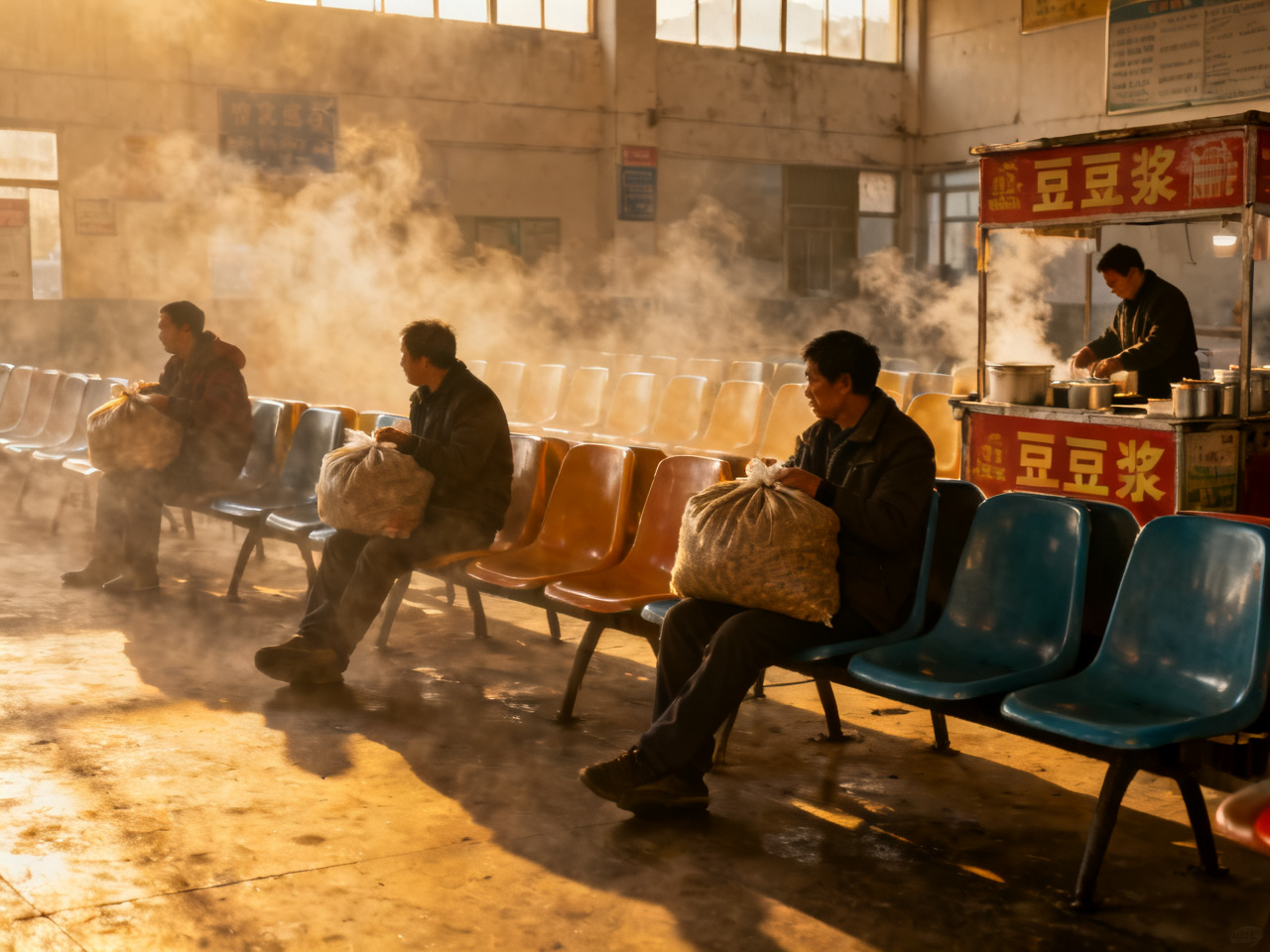
我第一次一个人在中国县城汽车站坐早班车,是在一个带着薄雾的清晨。天还没有完全亮,候车厅门口的地砖有一点潮,卖豆浆和茶叶蛋的小摊已经冒起白汽,塑料椅上坐着拎编织袋的老人、背双肩包的年轻人,还有几个把外套披在肩上的人低头看手机。我那天原本觉得,小地方的汽车站应该比大城市轻松,流程也更随意,顶多就是看清车次、到点上车。可真正走进去以后,我很快发现,越是这种看起来不太张扬的场所,越有一套需要你先用眼睛读懂的节奏。
The first time I took an early bus alone at a county bus station in China, it was on a misty morning. Daylight had not fully arrived yet. The tiles outside the waiting hall still held a little dampness. A small stand selling soy milk and tea eggs was already sending up white steam. On the plastic chairs sat older people with woven bags, younger travelers with backpacks, and several others with jackets hanging over their shoulders as they looked down at their phones. That morning I had assumed that a smaller-town bus station would feel easier than a big-city one, with a looser process—just check the route, wait for the time, and get on. But once I actually stepped inside, I quickly realized that places like this, precisely because they look understated, often have a rhythm you need to read with your eyes first.
候车厅里最先抓住我的不是广播,而是人群移动的方向。有人坐着不动,有人在售票窗口前排队,还有一小撮人总会在广播刚结束时突然拎起东西,朝侧边的一条通道快步走过去。那条通道边上挂着检票口的牌子,可并不在正中间,很容易被第一次来的人忽略。我当时犯了一个很典型的外来者错误:只顾着盯电子屏上的车次和时间,却没先观察熟悉这里的人是怎么动的。结果广播里报了我那班车的目的地,我下意识朝正门方向走,差点跟着一群准备出站的人拐错方向。就在我停下脚步左右张望的时候,一个站在旁边抽空喝豆浆的司机抬手朝侧边点了点,说:“去那边检票,不是前门。”
What caught my attention first inside the waiting hall was not the announcement system, but the direction of human movement. Some people stayed seated. Some lined up at the ticket counter. But a smaller cluster would suddenly lift their bags and stride toward a side passage the moment an announcement ended. A sign for the boarding check area hung there, though it was not in the middle and was easy for a first-time visitor to miss. I made a very typical outsider’s mistake: I focused only on the route and departure time on the electronic screen and did not first observe how people familiar with the station were actually moving. So when the announcement called my destination, I instinctively walked toward the main entrance and almost followed a group of people who were heading out rather than toward boarding. Just as I stopped and looked around, a driver standing nearby taking a quick sip of soy milk lifted a hand toward the side and said, “Boarding is over there, not at the front.”
那一句提醒让我立刻明白,县城汽车站里最重要的不是把每块牌子都读完,而是先判断哪一群人才是在执行和你同一件事。中国很多这样的公共空间都一样:标识当然有用,但真正高效的信息常常同时藏在人群的身体动作里。谁开始起身,谁把行李拎到手里,谁往哪边收脚让路,谁听完广播后不是继续坐着,而是马上朝某个角落移动,这些都比纸面说明更快。那天我跟着那几个人走到侧边检票口时,那里已经自然排出一小列。没有谁大声维持秩序,可大家会默认把大件行李收在身边,不让过道被堵住;票和身份证提前拿在手里,不到窗口前才翻包;前面的人检完以后,会顺势再往前两步,好让后面的人也能贴上来。
That one reminder made me understand immediately that in a county bus station, the most important thing is not to read every sign exhaustively, but to identify which group of people is carrying out the same task you are. Many public spaces in China work this way. Signs are useful, of course, but the most efficient information is often also hidden in people’s physical behavior. Who stands up first, who shifts their luggage into their hand, who leaves a gap for someone else to pass, who starts moving toward a certain corner after the announcement instead of staying seated—these signals can be faster than written instructions. When I followed those people to the side boarding gate, a short line had already formed naturally. Nobody was loudly enforcing order, yet people still kept bulky luggage close to themselves so the passage remained clear, held their ticket and ID ready instead of digging through bags at the window, and stepped two paces forward after being checked so the next person could come up smoothly.
我后来特别喜欢回想那个司机指路的动作,因为它很短,却把我从一种“我是不是又看不懂”的紧张里拉了出来。中国县城汽车站给我的印象,并不是冷冰冰地靠规矩压人,反而更像一套已经被大家练熟的小系统。广播声音不算温柔,塑料椅坐久了也不舒服,空气里还有柴油味、豆浆甜味和外套上残留的潮气混在一起,可正是在这种非常普通、甚至有点粗粝的环境里,你会看见一种很实用的合作。别人不一定会专门照顾你,可当你明显站错方向时,也常有人愿意用一句最省力的话把你拨回正轨。
I often think back to the driver’s gesture because it was so brief, yet it pulled me out of that anxious feeling of not understanding the place again. What impressed me about the county bus station was not a cold system forcing people into line, but something more like a small order everyone had already practiced into habit. The announcements were not gentle. The plastic chairs were not comfortable for long. The air carried diesel, the sweetness of soy milk, and the damp smell left in coats from the early morning. Yet inside exactly this kind of ordinary, slightly rough environment, you could see a very practical kind of cooperation. People might not go out of their way to guide you, but when you are obviously facing the wrong direction, someone will often use the simplest possible sentence to move you back onto the right track.
再后来我去别的县城或乡镇坐车时,就不再一进站只盯着屏幕了。我会先站两分钟,看哪些人像是同一班车的,听广播时留意大家是朝哪边转身;如果售票、候车、检票几个区域没有特别醒目地写在一起,我就更会优先相信“人流的答案”。这并不是盲目跟风,而是一种非常适合陌生环境的判断法:先看系统如何通过人运转,再决定自己往哪里站。对外国人来说,这种方法特别实用,因为它不要求你一开始就听懂每个字,也不要求你马上问很多问题。它只是让你先别急着动,先看一眼那些已经熟练的人在做什么。
Later, when I took buses in other counties and townships, I stopped staring only at the screen the moment I entered the station. I would stand still for two minutes first, identify which people seemed to be traveling on the same route, and watch which direction bodies turned when an announcement came on. If the ticketing, waiting, and boarding areas were not clearly grouped together in obvious signage, I trusted the answer given by human flow even more. This is not blind imitation. It is a very suitable way to judge an unfamiliar environment: first watch how the system operates through people, then decide where to place yourself. For foreigners, this method is especially practical because it does not require understanding every word immediately, and it does not force you to ask many questions at once. It simply asks you not to rush into motion before taking one look at what the experienced people are doing.
顺着这个判断方法继续看,中国小城旅行观察和外国人第一次坐中国交通工具的经验也能互相印证。
Following the same way of reading a scene, 中国小城旅行观察 and 外国人第一次坐中国交通工具的经验 also reinforce this habit from other angles.
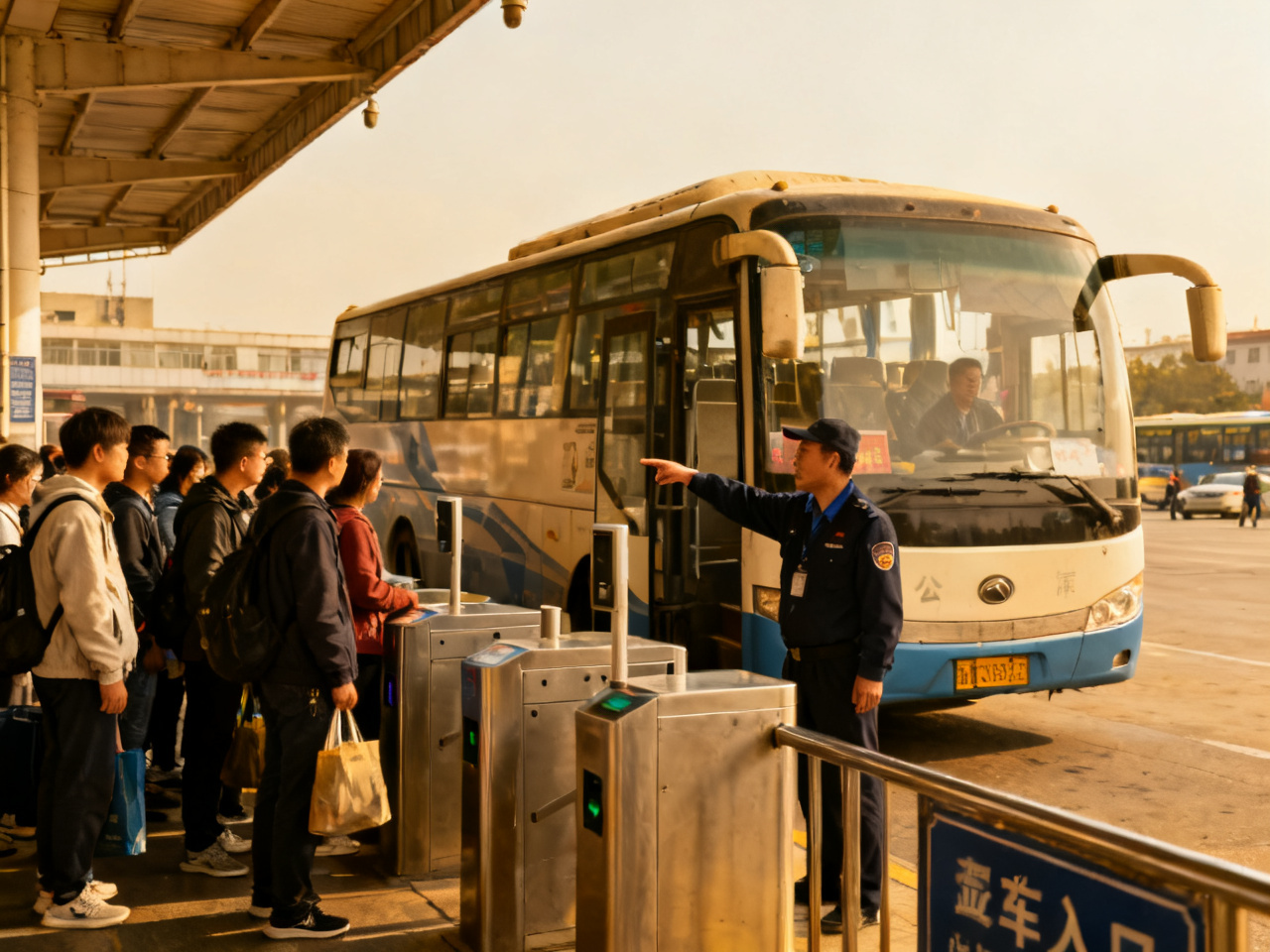
还有一个变化是,我不再把县城汽车站误以为是“更随便”的版本了。它当然没有高铁站那么整洁明亮,也没有机场那种层层明确的导向,但它并不乱,只是更依赖人们共享的一些默契:知道广播报完要起身,知道大包别横在通道中央,知道检票口往往藏在边上,知道有时候问一句司机比对着屏幕发愣更快。现在如果有刚来中国的朋友问我,在这种地方最应该学会什么,我会说,不是先背站内词汇,而是先练会观察人群的走向。因为那天清晨真正帮到我的,不是我读懂了多少字,而是我终于开始看懂,这里的人是怎样把一个普通汽车站运转起来的。
Another change was that I stopped treating county bus stations as merely a looser, more casual version of larger terminals. They certainly are not as bright and polished as high-speed rail stations, and they do not have the layered guidance system of an airport. But they are not chaotic. They simply rely more heavily on a few pieces of shared tacit knowledge: knowing that an announcement often means it is time to stand; knowing not to leave large bags across the center of a passage; knowing that the boarding gate may sit off to the side; knowing that asking a driver one quick question can sometimes be faster than staring blankly at a screen. Now if a friend newly arrived in China asks me what is most worth learning in a place like that, I would say not station vocabulary first, but the skill of watching where a crowd is going. Because what really helped me that morning was not how many words I managed to read. It was that I finally began to see how people there were making an ordinary bus station function.
- 14天丝绸之路深度行程规划 | 14-Day Silk Road In-Depth Itinerary
- 工作日中午排队十分钟后,我才真正听懂中国午饭高峰的节奏 | After Ten Minutes in a Weekday Lunch Line, I Finally Understood the Rhythm of China’s Noon Rush
- 本人带着德国式行程表到中国后,真正救场的不是攻略,而是这份工具清单 | I Came to China With a German-Style Itinerary, but What Actually Saved Me Was This Tool Kit
- 我在上海小学门口等放学时,第一次真正听懂“你吃了吗”为什么不是在问饭 | Waiting Outside a Shanghai Primary School, I Finally Understood Why “Have You Eaten?” Is Not Really About Food
- 我花了三个月搞明白中国龙到底是什么东西 | It Took Me Three Months to Figure Out What the Chinese Dragon Actually Is
- 泥塑体验:我第一次觉得泥土不是材料,而是一种很慢的语言 | Clay Figurine Experience: The First Time I Felt Earth Was Not a Material, but a Slow Language
- 中国茶叶选购:龙井普洱铁观音怎么挑 | Buying Chinese Tea: Longjing, Pu'er & Tieguanyin
- 新疆最容易拍出大片,可真正决定一条线能不能走顺的是那些留白路段 | Xinjiang Is Easy to Film Spectacularly, but the Blank Stretch Between Highlights Determines Whether the Route Works
- 中国旅游语言障碍解决方案 | Overcoming Language Barriers in China
- 在景区买票前,我先学会确认日期和入园时段 | Before Buying Scenic Tickets, I Learned to Confirm Date and Entry Time
Comments (0)