
我在中国早餐摊第一次学会热包子要先撕口放气 | The First Time at a Chinese Breakfast Stall, I Learned to Tear Open a Hot Baozi First to Let the Steam Out
我在中国早餐摊第一次学会热包子要先撕口放气 | The First Time at a Chinese Breakfast Stall, I Learned to Tear Open a Hot Baozi First to Let the Steam Out
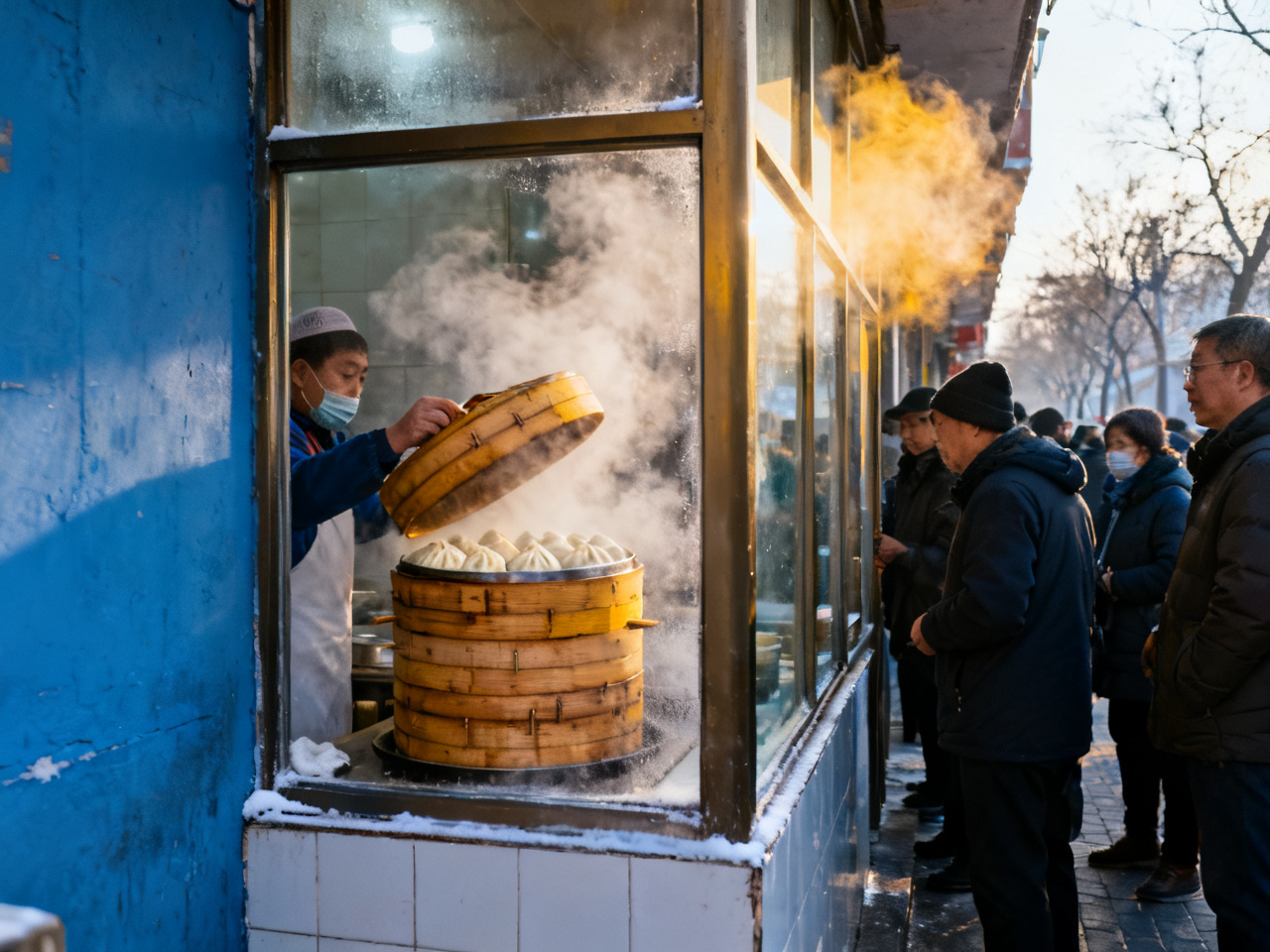
冬天的中国清晨有一种很具体的吸引力,尤其是当你还没真正看见早餐摊,只先看见蒸汽的时候。那天我出门很早,街上空气发白,呼出的气也发白,街角那家包子铺的玻璃已经被热气糊成一层模糊的雾。隔着那层雾,里面的人影来来回回,蒸笼一层层掀开又盖上,像一个小型舞台在重复最朴素的动作。作为一个外国人,我刚到中国时对这种街边早餐摊有近乎旅游者式的热情:觉得什么都要趁热吃、边走边吃才算地道、拿到手马上咬一口才最有生活感。那天我就是抱着这样的心态,站进了排队的人群里。
Winter mornings in China have a very specific kind of pull, especially when you have not even fully seen the breakfast stall yet and only notice the steam first. That morning I left home early. The air on the street looked pale, and even my breath came out white. The glass of the baozi shop on the corner was already fogged over by heat. Behind that cloudy layer, figures moved back and forth while bamboo steamers were lifted and closed again in a rhythm so ordinary it almost felt theatrical. As a foreigner, I used to approach these breakfast stalls with the enthusiasm of a traveler: hot food should be eaten immediately, walking while eating made it feel more authentic, and taking a bite the second you got it in your hand seemed like the proper way to join local life. That was exactly the mindset I brought into the queue.
排队的人不少,但移动得很快。前面的人开口都很熟练,要几个肉包、几个菜包,要不要豆浆、要不要鸡蛋,几句话就解决。我站在后面一边听一边学,心里还有点得意,觉得自己在中国生活久了,这种场景已经不再让我紧张。轮到我时,我用中文说了自己要的数量,老板动作麻利地夹起包子,装进塑料袋,又顺手问我要不要再带一杯热豆浆。我说不用,接过袋子,手心立刻被烫得一缩,隔着薄薄的塑料都能感觉到里面的热气像在往外顶。可那时我的第一反应不是小心,而是兴奋:越烫越说明新鲜,正好现在吃。
There were plenty of people in line, but it moved quickly. The customers ahead of me all spoke with practiced efficiency—how many meat buns, how many vegetable buns, soy milk or not, egg or not—and each transaction was over in seconds. I listened and learned while standing there, feeling mildly proud of myself. After living in China for a while, I thought scenes like this no longer made me nervous. When it was my turn, I ordered in Chinese, and the owner swiftly picked up the buns, dropped them into a plastic bag, and casually asked if I also wanted a hot soy milk. I said no, took the bag, and immediately felt my palm recoil from the heat. Even through the thin plastic, the steam pushed outward as if the food were trying to escape. But instead of becoming cautious, my first reaction was excitement: the hotter it was, the fresher it must be, and that meant it was perfect to eat right away.
我走到店门边,想着趁热解决一个再去赶路。外面的风很冷,手里的包子很热,这种对比本来让我觉得很幸福。于是我从袋子里抓出一个,几乎没有任何停顿,张嘴就咬。结果下一秒,我就被里面那股滚烫的蒸汽和汤汁狠狠教育了。不是那种夸张到跳脚的疼,但足够让我整个人条件反射地缩住,嘴唇一抿,呼吸一停,连眼睛都差点眯起来。我硬生生把那口没完全咬下去的包子离开嘴边,站在原地,表情一定非常狼狈。
I stepped to the side of the doorway, planning to eat one while it was still hot and then continue on my way. The air outside was cold, the bun in my hand was hot, and that contrast had initially made me feel deeply content. So I pulled one from the bag and, with almost no pause at all, opened my mouth and bit in. In the next second, I was firmly taught a lesson by the blast of steam and hot filling inside. It was not the kind of pain dramatic enough to make me jump around, but it was more than enough to trigger a full-body reflex. My lips tightened, my breathing stalled, and my eyes nearly shut. I yanked the bun away before finishing the bite and stood there frozen, probably looking ridiculous.
那时,旁边一位也在等早餐的阿姨看见了,先笑了一下,不是嘲笑的那种笑,而是那种“我早知道会这样”的生活化笑容。她很自然地说,热包子不能这么急,一般先撕个小口,让气放一放。我一边点头,一边还在用舌头确认自己到底有没有真的被烫到。她看我手忙脚乱,又补了一句,尤其是刚出笼的,里面最烫,不要直接一大口。她说这话的语气特别平常,好像不是在教我一个技巧,而是在顺手把我从一个小事故里轻轻拉出来。那一刻我觉得特别有中国生活的质感:提醒很短,方法很具体,温度却很足。
At that moment, an auntie standing nearby waiting for her own breakfast saw what happened and smiled. It was not a mocking smile. It was the smile of someone thinking, of course that happened. She said very naturally that you should not rush a hot baozi like that; usually you tear a small opening first and let the steam out. I nodded while still trying to assess with my tongue whether I had actually burned myself badly. Seeing me flustered, she added that buns fresh from the steamer are always hottest inside, so I should never take a big bite immediately. Her tone was wonderfully ordinary, as if she was not teaching me a clever trick but simply pulling me gently out of a tiny mishap. In that moment, I felt something deeply textured about everyday life in China: the advice was brief, the method was specific, and the warmth behind it was real.
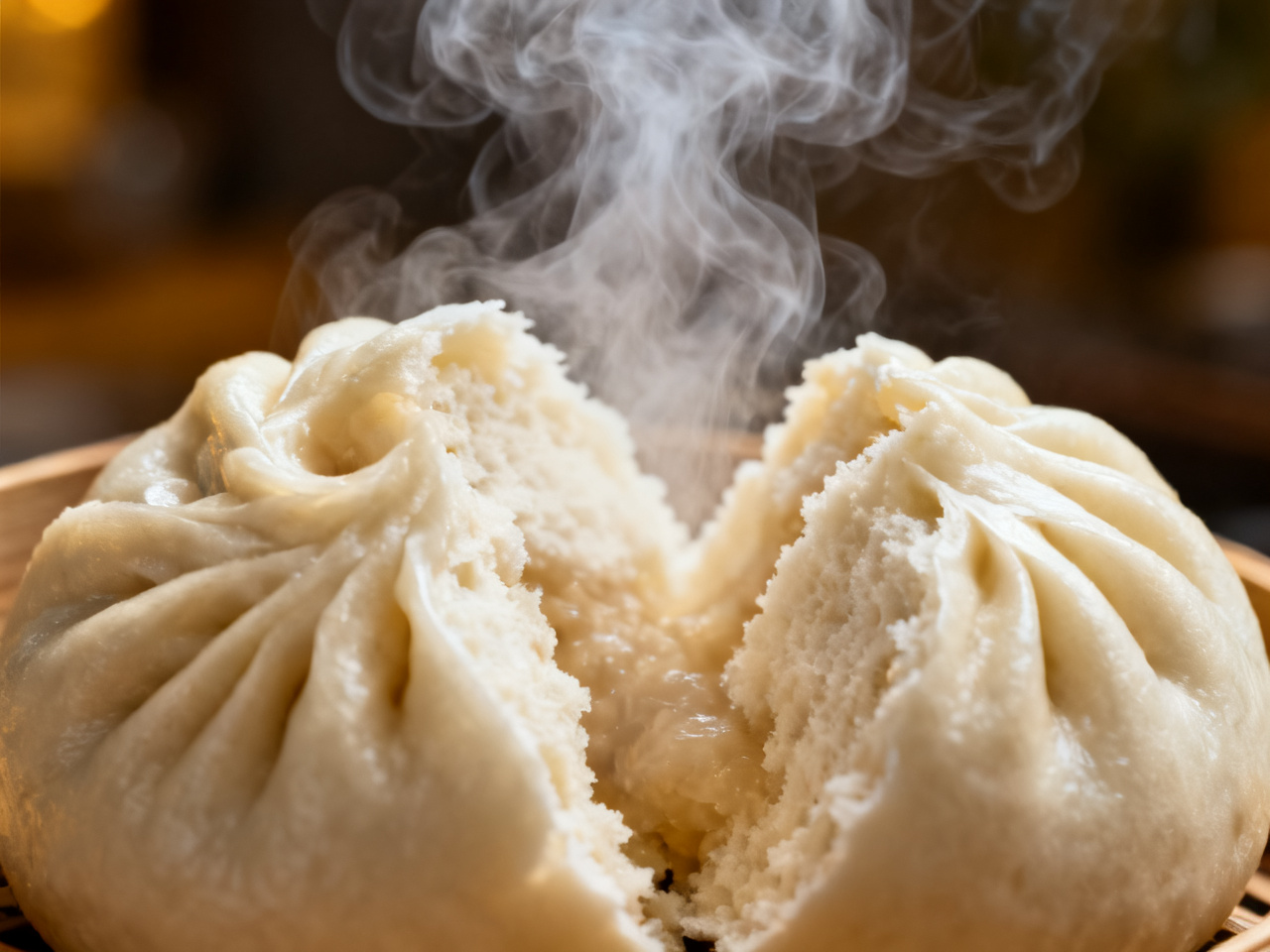
我照着她说的做,小心把包子表面撕开一小道口子。果然,一股白气立刻冲出来,在冷空气里尤其明显,像那只包子自己也在冬天里喘了一口气。等了几秒,我再试着咬边缘,温度还是高,但已经不再危险。也正是在那几秒钟里,我忽然理解了为什么身边的人拿到热包子并不急着立刻大口吃。他们不是没有食欲,也不是不珍惜这口热乎,而是知道好吃和着急之间,需要一个小小的缓冲动作。这个动作非常不起眼,可如果没有它,你和早餐的关系就会从享受瞬间变成对抗温度。
I followed her advice and carefully tore a small opening in the surface of the bun. Immediately, a stream of white steam rushed out, especially visible in the cold air, as if the bun itself had taken a winter breath. After waiting a few seconds, I tried biting the edge. It was still hot, but no longer dangerous. And in those few seconds, I suddenly understood why the people around me did not receive fresh baozi and then instantly devour them in large bites. It was not because they lacked appetite or failed to appreciate the heat. It was because they knew that between deliciousness and impatience, a tiny buffer was needed. The movement is so small that it barely registers, yet without it, your relationship to breakfast changes from enjoyment into combat with temperature.
我后来想,这其实特别像我在中国学到的很多别的细节。刚开始的时候,我总把“像当地人一样”理解成速度:说话要快一点,点单要快一点,拿到食物就要马上进入状态,仿佛慢半拍就不够熟练。但真实情况恰恰相反。很多看起来很会生活的人,真正厉害的地方不在快,而在知道哪里该停一下。地铁安检前先把水杯拿出来,雨天进商场先抖一抖伞,进小区门禁别堵在门正中间,吃刚出笼的包子先放气。外人看,这些动作都小得不值一提;可正是这些小动作,让一个人显得顺手、得体,也让自己更舒服。
Later I realized that this resembled many other details I have learned in China. At first, I interpreted “acting like a local” as a matter of speed: speak faster, order faster, grab the food and immediately know what to do, as if any hesitation meant I was still inexperienced. But the truth has often been the opposite. The people who seem most at ease in daily life are not impressive because they move quickly everywhere. They are impressive because they know exactly where to pause. Take out your water bottle before the subway security check. Shake your umbrella before entering the mall on a rainy day. Do not stand directly in front of a compound access door while waiting. Let the steam out of a freshly cooked baozi before biting it. To an outsider, these actions may seem too minor to matter. But they are exactly what make someone look natural, considerate, and comfortable in the environment.
那位阿姨后来拿了自己的早餐,临走前还看了我一眼,像确认我没有再犯同样的错误。我笑着跟她说谢谢,她摆摆手,很快就走进了街上的人流里。整个交流可能只有十几秒,可我一直记到现在。不是因为“包子太烫”这件事多么戏剧化,而是因为那句提醒太生活化了。它不像课堂上的知识,不会被写成什么正式规则,却恰好是一个刚融入中国日常的人最需要的那种信息:真实、实用、带着一点好意,而且发生在你差点出糗的瞬间。
The auntie eventually got her own breakfast and, before leaving, glanced at me once more as if checking that I would not repeat the mistake. I smiled and thanked her. She waved it off and quickly disappeared into the flow of people on the street. The entire exchange probably lasted no more than fifteen seconds, yet I still remember it clearly. Not because “the baozi was too hot” was such a dramatic event, but because the advice felt so deeply lived-in. It was not classroom knowledge. It was not a formal rule. It was exactly the kind of information someone newly fitting into Chinese daily life most needs: real, useful, lightly kind, and delivered at the precise moment when you are about to embarrass yourself.
从那以后,我每次在中国吃包子,动作都会自动慢半拍。先拿稳,先摸一摸温度,先在边上撕个口,看蒸汽出来,再决定怎么吃。有时我甚至会在街边看到游客模样的人一拿到包子就急着下嘴,心里立刻浮现出自己那次被烫住的样子。可我不会急着上去纠正谁,因为我知道很多生活经验必须亲口、亲手、亲身吃到一次,才会真的记住。对我来说,那次小小的烫嘴并不丢人,反而像一种很诚实的入门费。它让我明白,路边主食看似简单,其实也有自己的节奏和礼貌。
Since then, every time I eat baozi in China, my movements automatically slow by half a beat. First hold it properly. First test the temperature. First tear a small opening at the edge. Watch the steam come out. Then decide how to eat it. Sometimes I even see someone who looks like a visitor grab a bun from a stall and rush to bite it, and I instantly picture my own face from that morning when I got burned. But I do not run over to correct anyone, because I know many everyday lessons only become memorable when you taste them yourself, literally and physically. For me, that tiny burned-mouth moment was not embarrassing. It felt more like an honest entrance fee. It taught me that even the simplest roadside staple has its own rhythm and manners.
如果有人问我,在中国生活最难学的是什么,我现在不会只说语言,也不会只说各种办手续的流程。我会说,更难也更有意思的,是这些无人专门授课的日常分寸。比如什么时候该快,什么时候反而要慢;什么时候应该直接开口,什么时候最好先观察一下别人怎么做;什么时候拿到手就可以用,什么时候必须先给它一点空间。包子铺门口那次经历,正好把这些道理缩成了一口差点咬下去的热气。它让我记住的不是哪种馅最好吃,而是蒸汽里那句特别普通、却很暖的提醒:先撕个小口,放放气。对一个在中国不断学习生活方式的外国人来说,这样的提醒比早餐本身还更耐人回味。
If someone asked me now what is hardest to learn about living in China, I would not answer only “the language,” and I would not answer only “all the administrative procedures.” I would say that harder, and more interesting, are the everyday calibrations that nobody teaches in a formal lesson. When should you move fast, and when should you slow down instead? When should you speak directly, and when is it better to watch how others do it first? When can you use something the moment it is handed to you, and when must you first give it a little space? That moment outside the baozi stall compressed all of those questions into one mouthful of steam I almost bit into too soon. What it left with me was not which filling tasted best, but that plain, warm reminder rising out of the steam: tear a small opening first and let it breathe. For a foreigner learning how life is actually lived in China, that kind of reminder lingers even longer than breakfast itself.
- 云贵川大环线15日自驾 | 15-Day Yunnan-Guizhou-Sichuan Road Trip
- 重阳登高:全国最美山岳推荐 | Chongyang Hiking: China's Most Beautiful Mountains
- 签证与入境要求 | Visa and Entry Requirements
- 在南京城墙脚下,我第一次看清一座古城不是景点,是还在运转的日常 | Beneath Nanjing’s Wall, I First Saw That an Ancient City Is Not a Sight but an Ongoing Daily Life
- 在中国使用手机支付的每日避坑清单 | Daily Mobile Payment Tips in China
- 张家界的山还没出现以前,我先学会把手机变成一把可靠的小工具 | Before Zhangjiajie’s Peaks Even Appeared, I Learned to Turn My Phone into a Reliable Tool
- 情人节浪漫旅游路线 | Valentine's Day Romantic Travel Routes
- 中国货币与支付 | Chinese Currency and Payment
- 中国丝绸制品 | Silk Products from China
- 比“中国哪里最好玩”更重要的,是有人先把来华准备讲明白了 | More Important Than “Where to Go in China” Is Having Someone Explain the Preparation First
Comments (0)