
我在苏州园林里学会先找一把椅子坐下,再开始拍照 | In Suzhou Gardens, I Learned to Find a Place to Sit Before Starting to Take Photos
我在苏州园林里学会先找一把椅子坐下,再开始拍照 | In Suzhou Gardens, I Learned to Find a Place to Sit Before Starting to Take Photos
我第一次在苏州园林里觉得自己“看到了东西”,不是站在某个最热门的取景点按下快门的时候,而是先坐下来以后。那天我进园不久,就像很多游客一样,下意识地一边走一边拍:门洞、漏窗、池水、假山、斜出来的一枝树影,什么都想留住。可走了十几分钟后,我突然发现自己虽然拍了不少照片,脑子里却没有真正记住这个地方的气息。后来我在一处廊边找到一把木椅坐下,只是安静看着水面和对岸的窗框,那一刻园林才真正慢下来,也真正进到我心里。
The first time I felt that I had truly “seen” something in a Suzhou garden was not when I pressed the shutter at a famous photo spot, but after I sat down first. That day, not long after entering, I did what many visitors do: instinctively walk and shoot at the same time. Moon gates, lattice windows, pond water, rockeries, and a branch leaning into the frame all seemed worth capturing. But after ten or fifteen minutes, I suddenly realized that although I had taken quite a few photos, I had not actually absorbed the atmosphere of the place. Later I found a wooden chair beside a corridor and simply sat there watching the water and the window frame across from it. That was the moment the garden truly slowed down and finally entered me.
苏州园林特别容易让外国人进入一种“太想记录”的状态,因为它处处都像已经构图好的画面。你一抬头是框景,一转身是借景,再走几步又有光影落在白墙上,好像每一秒都在提醒你赶紧拍下来。可我后来慢慢明白,这种地方真正珍贵的,不只是画面本身,而是节奏。你如果总是在移动、寻找角度、确认手机有没有拍清楚,反而会错过园林最核心的东西:它怎么让人停下来,怎么让视线转弯,怎么让一小块水面比大风景更耐看。
Suzhou gardens make it especially easy for foreigners to enter a state of over-recording, because everywhere looks pre-composed already. Lift your head and there is framed scenery. Turn around and there is borrowed scenery. Walk a little farther and the light has landed on a white wall. It can feel as if every second is telling you to photograph it quickly. But over time I understood that what makes these places precious is not only the visual composition. It is the rhythm. If you are constantly moving, adjusting angles, and checking whether the image came out clearly, you can miss the most central thing in a garden: how it teaches you to pause, how it makes vision turn, and how a small patch of water can become more enduring than a grand scene.
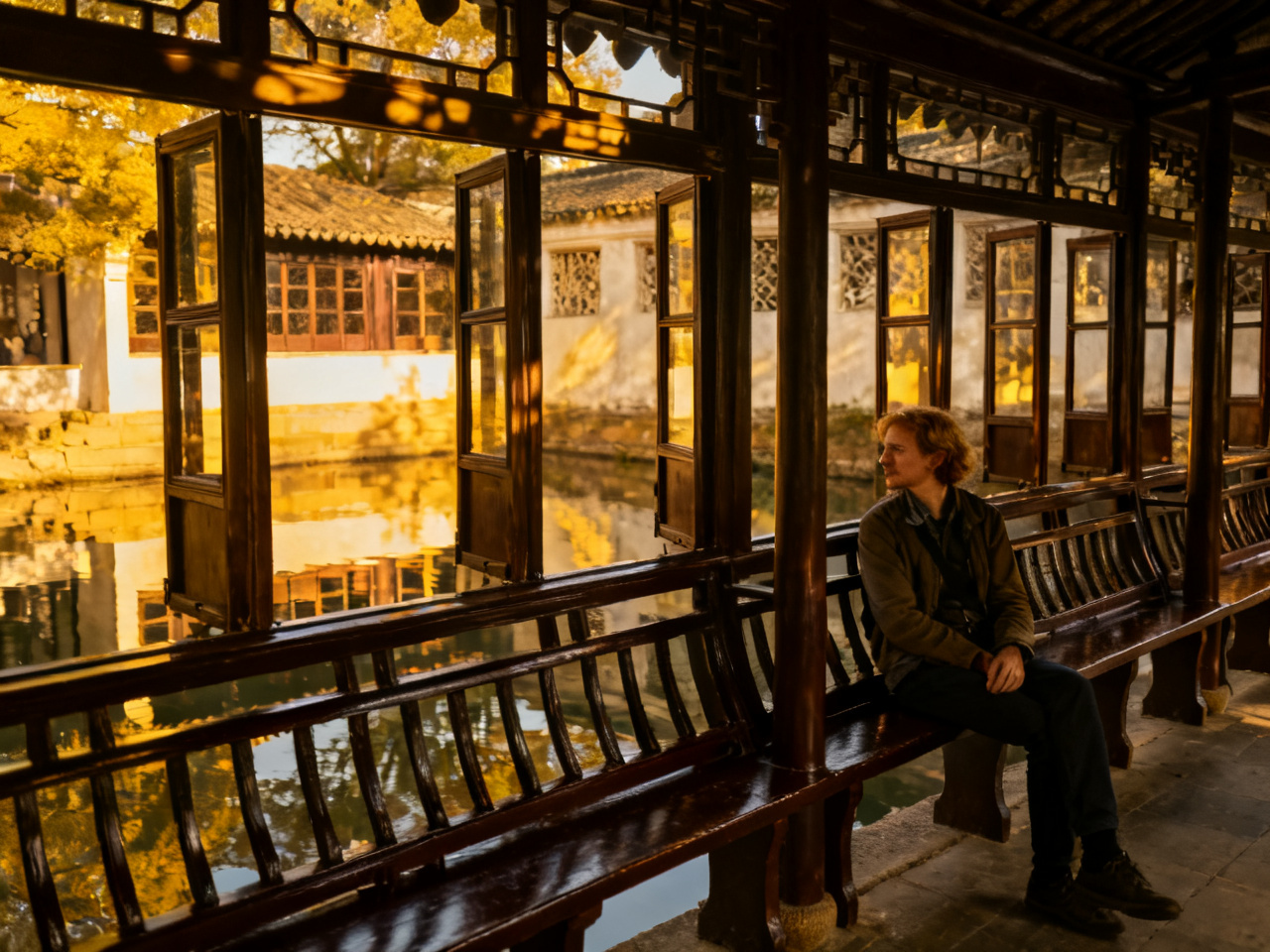
我真正学会这一点,是在拙政园里一个不算显眼的角落。那里没有挤满人,也不是大家排队拍照的地方,只是有风从水面吹过,旁边一丛竹子偶尔轻轻碰到一起。我原本想拍一张就走,可坐下两分钟后,才注意到对岸窗洞里的景色会随着人经过而一层层变化,连水里的倒影都不是静止的。那时我才理解,园林不是让你迅速“收集景点”的空间,而是让你用坐下来这件事,把视线和时间都重新放慢。我也越来越认同安全感和舒适感应该建立在可用细节上,因为一把能坐下来的椅子、一个不必急着挪开的角落,往往比任何打卡点更能让人真正进入环境。
I truly learned this in an unremarkable corner of the Humble Administrator’s Garden. It was not crowded and not one of the places where everyone lined up for photos. There was only wind moving across the water, and a cluster of bamboo beside me occasionally touching together with a soft sound. I had planned to take one picture and move on, but after sitting there for two minutes, I finally noticed that the view inside the opening across the pond changed in layers whenever someone passed through, and even the reflection in the water was never fully still. That was when I understood that a garden is not a space for rapidly collecting attractions. It is a space where sitting down slows both your sight and your sense of time. I also came to agree more and more with the idea that comfort and security should be built on usable details, because a chair you can sit on and a corner where you do not have to keep moving often lead you into a place more deeply than any famous check-in point.
后来我去别的园林,也开始先做同样的动作:进门后不急着立刻拍,不急着把最有名的景先找出来,而是先找一个能坐一会儿、能看见水或窗或树影的位置。这个动作很小,却会让后面的参观完全不一样。等你先坐下来,身体的节奏降下来,接着再拍照、再走动,判断也会更稳。你会知道哪一个角度真的值得留,哪一处转弯只是人多造成的热闹。对于外国游客来说,这尤其重要,因为很多时候你以为自己在“高效看景”,其实只是被人流和镜头推着走。
Later, when I visited other gardens, I started doing the same thing first: after entering, I would not rush to take pictures immediately, and I would not rush to locate the most famous scene first. I would look for a place where I could sit for a while and see water, a window, or the shadow of a tree. The act is tiny, but it changes the whole visit afterward. Once you sit first and your body slows down, your later photos and movements become steadier too. You start to know which angle is truly worth keeping and which turn only feels important because of crowd behavior. For foreign visitors, this matters especially, because what feels like “efficient sightseeing” is often just being pushed around by other people and by the camera itself.
有一次我在留园里,看见不少游客一进门就举着手机一路快走,仿佛生怕错过什么。我自己却先在一段长廊边坐了下来。几分钟后,我发现同一扇窗在不同人经过时,里面的景色会变成完全不同的画:有时是一角白墙,有时是一枝树,有时是远处经过的一抹衣色。后来我站起来再去拍,反而每一张都比刚进门时更有把握。那次之后,我越来越相信先做多重确认,再做动作并不只适用于交通、付款和找路,也适用于看风景。先确认自己的节奏,再决定按不按快门,照片往往会更好,旅行也会更完整。
Once, in the Lingering Garden, I saw many visitors enter while holding up their phones and moving quickly, as if they were afraid of missing something. I, however, sat down first beside a long corridor. A few minutes later, I realized that the same window produced completely different pictures depending on who passed through it: sometimes a strip of white wall, sometimes a branch, sometimes only a touch of color from someone moving in the distance. When I finally stood up and started taking photos, every frame felt more certain than it had at the entrance. After that, I believed even more strongly that layered confirmation before action is not useful only for transport, payments, or navigation. It also applies to seeing scenery. Confirm your own rhythm first, then decide whether to press the shutter. The photos are often better, and the trip feels fuller.
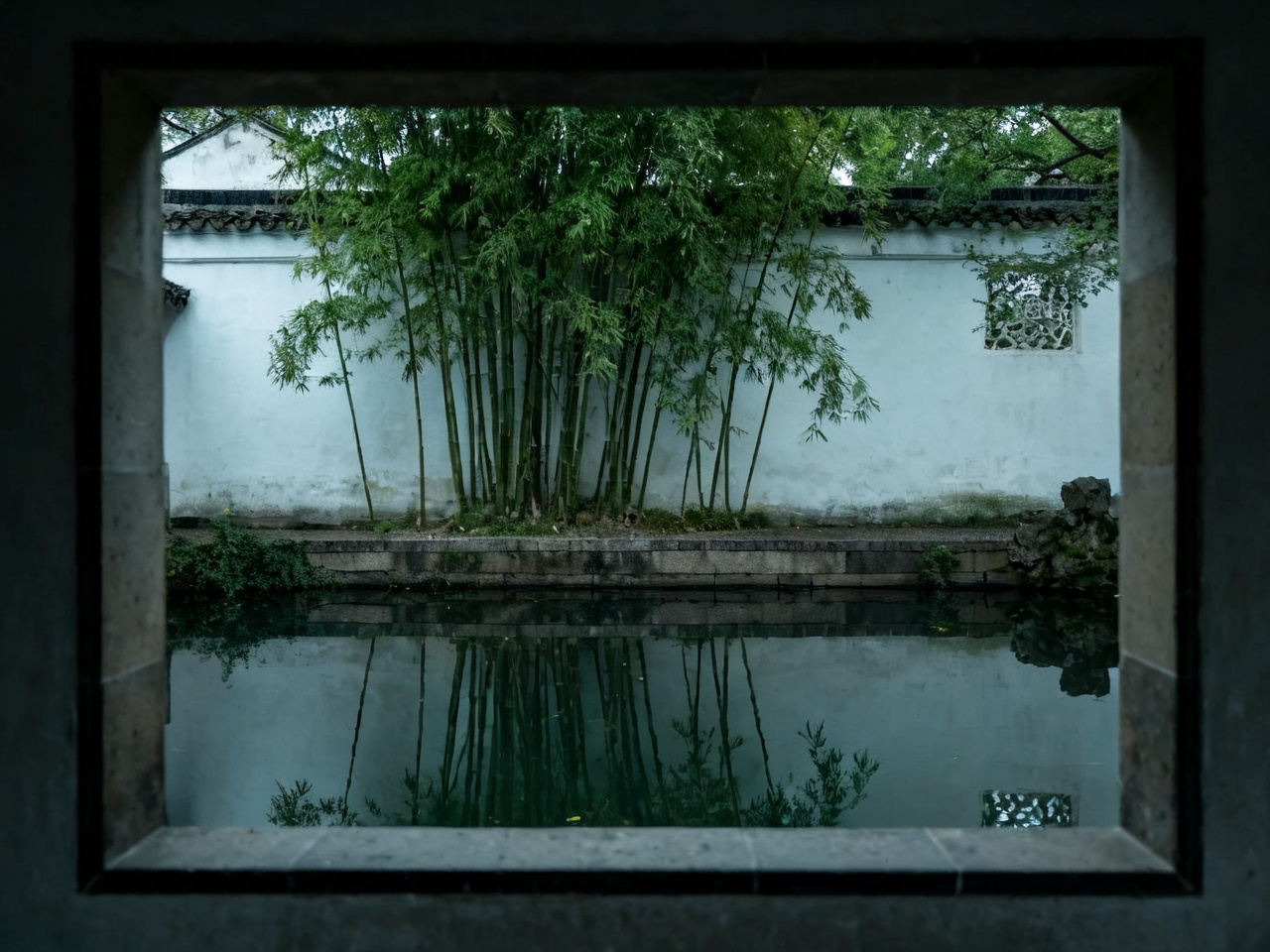
如果现在有人问我,在苏州园林里最值得养成的一个小习惯是什么,我会说,不是先找最佳机位,而是先找地方坐下。先让眼睛安静,先让脚步停住,再让相机开始工作。这样做一点也不耽误拍照,反而会让你更容易看见园林真正厉害的地方:它不是用大场面震住你,而是用很慢、很轻的方式,把你从急着记录的游客,慢慢变成愿意停下来的人。
If someone asks me now what small habit is most worth building in a Suzhou garden, I would say: do not look for the perfect photo position first. Look for a place to sit. Let the eyes go quiet, let the feet stop, and only then let the camera begin working. This does not interfere with photography at all. In fact, it makes it easier to see what gardens do so well. They do not overwhelm you with spectacle. They slowly and gently turn you from a tourist in a hurry to record everything into a person willing to pause.
- 桂林那晚,老板娘一句“别搜了”比榜单更会点菜 | In Guilin, the Owner’s “Stop Searching” Guided Dinner Better Than Any List
- 从桂林北站到阳朔西街,我选了一条不最省钱但最顺手的慢路线 | From Guilin North Station to Yangshuo West Street, I Chose the Route That Felt Easiest, Not Cheapest
- 作者在中国一路张口学会的10句中文 | 10 Chinese Phrases the Writer Learned to Actually Use While Traveling in China
- 退潮后的石滩,比准点的海景更懂钦州 | The Stone Flats After Low Tide Taught Me More Than a Timed Sea View in Qinzhou
- 中国地理概览 | China Geographic Overview
- 洛阳牡丹花期里,我学会把热闹拆成几个小时 | During Luoyang Peony Season, I Learned to Divide Crowds by the Hour
- 中国高铁旅行攻略:如何用高铁串联你的中国行 | China by High-Speed Rail: How to Link Your Entire Trip on the Bullet Train
- 中国早餐地图:八座城市的清晨味道 | China's Breakfast Map: Morning Flavors from Eight Cities
- 糖画摊前的几分钟,让我第一次觉得“甜”也可以被画出来 | At a Sugar Painting Stall, I Realized for the First Time That Sweetness Can Be Drawn
- 网络变慢那一分钟,让我知道截图有多重要 | One Slow Network Minute Taught Me the Value of Screenshots
Comments (0)