
在泉州看见海上丝路:寺庙、古港和街巷里的混合文化 | Quanzhou and the Maritime Silk Road: Temples, Port Traces, and Living Culture
在泉州看见海上丝路:寺庙、古港和街巷里的混合文化 | Quanzhou and the Maritime Silk Road: Temples, Port Traces, and Living Culture
泉州最打动人的地方,并不是某一个著名景点,而是你在一座城市里不断撞见差异:寺庙、清真寺、古港痕迹、闽南民居、做生意的人和去菜市场的人,彼此没有被硬切开,反而一起长在街区里。海上丝路在这里不只是历史名词,它留下的是一种仍然能被日常生活托住的混合感。
What moves people most in Quanzhou is rarely one famous site. It is the repeated encounter with difference inside a single city: temples, mosques, old-port traces, Minnan houses, merchants, and market-goers all existing without hard separation. The Maritime Silk Road is not merely a historical label here. It survives as a mixed texture still carried by daily life.
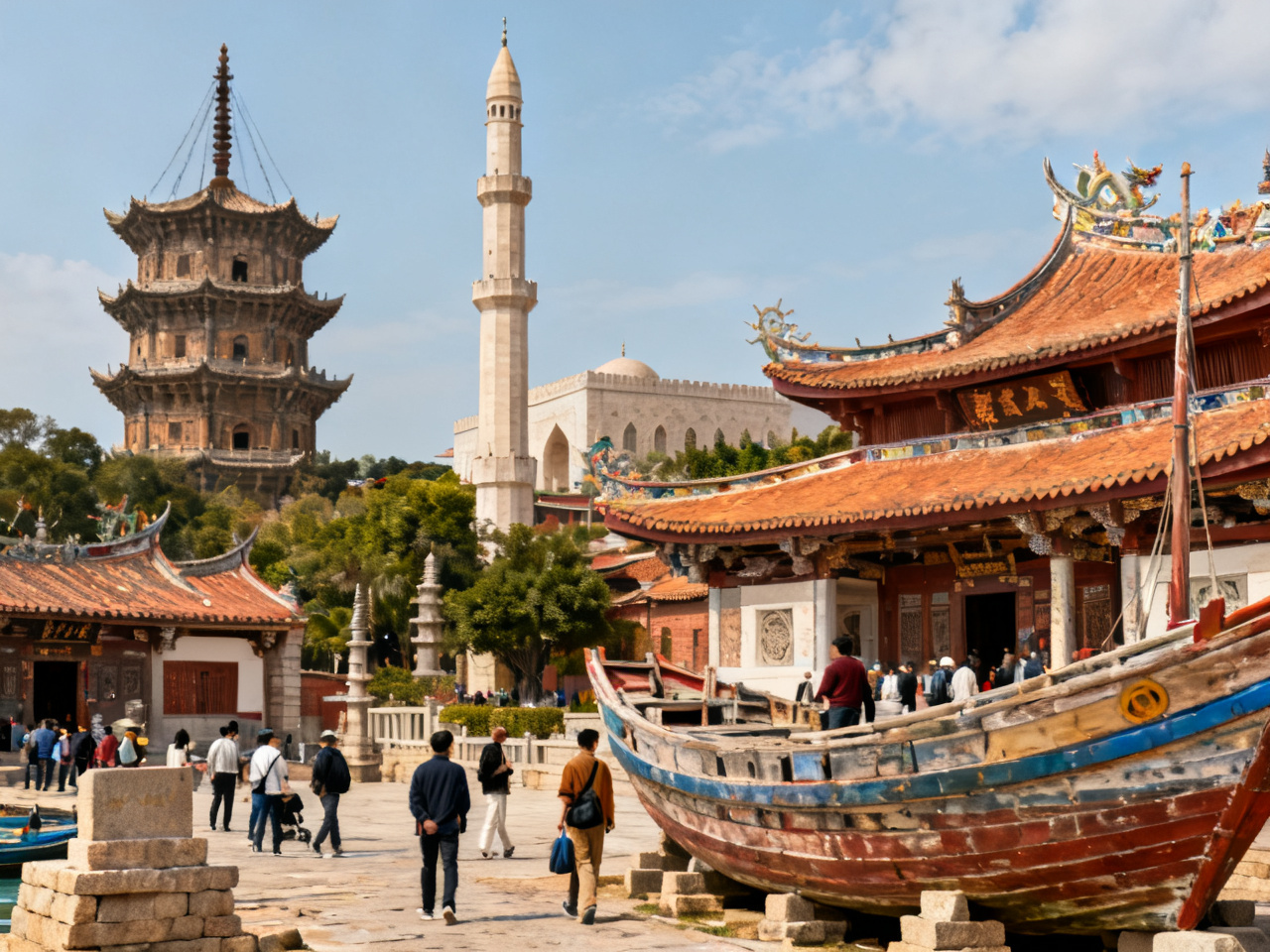
如果你只把泉州看成“古迹集合”,会很容易错过它真正的味道。这里最有意思的,不是按顺序完成参观,而是沿着街巷慢慢理解:为什么不同信仰的建筑会离得这么近,为什么港口记忆没有被完全博物馆化,为什么许多老城空间仍带着交易和往来的痕迹。泉州的文化感,靠的是并置,不是单线叙事。
If you treat Quanzhou as a collection of monuments, you miss its deepest flavor. The interesting part is not finishing visits in the correct order, but slowly understanding why buildings of different faiths stand so close, why port memory was never fully turned into museum glass, and why many old-city spaces still carry traces of exchange and trade. Quanzhou's cultural force comes from juxtaposition, not from one tidy storyline.
古港的意义,不只在“曾经繁荣” / The Old Port Means More Than a Story of Past Prosperity
很多城市谈港口历史,最后都容易变成“当年很繁华”的简单句。泉州不一样,它的古港记忆仍能在人的走路方式和街区尺度里被摸到。你会感觉到城市曾经向外张开过,也仍保留着某种接纳外来事物的能力。这种开放感,比任何介绍牌都更有说服力。
Many cities reduce port history to a simple line about former prosperity. Quanzhou feels different because the memory of the port can still be touched through how people move and how neighborhoods are scaled. You sense that the city once opened outward, and still retains some ability to absorb what comes from elsewhere. That openness is more convincing than any information panel.
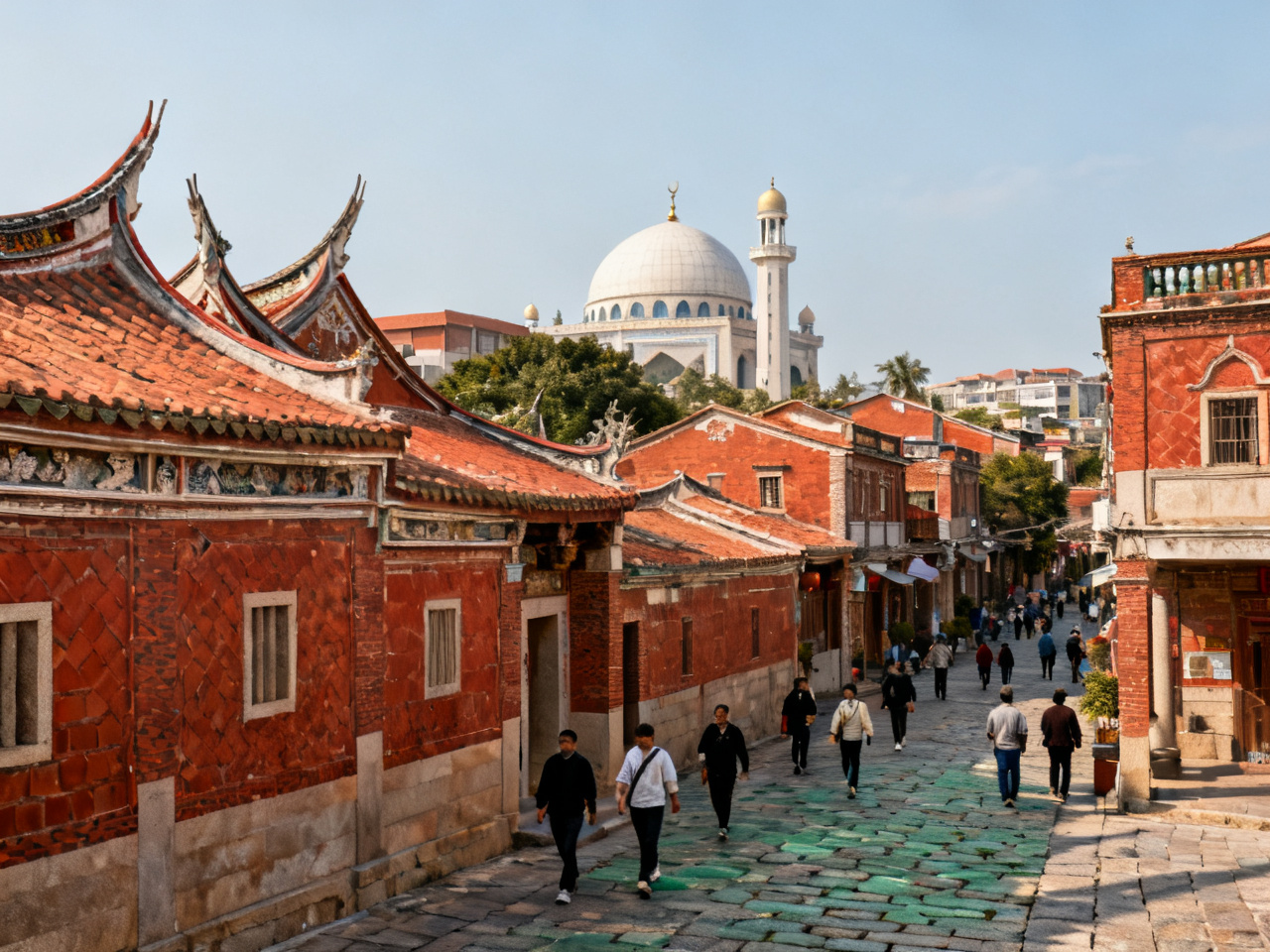
真正珍贵的是“混合”还活着 / What Is Precious Is That the Mixture Is Still Alive
泉州最厉害的地方,是混合文化没有被做成纯展示品。你看见的不只是过去,而是过去如何继续在今天留下用法。有人在宗教空间里停留,也有人在街口买吃的、谈生意、接孩子放学。文化在这里不是被供起来,而是还在被使用。
Quanzhou's real strength is that mixed culture has not been frozen into a display item. What you see is not only the past, but the ways the past continues to be used in the present. Some people pause in religious spaces, while others buy snacks, talk business, or pick up children nearby. Culture here is not simply preserved. It is still being lived.
如果你想继续看站内文化文,可以读 中国城市文化层次文章 和 历史街区体验。在泉州,海上丝路最真实的样子,不是地图上那条线,而是不同来路的人和信仰仍然共享同一座城。
If you want more culture reading on the site, continue with another article on layered urban culture in China and a piece on historic districts. In Quanzhou, the most truthful form of the Maritime Silk Road is not a line on a map, but the fact that different routes, beliefs, and habits still share one city.
- 我在上海学会先看地铁口周边,再决定在哪家咖啡馆坐下 | In Shanghai I Learned to Read the Metro Exit Area Before Choosing a Café
- 一场雨把南京重新排了次顺序:先坐下吃口热的,再决定往哪走 | One Rain Shower Reordered Nanjing for Me: Sit Down for Something Hot Before Deciding Where to Go
- 我带父母第一次来中国,不是先去最红景点,而是先把一天过顺 | When I Brought My Parents to China for the First Time, I Focused on a Smooth Day Before Famous Sights
- 都江堰的水没有被堵住:我沿着分流口看一座工程怎样工作 | Dujiangyan’s Water Was Not Blocked: How I Read Its Flow
- 夜市不是景点,是一座城市的另一副面孔 | Night Markets Aren't Tourist Attractions — They're a City's Other Face
- 零下二十多度的哈尔滨,先考验的不是勇气,是手机电量 | In Harbin Below Minus Twenty, the First Test Was Not Courage but Phone Battery
- 来华旅行必备配件 | Best Travel Accessories for China
- 六月荷花观赏地全国推荐 | June Lotus Viewing Spots Across China
- 我在成都宽窄巷子喝盖碗茶:坐下来才看见成都节奏 | Sitting Down for Gaiwan Tea in Kuanzhai Alley, Chengdu
- 我站在屋檐下面,才明白中国古建筑为什么先让人慢下来 | I Understood Why Traditional Chinese Architecture Slows the Body Only After Standing Under the Eaves
Comments (0)